Whether a Himalayan’s Skin Reacts to Its Food
It's incredibly frustrating when your beautiful Himalayan suddenly starts scratching excessively, developing skin redness, or losing patches of that luxurious coat, and you're left wondering what on earth is causing it. Often, the first suspect that comes to mind is their food, and rightly so, as dietary reactions can indeed be a stealthy culprit behind many skin woes. This guide will walk you through understanding if your Himalayan's skin troubles are linked to their diet, how to identify potential triggers, and what steps you can take to bring relief to your furry friend.
Understanding Himalayan Skin Sensitivity and Diet
Himalayan cats are renowned for their stunning, dense coats and sweet dispositions, but these very features can sometimes predispose them to certain health challenges, including skin sensitivities. When something goes awry with their skin, it's often a puzzle for owners and vets alike to pinpoint the exact cause.
The Unique Challenges of Himalayan Skin and Coat
Himalayans carry the majestic, long, and dense double coat of their Persian ancestors. While absolutely gorgeous, this voluminous fur, especially the thick undercoat, can be a double-edged sword when it comes to skin health. Mats can form quickly, trapping moisture, dirt, and allergens against the skin, leading to irritation and infection. It's not uncommon for owners to discover a nasty skin issue only after trying to comb through a particularly stubborn tangle. Because of this thick coat, it can be very difficult to spot problems early, and Why a Himalayan's Coat Hides a Wound for Days is a real concern.
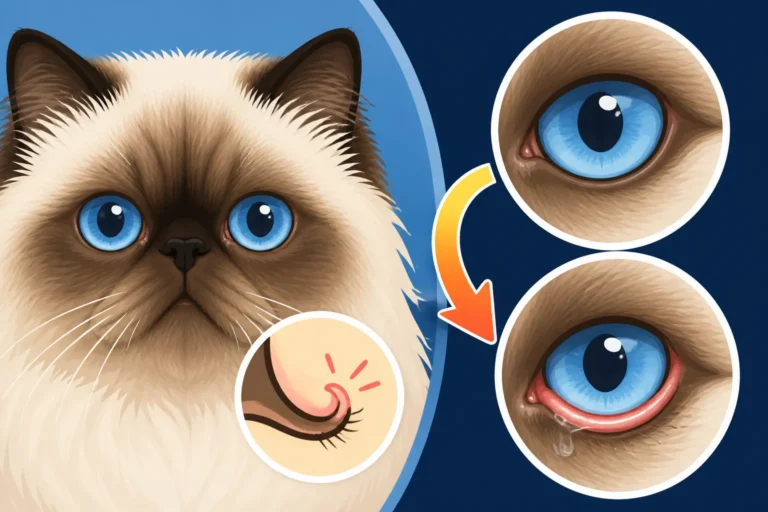
Beyond the coat itself, Himalayans, particularly those with flatter "Peke" faces, often have excessive tearing, which can keep the skin around their eyes and nose constantly damp. This moist environment is a breeding ground for yeast and bacteria, leading to unsightly and often itchy tear stains and potential skin infections. Their adorable facial folds, if present, can also trap moisture and debris. All these factors mean that a Himalayan's skin is already working hard to stay healthy, and any additional stress, like a dietary reaction, can push it over the edge, making symptoms appear more severe or persistent. Owners often struggle with Why Skin Infections Recur Under a Himalayan's Coat due to these anatomical predispositions and underlying sensitivities.
How Food Allergies Manifest in Cats
Unlike humans who might get hives or a runny nose from a food allergy, cats, particularly Himalayans, typically show their dietary sensitivities through their skin. The most common signs are relentless itching, known as pruritus. This isn't just a casual scratch; we're talking about incessant licking, chewing, and scratching, sometimes to the point of self-mutilation.
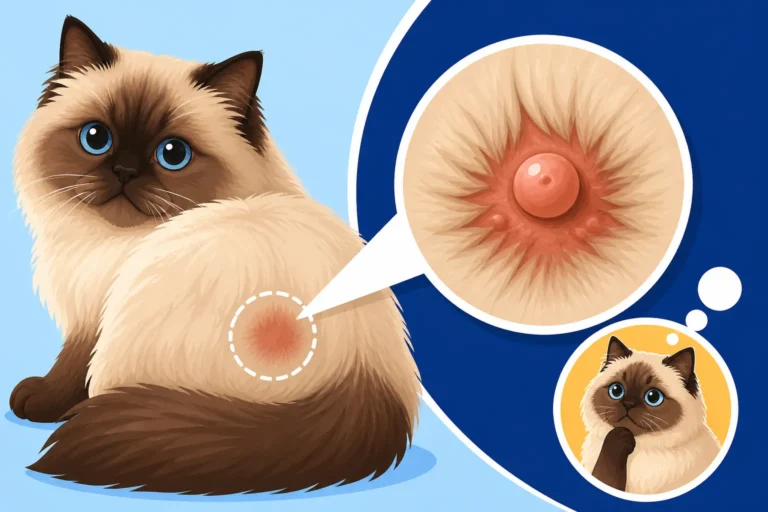
You might notice red, inflamed skin, especially around the face, ears, neck, paws, and base of the tail. Hair loss (alopecia) is also common, either from the scratching or directly as a reaction to the allergen. Sometimes, tiny scabs, often called miliary dermatitis because they feel like millet seeds under the fur, can appear. Other signs can include recurrent ear infections, digestive upset like vomiting or diarrhea, and even respiratory issues, though skin problems are by far the most prevalent. It's a truly miserable experience for your cat, and heart-wrenching for you to witness. A cat with chronic itching is a stressed cat, and a stressed cat is more susceptible to other issues.
Identifying Potential Dietary Triggers
Pinpointing the exact food ingredient causing a reaction in your Himalayan can feel like detective work worthy of Sherlock Holmes. It’s rarely straightforward, as symptoms can be delayed, and cats are exposed to many ingredients in their daily diet.
Common Allergenic Ingredients in Cat Food
When we talk about food allergies in cats, it's almost always a reaction to a protein source. Their immune system mistakenly identifies a harmless protein as a threat and launches an attack. While any protein can technically be an allergen, some are far more common culprits than others simply because they are prevalent in commercial cat foods.
Here are some of the most frequently identified allergens for cats:
- Beef: A very common protein, often implicated in feline food allergies.
- Dairy Products: While cats love milk, most are lactose intolerant, and the protein in dairy can also be a significant allergen.
- Fish: Surprisingly, fish is a frequent allergen for cats, despite their predatory nature. Many cats develop sensitivities to the proteins found in various types of fish.
- Chicken: Another staple in cat food, chicken protein can also be a common trigger.
- Eggs: Often used as a protein booster, eggs can cause reactions in some sensitive felines.
- Wheat, Corn, and Soy: These grains and legumes are often fillers in cat food and, while less common as primary allergens compared to proteins, can certainly cause issues for sensitive cats. Whether Grain Free Does Anything for a Himalayan's Coat is a question many owners ponder, and for some, removing these can indeed make a difference.
It’s crucial to remember that a cat usually develops an allergy to a food they’ve been eating for a long time. It’s not often that a new food causes an immediate allergy. Rather, it’s the constant exposure over months or years that eventually triggers an immune response.
The Elimination Diet: Your Best Investigative Tool
The gold standard for diagnosing a food allergy in cats is an elimination diet, sometimes called a novel protein diet or a hydrolyzed protein diet. This isn't just switching to a different flavor of kibble; it's a strict, controlled trial that requires significant dedication.
Here's how it generally works:
- Select a Novel Protein/Carbohydrate Source: This means choosing a protein your cat has never eaten before. For many cats, this might be venison, duck, rabbit, or kangaroo. The carbohydrate source should also be novel, such as green peas or sweet potato. Alternatively, a hydrolyzed protein diet uses proteins that have been broken down into such small molecules that the immune system doesn't recognize them as allergens. Brands like Royal Canin Hypoallergenic or Purina HA are common veterinary options.
- Strict Adherence: For a period of 8-12 weeks, your Himalayan must eat only this novel or hydrolyzed diet. No treats, no table scraps, no flavored medications, no sneaking bits of their old food. If they go outdoors, you need to ensure they aren't hunting or eating anything else. This strictness is paramount; even a single bite of an old allergen can set back the process by weeks.
- Monitor Symptoms: Keep a detailed journal of your cat's skin condition and overall health. Note any improvements in scratching, redness, or hair regrowth.
- Reintroduction (The Challenge Phase): After the initial 8-12 weeks, if your cat's symptoms have significantly improved or resolved, you can start reintroducing old ingredients one by one. For example, reintroduce chicken for a week and observe. If symptoms return, you’ve likely found an allergen. If not, try beef, and so on. This phase helps confirm exactly what your cat is sensitive to.
This process can be challenging, especially with a cat as particular as some Himalayans can be, and it’s best done under the guidance of your veterinarian. They can help you choose the right food and navigate the reintroduction phase safely. It’s also wise to consider that Changing a Himalayan's Food Without Dulling Its Points is a common concern for breeders and owners, so selecting a high-quality novel protein diet that still supports coat health is important.
Here’s a simplified comparison of diet types for understanding allergic reactions:
| Diet Type | Protein Source | Common Use Case | Key Consideration |
|---|---|---|---|
| Standard Commercial | Chicken, beef, fish, lamb, dairy, eggs | General feeding, not for sensitive cats | High likelihood of common allergens |
| Limited Ingredient (LID) | Single novel protein (e.g., duck, venison) | Initial trial for suspected sensitivities, often OTC | May still contain hidden allergens or cross-contamination |
| Novel Protein Diet | Completely new protein (e.g., kangaroo, rabbit) | Strict diagnostic elimination diet, vet-prescribed | Requires careful selection of protein never fed before |
| Hydrolyzed Protein Diet | Proteins broken down into non-allergenic peptides | Gold standard for diagnostic elimination, vet-prescribed | Highly effective, but often more expensive and less palatable |
Managing and Preventing Skin Reactions Through Diet
Once you've identified a dietary trigger or confirmed that a specific type of diet alleviates your Himalayan's skin issues, the next step is long-term management. This often involves selecting appropriate foods and considering beneficial supplements.
Choosing Hypoallergenic and Limited Ingredient Diets
For Himalayans with diagnosed food sensitivities, the goal is to feed a diet that completely avoids their triggers.
- Hypoallergenic Diets (Veterinary Prescribed): These are often hydrolyzed protein diets, where the proteins are broken down so extensively that the immune system doesn't recognize them as allergens. They are formulated to be complete and balanced and are incredibly effective for managing severe food allergies. Your vet will be the best resource for recommending and prescribing these.
- Limited Ingredient Diets (LIDs): Many pet food brands offer LIDs that contain a single novel protein source (like duck, venison, or rabbit) and one or two carbohydrate sources. These can be a good option if your cat's allergy is to a common protein like chicken or beef, and you've identified a safe alternative. Always read the ingredient list very carefully, as some LIDs might still contain hidden ingredients or "natural flavors" that could be derived from common allergens. Look for reputable brands that clearly state their manufacturing processes to minimize cross-contamination. When considering a How Much Wet Food a Flat Faced Himalayan Gets Through discussion, remember that wet food can be an excellent option for LIDs, as fewer ingredients are often involved.
It's not just about avoiding the bad stuff; it's about providing nutrient-dense food that supports overall health and a robust immune system. What Protein Level a Himalayan's Coat Needs is also a critical factor, as a healthy coat requires ample high-quality protein, which can be maintained even on a specialized diet.
Supplementing for Skin and Coat Health
While diet changes are the cornerstone of managing food allergies, certain supplements can provide additional support for your Himalayan's skin and coat health, especially during recovery.
- Omega-3 Fatty Acids: These are potent anti-inflammatory agents and are fantastic for skin health. Supplements containing EPA and DHA, typically derived from fish oil (though be cautious if fish is an allergen!), krill oil, or algal oil, can help reduce inflammation, improve skin barrier function, and enhance coat quality. They can help with the dryness and flakiness often associated with irritated skin. In fact, Why Omega Oils Keep a Himalayan's Coat From Matting is a known benefit, as they improve overall coat condition, making it smoother and less prone to tangles.
- Probiotics: A healthy gut microbiome is intrinsically linked to immune function and skin health. Probiotic supplements can help rebalance the gut flora, potentially reducing systemic inflammation and improving nutrient absorption.
- Antioxidants: Vitamins E and C, along with other antioxidants, can help protect skin cells from damage and support the healing process.
Always discuss any supplements with your veterinarian before introducing them, especially if your cat is on a prescription diet or has other health conditions. They can advise on appropriate dosages and ensure there are no interactions with existing medications or specific dietary needs.
When to Seek Veterinary Intervention
While you can do a lot at home, it's vital to know when to bring in the professionals. Skin issues can be complex, and self-diagnosing can sometimes delay proper treatment for conditions that might not be food-related at all.
Recognizing Serious Skin Conditions
Sometimes, what appears to be a simple itch can quickly escalate or mask a more serious underlying issue. You should definitely consult your vet if your Himalayan exhibits any of the following:
- Severe or Persistent Itching: If your cat is constantly scratching, licking, or chewing themselves raw, causing open sores or bleeding.
- Significant Hair Loss: Patches of baldness or thinning coat that are widespread or rapidly developing.
- Skin Lesions or Infections: Red, inflamed skin, pustules, scabs, crusts, or a foul odor indicate a secondary bacterial or yeast infection that will require specific medication.
- Changes in Behavior: Lethargy, loss of appetite, withdrawal, or increased aggression could signal discomfort or pain associated with skin problems.
- Lack of Improvement: If you've tried some initial dietary changes or over-the-counter remedies without success.
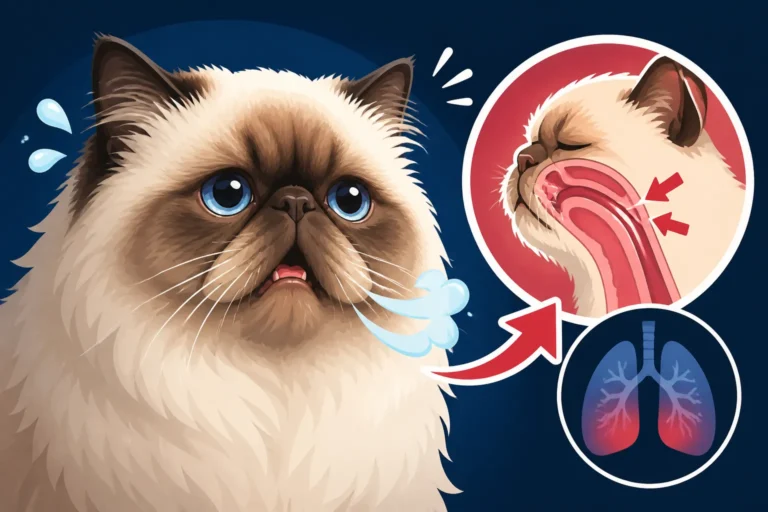
- Swelling or Respiratory Distress: While rare, severe allergic reactions can sometimes cause swelling of the face or difficulty breathing, which are medical emergencies.
Early intervention is always best, especially with the Himalayan's dense coat, where minor issues can quickly become major Why a Matted Himalayan Becomes a Medical Case scenarios, requiring sedation for grooming and treatment.
Working with Your Vet for a Definitive Diagnosis
Your veterinarian is your most valuable partner in unraveling the mystery of your Himalayan's skin problems. They can perform a thorough physical examination and recommend diagnostic tests that go beyond just diet.
What your vet might do:
- Rule Out Other Causes: Before diving into food allergies, your vet will likely want to rule out other common causes of skin issues. This can include skin scrapings to check for parasites like mites (a very common cause of itching!), fungal cultures for ringworm (Whether Ringworm Hides in a Himalayan's Undercoat is a valid concern for long-haired breeds), or cytology to identify bacterial or yeast infections.
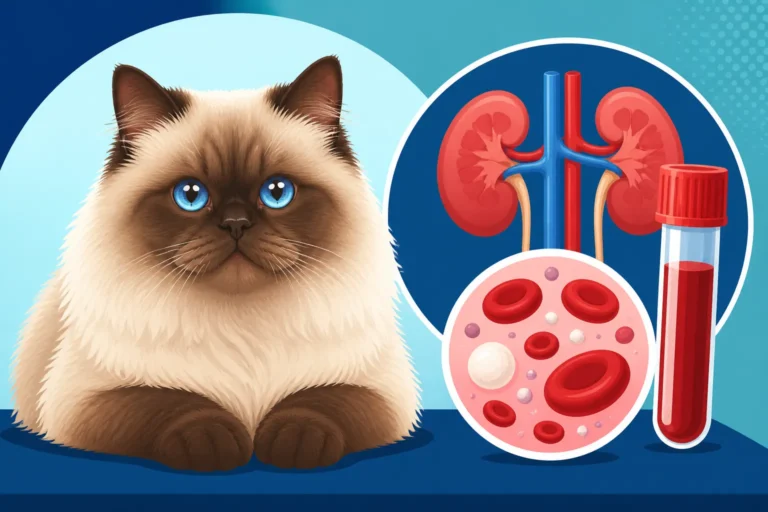
- Blood Tests: To check for underlying systemic diseases, nutritional deficiencies, or other allergies.
- Allergy Testing: While blood or skin allergy tests are available, they are generally not considered reliable for diagnosing food allergies in cats, unlike environmental allergies. The elimination diet remains the most accurate method for food sensitivities.
- Medication for Symptomatic Relief: Your vet might prescribe medications to provide immediate relief from itching and inflammation, such as corticosteroids or antihistamines, and antibiotics or antifungals for secondary infections. This brings comfort to your cat while you work on long-term solutions.
Remember, a food allergy diagnosis takes time and patience, often requiring a collaborative effort between you and your vet. It's why many owners consider pet insurance like Healthy Paws, which can help cover the costs of diagnostic tests, prescription diets, and ongoing treatments for chronic conditions like food allergies. Knowing that financial support is there can make it easier to pursue all necessary steps for your beloved Himalayan's health. Understanding What a Himalayan Costs From Kitten to Fifteen often includes budgeting for potential health issues and vet visits, making insurance a sensible consideration.
Disclaimer
This article is intended for informational purposes only and does not constitute veterinary advice. Always consult with a qualified veterinarian for any health concerns or before making any decisions related to your pet's medical care or diet.