What to Check on a Himalayan Kitten Before Its Points Show
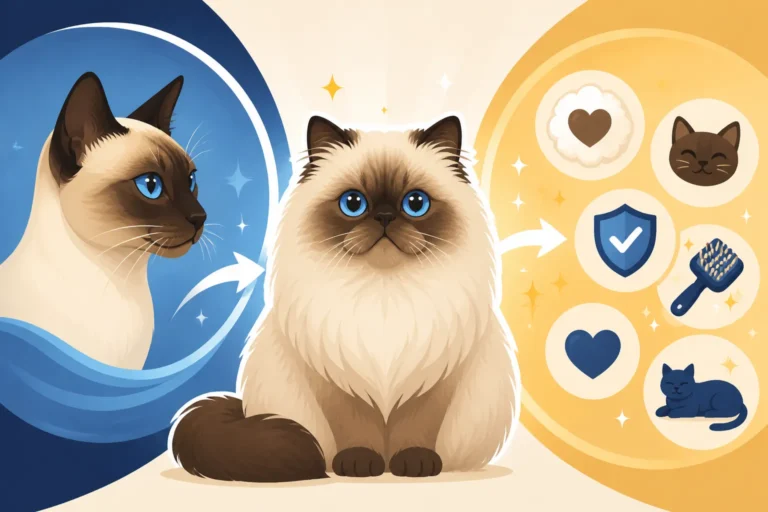
Bringing home a Himalayan kitten is an incredibly exciting time, full of dreams of cuddles, soft purrs, and that distinctive, elegant appearance. But let's be real, beneath all that fluffy potential, there's a tiny, vulnerable creature that needs a thorough health check, especially before those beautiful color points even begin to show. It's easy to get swept up in the cuteness, but understanding what to meticulously examine in these early weeks can save you a world of heartbreak and unexpected vet bills down the line. This guide will walk you through the essential checks to make sure your future fluffy companion is starting off on the right paw, long before their iconic mask, ears, and tail fully darken.
The Unique Blank Canvas of a Newborn Himalayan Kitten
When you first see a Himalayan kitten, especially if it's just a few weeks old, you might be surprised by how different it looks from the mature cat you envision. They're not born with those deep, contrasting points that make the breed so famous. Instead, they arrive as tiny, almost blank canvases, and understanding why and what to focus on during this pale phase is critical for their long-term well-being.
Understanding the Himalayan's Color-Point Genetics
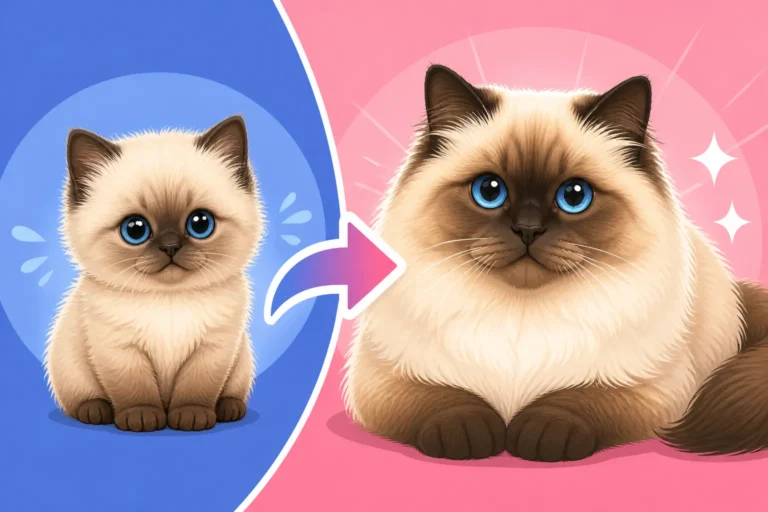
The reason your Himalayan kitten is born looking like a little snowball is due to a fascinating genetic trait. Himalayans carry a temperature-sensitive gene that only allows pigment to develop in cooler areas of the body. In the warm environment of the womb, and for the first few days and weeks of life, a kitten's entire body is essentially the same temperature. This means no color can "express" itself, leading to a pristine white or very pale cream coat all over. It's a hallmark of the breed, a beautiful genetic quirk that makes their development so captivating to watch.
However, this initial paleness can sometimes distract new owners or even less experienced breeders from critical underlying health indicators. The points, those distinctive dark areas on the face, ears, paws, and tail, typically begin to emerge faintly around two to four weeks of age. They'll continue to deepen and solidify over months, sometimes even years, influenced by environmental temperatures. It's a gradual transformation, and while it's tempting to fixate on how the color is developing, remember that the true measure of a kitten's health lies beneath the surface. You'll find that When a Himalayan Kitten's Face Finishes Developing, the points will truly begin to shine.
Beyond the Points: What Really Matters Early On
While the eventual point coloration is certainly a defining characteristic of the Himalayan, it’s merely superficial when it comes to assessing a kitten's immediate health. Far more important are universal indicators of kitten well-being. Observe the kitten’s overall demeanor, energy levels, and responsiveness. A healthy kitten should be active and curious when awake, showing interest in its surroundings and littermates, yet also capable of deep, peaceful sleep. They should also be steadily gaining weight, which is a fundamental sign of proper nutrition and lack of underlying illness.
Equally important is observing their interaction during feeding and their litter box habits. Are they nursing vigorously, or readily taking to supplementary food if offered? Are their stools firm and consistent, indicating a healthy digestive system? Any lethargy, refusal to eat, or signs of diarrhea or constipation are immediate red flags that warrant veterinary attention. Don't let the anticipation of their coloring overshadow these basic but vital checks; a pale, healthy kitten is far preferable to a beautifully pointed one with underlying issues.
Essential Physical Health Checks for a Young Himalayan
Himalayan cats, while utterly adorable, come with a specific set of physical considerations due to their unique Persian heritage and brachycephalic (flat-faced) structure. This means that a thorough physical examination, even before their points are fully developed, is absolutely non-negotiable. Knowing what to look for can help you identify potential issues early, ensuring your kitten gets the care it needs right from the start.
Respiratory System and Nostrils
One of the most significant areas of concern for any flat-faced breed like the Himalayan is their respiratory system. Their shortened muzzle means their airways can be compromised, leading to lifelong breathing challenges if not properly assessed early on. When you're looking at a kitten, even a very young one, pay close attention to how they breathe. You want to see wide, open nostrils – not pinched or narrow. Their breathing should be quiet and effortless, even during play. Any snorting, wheezing, gasping, or noisy breathing is a serious warning sign.
Observe the kitten when it's resting. Is its chest rising and falling gently, or does it seem to be struggling, perhaps even using its abdominal muscles to breathe? Watch it as it plays; does it quickly become winded or start panting after just a minute or two of gentle activity? While all kittens play hard, excessive panting or an inability to recover quickly could indicate a compromised airway. A good breeder will be able to show you How to Judge a Himalayan Kitten's Nostrils at Twelve Weeks and explain what a healthy airway sounds like. It's truly vital to discern What a Well Built Himalayan's Breathing Sounds Like versus one with potential issues.
Eyes and Tear Ducts
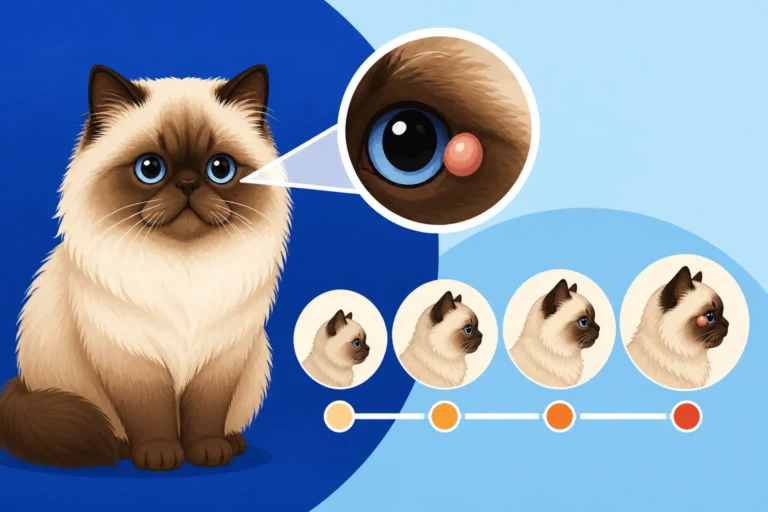
Those stunning blue eyes are a hallmark of the Himalayan, but their flat facial structure can unfortunately predispose them to eye issues. Because their faces are so flat, their tear ducts often don't drain properly, or their eyelids can roll inward (entropion), causing irritation. Even in a young kitten, you should check for clear, bright eyes free of excessive tearing, redness, or discharge. A little dampness might be normal, but a constant flow of tears that stains the fur around their eyes, even on a white kitten, is a sign that something isn't quite right.
Gently examine the eyelids to ensure they sit flush against the eyeball. If you notice any inward rolling, especially on the lower lid, this is entropion and needs veterinary attention. It can cause chronic irritation, pain, and even lead to corneal ulcers if left untreated. Getting your kitten used to gentle wiping around the eyes from a young age is a good habit to start, regardless, as Why a Himalayan's Eyes Water All Day is a common reality for many. Regular check-ups with your vet will also ensure How Often a Himalayan's Eyes Should Be Examined to catch any issues early.
Mouth, Jaw, and Palate
The shortened skull that gives Himalayans their distinctive look also affects their oral cavity. This can lead to crowded teeth, malocclusions (improper bite), and, in some rare cases, cleft palates. When examining a kitten, gently open its mouth. Check that the upper and lower jaws align reasonably well. You might notice that How Crowded a Himalayan's Lower Jaw Gets is a common trait, but severe overcrowding or an obviously misaligned jaw can lead to lifelong eating difficulties and dental disease.
Ensure all visible gums are pink and healthy, not red or inflamed. It's also crucial to check the roof of the mouth for any signs of a cleft palate, which is a gap in the hard or soft palate. While rare, a cleft palate can severely impact a kitten's ability to nurse and thrive, leading to aspiration pneumonia. Reputable breeders should have their kittens checked by a vet for this condition before they go to new homes. This is why Why a Himalayan Kitten's First Exam Includes Its Palate is such an important part of their initial veterinary visit.
Overall Body Condition and Movement
Beyond these specific facial features, it's essential to assess the kitten's general physical health. A healthy Himalayan kitten should feel solid and well-muscled, not bony, and certainly not pot-bellied, which can be a sign of worms. Their coat, even if short and white at this stage, should be clean and soft. Check for any signs of fleas, ticks, or skin irritation. Run your hands gently over their body to feel for any lumps, bumps, or tender spots.
Watch how the kitten moves. Does it walk with confidence? Are there any signs of limping, stiffness, or reluctance to use all four limbs? While Himalayans are known for being generally less athletic than some other breeds, a young kitten should still exhibit normal, playful mobility. Any unusual gait or lack of coordination could indicate neurological or orthopedic issues that need investigation. A kitten's overall vigor and smooth movements are strong indicators of good health and proper development.
Genetic Health and Breeder Diligence
When you bring a Himalayan kitten into your home, you're not just adopting a pet; you're often embracing a legacy of careful breeding and, ideally, diligent health screening. Because Himalayans are a hybrid breed with strong Persian lineage, they are susceptible to certain genetic conditions. Reputable breeders are keenly aware of these risks and take proactive steps to minimize them through genetic testing of the parent cats. This due diligence on the breeder's part is a non-negotiable aspect of responsible ownership, even before you see a single point on your kitten.
Polycystic Kidney Disease (PKD) Screening
One of the most prevalent and serious genetic health concerns in Himalayans, inherited directly from their Persian ancestors, is Polycystic Kidney Disease (PKD). This condition causes fluid-filled cysts to form in the kidneys, progressively enlarging over time and eventually leading to kidney failure. The insidious part is that symptoms often don't appear until the cat is much older, often past the age of five or seven. This is why early testing of the parents is absolutely critical.
When you speak to a breeder, you should insist on seeing documentation that both parent cats have been genetically tested and are clear of the PKD gene. This isn't just a suggestion; it's a fundamental requirement. A simple Why a Cheek Swab Clears a Himalayan for PKD means there's no excuse for a breeder to skip this vital step. If a breeder cannot provide proof of PKD-negative status for both parents, it's a huge red flag, and you should walk away. Understanding Which Two Tests Belong on Every Himalayan Pedigree will empower you to ask the right questions. While nobody wants to think about future medical conditions, having a plan for unexpected health needs, perhaps even pet insurance like Healthy Paws, can offer immense peace of mind should any issues arise later in your cat's life. Be sure to check What Testing a Himalayan for PKD and the Eyes Costs to understand the investment breeders make.
Progressive Retinal Atrophy (PRA) Checks
Another inherited condition that can affect Himalayans, also stemming from their Persian heritage, is Progressive Retinal Atrophy (PRA). As the name suggests, this disease leads to the degeneration of the retina, eventually causing blindness. Like PKD, PRA can be present genetically even if a kitten shows no signs at birth. Genetic testing for PRA is available, and responsible breeders will screen their breeding stock to ensure they are not passing this debilitating condition on to their offspring.
Again, don't be shy about asking your breeder for certificates proving that both parent cats have been tested and are clear of the PRA gene. This is an investment in your kitten's future sight and quality of life. Even if a kitten appears to have perfect vision in its early weeks, the genetic predisposition is what matters most. Knowing Which Test Clears a Himalayan's Eyes helps you understand what to ask for.
Breeder Transparency and Your Role
Ultimately, your role in ensuring your Himalayan kitten's genetic health comes down to choosing a transparent and reputable breeder. A good breeder will be open about their health screening protocols, their cattery environment, and the health history of their breeding lines. They won't just offer you a kitten; they'll offer you a detailed history and a clear health guarantee. Ask to see the living conditions of the cats, meet the parents if possible, and don't hesitate to ask a multitude of questions.
A breeder should willingly show you Which Two Certificates a Himalayan Breeder Owes You as a minimum. If you feel rushed, if they are unwilling to answer questions, or if they offer vague reassurances instead of concrete documentation, these are all signs to proceed with extreme caution. Remember, you're investing in a family member who could be with you for over a decade. Starting that relationship with a breeder who prioritizes health and transparency, and considering options like Healthy Paws to protect your investment, is the best foundation you can build.
Behavioral and Environmental Considerations
While physical and genetic health checks are paramount, a kitten's early weeks also offer crucial insights into its temperament, socialization, and how well it's being prepared for life in a new home. Even before their beautiful points fully emerge, observing these behavioral aspects can tell you a lot about the kind of companion your Himalayan will become.
Socialization and Temperament
A Himalayan kitten's temperament is a blend of its Persian calmness and its Siamese ancestors' more vocal and interactive nature. You want to see a kitten that is well-socialized and confident. Observe how the kitten interacts with its littermates – is it playful, gentle, or overly boisterous? Does it retreat to a corner and hide, or is it curious and willing to engage when approached by people? A well-socialized kitten should be comfortable with gentle handling, purring when picked up, and showing no signs of fear or aggression.
While Himalayans are not typically high-energy, it's good to see them engaged in kitten play. However, keep an eye on their stamina; How Soon a Himalayan Kitten Runs Out of Breath can sometimes be an early indicator of their brachycephalic challenges, even if they appear fine at rest. A kitten that is too shy or fearful may struggle to adjust to a new home, while one that is overly aggressive might develop behavioral issues later on. A healthy balance of playfulness, curiosity, and comfort with human interaction is ideal.
Early Grooming Acclimatization
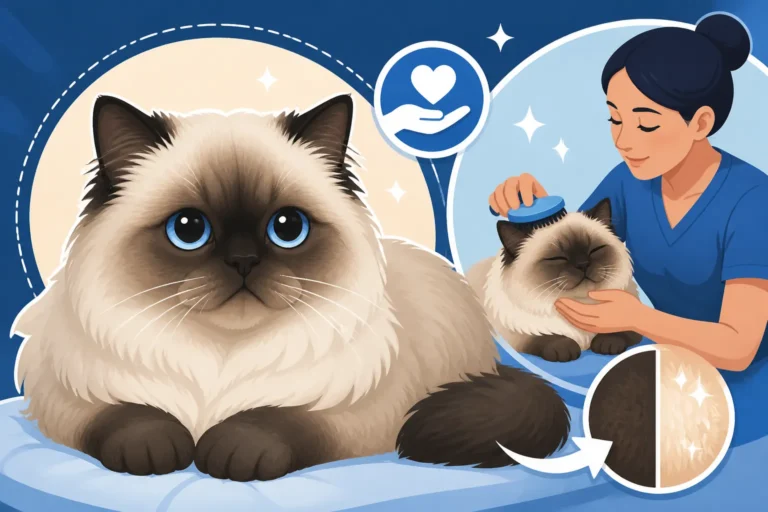
The magnificent, long, flowing coat of a Himalayan is one of its most striking features, but it also demands significant grooming. This isn't just an aesthetic chore; it's a critical part of their health and well-being. A kitten should ideally be introduced to gentle grooming practices from a very young age. This includes being comfortable with having their fur brushed, their face wiped, and their paws handled.
Ask the breeder about their grooming routine for the kittens. A good breeder will already be gently combing and handling the kittens daily, getting them accustomed to the sensations. If a kitten fights vehemently against any form of handling or brushing, it could indicate a difficult road ahead for daily grooming, which is essential to prevent mats and skin issues. Getting a head start with Getting a Himalayan Kitten Used to the Comb is invaluable. Similarly, a kitten that readily accepts Starting Face Wiping With a Himalayan Kitten will make your life much easier when managing their tear stains. Investing in consistent preventative care, including grooming and regular vet visits, helps ensure your cat's long-term health and can be supported by pet insurance plans like those offered by Healthy Paws, giving you peace of mind for the lifetime of your beloved companion.
Key Checks for Your Himalayan Kitten
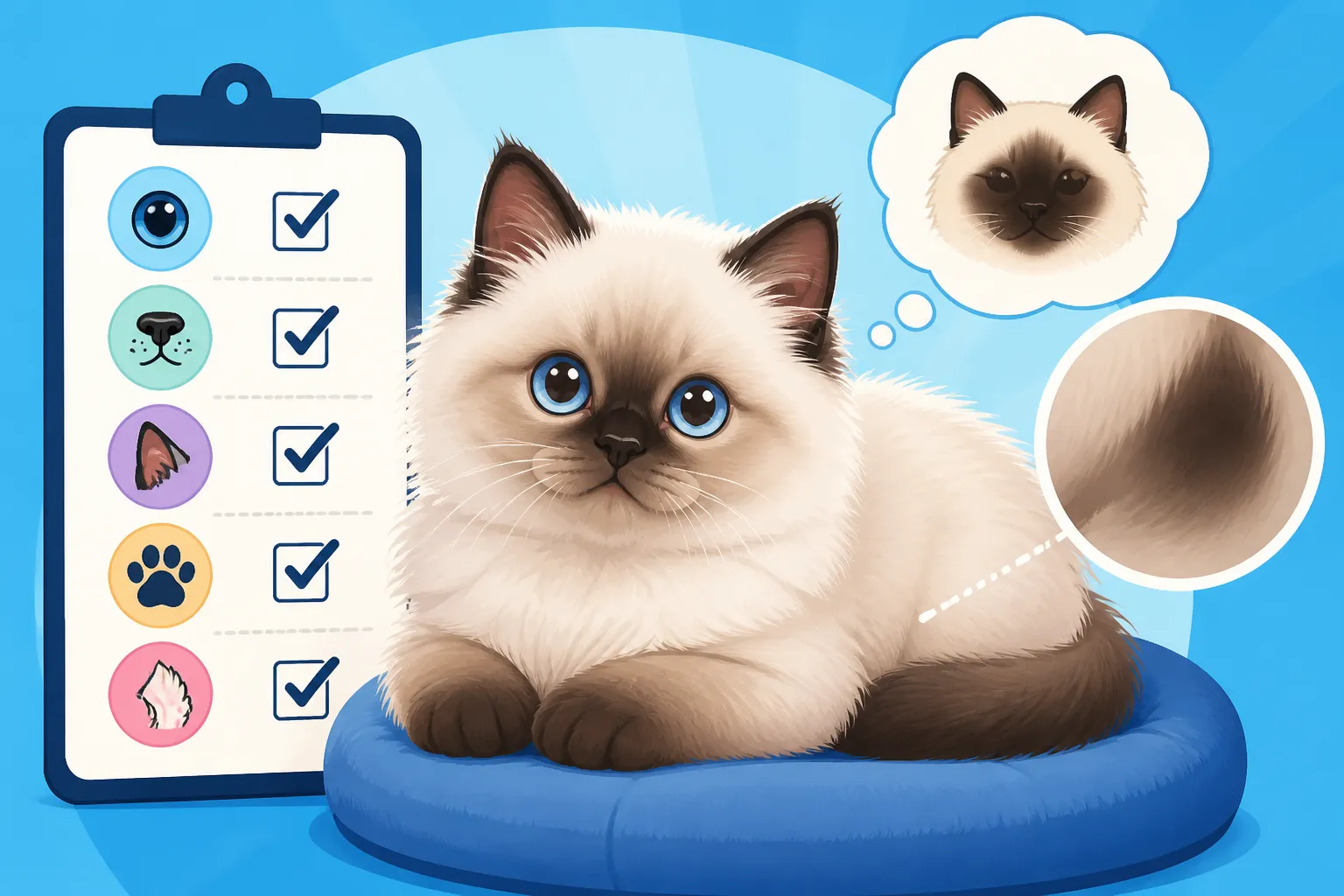
To help you remember all the important points, here's a handy table summarizing what to check on your Himalayan kitten before its points fully develop:
| Category | What to Check | Why It Matters | Red Flags |
|---|---|---|---|
| General Health | Active, alert, good weight, clean coat, firm stool | Overall well-being, proper nutrition | Lethargy, potbelly, diarrhea, visible parasites |
| Respiratory | Wide, open nostrils, quiet, easy breathing | Brachycephalic breed risk, lifelong comfort | Pinched nostrils, snorting, wheezing, excessive panting |
| Eyes | Clear, bright, no excessive tearing/discharge, flat lids | Brachycephalic breed risk, vision health | Redness, discharge, inward-rolling eyelids (entropion) |
| Mouth/Jaw | Proper jaw alignment, pink gums, no cleft palate | Eating ability, dental health | Severe misalignment, inflamed gums, visible cleft in palate |
| Movement | Confident gait, no limping or stiffness, good coordination | Musculoskeletal health | Limping, awkward movement, reluctance to play |
| Genetic Tests | Parent's PKD & PRA clear certificates | Inherited disease prevention | No verifiable test results, evasiveness from breeder |
| Temperament | Curious, playful, comfortable with handling, not overly shy | Ease of socialization, future behavior | Extreme shyness, aggression, hiding, refusal to interact |
| Grooming Acclimation | Tolerates gentle handling, face wiping, brushing | Essential for lifelong coat care, prevents mats and skin issues | Resists handling fiercely, becomes stressed by light touch |
Disclaimer
As a responsible pet owner, you should always consult with a qualified veterinarian for any health concerns or before making any decisions about your pet's medical care. The information provided in this article is for general educational purposes only and is not intended as a substitute for professional veterinary advice, diagnosis, or treatment.