How Often a Tested Himalayan Still Needs Checking
It's a common and understandable assumption that once your beloved Himalayan has been thoroughly tested for genetic conditions, your vet visits become few and far between. After all, if they're clear of Polycystic Kidney Disease (PKD) and Progressive Retinal Atrophy (PRA), surely they're set for a lifetime of smooth sailing, right? The reality, as many of us Himmie parents discover, is a bit more nuanced. While genetic testing provides incredible peace of mind and is absolutely vital, it doesn't eliminate the need for consistent, diligent health monitoring tailored to the unique needs of this magnificent breed. This guide will walk you through why a "tested" Himalayan still requires regular check-ups and what those check-ups should entail, ensuring your furry friend enjoys the longest, healthiest life possible.
Understanding the "Tested" Himalayan
The term "tested" carries a lot of weight, and rightly so. Reputable Himalayan breeders invest significant time and resources into screening their breeding cats for known genetic predispositions, passing on this crucial health information to new owners. But what exactly does being "tested" truly mean in the grand scheme of your cat's long-term health?
What "Tested" Truly Means for a Himalayan
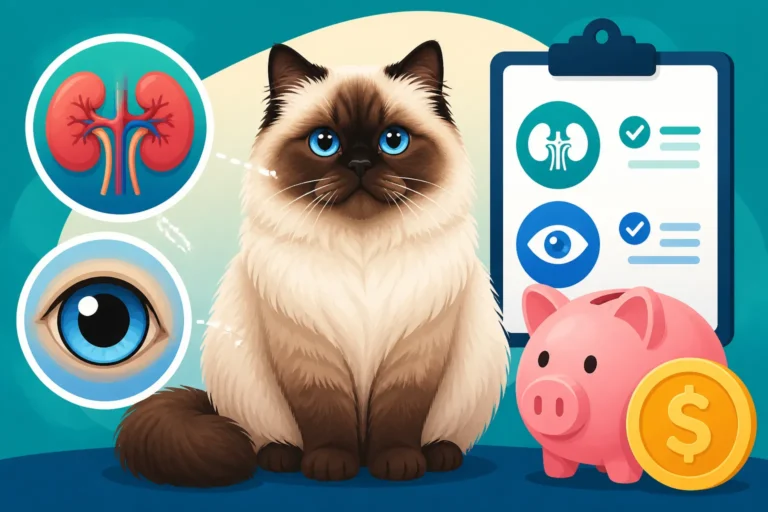
When we talk about a "tested" Himalayan, we're primarily referring to genetic screenings for two major hereditary diseases: Polycystic Kidney Disease (PKD) and Progressive Retinal Atrophy (PRA). PKD, as many know, is a progressive condition where cysts form in the kidneys, leading to kidney failure, and it's a genetic hand-me-down that PKD1 Came Down the Persian Side of a Himalayan. PRA is another serious inherited condition that affects vision, eventually leading to blindness, a trait that Retinal Atrophy Reached the Himalayan From the Persian Too. A "clear" or "negative" result for these tests means your cat does not carry the specific gene mutations associated with these particular conditions. This is fantastic news and a testament to responsible breeding, giving your cat a significantly better chance at avoiding these devastating diseases.
However, it's vital to remember that these tests, while incredibly important, are not a blanket guarantee against all health issues. They target specific genetic markers. A cat can be genetically clear for PKD and PRA, but still be susceptible to other health concerns that are either not genetic, not yet identified genetically, or are simply part of the aging process or a consequence of their unique breed characteristics. Think of it like a human getting screened for specific hereditary cancers; a negative result is wonderful, but it doesn't mean they'll never get any form of cancer or other illness. It just narrows down some major risks.
The Lifelong Impact of Breed-Specific Traits
Beyond specific genetic diseases, Himalayans possess a stunning array of breed-specific traits that, while making them uniquely beautiful, also come with inherent health considerations. These aren't "diseases" in themselves, but rather predispositions that require ongoing attention throughout their lives. Their magnificent long, thick coats, for instance, are prone to matting if not meticulously groomed daily, which can lead to skin irritation and infections. Their characteristic flat faces, which contribute to their adorable "Peke-face" or "doll-face" appearance, also mean they are brachycephalic, a term referring to their shortened skull and associated airway challenges. While a well-bred Himalayan should have a good profile, like those with What a Doll Face Himalayan's Profile Measures, the flat face can still lead to respiratory quirks and eye issues.
These physical characteristics are a core part of the breed's identity, and they necessitate a proactive approach to veterinary care. It’s not about curing a disease, but managing and monitoring these inherent traits to prevent secondary problems. From the way their eyes water due to tear duct compression to the crowded nature of their teeth, these are all aspects that need a vet's regular eye, even if your cat is otherwise in peak genetic health. Your vet understands these nuances and can help you navigate the best care routine for your individual Himmie, ensuring these unique features don't become significant health hurdles.
Essential Annual and Biannual Check-ups
Just like humans, cats benefit immensely from routine check-ups. Even if your Himalayan is a picture of health and has passed all genetic screenings, these regular veterinary visits are the cornerstone of preventive care. They allow for early detection of potential problems, which can often lead to more effective and less invasive treatments.
The Importance of the Annual Wellness Exam
For adult Himalayans, an annual wellness exam is absolutely non-negotiable. This isn't just a quick peek; it's a comprehensive health assessment designed to catch subtle changes that might otherwise go unnoticed. During this visit, your veterinarian will perform a thorough physical examination, checking everything from their nose to the tip of their tail. They'll listen to your cat's heart and lungs, palpate their abdomen, assess their joints and mobility (especially important for a cobby breed), and check their ears and skin. This is also the time for a detailed dental assessment, which is particularly crucial for Himalayans given their crowded oral structure.
Your vet will also review their vaccination status and parasite prevention plan, making sure everything is up to date for your indoor companion. Weight monitoring is another key component; it's easy for Himalayans, with their relatively sedate lifestyle and thick coats, to gain weight, and your vet can help you learn How to Find a Himalayan's Ribs Through a Persian Coat and determine if they are at a healthy weight. These annual visits are not just about finding problems; they're about establishing a baseline of health for your cat, allowing your vet to track changes over time. They provide an opportunity for you to discuss any new behaviors, dietary changes, or concerns you might have, ensuring a holistic approach to your Himalayan's well-being.
Age-Related Adjustments: Biannual Visits for Seniors
As our beloved Himalayans gracefully age, their healthcare needs naturally evolve and intensify. While the average lifespan of a Himalayan is The Nine to Fifteen Years a Himalayan Usually Gets, once they hit around 7-8 years old, they are generally considered seniors. At this stage, relying solely on annual check-ups simply isn't enough. Biannual visits – meaning a check-up every six months – become incredibly important. Cats are masters at hiding illness, a trait that served their wild ancestors well but can be frustrating for concerned owners. Early signs of age-related conditions can be extremely subtle and easily missed even by the most attentive owner.
During these biannual senior check-ups, your vet will pay extra attention to common geriatric concerns. This includes more frequent checks on kidney function (even if your cat was PKD clear, kidneys can still show age-related decline), blood pressure monitoring, and screening for conditions like hyperthyroidism or diabetes. They'll also perform more in-depth dental exams, as dental disease often accelerates with age, and closely monitor for signs of arthritis, which can impact a senior Himalayan's comfort and mobility. These more frequent visits provide a critical window for detecting problems while they're still in their early, more manageable stages. Investing in pet insurance, like a plan from Healthy Paws, can be invaluable during these later years, helping to cover the costs of more frequent diagnostics and treatments for age-related conditions.
Targeted Monitoring for Himalayan-Specific Health Concerns
Beyond general wellness, Himalayans have specific anatomical traits that warrant specialized, ongoing attention. Even a genetically tested Himalayan needs regular checks focused on their unique characteristics to prevent common breed-related issues from escalating.
Eye Health: Beyond PRA Testing
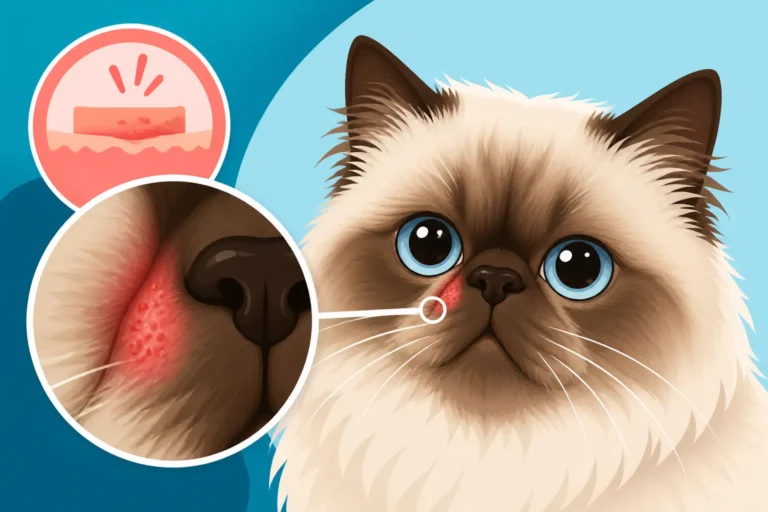
Even with a clean bill of health for Progressive Retinal Atrophy (PRA), your Himalayan's gorgeous blue eyes require constant vigilance. Their distinctive flat faces, whether a "doll face" or a more extreme "Peke face," often lead to issues with their eyes. Many Himalayans experience chronic tearing because their tear ducts are compressed, leading to Why a Himalayan's Eyes Water All Day. While some tearing is normal for the breed, excessive or discolored discharge needs investigation. More seriously, some Himalayans can suffer from entropion, where the eyelid rolls inward, causing eyelashes to rub against the cornea. This is not only painful but can lead to corneal ulcers, which can be seen as What a Corneal Ulcer Looks Like on a Blue Eyed Himalayan.
Regular vet checks should include a thorough examination of their eyes and eyelids. Your vet can assess for signs of irritation, corneal damage, or the subtle beginnings of entropion. Daily at-home cleaning of the tear stains and keeping the area dry is essential, but it doesn't replace a professional eye examination. Any changes in how your cat holds their eyes, excessive blinking, or pawing at their face should prompt a vet visit, as eye injuries or infections in flat-faced breeds can progress rapidly due to constant irritation.
Respiratory and Dental Care: Flat Face Realities
The flat face that gives Himalayans their charming expression also presents inherent challenges for their respiratory and dental health. While breeders strive for improved profiles, such as those that pass How a Vet Grades a Himalayan's Nostrils, the brachycephalic structure can still mean a narrower airway. This might manifest as snoring (which is often considered normal for the breed) or, more seriously, labored breathing, especially during exertion or in warm weather. Your vet will routinely listen to your Himalayan's breathing, looking for any signs of respiratory distress that might indicate a need for intervention.
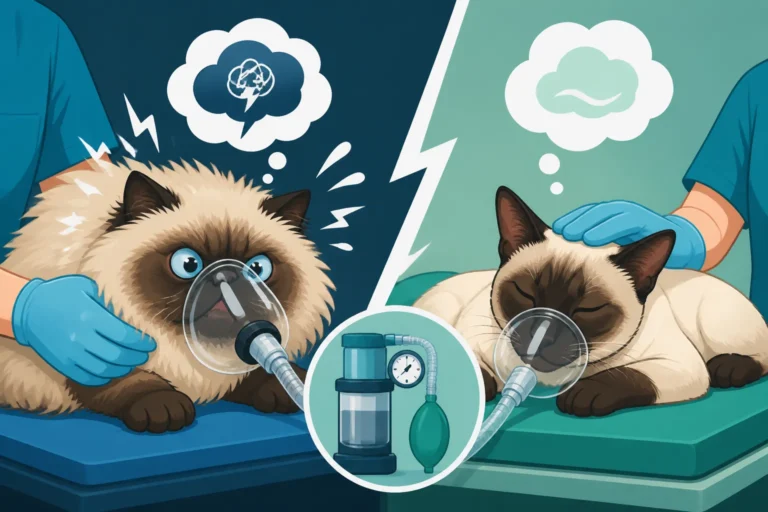
Dental health is another critical area. A Himalayan's shortened jaw means their teeth are often crowded and misaligned, leading to food and plaque accumulation in hard-to-reach places. This significantly increases their risk of dental disease, necessitating that Why a Himalayan Needs Dentals Earlier Than a Siamese. Regular dental check-ups, often combined with annual wellness exams, are crucial. Your vet will assess for gingivitis, tartar buildup, and any signs of tooth resorption or infection. Because of the crowding, many Himalayans will require professional dental cleanings under anesthesia more frequently than other breeds. Understanding How Crowded a Himalayan's Lower Jaw Gets helps you appreciate why diligent dental care, both at home and with your vet, is so important.
Coat and Skin Health: The Persian Legacy
The Himalayan's opulent, flowing coat is undoubtedly one of its most striking features, a direct legacy from its Persian parentage. However, this magnificent mane comes with significant care requirements and can also mask underlying skin issues. Even with diligent daily grooming, regular vet checks are important for assessing skin health beneath the thick fur. Mats can form quickly, particularly in the armpits, behind the ears, and in the "britches" area, and if left unchecked, Why a Matted Himalayan Becomes a Medical Case. These mats can pull at the skin, causing pain, irritation, and even skin infections or hot spots that are difficult to spot until they become severe.
During routine check-ups, your vet will palpate your cat's skin, looking for lumps, bumps, parasites, or areas of tenderness that might indicate a hidden skin problem. They can also advise on the best grooming tools and techniques to prevent matting and maintain skin integrity. It's not uncommon for Himalayans to experience skin sensitivities or allergies, which can manifest as excessive scratching, licking, or dullness of the coat. A vet can help diagnose these issues and recommend appropriate treatments, from dietary changes to medicated shampoos. Remember, a healthy coat starts with healthy skin, and a vet's trained eye can spot issues before they become deeply problematic.
When to Seek Immediate Veterinary Attention
While regular check-ups are key to long-term health, it’s equally important to recognize when your Himalayan needs immediate veterinary care. Sometimes, even the healthiest, most recently-checked cat can experience an acute problem that can’t wait for the next scheduled appointment.
Recognizing Warning Signs
Being tuned into your Himalayan's normal behavior is your greatest tool for early detection. Because cats are so adept at masking pain or illness, any significant deviation from their usual routine should be a red flag. Look out for sudden changes in appetite or water consumption, such as Why Extra Thirst in a Himalayan Points at Its Persian Half, which can be an indicator of kidney issues or diabetes. Lethargy, hiding more than usual, or a sudden decrease in activity levels warrant concern. Difficulty breathing, persistent coughing, or open-mouth breathing are emergencies, especially for a brachycephalic breed like the Himalayan.
Other critical symptoms include repeated vomiting or diarrhea, straining to urinate or defecate, limping or sudden lameness, or any signs of pain when touched. Unusual lumps or bumps, discharge from the eyes or nose (beyond normal tear staining), or any rapid changes in weight (either gain or loss) should also prompt a call to your vet. Don't fall into the trap of thinking, "Oh, they just had their check-up last month!" A lot can change quickly. When in doubt, it’s always better to err on the side of caution and consult your veterinarian. Many vets offer advice over the phone, and a quick call can often help you determine the urgency of the situation.
The Role of Owner Observation and Proactive Care
As a Himalayan owner, you are your cat's primary advocate and first line of defense against illness. Your daily observations are invaluable. Spend time with your cat, not just for cuddles, but also to mentally (or even physically) check them over. Are their eyes clear? Is their nose moist? Are they eating and drinking normally? Is their litter box output consistent? Are they grooming themselves adequately? Maintaining a simple health journal where you jot down any minor changes in behavior, appetite, or physical condition can be incredibly helpful for your vet. It provides concrete data points rather than relying on vague recollections.
This proactive approach extends to preparing for the unexpected. Even with the best genetic testing and regular vet care, accidents and sudden illnesses can occur. This is where comprehensive pet insurance, such as policies offered by Healthy Paws, really shines. Knowing that you have financial support for unforeseen emergencies or ongoing treatments for chronic conditions can alleviate the stress of making critical medical decisions for your furry family member. It empowers you to always prioritize your Himalayan's health, ensuring they receive the best possible care without delay.
Here's a quick overview of suggested check-up frequencies:
| Age Group | Recommended Check-up Frequency | Key Focus Areas (Beyond General Exam) |
|---|---|---|
| Kittens (0-1 year) | Monthly (initial series) | Vaccinations, parasite control, growth & development, basic training |
| Annually (after initial series) | Full physical, dental assessment, weight, behavioral development | |
| Adults (1-7 years) | Annually | Full physical, dental assessment, weight management, vaccination boosters, parasite control |
| Seniors (7+ years) | Biannually (every 6 months) | Full physical, in-depth dental check, bloodwork (kidney, thyroid, liver, What a Himalayan's Yearly Bloods Should Cover After Eight), urine analysis, blood pressure, arthritis screening |
| Specific Concerns | As needed/Directed by Vet | Eye conditions, respiratory issues, skin problems, suspected illness |
Disclaimer
This guide offers general information and recommendations for Himalayan cat care. It is not a substitute for professional veterinary advice. Always consult with a qualified veterinarian regarding your cat's specific health needs, diagnosis, and treatment plan.