Why a Doll Face Himalayan Commands a Premium
It can be incredibly confusing when you start looking into bringing a beautiful Himalayan cat into your home, especially when you encounter such a wide range of prices. You might see two stunning kittens, seemingly similar, but one is listed with a significantly higher price tag, often with the distinction of being a "Doll Face." This guide is here to unravel that mystery, explaining why the traditional, more open-faced Himalayan often commands a premium and what that means for potential owners.
Understanding the Himalayan's Two Faces
When you delve into the world of Himalayan cats, one of the first things you'll notice, and often hear discussed by breeders, is the distinction between "Doll Face" and "Peke Face." This isn't just about aesthetics; it's a difference that carries significant implications for health, daily care, and ultimately, cost. Many aspiring Himalayan owners are drawn to these magnificent creatures, but the nuances of their facial structure are often overlooked until pricing becomes a factor.
The Allure of the Doll Face Profile
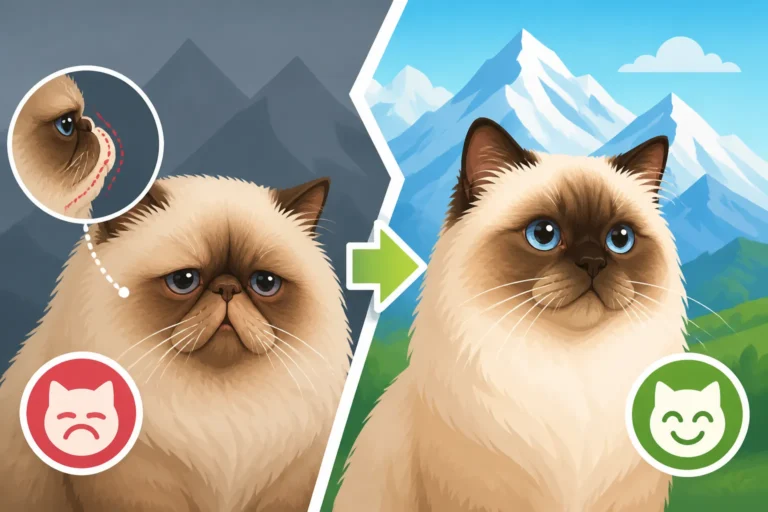
The Doll Face Himalayan, sometimes referred to as the "traditional" or "classic" Himalayan, possesses a facial structure that more closely resembles that of its ancestral Persian forebears before selective breeding began emphasizing the extreme flatness. This means they have a more prominent muzzle, a gently sloped nose, and less pronounced "breaks" in their profile. For many, this look is incredibly appealing, evoking a timeless, softer beauty. It’s a face that whispers of elegance without the sometimes-startling flatness found in other types.
Beyond the sheer visual appeal, the Doll Face profile is often associated with a host of practical benefits that contribute to its premium pricing. Owners report fewer issues with breathing, less tear staining because tear ducts aren't as compressed, and generally easier maintenance. This perception of better health and easier care is a huge draw for families who want to enjoy their companion without constant worry about specialized health needs. It's about finding a balance between that gorgeous long coat and point coloration, and a face that functions as nature intended.
When you see a picture of a Doll Face Himalayan, you’re looking at a cat whose profile has a gentle curve from the forehead down to the tip of its nose. The eyes are still large and round, characteristic of the breed, but they sit within a more open facial structure. This translates to more open nostrils and less crowding in the nasal passages, which can make a world of difference in the cat's quality of life. Many breeders who prioritize health and a classic look will specifically breed for this profile, understanding its value to discerning owners.
The Distinct Characteristics of the Peke Face
In contrast, the Peke Face Himalayan, also known as the "ultra-typed" or "show-type" Himalayan, features a significantly flatter face. This profile is characterized by a "break" or indentation between the eyes, a very short nose that often appears almost recessed, and wide-set eyes. The Peke Face name comes from its resemblance to the Pekingese dog, which shares a similar brachycephalic (short-nosed) structure. This look became highly prized in cat shows for a period, influencing breeding trends to achieve increasingly extreme flatness.
While undeniably striking and often celebrated in the show ring, the Peke Face comes with its own set of challenges. The extreme brachycephaly can lead to a range of health concerns, including Stenotic Nares (pinched nostrils), elongated soft palates, and dental overcrowding. These issues often necessitate specialized care, more frequent vet visits, and sometimes even surgical interventions to improve breathing. The aesthetic is unique and certainly has its ardent admirers, but it's important for potential owners to understand the potential trade-offs.
A Peke Face Himalayan will have a nose that is very short, almost pushed back into the face, with the top of the nose leather often sitting level with the lower eyelids. This compression impacts the entire facial structure, leading to more prominent tear staining, as the tear ducts are often kinked or obstructed. You might also notice a distinct snoring sound from a Peke Face Himalayan, even when they're wide awake, which is often a direct result of their narrowed airways. Understanding What a Peke Face Himalayan's Profile Measures is key to recognizing these characteristics.
Historical Context: Why Faces Changed
The Himalayan breed itself was a deliberate creation, a hybrid between the Persian and the Siamese, designed to combine the Persian's luxurious coat and docile temperament with the Siamese's striking blue eyes and point coloration. Initially, the early Himalayans had a more traditional, "doll-faced" appearance, much like the Persians of that era. However, as cat shows gained popularity and specific breed standards evolved, there was a growing trend to exaggerate certain features, particularly in the Persian and its derivatives, including the Himalayan.
During the mid-20th century, the "Peke Face" or "ultra-typed" look became increasingly dominant in the show circuit. Judges and breeders began to favor cats with extremely flat faces, considering this a hallmark of refinement and breed purity. This pushed breeders to selectively breed for these more extreme features, often without a full understanding of the health implications. The focus was on achieving a "wall of brick" face, where the nose, chin, and forehead aligned on a single plane, creating a very distinct and often controversial silhouette.
However, over time, concerns about the health and welfare of these ultra-typed cats grew. Veterinary professionals began to highlight the severe breathing difficulties, eye issues, and dental problems associated with extreme brachycephaly. This led to a resurgence of interest in the traditional, Doll Face look, driven by a desire for healthier animals and a more classic aesthetic. Many breeders now consciously work to preserve the Doll Face profile, recognizing its importance for the cat's overall well-being and the preference of many pet owners who prioritize health. Understanding Why Show Himalayans Drifted Toward the Flatter Face helps shed light on this historical evolution.
The Impact of Breed Standards and Registries
The fascinating and sometimes confusing world of cat registries plays a significant role in how Himalayans are classified, judged, and ultimately, priced. Depending on which organization you look at, a Himalayan might be considered a distinct breed or a variation of another. This impacts breeding goals, show standards, and the value placed on specific physical traits, including facial structure. For a prospective owner, navigating these distinctions is crucial to understanding why certain profiles, like the Doll Face, carry a premium.
CFA's Role in the Himalayan/Persian Debate
The Cat Fanciers' Association (CFA), one of the largest and most influential cat registries in the world, has a particularly interesting history with the Himalayan. While the Himalayan was initially recognized as a separate breed in 1957, CFA made a significant decision in 1984 to integrate the Himalayan into the Persian breed as a "Colorpoint Persian" division. This meant that, under CFA rules, a Himalayan is essentially a Persian cat with the pointed coloration pattern of a Siamese.
This reclassification had profound effects on breeding practices and perceptions. Breeders aiming for CFA show titles had to align their Himalayans with the Persian standard, which at the time (and still largely does) favored the flatter, more extreme facial type. While CFA recognizes both "traditional" and "extreme" faces within the Persian breed, the show ring often leaned heavily towards the extreme. This indirectly put pressure on Himalayan breeders to produce flatter-faced cats to be competitive, even if it wasn't the original intent of the Himalayan breed creators. Understanding Why CFA Folded the Himalayan Into the Persian in 1984 helps clarify this historical shift. For a time, this meant Doll Face Himalayans, while perhaps healthier, were less likely to win top honors in CFA shows, potentially affecting their perceived value among some segments of the breeding community.
TICA and the Separate Himalayan Identity
In contrast to CFA, The International Cat Association (TICA) maintains the Himalayan as a distinct breed of its own. TICA was founded in 1979 and often prides itself on having more flexible and modern standards compared to some older registries. By recognizing the Himalayan as a separate entity, TICA allows for a breed standard that can more independently define the ideal Himalayan, without being entirely bound by the Persian standard. This distinction offers a different perspective for breeders and owners.
For TICA-registered Himalayans, the emphasis on facial structure might differ. While TICA's standard still recognizes the Persian influence, its separate classification can potentially foster an environment where a broader range of facial types is appreciated, or where health considerations might be more explicitly weighted in the standard. This separate identity provides a valuable alternative for breeders who prefer to maintain the Himalayan as distinct from the Persian and perhaps to focus on characteristics that align more with the Doll Face profile. TICA still registers the Himalayan as a breed of its own, offering a clear path for those who champion its unique heritage.
How Standards Influence Desirability
The breed standard, as defined by a registry, is essentially the blueprint for what an "ideal" cat of that breed should look like. These standards dictate everything from coat length and color to eye shape and, crucially for Himalayans, facial structure. When a standard heavily favors an extreme trait, like a very flat face, breeders who wish to be competitive in shows will strive to produce kittens with those characteristics. This creates a market dynamic where kittens meeting the "show standard" might be highly sought after and command a premium, at least within the show community.
However, outside the show ring, the general pet-owning public often has different priorities. Many pet owners prioritize health, ease of care, and a more "natural" look over extreme conformational traits. The increasing awareness of brachycephalic health issues has led to a growing demand for cats with more open facial structures, like the Doll Face Himalayan. This means that while a Peke Face might be a show winner, a Doll Face often becomes the "premium pet" in terms of buyer demand and, consequently, price. The desire for a pet with fewer potential health complications often outweighs the allure of a show champion's extreme features, leading to a premium price for the Doll Face. Ultimately, How the Himalayan Standard Divides Its Points can influence not just judging, but also the value placed on different aspects of the cat's appearance.
Why "Doll Face" Carries a Higher Price Tag
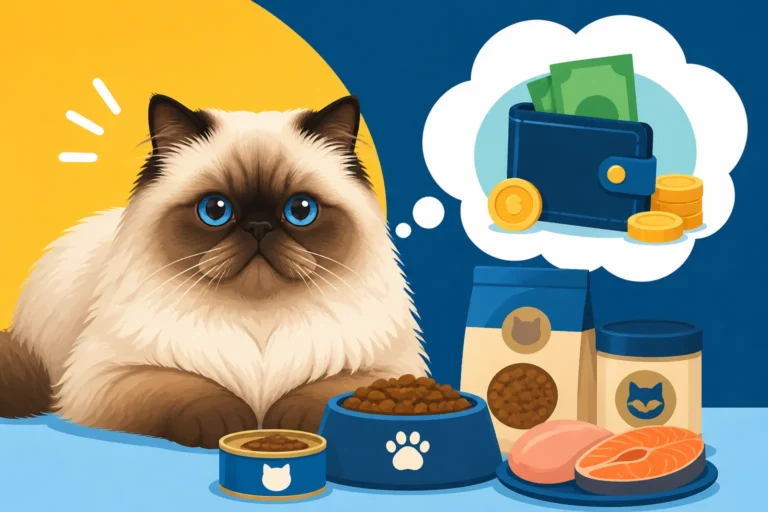
When you're comparing Himalayan kittens, the "Doll Face" designation often comes with a noticeable bump in price. It's not just a whimsical label; it reflects a combination of factors driven by market demand, perceived health benefits, and the increasing preference for a more traditional aesthetic. Understanding these underlying reasons can help prospective owners appreciate the value proposition of a Doll Face Himalayan.
Perceived Health Benefits and Buyer Preference
One of the primary drivers behind the premium price for Doll Face Himalayans is the widespread perception of superior health. While any breed can have health issues, the Doll Face profile, with its more open nostrils and less compressed facial structure, is generally associated with fewer respiratory problems. Owners often report that Doll Face Himalayans breathe more easily, snore less, and are less prone to overheating, especially during warmer months. This directly translates to less potential stress and fewer veterinary bills down the line, a significant concern for any pet owner.
The difference in tear staining is another big factor. Peke Face Himalayans often have severe tear staining due to compressed tear ducts, requiring daily cleaning and specialized products. A Doll Face, with its better tear drainage, tends to have minimal staining, making daily grooming much simpler. This perceived ease of care and reduced likelihood of common brachycephalic issues makes the Doll Face highly desirable. People are willing to pay more upfront for the peace of mind that comes with a cat believed to have fewer health challenges. It's an investment in the cat's long-term well-being and the owner's financial and emotional peace of mind.
Furthermore, many buyers are simply looking for a pet that can lead a comfortable, active life within its breed's limitations. They want a cat that can play without quickly becoming winded, eat without struggle, and simply breathe easily. The Doll Face Himalayan fits this desire more closely for many, leading to higher demand. This shift in buyer preference towards health and functional comfort over extreme show type has steadily driven up the price for cats exhibiting the more traditional facial features.
Rarity and Breeding Difficulty
While the Peke Face became prevalent in show lines for a period, breeding for a true Doll Face profile that also meets other breed standards can actually be more challenging. It requires breeders to specifically select for genes that produce the classic, unexaggerated facial structure, often going against the historical trend of extreme typing. This sometimes means carefully selecting breeding pairs, potentially from older lines or those specifically developed to retain the Doll Face. In some breeding circles, a truly well-typed Doll Face that still boasts excellent coat, color, and temperament can be considered rarer than its Peke Face counterpart.
The effort involved in maintaining healthy, well-structured Doll Face lines also contributes to the cost. Responsible breeders invest heavily in health testing, selective breeding, and providing excellent care for their breeding cats and kittens. They might need to bring in new lines to ensure genetic diversity while preserving the desired facial features. This isn't just about throwing two cats together; it's a dedicated scientific and artistic endeavor. A breeder committed to preserving the Doll Face will spend more time researching pedigrees, ensuring proper conformation, and often has fewer litters, making each kitten more valuable.
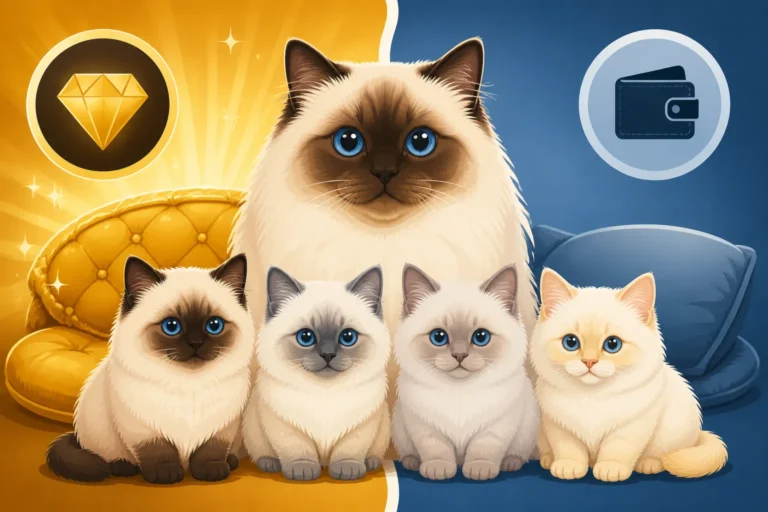
The market for Doll Face Himalayans has seen an uptick as more people become educated about brachycephalic health concerns. This increased demand for a potentially "rarer" or more selectively bred type naturally drives prices higher. If a breeder has a reputation for consistently producing beautiful, healthy Doll Face Himalayans, they will undoubtedly have a waiting list, and their kittens will command a premium. It's a classic supply and demand scenario, where quality and desirable traits influence value. Why a Doll Face Himalayan Is Priced Apart clearly shows this market trend.
The Aesthetic Appeal and Nostalgia Factor
Beyond health and rarity, there's an undeniable aesthetic and nostalgic appeal to the Doll Face Himalayan that resonates deeply with many cat lovers. This profile is reminiscent of the Himalayans and Persians of yesteryear, the cats depicted in classic paintings or early breed books. It evokes a sense of timeless beauty, a softer, more universally appealing look that some find less severe than the extreme Peke Face. For many, it's simply the quintessential "pretty cat" face, charming and approachable.
This aesthetic preference isn't just about looks; it's often tied to the overall character and expression of the cat. The more open face of a Doll Face Himalayan allows for a wider range of feline expressions, making it easier for owners to "read" their cat's mood and engage with them emotionally. The lack of constant tear staining also means a cleaner, more radiant face, enhancing their beauty. This contributes to the emotional bond owners feel, making the initial investment feel more worthwhile.
Furthermore, the Doll Face has become a symbol of responsible breeding for many. As public awareness of ethical breeding practices grows, many prospective owners actively seek out breeders who prioritize health and a more moderate conformation. Choosing a Doll Face Himalayan can be seen as a vote for responsible breeding and a commitment to animal welfare. This aligns with a growing segment of the market that is willing to pay more for pets from breeders who demonstrate this commitment, thus reinforcing the premium price.
Health Considerations and Their Financial Implications
No matter how beautiful a Himalayan is, understanding the potential health considerations associated with its facial structure is paramount. These aren't just minor inconveniences; they can significantly impact a cat's quality of life and an owner's financial outlay over the cat's lifespan. The differences between Doll Face and Peke Face Himalayans are particularly stark when it comes to health, directly influencing pricing and ownership costs.
Breathing and Brachycephalic Airway Syndrome
The most significant health concern associated with the flatter, Peke Face profile is Brachycephalic Airway Syndrome (BAS). This is a collection of anatomical abnormalities that can obstruct the upper airway, making breathing difficult. Common issues include stenotic nares (pinched nostrils), an elongated soft palate that can block the airway, and everted laryngeal saccules (tissue that gets pulled into the airway during breathing). These conditions can range from mild snoring and snorting to severe respiratory distress, especially during exercise, stress, or in warm weather. You can often hear Why a Himalayan Snores Louder Than Its Siamese Ancestors due to these issues.
A Doll Face Himalayan, with its more traditional muzzle length and open nostrils, generally experiences far fewer, if any, of these respiratory challenges. Their airways are less compressed, allowing for easier air intake and exhalation. This means less noisy breathing, a lower risk of overheating, and a generally more comfortable existence for the cat. While a Doll Face can still snore occasionally, it's typically much less pronounced and less indicative of a severe underlying issue.
The financial implications of BAS can be substantial. Cats with severe BAS may require surgery to correct pinched nostrils or shorten an elongated soft palate, procedures that can be costly. Even without surgery, ongoing management can include air conditioning in summer, careful monitoring during play, and potentially specialized diets. Owners of Doll Face Himalayans typically face fewer of these concerns, leading to lower potential vet bills related to respiratory health. Investing in a healthy kitten upfront can save significant money and heartache later on.
Eye and Dental Care for Different Face Types
Beyond breathing, the facial structure of Himalayans also dictates the type and frequency of eye and dental care needed. Peke Face Himalayans are notoriously prone to excessive tearing and tear staining. Their flat faces often mean their tear ducts are kinked or too narrow, preventing proper drainage. The tears then spill over onto the fur, creating dark, damp streaks that can lead to skin irritation and infections if not meticulously cleaned daily. Their prominent eyes can also be more susceptible to injury or irritation because they are less recessed and more exposed.
Doll Face Himalayans, conversely, tend to have less severe tear staining due to a better-positioned and more functional tear duct system. While some minimal cleaning might still be needed due to their long fur, it's usually not the intense daily regimen required for a Peke Face. This means less time spent on grooming and fewer costs associated with specialized eye wipes or solutions. Understanding Why a Himalayan's Eyes Water All Day is important for all owners, but especially those with flatter-faced cats.
Dental health is another area where facial structure plays a critical role. The shortened jaw of a Peke Face Himalayan often results in dental overcrowding and malocclusions (improper bite). This can lead to food getting trapped between teeth, increased plaque and tartar buildup, gum disease, and early tooth loss. Such issues necessitate more frequent professional dental cleanings under anesthesia, and potentially extractions, all of which are expensive procedures. A Doll Face Himalayan typically has a more normal jaw structure, allowing for better tooth alignment and generally healthier gums, though all long-haired breeds benefit from regular dental care. Brands like Chewy offer a wide range of dental care products, but a Doll Face's natural structure might require less intervention.
Long-Term Vet Costs and Insurance Considerations
When you factor in the potential for ongoing health issues associated with extreme facial types, the long-term veterinary costs for a Peke Face Himalayan can quickly eclipse the initial purchase price. From routine eye cleanings to potential respiratory surgeries, dental work, and even just more frequent check-ups to monitor their condition, these expenses add up. This is a significant consideration that contributes to why many are willing to pay a premium for a Doll Face, hoping to mitigate these future costs.
Pet insurance is a wise investment for any cat owner, but it becomes even more critical for breeds with known predispositions to health issues. While pet insurance providers like Healthy Paws can help cover unexpected illnesses and accidents, many policies have exclusions for pre-existing conditions or breed-specific conditions that are considered congenital or hereditary. If you adopt a Peke Face Himalayan, and it develops brachycephalic-related problems, you'll need to carefully review policy terms to understand what might be covered.
For Doll Face Himalayans, while they still benefit immensely from insurance, the likelihood of extensive claims related to severe facial structure issues might be lower. This doesn't mean they are immune to health problems, but it speaks to the general expectation of fewer structure-related complications. This perceived reduction in long-term health risks and associated costs makes the Doll Face an attractive, and thus higher-priced, option for many families. It's about weighing the initial investment against the potential for significant ongoing financial burdens.
Responsible Breeding Practices for Doll Face Himalayans
The premium price tag on a Doll Face Himalayan isn't just about their looks or perceived health; it's also a reflection of the dedicated and often costly efforts of responsible breeders. These breeders prioritize the health, temperament, and adherence to a moderate breed standard, which requires significant investment of time, knowledge, and resources. When you pay more for a Doll Face, you're often paying for the quality and integrity of the breeding program behind that kitten.
Genetic Health Testing and Pedigree Transparency
One of the cornerstones of responsible breeding is comprehensive genetic health testing. For Himalayans, this primarily includes testing for Polycystic Kidney Disease (PKD) and Progressive Retinal Atrophy (PRA). PKD, which came from the Persian side of the Himalayan lineage, can cause kidney cysts that eventually lead to kidney failure. PRA can lead to blindness. Reputable breeders will test all their breeding cats to ensure they are clear of these genetic diseases, preventing them from being passed down to kittens. This testing is not inexpensive, and it's a critical investment in the health of future generations.
A breeder offering a Doll Face Himalayan at a premium price should be fully transparent about their breeding cats' health test results. They should be able to provide documentation, such as Which Two Certificates a Himalayan Breeder Owes You and How to Read a Himalayan's PKD Certificate. This transparency ensures that you are buying a kitten from a line that has been screened for serious hereditary conditions, significantly reducing your risk as an owner. This level of due diligence adds to the breeder's costs, which are then reflected in the kitten's price.
Furthermore, responsible breeders maintain detailed pedigrees, tracing their cats' ancestry back several generations. This allows them to avoid close inbreeding, identify potential health risks in the lineage, and make informed decisions about breeding pairs. For Doll Face Himalayans, this also means carefully selecting lines that consistently produce the desired facial structure without compromising health. The meticulous record-keeping and strategic planning involved are a testament to the breeder's commitment, justifying the higher cost.
Ethical Breeding for Structure and Temperament
Beyond genetic health, ethical breeders also focus heavily on breeding for proper structure and excellent temperament. For a Doll Face Himalayan, this means ensuring that the cat embodies the balanced, classic profile while still meeting other breed standards for coat quality, point coloration, and body type. It's about creating a well-rounded animal that is not only beautiful but also anatomically sound and comfortable in its own skin. This often means foregoing extreme features that might be prized in some show circles in favor of overall health and function.
Temperament is equally vital. Responsible breeders work to ensure their breeding cats have sweet, docile, and affectionate personalities—traits that Himalayans are cherished for. Kittens are raised in a clean, stimulating home environment, where they are socialized from a young age with people, sounds, and other pets. This early socialization is crucial for developing well-adjusted, confident adult cats. This hands-on, nurturing approach requires considerable time, effort, and resources, and it directly contributes to the kitten's quality and, therefore, its price.
An ethical Doll Face breeder isn't just selling a cat; they are selling a companion that has been carefully bred and lovingly raised to be a wonderful family member. They will also provide extensive support to new owners, offering advice on care, nutrition, and common kitten behaviors. This ongoing relationship and commitment to their kittens throughout their lives is an invaluable service that is factored into the premium price.
The Investment in a Well-Bred Kitten
Ultimately, the premium price of a Doll Face Himalayan from a responsible breeder represents an investment in quality. It reflects the cost of health testing, quality nutrition for breeding cats and kittens, veterinary care, proper housing, genetic research, and the immense time and effort dedicated to raising healthy, well-socialized kittens. These breeders aren't cutting corners; they are doing everything possible to produce the best possible feline companions.
Compare this to a kitten from a "backyard breeder" or a pet store, where the initial price might be lower, but the history of health testing is often non-existent, and the breeding practices may be questionable. These cheaper kittens often come with unknown genetic predispositions and poor socialization, leading to potentially much higher veterinary bills and behavioral challenges down the road. The true "cost" of a cheap kitten can quickly far exceed that of a responsibly bred one.
Choosing a Doll Face Himalayan from a reputable breeder is an investment in a healthier, happier cat that is more likely to live its full The Nine to Fifteen Years a Himalayan Usually Gets with fewer complications. While the upfront cost may seem higher, it's often a saving in the long run, both financially and emotionally. It's about recognizing the value of a well-started life and supporting breeders who are genuinely committed to the welfare of their animals.
Beyond the Face: Other Factors Influencing Price
While the Doll Face profile is a significant factor in a Himalayan's premium price, it's certainly not the only one. Several other elements contribute to how a breeder prices their kittens, from the specific colors and patterns of their points to the breeder's reputation and even geographic demand. Understanding these additional variables helps complete the picture of Himalayan pricing.
Point Color and Pattern Rarity
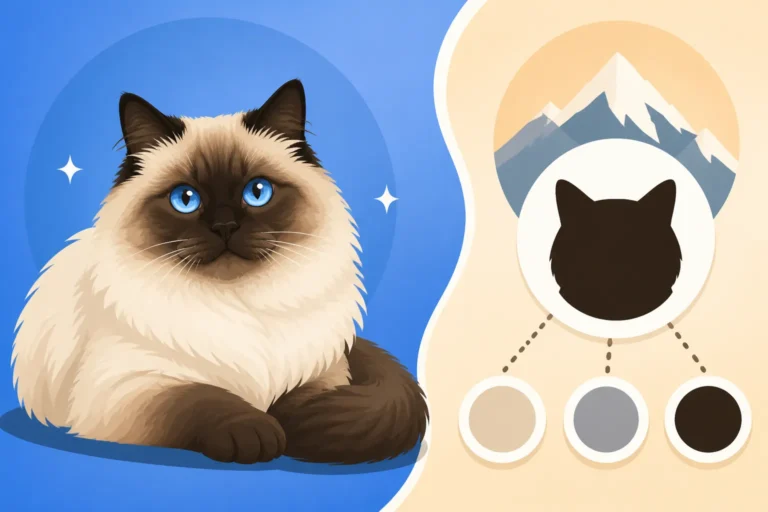
Himalayans are renowned for their striking point coloration, a trait inherited from their Siamese ancestors. These "points" refer to the darker coloration on their ears, face mask, paws, and tail, contrasting with a lighter body coat. Within the point colors, there's a hierarchy of rarity and desirability that can influence price. Classic colors like Seal Point (dark brown/black points) and Blue Point (slate grey points) are common and consistently popular. However, rarer colors like Chocolate Point, Lilac Point, Flame Point (red), or Cream Point can sometimes command a higher price due to their scarcity.
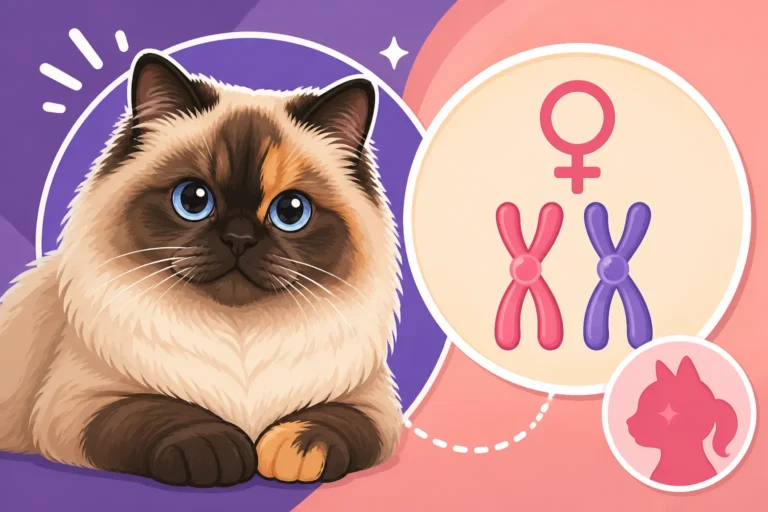
For instance, a true Chocolate Point Himalayan, with its rich, warm brown points, is genetically more challenging to produce and can be less common than a Seal Point. Similarly, the delicate, pale tones of a Lilac Point often fetch a premium. Furthermore, specific patterns like Lynx Point (tabby stripes within the points) or Tortie Point (patches of red/cream within the points, almost exclusively in females) are also highly sought after. Which Point Colors Carry a Himalayan Premium can vary, but generally, anything that's less commonly seen will often be priced higher due to demand.
Breeders who specialize in these rarer colors and patterns invest significant time and effort in genetic planning to achieve them consistently. This might involve importing specific lines or carefully tracking color genetics over multiple generations. The more precise the breeding required to produce a specific, rare color and pattern combination, the higher the price for the resulting kitten. This is a factor entirely separate from facial type but contributes just as much to the kitten's overall value.
Breeder Reputation and Cattery Standards
A breeder's reputation is a powerful determinant of kitten prices. Breeders with a long-standing history of producing healthy, well-socialized, beautiful Himalayans—especially those known for their Doll Face lines—will naturally have higher prices. This reputation is built on years of ethical practices, successful health testing, exceptional kitten care, and a consistent track record of satisfied owners. They invest heavily in their cattery, from veterinary care and premium nutrition to spacious, clean environments and stimulating enrichment for their cats.
The quality of a cattery directly impacts the quality of the kittens. A reputable breeder will have clean facilities, offer a safe and stimulating environment for their cats, and ensure all animals are well-fed, regularly groomed, and receive prompt veterinary attention. They will also be transparent about their practices, welcome questions, and often have a waiting list for their kittens. This level of care and professionalism isn't cheap, and it's reflected in the price. They stand behind their kittens with health guarantees and offer ongoing support to new owners, which is invaluable.
Conversely, a breeder who offers kittens at a significantly lower price might be cutting corners on health testing, nutrition, or environmental quality. These are often the "backyard breeders" or large-scale operations focused on quantity over quality. While the initial cost is lower, the potential for future problems is much higher. The peace of mind that comes from knowing your kitten was raised in a healthy, loving, and professionally managed environment is part of the premium paid to a reputable breeder.
Geographic Location and Demand
The price of a Himalayan kitten can also be influenced by geographic location and the local demand for the breed. In areas where Himalayans are particularly popular or where there are fewer reputable breeders, prices tend to be higher. A breeder in a high-demand urban area might charge more than one in a rural area with less local competition, even for similarly quality kittens. Similarly, if a region has a strong preference for Doll Face Himalayans, breeders in that area focusing on that profile will find their kittens in high demand.
Shipping costs and travel expenses can also factor into the overall price, especially if you're looking for a specific type of Himalayan (like a Doll Face) that isn't readily available in your immediate vicinity. Sometimes, finding the right kitten means traveling to another state or arranging for specialized pet transport, adding to the total expense. Breeders often price their kittens with consideration for their local market, the cost of living, and the prevailing demand.
The seasonality of kitten availability can also play a minor role. While cats can breed year-round, there might be peak seasons for litters, and high demand during these times can slightly influence pricing. Ultimately, if you are looking for a specific combination of traits—like a Doll Face, a rare point color, and a kitten from health-tested lines—you might need to expand your search geographically, which can indirectly affect the final cost. Always consider Why a Himalayan Waitlist Depends on Point Color as well, as this directly relates to demand.
Making an Informed Decision for Your Himalayan Companion
Choosing a Himalayan cat, especially when navigating the nuances of facial types and pricing, is a significant decision. It's about bringing a new family member into your home, and that choice should be driven by more than just initial aesthetics or cost. Making an informed decision means prioritizing health, doing your homework, and preparing for the lifelong commitment that comes with owning one of these magnificent felines.
Prioritizing Health Over Aesthetics
While the beauty of both Doll Face and Peke Face Himalayans is undeniable, the most responsible approach is to prioritize the cat's long-term health and welfare above all else. A kitten that is structurally sound and free from debilitating genetic conditions will ultimately be a happier, more comfortable pet, and a source of less worry and expense for you. This is why the Doll Face, with its generally more open airway and less prone to chronic issues, often commands its premium. It’s a reflection of its potential for a higher quality of life.
Consider the daily reality of caring for a cat with potential health issues. Will you be able to manage daily tear stain cleaning, administer eye drops, or take your cat for frequent vet visits? Are you prepared for the possibility of expensive surgeries to improve breathing or dental health? These are not minor considerations. Choosing a cat with a more moderate facial structure can significantly reduce the likelihood of these challenges, allowing you to focus on the joy of companionship rather than constant medical management.
This doesn't mean that Peke Face Himalayans cannot lead full and happy lives; many do, thanks to dedicated owners and vigilant veterinary care. However, it requires a conscious understanding of and commitment to those potential extra needs. When weighing your options, ask yourself what kind of daily care you are prepared to provide and what level of health risks you are comfortable taking on. Opting for a Doll Face often means choosing a path with fewer potential hurdles, hence its higher value.
Researching Breeders Thoroughly
Regardless of whether you choose a Doll Face or Peke Face, thorough research into breeders is absolutely critical. This is where your investment truly begins to pay off. Don't just look for a breeder who offers the specific facial type or color you desire; look for one who demonstrates an unwavering commitment to health, ethics, and responsible practices. A good breeder will be transparent, knowledgeable, and genuinely care about the welfare of their cats and kittens.
Start by asking questions—lots of them! Inquire about their health testing protocols for PKD, PRA, and any other relevant genetic conditions. Ask to see the health certificates of the parent cats. Discuss their socialization practices, the environment in which the kittens are raised, and the kitten's diet. A reputable breeder will welcome your questions and be eager to educate you. They should also ask you questions, as they want to ensure their kittens go to good, prepared homes. A breeder who readily discusses their preferred high-quality foods is often a good sign.
Visiting the cattery in person (if possible) is ideal. Observe the cleanliness, the temperament of the adult cats, and how the kittens interact. If an in-person visit isn't feasible, ask for video calls or extensive photos. A responsible breeder will have a comprehensive contract outlining health guarantees, return policies, and neuter/spay agreements. They will also provide you with a detailed pedigree. Remember, the cheapest kitten is rarely the best value in the long run. Seek out breeders with solid reputations, even if it means paying a premium for a Doll Face Himalayan.
Preparing for the Lifelong Commitment
Bringing a Himalayan into your home is a commitment that can last 15 years or more. This means preparing for the financial, emotional, and time investments required for their entire lifespan. Beyond the initial purchase price, you'll need to budget for high-quality food, grooming supplies (like the daily comb for their magnificent long coats), annual veterinary check-ups, vaccinations, and potential unexpected medical expenses. Pet insurance, like that offered by Healthy Paws, can certainly help manage the latter, but it's another monthly cost to consider.
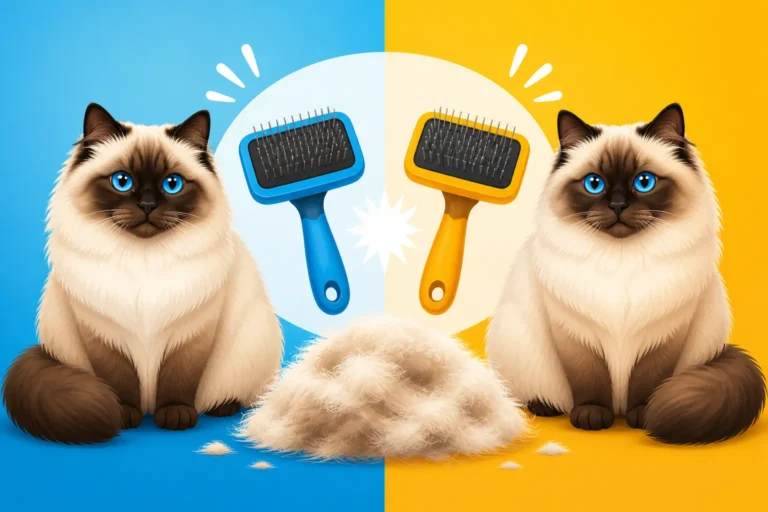
Himalayans, especially Doll Face ones, are generally laid-back, affectionate companions, but they do require consistent daily grooming to prevent mats in their luxurious coats. Their faces also need regular cleaning, even if it's less intense for a Doll Face. You'll need to dedicate time each day to combing and face care. Understanding What Daily Combing Costs a Himalayan Owner in Time is essential.
Think about how a Himalayan will fit into your lifestyle. They are typically indoor cats who thrive on routine and companionship. While generally quiet, they love to be near their people and enjoy gentle play. A Doll Face Himalayan, with its healthier predispositions, is more likely to engage in play without quickly becoming winded, offering a more active companionship experience. Taking the time to prepare and understand the full scope of Himalayan ownership ensures a happy and healthy life for both you and your cherished feline friend.
| Feature | Doll Face Himalayan (Traditional) | Peke Face Himalayan (Extreme) |
|---|---|---|
| Profile | Rounded skull, prominent muzzle, gentle nose slope. | Very flat face, pronounced "break" between eyes, recessed nose. |
| Nostrils | Generally open and wide, allowing for easy breathing. | Often pinched (stenotic nares), restricting airflow. |
| Tear Ducts | Generally functional, less prone to excessive tearing/staining. | Often kinked/compressed, leading to severe tear staining and dampness. |
| Breathing | Typically quiet, less prone to snoring/respiratory distress. | Often noisy (snoring, snorting), higher risk of Brachycephalic Airway Syndrome. |
| Dental Health | More normal jaw alignment, less dental overcrowding. | Shortened jaw, high incidence of crowded teeth, malocclusions. |
| Grooming | Daily coat care; face cleaning often minimal to moderate. | Daily coat care; intensive daily face cleaning for tear stains. |
| Health Risks | Lower risk of respiratory, eye, and severe dental issues. | Higher risk of respiratory, eye, and severe dental issues. |
| Initial Cost | Often commands a premium due to perceived health and classic aesthetic. | Can vary; some show lines are premium, but sometimes lower if health not prioritized. |
| Long-Term Costs | Generally lower veterinary costs related to facial structure. | Potentially higher veterinary costs for managing brachycephalic issues. |
Disclaimer
This article is for general informational purposes only and does not constitute professional advice. Laws, prices and regulations vary by location and change over time. Consult a qualified professional for guidance on your specific situation.