Why a Himalayan Waitlist Depends on Point Color
Finding the perfect Himalayan kitten can sometimes feel like searching for a needle in a haystack, especially when you have a specific vision in mind for your new furry family member. Many prospective owners get a bit of a shock when they discover that the waitlist for a Himalayan kitten isn't a single, uniform line, but often branches out depending on something as fundamental as its point color. This can be incredibly frustrating when you're ready to open your home and heart, only to find that the beautiful lilac point you’ve dreamed of might mean waiting significantly longer than if you were open to a classic seal point. This guide will walk you through exactly why point color plays such a pivotal role in the availability and wait times for Himalayan kittens, helping you understand the complexities of breeding and how to navigate the journey to bringing your ideal companion home.
The Allure of Himalayan Point Colors
The defining feature of a Himalayan cat, beyond its luxurious Persian-like coat and sweet temperament, is undoubtedly its striking "pointed" coloration. These cats possess a unique genetic trait that results in darker pigmentation on the cooler extremities of their body – their ears, face mask, paws, and tail – contrasting beautifully with a paler body coat. It’s this captivating visual that draws so many to the breed, and naturally, people develop favorites among the stunning palette of colors available.
Understanding the Pointed Gene
At the heart of every Himalayan's distinctive appearance is a temperature-sensitive albinism gene. It's truly fascinating when you think about it! This gene only allows pigment to develop in cooler areas of the body, which is why every single Himalayan kitten is born almost entirely white. Imagine that! They spend their time snuggled in their mother's warm womb, so their tiny bodies are too warm for the color to express itself. It's only after they're born and exposed to cooler ambient temperatures that their points begin to gradually darken. You can actually witness this magic unfold as the weeks go by. How Many Weeks Before a Himalayan Kitten's Points Show is a great resource if you want to dive deeper into this transformation. The intensity and exact shade of these points are then determined by specific color genes, creating the wonderful variety we see. This genetic dance means that breeding for a particular point color isn't always as simple as picking two parents with that color; sometimes, the genetics are recessive, meaning a breeder needs both parents to carry the gene for it to show up in the kittens.
The Spectrum of Standard Point Colors
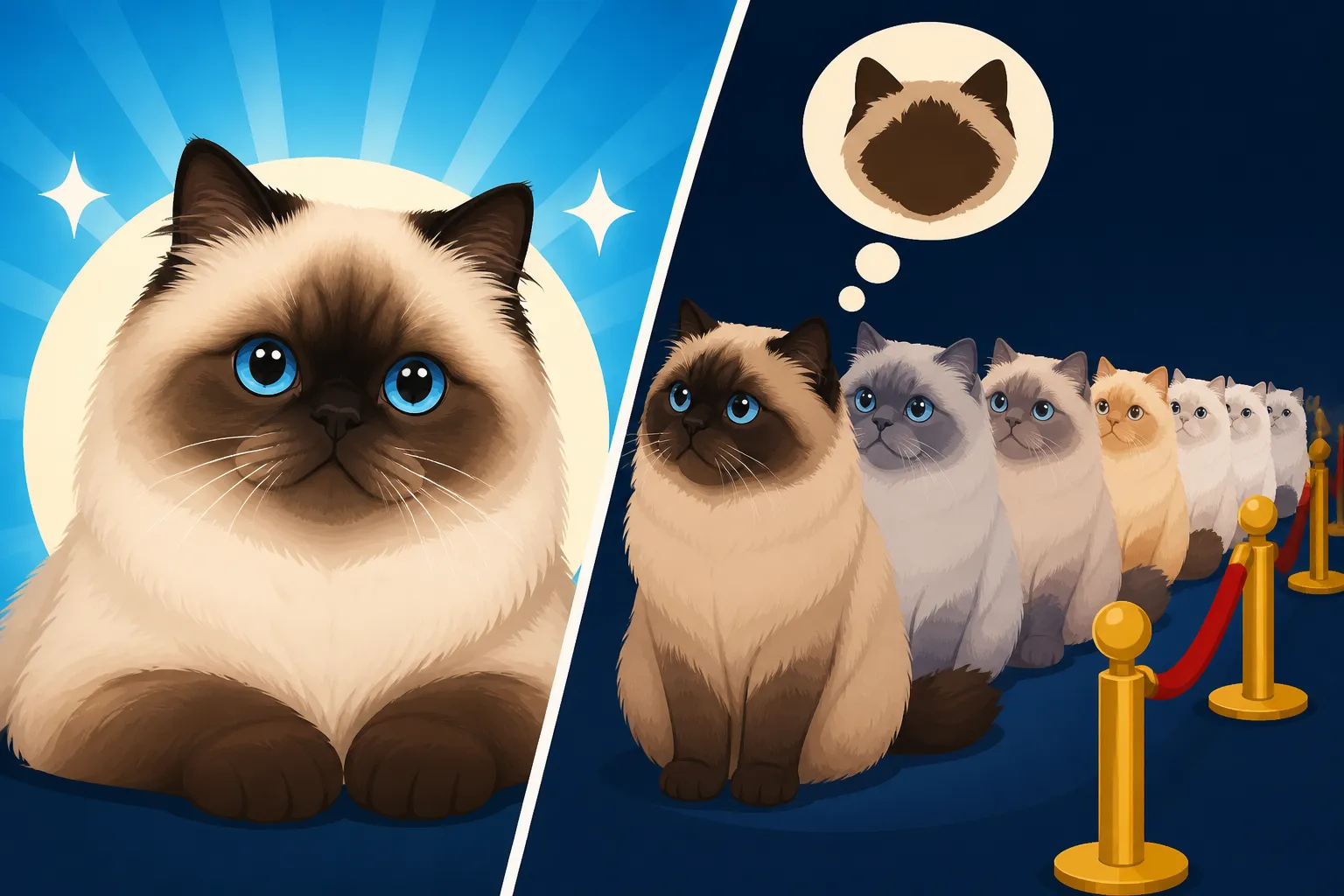
The Himalayan breed boasts a truly breathtaking array of point colors, each with its own charm and appeal. The most common and widely recognized include Seal Point, which features a rich, dark brown, almost black, on the points against a fawn to cream body. Then there's the elegant Blue Point, characterized by slate gray points with a bluish cast on a cooler white body. Chocolate Point offers a warm, milk-chocolate brown, while Lilac Point is a delicate, pinkish-gray, often described as a frosty lavender. You also find Flame Point (or Red Point), with striking orange-red points, and Cream Point, which presents as a softer, lighter orange or buff. Beyond these solids, you might encounter Tortie Points, which are typically female and display patches of red or cream within their darker points, and Lynx Points (or Tabby Points), which show distinct tabby stripes on their points. Each color brings a different personality to the overall look of the cat, and it's easy to see why prospective owners fall in love with specific shades, often leading to varied demand.
Supply and Demand: How Point Color Impacts Availability
The reason you might find yourself waiting longer for a lilac point than a seal point often boils down to the simple economics of supply and demand, heavily influenced by the complexities of cat genetics. Certain colors are inherently rarer to produce, while others enjoy a surge in popularity, creating bottlenecks in availability.
The Rarity Factor: Chocolate and Lilac Points
Chocolate and Lilac points are arguably the trickiest and, therefore, often the rarest colors to produce in a Himalayan litter. The genes for these colors are recessive, meaning a kitten needs to inherit a copy of the chocolate or lilac gene from both parents to express that color. If one parent carries the gene but doesn't express it, and the other doesn't carry it at all, you won't get a chocolate or lilac kitten from that pairing. This makes breeding for them a deliberate and often lengthy process. Breeders must carefully select parent cats that are known to carry these recessive genes, sometimes through generations of tracking pedigrees or genetic testing. The smaller number of breeding cats carrying these specific recessive genes means fewer kittens are born in these shades each year, inevitably leading to longer waitlists for hopeful owners. It’s a testament to the breeder's dedication that these stunning, less common colors are available at all, and prospective owners understand that this exclusivity often comes with a premium, as discussed in Which Point Colors Carry a Himalayan Premium.
Popularity Contests: Seal and Blue Points
On the flip side, Seal Points and Blue Points tend to be more commonly seen and are perennial favorites among Himalayan enthusiasts. The genes for black (which creates seal point) and blue (a dilute of black) are more dominant or widespread in the Himalayan gene pool, making them easier for breeders to produce consistently. This doesn't mean they are less beautiful or desirable; in fact, the classic appeal of a deep Seal Point mask or the serene elegance of a Blue Point often means demand for these colors is consistently high. Many people associate these traditional colors directly with the Himalayan breed, making them a popular first choice. While more readily available than their rarer counterparts, the sheer volume of people seeking a Seal Point or Blue Point can still result in a significant wait. For those interested, comparing What a Seal Point Himalayan Sells For versus What a Blue Point Himalayan Sells For can give you an idea of the market, though price isn't the only factor impacting wait times.
The Art of Breeding for Specific Points
Breeding Himalayans for specific point colors is truly an art form that requires deep genetic understanding and meticulous planning. It's not just about matching two pretty cats. Breeders meticulously study pedigrees, looking for genetic lines that carry desired color traits. They use genetic tests to confirm carriers of recessive genes, ensuring they can produce the colors they aim for. Even with careful planning, nature has its own surprises. A litter might yield a mix of colors, some of which are not what the breeder was specifically aiming for, or perhaps not what the majority of buyers on their waitlist are hoping for. This unpredictability means that even a highly skilled breeder cannot guarantee a certain number of kittens of a specific color in any given litter. It’s a delicate balance of science, patience, and a little bit of luck, all contributing to why a waitlist for a particular color can stretch out over months, or even longer. Responsible breeders prioritize the overall health and temperament of their kittens above all else, and color, while important to buyers, is just one piece of a very complex puzzle.
The Breeder's Perspective: Managing Expectations and Litters
From the breeder’s side, managing waitlists for specific point colors is a delicate balancing act. They're not just dealing with genetics; they're also managing human expectations, which can be quite a challenge when dealing with living creatures and their unpredictable offspring!
Predicting Point Colors in a Litter
One of the biggest realities breeders face is that predicting the exact array of point colors in an upcoming litter isn't an exact science, especially for those highly sought-after recessive colors. While a breeder can make educated guesses based on the genetic history of the parents, it's never 100% guaranteed. For instance, two cats carrying the gene for chocolate points might produce chocolate, seal, and blue kittens in the same litter, or perhaps no chocolate at all if the genetic lottery doesn't land just right.
The mystery deepens because Himalayan kittens are born white. Their point colors don't fully develop and stabilize for several weeks, sometimes even months. This means a breeder can't definitively say "this is a lilac point" or "that's a chocolate point" the moment the kitten arrives. They have to wait and watch as the points gradually emerge and deepen. This waiting period naturally extends the timeline for matching kittens to prospective owners on color-specific waitlists. It's a journey of anticipation for both the breeder and the buyer!
Ethical Breeding and Color Preferences
A truly responsible Himalayan breeder will always emphasize health, temperament, and conformity to the breed standard first, before discussing specific point colors. While they understand that buyers have preferences, they won't breed solely for a rare color if it compromises the well-being or genetic diversity of their lines. Ethical breeders aim to produce healthy, well-socialized kittens, regardless of their eventual point color.
This commitment means that sometimes, a breeder might have a stunning kitten with a wonderful temperament and excellent health clearances, but its color might not be on the top of anyone's specific "want" list. They might gently encourage prospective owners to consider a kitten of a different color if it means a shorter wait and a loving home for a deserving cat. It's a sign of a good breeder if they prioritize matching the right cat to the right home, rather than simply fulfilling a color order. When discussing the health aspects, make sure to ask about all genetic testing performed, as emphasized in resources like Which Two Tests Belong on Every Himalayan Pedigree.
Deposits, Contracts, and Waitlist Management
When you decide to get a Himalayan, you'll likely encounter a system of deposits and contracts, especially if you're keen on a particular point color. Breeders often require a non-refundable deposit to secure your place on a waitlist. This deposit shows your serious intent and helps the breeder plan their litters and allocate kittens.
Waitlists themselves can be structured in various ways. Some breeders might have one general waitlist and then allow people to pick once kittens are born and colors are apparent. Others might have separate waitlists for more in-demand colors like chocolate or lilac. The contract will usually outline what happens if your preferred color isn't available in a specific litter (e.g., you can roll your deposit over to the next litter).
It's crucial to read these contracts carefully and understand the breeder's policies regarding deposits, choosing kittens, and health guarantees. Many breeders also provide a “kitten pack” with food, toys, and care instructions to help your new arrival settle in. This is where practical considerations like choosing the right food come in, so plan to stock up on high-quality nutrition and supplies once your kitten is home.
| Point Color | Rarity (Breeding Difficulty) | General Demand | Typical Wait Time (Estimate) |
|---|---|---|---|
| Chocolate Point | High | Moderate to High | 12-18+ months |
| Lilac Point | High | Moderate to High | 12-18+ months |
| Flame/Cream Point | Moderate | Moderate to High | 6-12 months |
| Tortie/Lynx Point | Moderate | Moderate | 6-12 months |
| Seal Point | Low | Very High | 6-9 months |
| Blue Point | Low | High | 6-9 months |
| Note: Wait times are highly variable and depend on individual breeders, location, and current demand. |
Beyond Color: Other Factors Influencing Himalayan Waitlists
While point color undeniably plays a significant role in how long you might wait for your Himalayan kitten, it's by no means the only factor. Several other elements contribute to the length of a breeder's waitlist and are crucial for prospective owners to consider when beginning their search.
Breeder Reputation and Experience
Just like in any specialized field, a breeder's reputation and years of experience can significantly impact the demand for their kittens, regardless of color. Highly reputable breeders, those known for their ethical practices, meticulous health screening, excellent socialization of kittens, and consistent production of healthy, well-tempered cats, naturally attract more interest. They often have established breeding lines that produce show-quality cats or simply outstanding pets.
Because of this proven track record and word-of-mouth referrals, these breeders typically have longer waitlists for all their kittens, not just those of a specific color. People are often willing to wait longer for the peace of mind that comes from acquiring a kitten from a breeder known for their integrity and dedication to the breed's welfare. Choosing such a breeder means you're investing in more than just a cat; you're investing in a lifetime of support and a higher likelihood of a healthy, happy companion.
Face Type: Doll Face vs. Peke Face
The Himalayan breed, like its Persian ancestor, comes in a couple of distinct facial types, and preference for one over the other can also influence waitlist dynamics. You have the "Doll Face" Himalayan, which has a more traditional, visibly projecting muzzle, giving it a softer, more classic cat-like appearance. Then there's the "Peke Face" or "Extreme Face" Himalayan, characterized by a much flatter, "smooshed" face, with the nose typically aligned with the eyes and forehead.
Historically, show lines gravitated towards the Peke Face, but in recent years, there's been a growing appreciation, even a demand, for the Doll Face, often due to perceived health benefits related to breathing and tear staining. A Why a Doll Face Himalayan Commands a Premium explains how this preference can impact pricing and, by extension, demand. Many owners seeking a Himalayan specifically look for the Doll Face because they believe it offers a better quality of life for the cat, with fewer potential issues related to their brachycephalic (flat-faced) features. Therefore, breeders who consistently produce Doll Face Himalayans might find their waitlists longer, regardless of the point colors in their litters. For a deeper understanding, explore What a Doll Face Himalayan's Profile Measures and What a Peke Face Himalayan's Profile Measures.
Health Testing and Pedigree
Informed buyers increasingly prioritize health testing and clear pedigrees, and rightly so. Reputable Himalayan breeders invest significant time and resources into health screening their breeding cats for genetic conditions common in the breed, such as Polycystic Kidney Disease (PKD) and Progressive Retinal Atrophy (PRA). A breeder who provides verifiable health certificates for both parents, showing them clear of these conditions, offers immense reassurance. For example, a thorough breeder will proudly show you How to Check a Himalayan's Kidney Certificate Is Real.
This commitment to health and transparency means that kittens from fully tested lines are in higher demand. Buyers are willing to wait longer and sometimes pay more for a kitten that comes with the best possible start in life, free from known inherited diseases. A comprehensive pedigree, detailing several generations of healthy, champion lines, further enhances a breeder's standing and often contributes to a longer waitlist. Ensuring a kitten comes from such a background can save you heartbreak and significant veterinary bills down the line. It's also why many owners consider pet insurance from providers like Healthy Paws, knowing they've done their best to start with a healthy cat but accidents and unexpected illnesses can still happen. A breeder's dedication to robust health screening, covering Why a Himalayan breeder Should Test Eyes as Well as Kidneys as well as PKD, speaks volumes about their commitment to the breed.
Navigating the Waitlist: Tips for Prospective Owners
Waiting for your ideal Himalayan kitten can be a test of patience, but there are strategies you can employ to make the process smoother and potentially shorten your wait. Being informed, flexible, and proactive can make a significant difference in how quickly you welcome your new feline friend home.
Be Flexible with Color
This is perhaps the single most impactful piece of advice for shortening your wait time. While it's natural to have a dream color in mind – that striking chocolate point or delicate lilac – being open to other point colors can dramatically increase your chances of getting a kitten sooner. Remember, all Himalayan kittens are beautiful, and their individual personalities shine through regardless of their specific shade.
If you contact a breeder and they have a blue point kitten ready, but you were set on a cream point, consider if that blue point's personality might be a perfect fit. Often, once you meet a kitten, its color becomes secondary to its charm and the bond you begin to form. Expanding your color preferences allows breeders more flexibility in matching kittens from their current or upcoming litters, meaning you might find your purr-fect companion much faster. It's a wonderful way to discover a color you hadn't initially considered but fall completely in love with.
Research Reputable Breeders Thoroughly
This cannot be stressed enough: do your homework when it comes to breeders. A reputable breeder is not just someone who sells cats; they are dedicated stewards of the breed, prioritizing health, temperament, and ethical practices above all else. Start by looking for breeders who are registered with reputable cat associations like CFA (Cat Fanciers' Association) or TICA (The International Cat Association).
Engage with breeders by asking thorough questions about their breeding philosophy, health testing protocols, and how they socialize their kittens. Don't be shy about asking to see health certificates for the parents, particularly for PKD and PRA. A good breeder will welcome your questions and be eager to educate you. They should also ask you plenty of questions to ensure you're a suitable home. Look for breeders who openly discuss things like Why a Himalayan Kitten's First Exam Includes Its Palate and other comprehensive health checks. Online forums and breed-specific clubs can also be excellent resources for finding trusted breeders and getting personal recommendations. Always be wary of breeders who offer kittens at unusually low prices or who seem unwilling to provide transparency about their practices.
Patience is a Virtue (and a Necessity)
Ultimately, acquiring a well-bred Himalayan, especially one with specific aesthetic traits, often requires patience. These aren't mass-produced items; they are living beings bred with care and purpose. Ethical breeding takes time – from planning pairings, to waiting for pregnancies, to the weeks it takes for kittens to develop, be weaned, and receive their initial vaccinations and health checks.
Rather than trying to rush the process, embrace the wait as part of the journey. Use this time to prepare your home, research Himalayan care (including their daily grooming needs and the unique considerations for their flat faces), and deepen your understanding of the breed. Waiting ensures you get a kitten that is healthy, well-adjusted, and comes from a breeder who genuinely cares about their cats. It’s an investment in a companion who could be with you for fifteen years or more, and that kind of love is always worth waiting for.
Disclaimer
This article is for general informational purposes only and does not constitute professional advice. Laws, prices and regulations vary by location and change over time. Consult a qualified professional for guidance on your specific situation.