Why a Himalayan Deposit Is Taken Before the Points Show
It’s a common scenario for hopeful Himalayan cat parents: you’ve fallen head over heels for the breed, researched reputable breeders, and now you’re ready to bring a tiny fluffball home. But then you’re asked for a deposit, often when the kittens are just a few weeks old – little white bundles with barely a hint of the stunning colorpoints that define the Himalayan. This can feel a bit counterintuitive; how can you commit to a kitten when its signature markings aren’t even visible yet? This guide will demystify the fascinating genetics behind Himalayan point development and explain why breeders often require a deposit before those beautiful points fully emerge, giving you peace of mind and clarity in your journey to finding your perfect companion.
The Genetics Behind Himalayan Point Development
The reason Himalayan kittens are born almost entirely white, with their gorgeous colorpoints only emerging later, is all down to a very special genetic quirk. It's not because the breeder is hiding anything or because the kitten is "unformed" in some way; it's a fundamental aspect of how this magnificent breed develops its stunning appearance. Understanding this genetic blueprint helps new owners appreciate the science behind their future feline friend's unique coloration.
The Temperature-Sensitive Gene
At the heart of a Himalayan’s distinctive coat pattern is a temperature-sensitive gene. This isn't just a quirky characteristic; it's a fascinating biological mechanism that dictates where pigment is produced on the cat's body. Essentially, this gene allows pigment to express itself only in cooler areas of the body, while warmer areas remain a lighter cream or white. It's the same gene responsible for the coloring in Siamese cats, which are one of the parent breeds of Himalayans, along with Persians.
Think of it like a natural heat map. The extremities of a cat's body – the ears, nose, paws, and tail – are typically a few degrees cooler than the core body temperature. In a Himalayan, these cooler areas are where the dark pigment, whether it’s seal, blue, chocolate, or lilac, can fully develop. The main torso, being warmer due to vital organs, inhibits pigment production, resulting in that beautiful, pale body color that contrasts so strikingly with the darker points. This is also why How Temperature Decides a Himalayan's Point Color is such a crucial topic for understanding their unique look.
Born White: A Kitten's Blank Canvas
Every single Himalayan kitten, regardless of its eventual point color, is born almost completely white. This might seem surprising given the rich, deep colors we associate with adult Himalayans, but it makes perfect sense once you understand the temperature-sensitive gene. Inside the womb, a kitten is kept uniformly warm, protected by its mother's body. This consistent warmth prevents the temperature-sensitive gene from activating the pigment production process.
As a result, when these adorable little bundles enter the world, their fur hasn't had the chance to develop any dark pigment. They truly are like tiny, fluffy snowballs. It's only once they are exposed to the ambient temperature of the nursery and their little bodies start to experience temperature gradients that the points begin their slow, mesmerizing emergence. This initial pure white coat is a beautiful reminder of their origins and the incredible science at play.
The Timeline of Point Appearance
The development of a Himalayan kitten's points isn't an overnight phenomenon; it's a gradual, fascinating process that unfolds over several weeks and even months. For breeders and buyers alike, understanding this timeline is key to managing expectations and appreciating the beauty of nature's artistry. It’s a waiting game, but one filled with anticipation and subtle changes that are a joy to witness.
Weeks 1-4: Subtle Hints and Early Shades
In the very first weeks of a Himalayan kitten's life, the changes in point color are incredibly subtle, almost imperceptible to the untrained eye. As the kitten moves from the consistent warmth of the womb into the slightly cooler environment of the world, the extremities begin to cool down enough for the temperature-sensitive gene to start its work. You might notice a very faint shading, almost like a whisper of color, on the tips of the ears or around the nose leather. This initial emergence is why Why Every Himalayan Kitten Is Born Almost White is such a common discussion point for new owners.
During this stage, the colors are more like shadows than distinct markings. A future seal point might show a faint dusty grey, while a blue point could have the barest hint of a cool haze. These early weeks are primarily focused on growth and development, with the points playing a supporting role in the visual changes. Breeders are often observing these initial subtle shifts closely, as they can sometimes offer the first clue to a kitten's eventual color, though definitive identification is still a way off.
Weeks 5-12: The Gradual Deepening of Color
As the kittens grow past their first month and approach the eight to twelve-week mark, the point colors start to become much more noticeable and defined. The ears, nose mask, paws, and tail will show increasingly darker pigmentation. This is the period when a buyer can begin to truly distinguish between the different point colors within a litter. A seal point will display a rich, dark brown, while a blue point will have a clear, slate grey. Flame points will boast a warm, reddish-orange, and chocolate points will reveal a softer, milky brown. This stage is critical for breeders to properly identify and register their kittens.
It's also during these weeks that the kittens become more active, playful, and their individual personalities truly start to shine. While their point colors are certainly developing, breeders are also meticulously observing temperament, health, and conformation to ensure each kitten is thriving. This is often the period when potential owners are invited to visit or receive updated photos, allowing them to see the emerging beauty of their chosen kitten. The journey of How a Himalayan Kitten's Points Darken Month by Month is truly a marvel.
Beyond 12 Weeks: Continual Maturation
Even after 12 weeks, a Himalayan's points aren't "finished." In fact, their coloration continues to deepen and mature for several years. The points will become richer, more intense, and spread slightly further up the legs and tail as the cat ages. Factors like ambient temperature also play a role; a cat living in a cooler environment may develop darker points and a slightly darker body coat than one kept in a consistently warm home.
This continuous maturation means that the kitten you take home, even at 12 to 16 weeks, will still surprise you with evolving beauty. Their body coat will generally remain pale, but the contrast with their deepening points will become even more striking. It's a testament to the dynamic nature of their genetics and provides a unique aesthetic journey for every Himalayan owner. This ongoing development is why Why a Himalayan Kitten Stays Until Its Points Settle is a common practice among responsible breeders.
Why Breeders Take Deposits Early
For many prospective cat owners, the idea of placing a significant deposit on a kitten whose full coloration hasn't even developed yet can feel like a leap of faith. However, from a responsible breeder's perspective, this practice is not just standard, but often essential for managing their breeding program, ensuring serious inquiries, and protecting the welfare of their kittens. It's a system born out of necessity and a deep commitment to the breed.
Securing Your Place for a Desired Line
Reputable Himalayan breeders dedicate years, sometimes decades, to developing healthy, well-socialized, and conformationally sound lines. They invest heavily in genetic testing, quality nutrition, veterinary care, and creating an enriching environment for their cats. Because of this dedication, their kittens are highly sought after, and waiting lists can be long. A deposit serves as a buyer's commitment to a specific litter or even a general place on a waiting list, effectively reserving their spot.
Without a deposit system, breeders would be inundated with casual inquiries and tire-kickers, making it incredibly difficult to manage who is truly serious about purchasing a kitten. It provides a tangible commitment from the buyer, allowing the breeder to confidently plan for the placement of their kittens. For a prospective owner, placing a deposit secures your position for a kitten from a reputable line, giving you access to the genetics, temperament, and health screening that sets these kittens apart.
Breeder Investment and Commitment
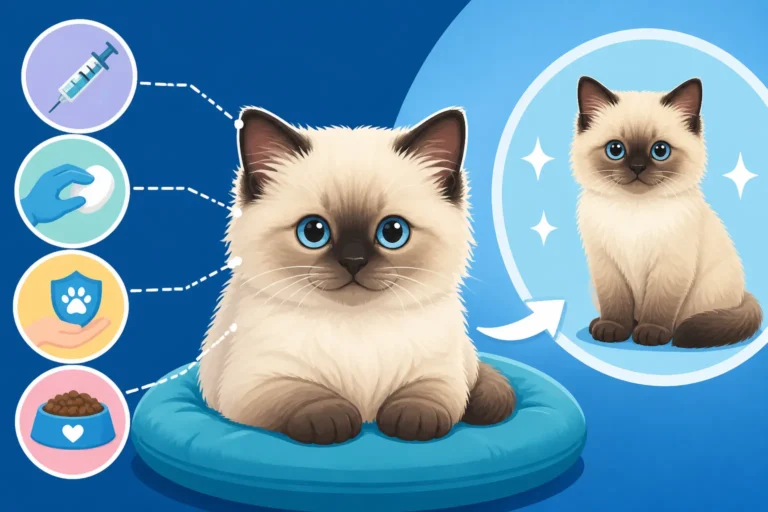
Breeding cats responsibly is an expensive and time-consuming endeavor. From the initial health screenings and genetic tests for the parent cats (like checking for PKD1 Came Down the Persian Side of a Himalayan or Retinal Atrophy Reached the Himalayan From the Persian Too), to stud fees, specialized nutrition for the pregnant queen, veterinary check-ups throughout the pregnancy, and then the intensive care for a litter of kittens, the costs add up quickly. Each kitten receives constant monitoring, early socialization, vaccinations, deworming, and initial vet visits. The time commitment is immense, with breeders often working around the clock, especially during the kittens' early weeks.
The deposit helps to offset some of these significant upfront costs and acts as a reassurance that the breeder's substantial investment of time, money, and emotional energy will be respected. It ensures that the breeder isn't dedicating resources to preparing a kitten for a home that might fall through at the last minute. This financial commitment from the buyer is a recognition of the breeder's dedication and helps support the high standards of care the kittens receive.
Managing Demand for Specific Point Colors
While all Himalayan kittens are adorable, certain point colors can be more in demand than others, or simply less common in a given litter. For example, chocolate points or lilac points can be harder to produce consistently than seal or blue points, depending on the genetics of the parent cats. Some buyers might have a very specific color preference, like a striking flame point, and are willing to wait for it.
By taking deposits early and often allowing buyers to specify a preference (though usually with the understanding that nature dictates the outcome), breeders can better manage demand. It helps them gauge interest for future litters and ensures that kittens, once their points are visible, already have committed homes. This prevents the scenario where a breeder has several kittens of a less "popular" color needing homes while specific requests for others go unfulfilled. It brings a degree of order to what can be a very dynamic process, aligning buyer expectations with the unpredictable beauty of genetics.
What a Deposit Means for Buyers
For you, the prospective Himalayan owner, placing a deposit is more than just a financial transaction; it's the official start of your journey with your new feline companion. It signifies your serious intent and activates a set of expectations and responsibilities from both you and the breeder. Understanding these aspects is crucial for a smooth and satisfying experience.
Confirming Health and Temperament First
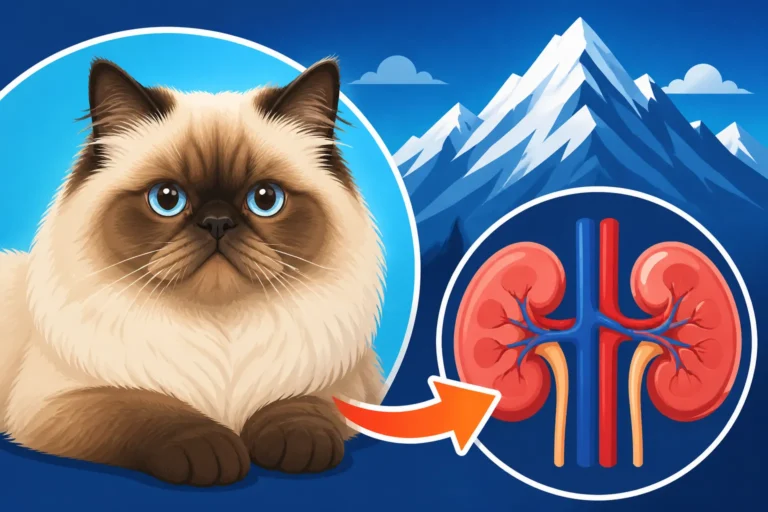
While you might be placing a deposit before the points are fully defined, this doesn't mean you're buying sight unseen or without assurances. A reputable breeder will always prioritize the health and temperament of their kittens above all else. Before taking a deposit, they should be transparent about the health testing of the parent cats, which might include specific screenings for issues common to the breed like Polycystic Kidney Disease (PKD) or Progressive Retinal Atrophy (PRA). Make sure to ask Which Two Tests Belong on Every Himalayan Pedigree and for copies of those results.
The deposit reserves your place, but the specific kitten selection often happens later, after their personalities emerge and the vet has given them a clean bill of health. This allows the breeder to match kittens with the most suitable families, considering temperament and lifestyle. Your deposit secures a healthy, well-socialized kitten from a quality line, even if its ultimate coloring is still a work in progress. It's about trusting the breeder's expertise in raising healthy cats, not just choosing a pretty face.
Understanding Your Breeder's Contract
The breeder's contract is your most important document after placing a deposit. This legally binding agreement outlines the terms of sale, health guarantees, responsibilities of both parties, and what happens if unforeseen circumstances arise. It's absolutely crucial to read and understand every clause before signing and submitting your deposit. Don't be shy about asking questions!
A good contract will clearly state what the deposit covers, whether it's refundable or non-refundable (and under what specific conditions), the health guarantee period, expectations for veterinary care, and sometimes even clauses about spaying/neutering by a certain age. It might also specify what happens if the desired point color doesn't appear in the litter, or if there aren't enough kittens to go around. For instance, a breeder might offer a transfer to a future litter. Understanding this document protects both you and the breeder and ensures transparency throughout the process.
Here's a simplified table illustrating common deposit scenarios and their implications:
| Scenario | Deposit Status | Common Breeder Action | Buyer Implication |
|---|---|---|---|
| Buyer Changes Mind | Non-refundable | Deposit retained | Loss of deposit; commitment to the kitten is paramount. |
| No Desired Kitten (Color/Sex) | Transfer to next litter | Offer alternative kitten or move to next waitlist | May need to wait longer; flexibility is beneficial. |
| Kitten Health Issue (Pre-pickup) | Refundable or Transfer | Full refund or transfer to another kitten/litter if breeder cannot deliver a healthy kitten | Buyer protected from receiving an unhealthy kitten; full transparency is key. |
| Kitten Chosen, Then Buyer Pulls Out | Non-refundable | Deposit retained; kitten re-listed | Significant financial loss; emphasizes seriousness of commitment once a kitten is selected. |
The Role of the Deposit in Kitten Allocation
Once a deposit is placed, it typically secures your spot in the selection process. Breeders often work down their waiting list in the order deposits were received. This means that when the kittens are old enough – usually around 6-8 weeks when their personalities are emerging and their points are more defined – the first person on the list gets the first pick, the second person gets the second pick, and so on.
This systematic approach ensures fairness and transparency in the allocation of kittens. It gives those who committed early the best chance to choose the kitten that resonates most with them, whether it’s based on the emerging point color, a particular temperament, or even just a feeling. While the deposit is taken before the points show, it’s rarely for a specific kitten at that stage. Instead, it’s for the opportunity to choose a kitten from the litter once they are mature enough for assessment. This waiting period also allows you to plan for essential items your kitten will need, from quality food to toys and litter. It’s also wise to consider pet insurance from providers like Healthy Paws early on to cover any unexpected vet visits.
Navigating the Wait: What to Look for in a Young Himalayan
The period between placing your deposit and bringing your Himalayan kitten home can feel like an eternity. Instead of focusing solely on the emerging point colors, use this time to observe other crucial aspects of the kitten's development. A responsible breeder will provide regular updates, photos, and videos, giving you plenty of opportunities to get to know the litter. This observation helps you make an informed choice beyond just superficial looks.
Assessing Overall Health and Vigor
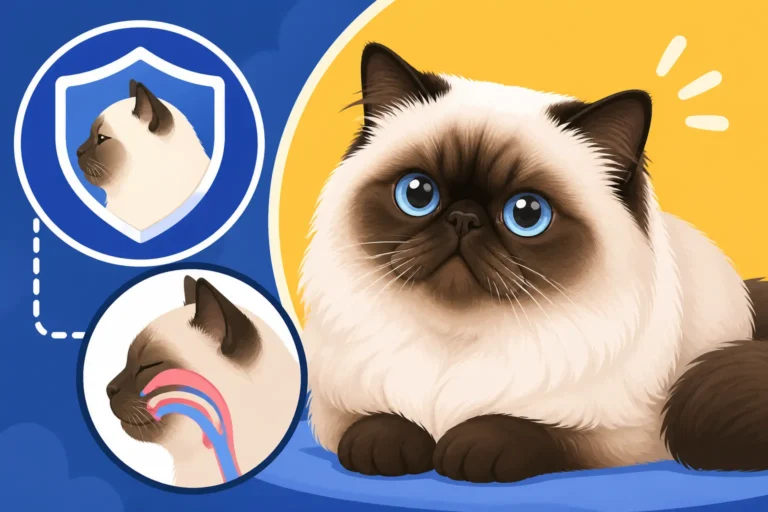
Even with a deposit placed, you should always be vigilant about the kitten’s overall health and well-being. A healthy kitten is active, playful, and curious. Look for bright, clear eyes – which, for a Himalayan, will always be blue. Pay attention to their breathing; a healthy Himalayan kitten should have clear, quiet respiration, even when playing. While some flat-faced breeds might have subtle snoring, excessive wheezing or open-mouth breathing at rest are red flags. This is also a good time to consider how a vet grades a Himalayan's nostrils as part of their overall health assessment. Their coat should appear clean and soft, though it won't be as full as an adult's yet.
Watch how they interact with their siblings and their environment. Do they move easily without limping or stiffness? Are they gaining weight steadily? A responsible breeder will be monitoring these aspects meticulously and should be happy to answer any questions you have about a kitten's health history, vet visits, and vaccination schedule. Remember, you're not just buying a color; you're adopting a living, breathing creature that needs to be robust and thriving.
Observing Temperament and Socialization
Beyond health, a kitten's temperament and early socialization are paramount, especially for a breed like the Himalayan which thrives on companionship. Himalayans are known for being sweet, gentle, and affectionate lap cats, a wonderful blend of the playful Siamese and the calm Persian. Observe how the kittens interact with each other, with their mother, and with the breeder and their family. Are they confident and curious, or overly shy and fearful?
A well-socialized kitten will be comfortable being handled, purr readily, and show interest in human interaction. They should be used to the sights and sounds of a typical household. Watch for how they react to new toys or gentle noises. The breeder's environment plays a huge role in shaping a kitten's early personality, so a home setting with lots of interaction is ideal. Knowing What a Himalayan Does When It Is Unsettled can help you identify any stress signals, even in a young kitten. This early observation of temperament will help you choose a kitten whose personality is a good match for your home and lifestyle.
Early Indicators of Face and Coat Quality
While the point colors are still developing, you can still assess other important breed characteristics, particularly concerning the Himalayan’s distinctive face and luxurious coat. Himalayans, being a colorpoint variety of the Persian, should ideally have a round head, full cheeks, a small, pushed-in nose with open nostrils, and large, round, expressive blue eyes. Look at the general structure of the face – is it balanced? Are the eyes watery? Are the nostrils clearly open? How to Judge a Himalayan Kitten's Nostrils at Twelve Weeks is an excellent resource for this.
Regarding the coat, while it won't be its full adult length, you can still observe its texture. It should be soft, dense, and appear healthy. Look for any signs of matting, even small ones, as this can indicate a lack of proper grooming or a particularly challenging coat type. The overall presentation should reflect a breeder who takes pride in the appearance and health of their animals. Observing these traits now gives you a clearer picture of the beautiful cat your kitten will grow into, long before its specific point color makes its grand debut.
Disclaimer
This article is for general informational purposes only and does not constitute professional advice. Laws, prices and regulations vary by location and change over time. Consult a qualified professional for guidance on your specific situation.