Whether a Himalayan Deposit Holds a Specific Point Color
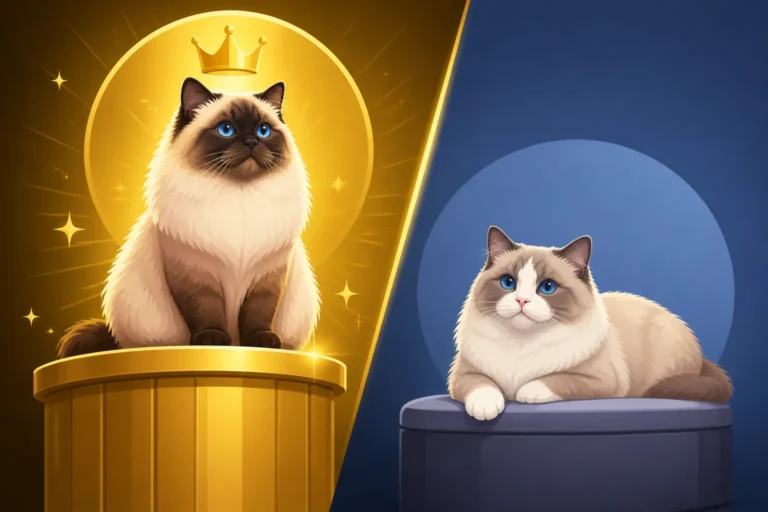
It's incredibly exciting to anticipate bringing a new Himalayan kitten into your home, isn't it? The sheer beauty of their coat, those stunning blue eyes, and their incredibly sweet disposition make them utterly captivating. However, when you're navigating the process of putting down a deposit, one of the biggest questions that often comes up is whether that deposit truly secures a specific point color, like a "Blue Point" or a "Seal Point." It's a common frustration, especially when you have your heart set on a particular look. This guide is here to help you understand the fascinating science behind Himalayan point colors, how breeders manage expectations, and what you should absolutely clarify before you commit to that deposit.
The Unpredictable Canvas: How Himalayan Point Colors Develop
Before we dive into deposits and contracts, it’s crucial to understand a fundamental truth about Himalayan cats: their beautiful point colors aren't fully formed at birth, and they develop over time in a way that can be a little unpredictable. This biological reality plays a huge role in how breeders handle reservations.
Born White: The Initial Surprise
Imagine a litter of brand-new Himalayan kittens. What color are they? If you're picturing miniature versions of their strikingly pointed parents, you might be surprised! Almost universally, Himalayan kittens are born nearly entirely white, or perhaps a very pale cream. This isn't a mistake; it's a direct result of the fascinating gene responsible for their color.
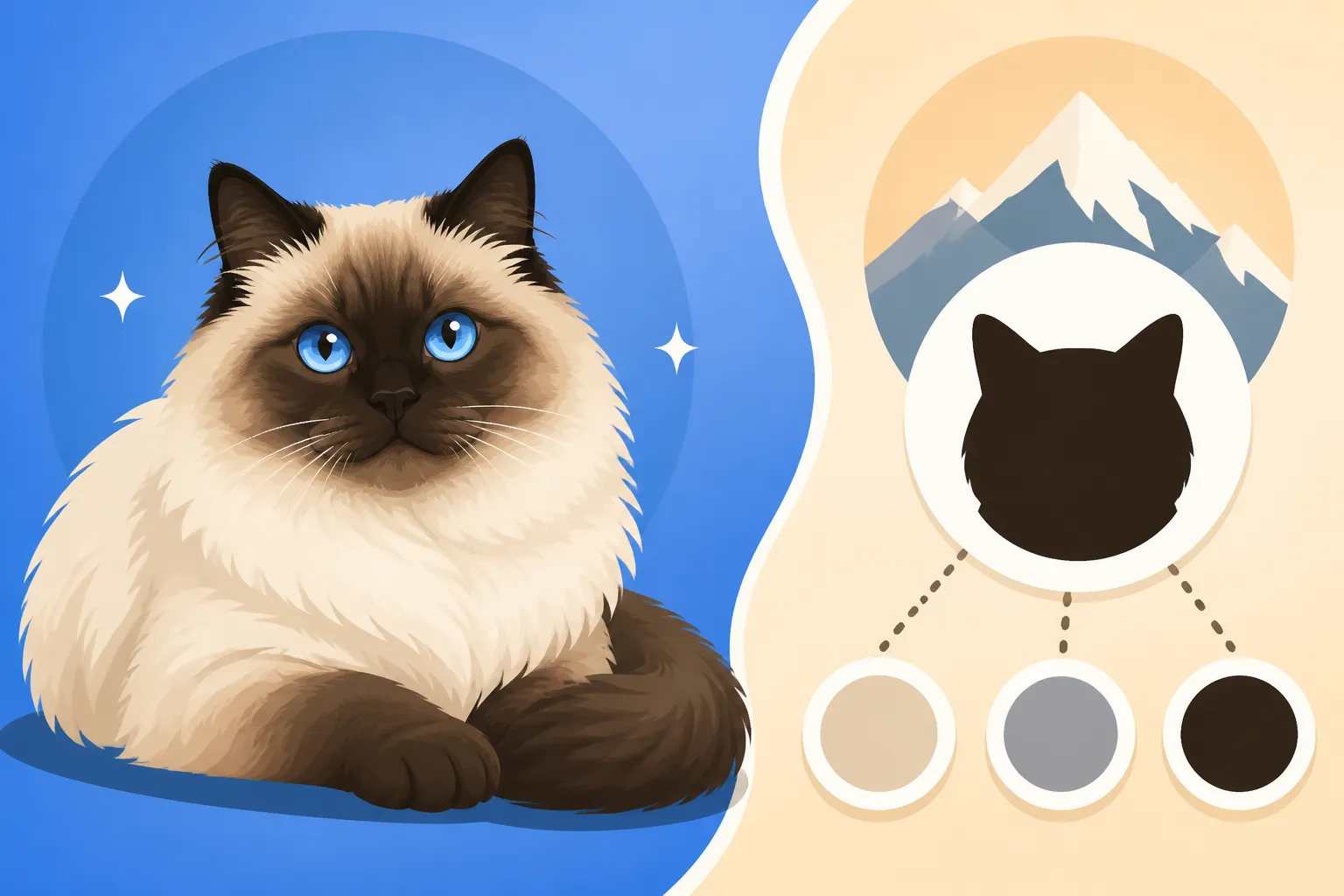
The Himalayan's distinctive point coloration comes from a temperature-sensitive gene. This gene produces pigment only in cooler areas of the body. Inside the warmth of their mother's womb, kittens are cozy and consistent in temperature, meaning the gene largely remains inactive. As a result, they don't develop pigment until they're exposed to the cooler ambient temperatures of the outside world. This early stage is why you can't truly judge a kitten's future point color until weeks after birth.
The Slow Reveal: Weeks to Months for True Color
Once those tiny, pale kittens are born, their points slowly but surely begin to appear. You'll notice the faintest hint of color first on their ears, then their tails, and gradually, their little noses. It's a bit like watching a photographic negative slowly develop in a darkroom. The speed and intensity of this development can vary significantly. Some kittens might show more defined points by How Many Weeks Before a Himalayan Kitten's Points Show, while others take longer.
Factors like the ambient temperature where the kittens are raised can influence how quickly and deeply their points darken. Kittens kept in a cooler environment might develop their points faster and more intensely than those in a warmer room. Genetics also play a huge role, with some lines naturally producing deeper, faster-developing points. It's truly a process that unfolds over weeks and even months, often reaching its mature intensity only around a year or more of age. You can trace this development from When a Himalayan Kitten's Points First Appear through its first year.
Point Color Variations Even Within a Litter
Even if you're looking at a litter from two known "Seal Point" parents, it's not always a guarantee that every kitten will be a perfect Seal Point. Genetic inheritance is complex, and variations can occur. You might see subtle differences in shade, or even entirely different point colors if the parents carry recessive genes for other colors, like Chocolate or Blue.
For example, a breeder might tell you they expect "Seal Points" and "Blue Points" from a particular pairing. While they can make an educated guess, the exact shade or even the final classification of a "Chocolate Point" versus a "Seal Point" might not be definitively clear until the kittens are several weeks old, sometimes even older. This inherent variability is why a reputable breeder will always emphasize that initial color "expectations" are just that—expectations—and not 100% guarantees at the moment a deposit is placed.
Breeder Practices and Deposit Realities
Given the natural process of point color development, how do breeders typically handle deposits and color preferences? It's a delicate balance between a buyer's desire for a specific look and the biological realities of kitten growth.
Why Breeders Accept Deposits Early
There's no denying that Himalayan cats are highly sought after. Quality breeders with healthy, well-socialized kittens often have waiting lists stretching months or even over a year. To manage this demand and give potential owners a fair chance at a kitten, breeders typically accept deposits long before a kitten's points are fully set, sometimes even before a litter is born.
This early deposit system helps both parties. For the breeder, it secures serious interest and helps them plan for the future of their cattery. For you, the buyer, it means you get a spot in line for a highly coveted kitten. It's a commitment that acknowledges the effort and expense a breeder puts into their cats, from health testing to daily care. This is often Why a Himalayan Deposit Is Taken Before the Points Show.
The Deposit Agreement: What to Look For
When you place a deposit for a Himalayan kitten, you should always receive a written agreement or contract. This document is your roadmap and should clearly outline the terms of your purchase. Regarding point color, here's what to look for and discuss:
- Clarity on Color "Guarantees": Does the contract explicitly guarantee a specific point color? More often than not, it won't be an absolute guarantee. Instead, it might reserve a kitten of a particular type (e.g., "pointed longhair") or allow you to choose from available kittens once their colors are clearly identifiable. A good contract will acknowledge the natural variations in point development.
- Allowance for Natural Variation: A transparent breeder will include language that addresses the potential for slight color differences or even unexpected colors. They might offer you the first choice of kittens that fit your general preference (e.g., "darker points" vs. "lighter points") once the litter is old enough.
- Refund/Transfer Policies: This is crucial. What happens if the kitten you reserved, hoping for a Lilac Point, develops into a Blue Point, and that's just not what you envisioned?
- Refund: Some breeders might offer a full or partial refund of your deposit if they cannot provide a kitten that meets your general color preference, or if the kitten develops a disqualifying fault. However, full refunds are less common for simple preference changes, as the breeder has held that kitten for you.
- Transfer: More commonly, a breeder might allow you to transfer your deposit to a subsequent litter or to another available kitten from the same litter that better suits your preference. This is often a fair compromise.
Always read your contract thoroughly and ask any questions before signing. A good breeder will be happy to explain their policies. The question of Whether a Himalayan Deposit Holds a Specific Point Color really depends on the individual breeder's policy, and it should be clearly spelled out in writing.
Reputable Breeders and Transparency
A hallmark of a reputable Himalayan breeder is their commitment to transparency and communication. They understand the excitement and anticipation you feel, and they know that managing expectations is key to a positive experience.
- Open Communication: They will openly discuss the genetic possibilities of a litter and the likely point colors, while also explaining the natural variations. They won't promise a specific shade that science can't always deliver.
- Regular Updates: Expect regular photos and videos of the developing kittens. As the kittens grow, the breeder should provide updates on their point color development, allowing you to see how your potential kitten is maturing. This visual evidence can help you gauge if the color is aligning with your preferences.
- Health and Temperament First: A truly ethical breeder will always prioritize the health, temperament, and overall well-being of their kittens above all else. They'll ensure their breeding cats are tested for common hereditary conditions like Polycystic Kidney Disease (PKD), which is vital for the breed. Which Two Certificates a Himalayan Breeder Owes You are essential to see. This focus means that while color is lovely, a healthy, happy, well-adjusted kitten is always the primary goal.
Navigating Expectations and Making Informed Choices
It's completely natural to have a "dream" kitten in mind, perhaps a stunning What a Flame Point Himalayan Looks Like or a classic Seal Point. However, approaching the kitten selection process with flexibility can lead to a more joyful experience.
Prioritizing Temperament Over Exact Shade
While a specific point color might be what first drew you to a Himalayan, a cat's temperament is what you will live with for the next 15-plus years. A kitten with a loving, docile personality that fits your household's energy is far more important than a perfect shade of cream or blue.
Take the time to learn about the personalities of the kittens in the litter. Do you want a confident explorer, or a mellow lap cat? Are you looking for a cat that will "talk" to you with soft chirps, or one that prefers quiet observation? A reputable breeder will be able to tell you a lot about each kitten's individual personality. Sometimes, the "wrong" color kitten ends up being the "right" personality fit, and you won't even notice the color once you're smitten!
What Happens If the Color Isn't "Right"
Despite the best intentions, sometimes the kitten you've reserved just doesn't develop the point color you had envisioned. This is where your contract and your relationship with the breeder become paramount.
| Scenario | Breeder's Typical Action (Good Practice) | Buyer's Options & Considerations |
|---|---|---|
| Slight Color Variation | Explains natural development; provides updates. | Accept the slight variation; focus on temperament. |
| Significantly Different Color | Offers choice of another kitten in the litter or future litter. | Transfer deposit to another kitten/litter; request refund (if contract allows). |
| Kitten Has Health Issue | Full refund or replacement kitten. | Full refund or wait for a healthy replacement. |
| Buyer Changes Mind on Color | Deposit often non-refundable but may be transferable. | Accept current kitten; transfer deposit (if allowed); forfeit deposit. |
If What Happens If a Himalayan's Points Come In Wrong, openly communicate your feelings to the breeder. They may have another kitten in the litter that's a better fit, or perhaps a kitten from a future litter. Remember, they want their kittens to go to loving, forever homes, and finding the right match is in everyone's best interest. It's much better to have an honest conversation early on than to bring home a kitten you're not entirely happy with.
Preparing for a Lifetime of Care, Regardless of Color
Ultimately, bringing a Himalayan into your home is a significant, long-term commitment that transcends specific point colors. These gorgeous cats have particular care needs, from their magnificent long coats to their unique facial structures.
You'll be investing in specialized grooming tools, high-quality food, and regular vet visits. Consider items from Chewy, for example, for a constant supply of food, litter, and grooming essentials. The daily routine of combing their glorious fur, cleaning their sweet faces, and ensuring their health will be a part of your life for over a decade. What a Himalayan Costs From Kitten to Fifteen really adds up, and it's a testament to the love you'll share. Understanding What Daily Combing Costs a Himalayan Owner in Time and effort will help you prepare. Focus on preparing for the joys and responsibilities of ownership, and the exact shade of their points will likely become a minor detail in the grand scheme of your shared life.
Understanding Your Contract and Breeder Relationship
The contract you sign with a breeder isn't just a formality; it's a legal document that protects both you and the breeder. Understanding its terms, especially those related to kitten selection and point color, is paramount.
The Language of the Contract
Pay close attention to clauses that describe the specific kitten you are reserving. It might say something like "deposit for a Seal Point female" or "deposit for first pick of a female from Litter X." The more specific the language, the better. However, as discussed, absolute guarantees on final shade can be rare due to biological factors.
Look for sections detailing:
- Kitten Selection Process: When do you get to choose your kitten? Is it at 4 weeks, 8 weeks, or after all health checks are complete?
- Point Color Description: How does the breeder describe the kitten's expected or developing point color? Is it a general "dark points" or a specific "Blue Point"?
- Contingency Clauses: What happens if the kitten develops a health issue, or if the color expectation isn't met? This is where refund, transfer, or exchange policies are outlined.
- Health Guarantees: Beyond color, the contract should clearly state health guarantees, including assurances regarding common Himalayan health issues like PKD. Why the Persian Kidney Test Belongs on Himalayan Papers and How Long a Himalayan Breeder Guarantees the Kidneys are critical elements to look for in a responsible breeder's contract.
Don't be afraid to ask for clarification on any part of the contract you don't understand. A good breeder will welcome your questions and want you to feel secure in your decision.
Communication is Key
From the moment you place your deposit until you bring your kitten home, maintaining open and regular communication with your breeder is vital. They are your primary resource for understanding your kitten's development.
- Ask About Development: Ask for updates on the kitten's physical development, including how the point colors are progressing. Don't assume anything.
- Share Your Preferences (Again): Reiterate your preferences as the kitten grows. "I'm still really hoping for a true Blue Point, how are the points coming along on the kitten we discussed?"
- Discuss Any Concerns: If you notice something in photos or videos that makes you question the color or even the kitten's health (though breeders will have a vet checking on them regularly – remember What a Himalayan Kitten's First Exam Includes Its Palate), bring it up respectfully.
A strong breeder-buyer relationship is built on trust and mutual understanding. This open dialogue helps ensure there are no surprises when it's time to take your kitten home. You'll also want to discuss things like How Often a Himalayan Must Be Combed and any specific grooming needs.
Insurance and Health Guarantees
Beyond the aesthetics of point color, remember the long-term health of your Himalayan. Reputable breeders invest in genetic testing to minimize the risk of hereditary conditions. Even with the best breeding practices, unexpected health issues can arise, which is why kitten health guarantees and pet insurance are so important.
Consider a pet insurance provider like Healthy Paws. Investing in insurance early can provide peace of mind for potential future veterinary costs, whether for routine care or unexpected emergencies. While a deposit might not guarantee a specific shade of points, a comprehensive health guarantee from your breeder, backed by genetic testing and the safety net of pet insurance, provides a much deeper and more significant form of security for your new family member. Remember, your Himalayan's unique dental structure, for example, might mean Why a Himalayan Needs Dentals Earlier Than a Siamese, and insurance can help with these eventual costs.
Disclaimer
This article is for general informational purposes only and does not constitute professional advice. Laws, prices and regulations vary by location and change over time. Consult a qualified professional for guidance on your specific situation.