Why a Himalayan Talks More Than the Persian It Descends From
It’s a common misconception that all long-haired, laid-back cats are silent observers. Many Himalayan owners find themselves surprised, and sometimes utterly charmed, by just how much their beautiful feline companions have to say! If you’ve welcomed one of these stunning cats into your home, you might be wondering why your "quiet" Persian-looking friend seems to have a lot more opinions than you anticipated. This guide will delve into the fascinating reasons behind the Himalayan's more vocal nature, exploring the rich heritage that shapes their expressive personalities and offering insights into understanding their unique language.
Understanding the Himalayan's Vocal Heritage: A Tale of Two Breeds
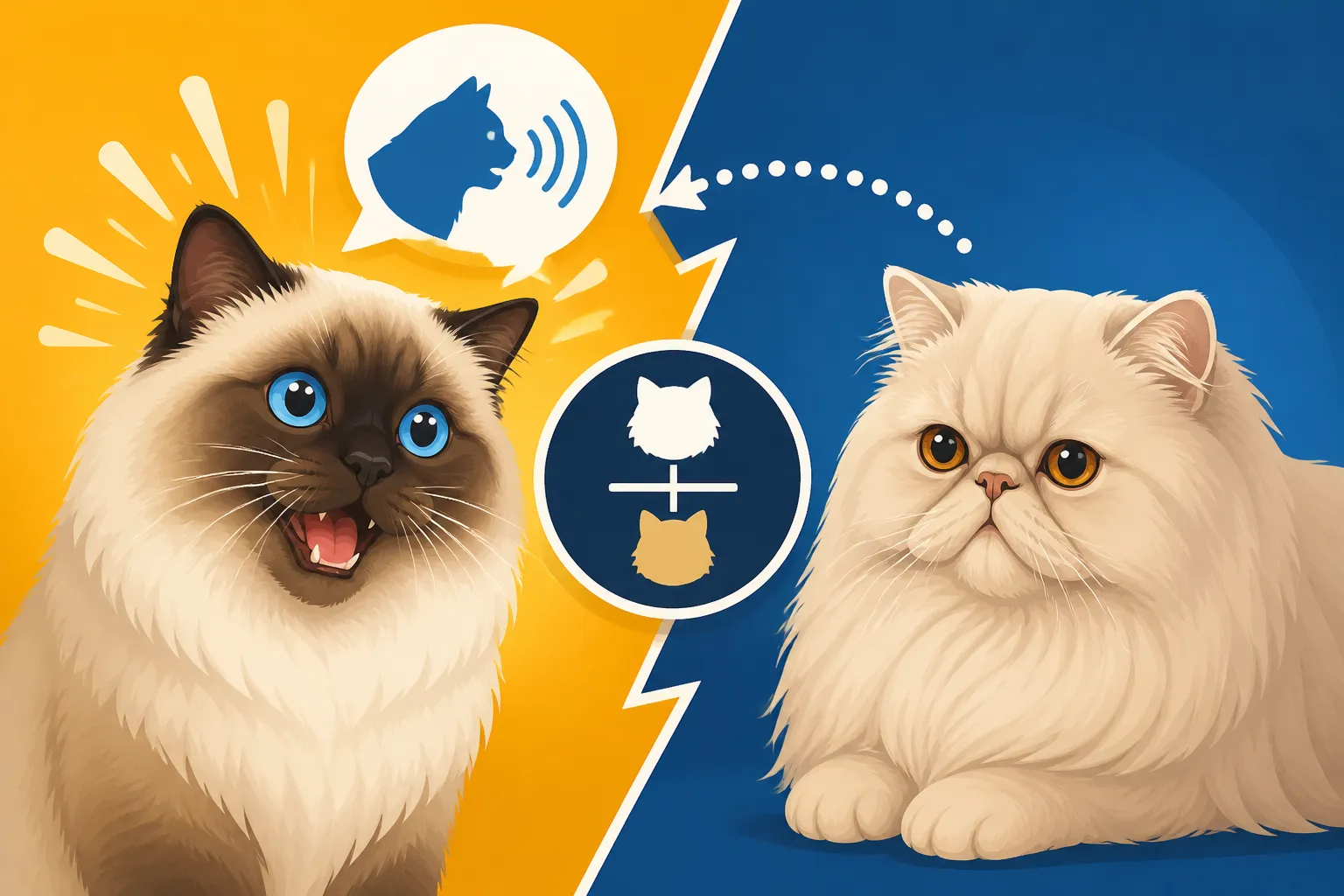
When you look at a Himalayan, you immediately see the lush coat and sturdy build of a Persian, but those striking blue eyes and the "pointed" color pattern give away their Siamese lineage. It’s this unique genetic cocktail that not only defines their exquisite appearance but also profoundly influences their behavior, especially when it comes to vocalization.
The Silent Majesty of the Persian Ancestor
The Persian cat is, by and large, renowned for its placid and often very quiet demeanor. If you've ever shared your home with a purebred Persian, you know that they are typically masters of subtle communication. They convey their needs and desires not through insistent meows or loud chirps, but through a gentle gaze, a slow blink, or a delicate tap of a paw. A Persian might sit patiently by their food bowl, perhaps offering a soft, almost imperceptible murmur, rather than demanding attention with a full-throthroated plea.
Their history as dignified lap cats, bred for centuries for their serene presence in noble homes, has ingrained in them a quiet grace. They are observers, content to be near their human companions without constant vocal interaction. This isn't to say a Persian never makes a sound; they certainly do, but their vocalizations are usually reserved, soft, and infrequent, a stark contrast to many other breeds. When a Persian does speak, it's often a delicate trill or a very soft, almost breathy "mew," hinting at an elegant restraint.
The Siamese Influence: A Chatty Lineage
On the complete opposite end of the feline vocal spectrum, we have the Siamese. These cats are legendary for their booming voices and their insistence on "conversing" with their humans. The Siamese breed is known for a distinctive, often loud, and persistent meow that has been described as everything from a baby's cry to a full-blown argument. They use their voices for everything: greeting you at the door, demanding dinner, complaining about an empty water bowl, expressing their boredom, or simply narrating their day.
Their vocal nature is deeply rooted in their history and genetics. Siamese are highly intelligent and incredibly social cats, thriving on interaction and forming strong bonds with their human families. For them, vocalization is a primary tool for communication, a way to express their needs, their feelings, and to ensure they are always part of the family dialogue. It's a fundamental part of their charm, albeit one that requires a certain tolerance for noise! The sheer volume and variety of sounds a Siamese cat can produce is truly astonishing, a testament to their innate need to communicate verbally. This strong vocal trait is a dominant feature in their genetic makeup, and when it was introduced into the Persian lines to create the Himalayan, it wasn't going to simply disappear.
The Himalayan Blend: More Than Just Points
So, what happens when you combine the quiet elegance of a Persian with the boisterous expressiveness of a Siamese? You get the Himalayan, a cat that inherits the best of both worlds, including a moderated yet distinct vocal personality. While they possess the calm, affectionate nature of the Persian, they also retain a significant portion of the Siamese's talkativeness, albeit in a generally softer, more melodious form.
The original breeders of the Himalayan were captivated by the Siamese's striking point coloration and blue eyes, wanting to transfer these traits onto the Persian's long, flowing coat and cobby body. But they also inadvertently brought along the Siamese's propensity for vocalization. Where the Himalayan's Voice Came From is a direct result of this cross-breeding. You'll find that your Himalayan won't have the piercing, insistent yell of a pure Siamese, but they certainly won't be as quietly reserved as a typical Persian either. They've found a middle ground, often described as a "conversationalist" rather than a "yeller." They will respond when spoken to, offer chirps of greeting, and let you know when they need something, but usually without the overwhelming volume. This balanced vocal trait makes them incredibly engaging companions, offering both the serene presence you expect from a Persian-type cat and the interactive charm of a talkative breed.
Decoding the Himalayan's Vocal Repertoire
Your Himalayan isn't just making noise; they're speaking volumes, albeit in their own unique dialect. Understanding the different sounds they make and what those sounds might mean is key to building a deeper bond with your chatty companion.
The Range of Himalayan Sounds
Unlike the often one-note meow of some cats, Himalayans tend to have a diverse range of vocalizations. You'll likely hear delicate chirps, soft trills, gentle meows, and contented murmurs, each carrying its own specific nuance. A chirp might be a greeting, a little "hello" as you walk into the room, or an acknowledgment that they've seen you pass by. These sounds are a clear echo of their Siamese ancestry, which is known for its complex vocal range, but without the full force of a Siamese caterwaul. Your Himalayan might offer a series of soft, questioning meows when they're curious about what you're doing, or a longer, more drawn-out meow if they feel a little neglected.
Then there are the purrs, which can range from a quiet rumble to a powerful, vibrating purr that you can feel through your hand when you pet them. These purrs often accompany kneading or rubbing against you, clear signs of affection and contentment. Sometimes, you might even hear a soft "mrow" or a gentle "prrrrt" that serves as a comment on their surroundings, perhaps a bird outside the window or a new toy they're inspecting. This variety of sounds makes their communication rich and interesting, a far cry from the more limited vocal repertoire of their Persian side. What a Himalayan Is Saying When It Chirps is often a direct invitation for interaction or a simple expression of happiness.
What a Himalayan's Voice Communicates
A Himalayan's vocalizations are deeply intertwined with their needs and emotions. They're not just random noises; they're purposeful messages designed to get your attention or express their state of mind. When your Himalayan is hungry, they might use a slightly more insistent, perhaps higher-pitched meow, sometimes accompanied by staring intently at their food bowl or weaving around your legs. If they want attention, a soft trill followed by a rub against your hand or a gentle head-butt is a common tactic. They're not usually demanding in a harsh way, but rather persuasive.
Contentment is often expressed through deep, rumbling purrs, especially when they're curled up on your lap or receiving a relaxing grooming session. You might hear a quiet "mrrrow" when they're settling into their favorite sunbeam, almost like they're talking to themselves. Dissatisfaction, on the other hand, might manifest as a slightly louder, more exasperated meow, perhaps if you've moved their favorite blanket or if their playtime has been interrupted. They'll let you know, but often with a polite, almost gentle persistence rather than an outright clamor. This nuanced communication means you'll quickly learn to distinguish their various "requests" and "comments" as you spend more time together.
Understanding the "Volume Control"
One of the most striking differences between a Himalayan and a purebred Siamese is the "volume control." While a Siamese can easily fill a room with its cries, the Himalayan's vocalizations are typically much softer and more melodious. This moderation is undoubtedly a gift from their Persian heritage, which has toned down the intensity of the Siamese voice while still allowing its expressive nature to shine through. Think of it as having inherited the conversational spirit of the Siamese, but with the refined manners of a Persian.
Your Himalayan might have a lot to say, but they usually say it in a gentle, almost charming way. They might follow you from room to room, offering a series of soft chirps and meows, engaging you in a running commentary on their day or inquiring about your activities. This softer vocal quality means they are less likely to overwhelm a quiet household, offering the best of both worlds: an interactive companion who communicates readily, but without being excessively noisy. Why a Himalayan Is Quieter Than Its Siamese Ancestors is one of the distinct traits that makes them such a beloved breed for many cat lovers who appreciate the Siamese personality without the full vocal punch. This unique "voice" is a hallmark of the breed, a delightful compromise that gives them a distinct and endearing personality.
Environmental Factors and Vocal Expression
Just like us, a Himalayan's environment plays a huge role in how they express themselves, including how much they "talk." Factors like routine, attention levels, and even their daily enrichment can all impact their vocal habits.
The Impact of Routine and Predictability
Himalayans, much like their Persian forebears, are creatures of habit and thrive on predictability. They are often quite sensitive to changes in their daily routine, and disruptions can sometimes manifest as increased vocalization. If their mealtime is usually 6 PM sharp, and you're running late, you might find your Himalayan engaging in a series of plaintive meows, perhaps sitting by their bowl or following you with an insistent little chatter. They're not being demanding in a mean way; they're simply expressing their confusion or mild anxiety because their predictable world has shifted.
A consistent routine provides a sense of security and reduces stress for these cats. Why a Himalayan Expects to Be Fed at the Same Hour is a perfect example of this. When their schedule is thrown off, they might vocalize more to seek reassurance or to try and re-establish the familiar order of things. This could be anything from a new piece of furniture in their favorite spot to a change in your work schedule that alters their interaction times. Their vocal protests are often their way of asking, "What's going on? Can we please go back to normal?" Establishing and maintaining a predictable schedule for feeding, playtime, and quiet time can actually help moderate their vocalizations, as they feel more secure and less compelled to "nag" you about perceived changes.
Seeking Attention and Interaction
Himalayans form deep bonds with their human companions and often crave interaction. While they might enjoy lounging in regal silence for periods, they also love to be involved in household activities and receive affection. Their vocalizations are a key tool in soliciting this attention. You might be working at your desk, and your Himalayan will approach, offering a soft "mrow" and gently rubbing against your leg, or perhaps jumping onto your lap with a little trill. These aren't demands; they're invitations to engage, a request for a head scratch, a few minutes of petting, or even just a quiet moment together.
They often develop a special connection with one particular person in the household. Why a Himalayan Picks One Person to Follow is a common trait, and this chosen human will often be the recipient of most of their conversations. They learn quickly which vocalizations elicit a response from you, whether it's a specific tone for "I'm hungry" or a soft chirp for "come play." If they feel neglected or simply want to remind you of their presence, a series of persistent but gentle meows will often do the trick. They are intelligent enough to understand that their voice is an effective way to get what they want – which is usually just a little bit of your time and affection.
Boredom and Enrichment
Despite their sometimes sedentary appearance, Himalayans still need mental and physical stimulation. A bored Himalayan can become a more vocal Himalayan. If they don't have enough to occupy their minds or bodies, they might resort to increased meowing to express their discontent or to try and prompt you into providing some entertainment. This isn't usually destructive behavior, but rather an insistent plea for engagement.
Providing adequate enrichment is crucial. This can include a variety of toys, from feather wands that mimic prey to puzzle feeders that challenge their minds. Interactive play sessions, even short ones, can make a huge difference. You might find that a Himalayan who has had a good play session is much quieter and more content afterwards. Look for toys that encourage them to move, even if just gently. You can find a fantastic array of interactive toys on Amazon, perfect for keeping a Himalayan engaged. Things like laser pointers (used carefully, of course), crinkly balls, or even just a simple cardboard box can provide hours of entertainment and reduce boredom-induced vocalizations. Remember, a stimulated cat is often a happy, and consequently, a quieter cat.
The Role of Social Dynamics in Himalayan Vocalization
Cats are surprisingly social creatures, and their interactions within their household – with humans and other pets – significantly shape their communication style. A Himalayan's vocalizations are often a direct reflection of these social dynamics.
Communicating with Their Human Family
The bond a Himalayan forms with its human family is paramount, and this connection often fosters their talkativeness. Unlike some more independent breeds, Himalayans genuinely seem to enjoy "conversing" with their people. They learn your vocal patterns, your tones, and even specific words, and they'll develop their own set of responses. It's not uncommon for a Himalayan to meow back when you speak to them, or to offer a series of questioning chirps as if participating in a dialogue. They are social beings who desire to be an integrated part of the family, and their voice is their primary tool for achieving this.
This conversational style strengthens the human-animal bond, making interactions more engaging and personal. They’ll remember what sounds get your attention for specific needs, whether it's a particular meow for wanting to sit on your lap or a different one for a treat. They adapt their vocal pitch and intensity based on how you respond, essentially training you as much as you train them! This deep, personal communication is one of the most charming aspects of owning a Himalayan, making every interaction feel like a meaningful exchange.
Interacting with Other Pets
In a multi-pet household, Himalayans also use their voice to interact with other animals, though often in a more subtle way than they do with humans. While they inherited the Siamese's social nature, they also have the Persian's preference for calm and gentle interactions. This means they are less likely to engage in loud, boisterous vocal challenges with other cats or dogs. Instead, their communication might involve softer chirps or gentle growls to establish boundaries, or quiet trills as an invitation for a slow, peaceful interaction.
They often observe other pets before engaging, and if another animal is too high-energy or vocal, the Himalayan might simply retreat to a quiet spot. However, if they find a companion who matches their more laid-back pace, they might engage in soft, reciprocal chirps or even synchronized purring. For instance, a Himalayan might offer a soft meow to a dog resting nearby, a gentle acknowledgment of its presence rather than a demand. Their generally serene nature means they prefer harmonious coexistence, and their vocalizations with other pets reflect this desire for calm. They're more likely to give way to a faster, louder cat, but they'll still make their presence known in their own quiet way.
Learning and Mimicry
Cats are surprisingly adaptive, and a Himalayan’s vocal habits can certainly be influenced by the sounds around them. In a very quiet household, your Himalayan might naturally adopt a softer, less frequent vocalization pattern. Conversely, in a bustling, chatty home, they might become more vocal, picking up on the general noise level and feeling more inclined to join in the conversation. They can, to an extent, mimic the sounds they hear or at least adjust their own volume and frequency to fit in.
If you have other vocal cats, your Himalayan might learn from them, though they'll likely still maintain their moderated Siamese voice. They might also learn to associate certain household sounds with events – the jingle of keys meaning you're leaving, or the crinkle of a treat bag meaning a reward is coming. In these instances, they might offer a preparatory meow or chirp. This learning and adaptation highlight their intelligence and their desire to communicate effectively within their unique social structure. They are keen observers, and their vocal responses are often a thoughtful, albeit cat-like, reaction to their lived experience.
Managing and Encouraging Positive Vocal Habits
While a chatty Himalayan can be incredibly endearing, there are times when excessive vocalization might become a bit much. Knowing how to respond effectively and ensuring they have all their needs met can help manage their "conversations" and encourage positive communication patterns.
Responding to Vocalizations Effectively
How you respond to your Himalayan's meows can significantly influence their vocal habits. If you consistently reward every single meow with attention, food, or treats, you are inadvertently teaching them that loud or frequent vocalizations are the most effective way to get what they want. This can lead to what’s known as "attention-seeking meowing," where they vocalize simply because they know it will get a reaction from you.
The key is to differentiate between genuine needs and attention-seeking behavior. If your Himalayan is meowing for food and it's not mealtime, try to ignore the meows until they quiet down, then reward them with attention or a small, appropriate treat. For attention-seeking meows, make sure to engage with them when they are not vocalizing. Pet them, play with them, or talk to them when they are quiet and calm. This teaches them that quiet behavior earns positive reinforcement, not persistent meowing. Consistency is crucial; everyone in the household needs to be on the same page to avoid sending mixed signals. This subtle shift in how you respond can lead to a more balanced and pleasant vocal dynamic.
Providing Adequate Mental and Physical Stimulation
A bored or under-stimulated Himalayan is often a more vocal one. Just because they enjoy lounging doesn't mean they don't need regular opportunities to play and engage their minds. Incorporating daily play sessions can significantly reduce excessive vocalizations, transforming a "nagging" meow into a satisfied purr. Think about short, interactive playtimes using wand toys that mimic prey movement. Which Wand Toys a Himalayan Can Actually Follow will get them off the sofa and engaging their hunting instincts, even for just a few minutes at a time.
Puzzle feeders are another excellent way to provide mental enrichment, making them "work" for their food and engaging their problem-solving skills. You can find many options on Amazon designed for cats, some even suitable for flat-faced breeds. Rotating toys can also keep things fresh and interesting, preventing boredom from setting in. Remember, even a generally calm cat needs an outlet for their natural instincts. A good 10-15 minute play session once or twice a day can make a world of difference in their overall contentment and, consequently, their vocal output. Providing these outlets helps them burn off mental and physical energy, reducing the need to vocalize out of boredom or frustration.
Creating a Predictable and Calm Environment
As mentioned, Himalayans thrive on routine and can become stressed when their environment is unpredictable. Stress and anxiety are common triggers for increased vocalization in cats. By creating a calm and predictable household environment, you can significantly reduce these stress-induced meows. This means establishing consistent feeding times, regular play sessions, and a predictable schedule for your own activities.
Ensure your Himalayan has safe, quiet spaces where they can retreat if they feel overwhelmed or just need some alone time. This could be a cozy bed in a quiet corner, a cat tree with a hideaway, or even just a designated chair that is "theirs." Minimizing sudden loud noises and chaotic activity can also contribute to their sense of security. If there are unavoidable changes, like guests visiting or moving furniture, try to introduce them gradually and maintain as many other routines as possible. A calm, secure cat is less likely to feel the need to vocalize out of anxiety or confusion, leading to a more harmonious household for everyone.
Distinguishing Normal Talkativeness from Concerns
While Himalayans are known for being more vocal than their Persian relatives, it’s important to recognize when their increased chattiness might signal something more serious. A sudden or drastic change in vocal habits can sometimes be an indicator of underlying health issues or significant stress.
When Vocalizations Might Signal a Problem
It’s one thing for your Himalayan to have a lot to say; it's another if their vocalizations suddenly change in frequency, volume, or tone. A sudden increase in meowing, especially if it's accompanied by other behavioral changes, should always prompt a closer look. For instance, if your usually calm cat starts pacing and crying out loudly, particularly at night, this could be a sign of discomfort, pain, or even cognitive decline in older cats. Similarly, if their meow becomes hoarse or strained, or if they start growling or hissing more frequently, it might indicate pain when moving, an oral issue, or even a respiratory problem.
Other accompanying signs to watch for include changes in appetite or thirst, litter box habits, energy levels, or hiding behavior. Why a Himalayan Hides Illness Behind an Expressionless Face is a crucial point to remember; cats are masters at masking discomfort, so a change in vocalization might be one of the few outward signs you get. If your cat is usually quiet and suddenly becomes very vocal, or if your normally chatty cat becomes withdrawn and silent, these shifts warrant attention. These changes are your cat's way of telling you that something isn't quite right, and they shouldn't be ignored.
The Importance of Vet Check-ups
Given that changes in vocalization can be subtle indicators of health issues, regular veterinary check-ups are absolutely essential for your Himalayan. Your vet can not only help identify the cause of any unusual vocal behaviors but also address any underlying medical conditions. During a routine exam, your vet will perform a physical assessment, checking for dental problems, respiratory issues, pain in joints, or any other physical discomfort that might lead to increased vocalization. They might also suggest blood tests to check organ function, especially for older cats, or other diagnostics if a more serious condition is suspected.
It's also worth noting that Himalayans, due to their brachycephalic (flat-faced) features, can sometimes have respiratory challenges that might lead to louder breathing or unusual vocal sounds, especially when stressed or overheated. Your vet can assess their airway health. For cats needing any surgical procedure, even something routine like a dental cleaning, Why a Himalayan's Anesthetic Needs a Longer Recovery is a consideration due to their breed-specific physiology. Always discuss any changes in behavior or vocal patterns with your veterinarian to rule out medical causes and ensure your beloved companion receives the care they need.
Age-Related Vocal Changes
Just like humans, cats can experience changes in their vocal patterns as they age. Older Himalayans might become more vocal for a variety of reasons, including age-related cognitive dysfunction, hearing loss, or increased discomfort from conditions like arthritis. A senior cat with cognitive decline might become disoriented, especially at night, and vocalize loudly as a way of expressing their confusion or anxiety. This is often referred to as "sundowning" in cats.
Hearing loss can also lead to louder vocalizations, as the cat may not realize how loud they are being. Arthritis or other chronic pain conditions might cause them to cry out more frequently, particularly when moving or trying to get comfortable. If your senior Himalayan is suddenly more vocal, it’s important to consider these age-related factors and consult with your vet. While some changes are simply part of the aging process, there are often ways to manage these conditions and improve your cat's comfort and quality of life. For instance, adjusting their environment to make it easier to navigate, providing soft, supportive beds, or discussing pain management options with your vet can help alleviate discomfort and reduce vocalizations stemming from these issues. Understanding and adapting to these changes ensures your elder cat remains as comfortable and communicative as possible.
| Characteristic | Persian (Typical) | Siamese (Typical) | Himalayan (Typical) |
|---|---|---|---|
| Vocal Volume | Very soft, quiet | Loud, booming, insistent | Moderate, gentle, conversational |
| Vocal Frequency | Infrequent, reserved | Frequent, constant | Frequent but not overwhelming |
| Vocal Range | Limited (soft meows, murmurs) | Wide (yowls, chirps, trills, meows) | Moderate (chirps, trills, soft meows) |
| Communication Style | Subtle body language, quiet presence | Direct, demanding, narrative | Engaged, interactive, polite persuasion |
| Response to Humans | Observes, gentle acknowledgment | Engages loudly, "talks back" | Responds, "chats," seeks interaction |
| Reason for Vocalization | Needs, rare discomfort | Needs, desires, boredom, greetings | Needs, greetings, attention, routine change |
Disclaimer
This article is for general informational purposes only and does not constitute professional advice. Laws, prices and regulations vary by location and change over time. Consult a qualified professional for guidance on your specific situation.