Which Cats Move Slowly Enough for a Himalayan
Many Himalayan cat owners find themselves wondering if their laid-back, often quiet companion would enjoy the company of another feline, but they worry about overwhelming their calm, cobby friend. It's a valid concern, as Himalayans have a distinct temperament that doesn't always mesh well with super-energetic breeds. This comprehensive guide will walk you through understanding your Himalayan's activity level and identifying the purrfectly matched companions that will bring harmony, not chaos, to your home.
Understanding the Himalayan's Unique Pace
Your beautiful Himalayan, with that magnificent coat and captivating blue eyes, is more than just a pretty face; they possess a distinct personality and energy level that sets them apart. It's absolutely crucial to understand this inherent disposition before even thinking about bringing another feline into their tranquil world. Trying to fit a square peg into a round hole, so to speak, will only lead to stress for everyone involved, especially your sensitive Himmy.
The Persian Influence on Activity Levels
At their very core, Himalayans are essentially long-haired Persians with the unique colorpoint gene, meaning a significant portion of their genetic makeup dictates a calm, dignified, and often quite sedate nature. If you've spent any time around Persians, you'll immediately recognize this relaxed demeanor. They aren't generally known for scaling bookshelves with wild abandon, zipping through hallways like furry bullets, or engaging in prolonged, acrobatic play sessions that leave them panting. Instead, their ideal day often involves extensive naps in sunbeams, serene observation from a favorite vantage point (which is almost always a comfy sofa or a plush cat bed on the floor, rather than a high shelf), and a leisurely, unhurried stroll to their food and water bowls.
They are masters of conserving energy, not because they are lazy, but because their ancestral programming prioritizes comfort, quiet contentment, and a general air of regal repose. This inherent calm means that a high-energy kitten or a boisterous, playful adult cat, no matter how well-meaning their intentions, can often appear as an utterly overwhelming blur of chaos to a stately Himalayan. Such a mismatch can easily lead to stress, anxiety, and avoidance for your Himmy, rather than the peaceful companionship you envision. Understanding this deep-seated calm and their preference for a slower pace is the very first, and most critical, step in finding them a friend who genuinely respects and complements their unique rhythm.
The Siamese Whisper: A Muted Play Drive
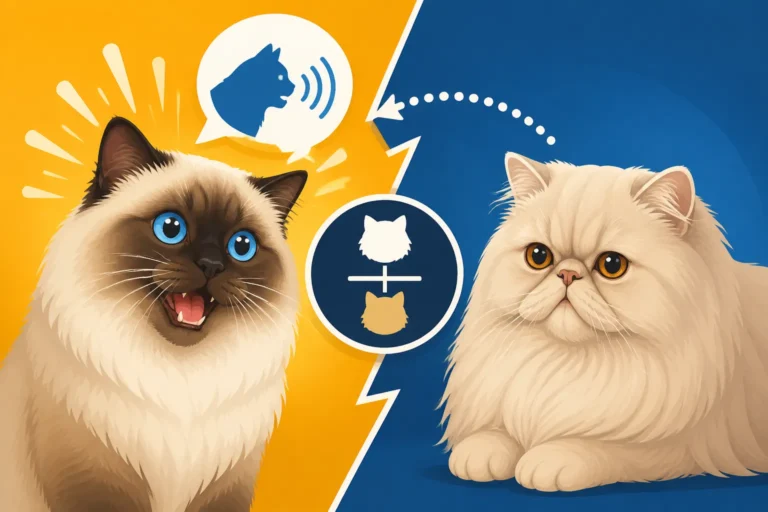
While your Himalayan certainly inherited those striking blue eyes and the distinctive point coloration from its Siamese lineage, it largely, and perhaps thankfully for a peaceful home, missed out on the Siamese's famously loud vocalizations and boundless, almost frantic energy. Think of the Siamese influence not as a full-throated roar, but more as a gentle whisper in their personality. While Himalayans do enjoy play, it's typically in short, bursty sessions rather than marathon romps that leave them breathless. A feather wand toy might elicit a few elegant pounces and focused stalks, or a laser pointer a concentrated chase across the rug, but these activities are usually brief. After a few minutes of engagement, your Himalayan will often decide it's time for a cool-down nap or to return to their preferred state of repose. Why a Himalayan Plays Longer Than a Persian and Less Than a Siamese delves into this fascinating balance of their ancestral traits, showing how the Siamese zest for life is significantly toned down.
This contrasts quite sharply with the relentless, acrobatic, and often very vocal play of many other cat breeds, which can be utterly exhausting, startling, and even frightening for a Himalayan. They genuinely appreciate a potential playmate who understands that a ten-minute game is often more than enough, and that enthusiastic, unpredictable chasing is rarely, if ever, on their agenda. A compatible companion will know when to give space and when to offer a gentle batting of a toy, rather than expecting a wrestling match.
Why Quick Movements Are Overwhelming
Try to imagine yourself settling down in a serene, quiet library, deeply engrossed in a good book, while someone else is constantly running laps around you, knocking things over, making sudden loud noises, and generally creating a whirlwind of chaotic activity. That's often a very apt analogy for how a fast-moving, boisterous, or overly physical cat can feel to your Himalayan. Their cobby, heavily-boned body isn't designed for agile, quick bursts of speed, and their characteristically shorter legs mean they're simply not built for rapid climbing, high jumps, or prolonged, intense pursuits. The Height a Himalayan Decides Is Not Worth It perfectly illustrates their strong preference for ground-level living, where they feel secure and in control.
When another cat suddenly zips past, jumps unexpectedly from a piece of furniture, or tries to instigate overly rambunctious play, it can often trigger your Himalayan's natural "freeze, flight, or fight" response, though usually it leans towards freeze or flight. They might flatten their ears tightly against their head, tuck their tail defensively between their legs, or simply retreat quickly to a safe, quiet, and secluded spot where they feel protected. This isn't aggression on their part; it's a clear and unmistakable sign of being overwhelmed and feeling unsafe in their own territory. For a Himalayan, a potential companion that moves with a similar stately grace, or at the very least consistently respects their personal space and prefers slower, more predictable interactions, is absolutely crucial for fostering a peaceful and genuinely happy coexistence. They truly thrive in an environment where they feel consistently secure, unthreatened by sudden, unexpected movements, and where their comfort is always prioritized.
Ideal Companions: Breeds and Temperaments
Choosing the right companion goes beyond just 'another cat'; it’s about finding a personality that slots seamlessly into your Himalayan’s calm world. You’re looking for a feline friend who speaks the same emotional language, one who values a peaceful snooze over a high-speed chase.
The Sedate and Gentle: Other Persian Types
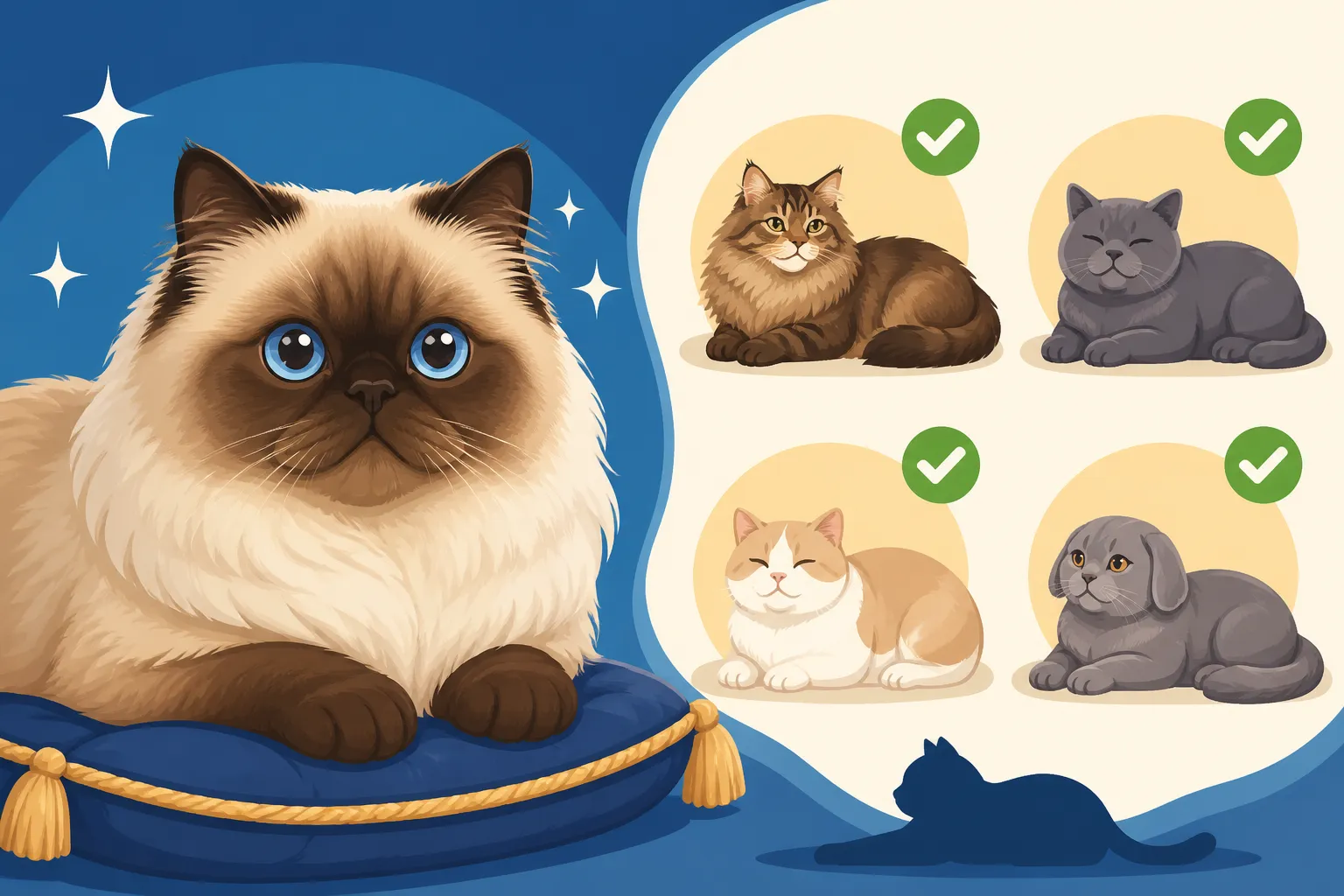
When considering a feline friend for your Himalayan, it often makes the most intuitive sense to look within its own genetic family tree. Other Persian cats, whether they are the classic longhair variety or even an Exotic Shorthair (which is essentially a Persian in a convenient, short-haired coat), share that very same calm, dignified, and inherently low-energy temperament. These breeds inherently understand and appreciate the art of napping, the profound joy of a quiet cuddle session, and the vital importance of respecting personal space without constant demands for attention.
They also typically share very similar play styles – preferring gentle batting of toys, short and sweet bursts of interaction, and plenty of independent lounge time where they can simply exist peacefully. Bringing home another Persian or an Exotic Shorthair means you are likely introducing a companion who is already speaking the same 'language' as your Himalayan. They are significantly less likely to zoom around wildly, try to instigate overly physical or rough play, or generally disrupt the peaceful atmosphere your Himalayan cherishes. Imagine two fluffy clouds peacefully coexisting on the same plush sofa; that's the kind of harmonious and low-stress companionship you can realistically expect. These breeds are simply built for lounging and enjoying life's quiet pleasures, not for frantic leaping or high-octane acrobatics, making them excellent, truly low-stress friends for your beloved Himmy.
Easygoing Longhairs: Ragdolls and Birmans
Beyond the immediate Persian family, there are several other longhaired breeds that also make wonderfully compatible companions for a Himalayan, primarily due to their inherently placid, gentle, and often strikingly docile dispositions. Ragdolls, for instance, are famously laid-back and affectionate, often going limp and relaxed in your arms (which is how they earned their distinctive name). They are renowned for being incredibly tolerant and sweet-natured, typically preferring gentle interactions and close proximity over intense, boisterous play. Their movements are usually graceful, unhurried, and far less frantic than many other cat breeds.
Similarly, Birmans are another excellent choice to consider. They possess a consistently sweet, docile nature and are generally quiet, easygoing, and adaptable cats. While a Birman might enjoy a bit more interactive play than a pure Persian or Himalayan, their play is rarely aggressive, overwhelming, or overly demanding. These breeds tend to be highly adaptable and can often pick up on the subtle cues of a calmer cat like a Himalayan, instinctively adjusting their own energy levels to match. They're simply not going to be constantly pestering your Himalayan for a chase or a wrestling match, instead often settling contentedly for a shared sunbeam, a quiet, parallel nap, or a gentle brush against a leg. Whether a Himalayan Prefers a Cat It Can Keep Up With further explains why finding a similar energy level is key to their bond.
The Calm Mixed Breed or Older Rescue
Sometimes, the absolute best companion for your Himalayan isn't necessarily about a specific pedigree breed at all, but rather about the individual cat's unique temperament and life experience. A calm mixed-breed cat, especially one that's a bit older or comes with a known history of being mellow and easygoing, can be an absolute gem and a perfect fit. When you're considering a rescue cat, actively look for descriptions that include phrases like "couch potato," "gentle lap cat," "dignified observer," "prefers quiet environments," or "enjoys basking in sunbeams." An older cat, who is well past their boisterous, unpredictable kitten phase, often makes an ideal companion for a Himalayan. They've usually already learned the art of relaxation and are significantly less likely to bring high-octane, chaotic energy into your serene household.
Shelters and rescue organizations are often fantastic at matching personalities, and they can typically provide you with a wealth of detailed information about a cat's individual activity level, their social history, and how they tend to interact with other felines. Don't discount the profound wisdom and peaceful presence of an experienced, mature cat who knows how to chill out and enjoy the quieter moments of life; they might just be the perfect, low-key friend your Himalayan has been waiting for, offering gentle companionship without any of the overwhelming chaos. Many wonderful, calm cats are available for adoption, and you can often observe their demeanor directly at the shelter or foster home.
Introducing a New Cat to Your Himalayan
Bringing a new cat into any household, particularly one with a sensitive and routine-loving Himalayan, requires immense patience, a structured approach, and a commitment to a slow, gentle process. Rushing the introduction is one of the biggest mistakes you can make, as it can easily lead to fear, stress, territorial disputes, and even aggression, which can be incredibly difficult, if not impossible, to undo. The ultimate goal isn't just mere coexistence, but ideally, genuine friendship and comfort for both animals, fostering a truly harmonious home environment.
Slow and Steady Wins the Race: The Introduction Process
Think of the process of introducing a new cat to your existing Himalayan not as a quick meeting, but rather like facilitating a gradual friendship between two new acquaintances; you certainly wouldn't just throw two strangers into a small room and expect instant camaraderie and affection. Instead, you would facilitate gradual, carefully controlled interactions, allowing them to get to know each other at their own comfortable pace. This methodical approach means you should be thinking in terms of weeks, not days, of careful management and oversight. Bringing a Second Cat Home to a Himalayan offers a fantastic, in-depth guide on the nuances of this critical process, emphasizing the importance of patience.
A slow and deliberate introduction minimizes stress for both your resident Himalayan and the new arrival, allowing them both ample time to adjust to the new scents, new sounds, and the eventual physical presence of another feline in what was previously a solitary territory. This careful layering of experiences helps to build a strong, positive foundation, setting the stage for a successful and peaceful long-term relationship based on mutual respect and comfort, rather than anxiety and avoidance.
Creating Separate Spaces and Scent Swapping
The very first, and arguably most critical, step in any cat introduction is to establish entirely separate and secure "base camps" for each cat. Your new arrival should be confined to their own dedicated room – perhaps a spare bedroom or a quiet bathroom – which is fully equipped with its own food, water bowls, a clean litter box, and a cozy, comfortable bed. This space should be completely isolated from your Himalayan initially. This initial separation allows the new cat to decompress, feel secure in their new surroundings, and slowly adjust without the immediate pressure or threat of facing the resident feline.
Once the new cat has had a few days to settle into their base camp, the crucial process of scent swapping begins. Gently rub a soft cloth (a washcloth or an old sock works perfectly) on your Himalayan's cheeks, chest, and around their scent glands, then place this cloth into the new cat's room. Similarly, rub another soft cloth on the new cat and place it near your Himalayan's favorite sleeping spot or feeding area. This ingenious method allows them to "meet" and become accustomed to each other's unique scent profiles without any visual pressure or direct confrontation. Gradually, you can begin to swap bedding between the rooms, or allow them to eat on opposite sides of a closed door, thereby associating positive experiences (like delicious meal times) with the comforting, albeit indirect, presence of the other cat's scent. This subtle, indirect introduction method builds familiarity and significantly reduces the shock or anxiety of a direct, visual encounter. Calming pheromone diffusers, widely available on platforms like Amazon, can also be a wonderful tool to help both cats feel more at ease and secure during this potentially stressful stage, promoting a sense of peace in their shared environment.
Supervised Interactions and Reading Body Language
Once the scent swapping has progressed positively for a week or two, and both cats appear relaxed with each other's smell, you can carefully move to supervised visual interactions. A sturdy baby gate placed in the doorway of the new cat's room, or cracking open the door slightly with a doorstop, allows them to see each other through a secure barrier without direct contact. Keep these initial visual sessions very short – just a few minutes is sufficient – and always, always end them on a positive note. Distract both cats with highly appealing treats or gentle play (separate toys, of course) while they observe each other.
Crucially, you must pay incredibly close attention to their body language during these interactions. For your Himalayan, look for relaxed ears, a soft, unfocused gaze, a calm posture, and perhaps a slow blink. Signs of stress or discomfort include flattened ears pressed tight against the head, dilated pupils, a stiff or crouched body, hissing, growling, or a puffed-up tail. If you observe any of these stress signals, end the session immediately and retreat to the previous stage of scent swapping. Never, under any circumstances, force interaction or push them beyond their comfort zone. Keeping a Himalayan Calm When It Panics is an excellent resource for understanding and addressing signs of distress. As interactions become progressively more relaxed and positive, you can gradually increase the duration and eventually remove the barrier, always supervising closely. Remember, your Himalayan, with its often seemingly expressionless face, might hide illness or stress more subtly than other breeds, so being attuned to their minute cues is absolutely vital for their well-being.
Managing Multi-Cat Households with a Himalayan
Once your Himalayan and their new companion have moved past the initial introduction phase and are coexisting peacefully, the next step is to ensure that your household environment supports their continued harmony. This isn't a "set it and forget it" situation; ongoing management and attention to detail are key to maintaining a tranquil home for your serene Himmy and their friend.
Ensuring Adequate Resources and Retreats
In any multi-cat home, but especially one featuring a gentle Himalayan, resource guarding and perceived competition can quickly escalate into significant stress and conflict. It is absolutely vital that each cat feels they have abundant and exclusive access to everything they need without feeling threatened or forced to compete with the other. This means operating on the "N+1" rule for many resources: have more litter boxes than you have cats (ideally one per cat, plus one extra, strategically scattered throughout the house to allow for choice and privacy). Provide multiple food and water stations; perhaps a wide, shallow bowl for your Himalayan's distinctive flat face, and a different style for the new cat if preferred.
Beyond the basics, ensure there are plenty of comfortable and appealing sleeping spots that cater to both cats' preferences. While vertical space can be highly beneficial for some cats, remember Why a Himalayan Rarely Reaches a Counter, so focus on accessible, low, and cozy hideaways for your Himmy. Each cat should ideally have at least one or two places they can truly retreat to where they feel completely safe, undisturbed, and untouchable by the other cat. These personal sanctuaries are absolutely crucial for allowing your Himalayan to decompress, feel secure, and take a break, especially if the other cat occasionally experiences a burst of energy. Think about offering various types of beds, from elevated cozy caves to soft blankets draped over chairs or simple floor cushions. On Amazon, you can find an incredibly vast selection of cat beds, from orthopedic options to plush tunnels, to suit every feline preference and budget.
Maintaining Routine and Predictability
Himalayans, much like many other cat breeds but perhaps even more so, are deeply ingrained creatures of habit. They thrive on predictability, and any sudden or significant changes to their established routine can cause considerable anxiety and stress. When you introduce another cat into their lives, it becomes even more imperative to diligently maintain consistent feeding times, regular (even if short) play sessions, and their essential grooming routines. Your Himalayan fundamentally relies on these established rhythms and patterns to feel secure and confident within their environment.
Disrupting their routine can inadvertently create a sense of unease or insecurity, which can then, quite unfairly, become associated with the presence of the new cat. Why a New Baby Unsettles a Himalayan's Routine highlights just how sensitive these cats can be to changes in their predictable world. Strive to keep meal times consistent each day, and if you have a cherished daily grooming session for your Himalayan's luxurious coat, make sure to stick to it without fail. This consistent, predictable routine reinforces to both cats that despite the new arrival, their world is still a safe, stable, and entirely predictable place. It helps both felines understand what to expect from their day-to-day lives and significantly reduces any potential for conflict that might arise from uncertainty or perceived chaos.
Encouraging Parallel Play, Not Competitive
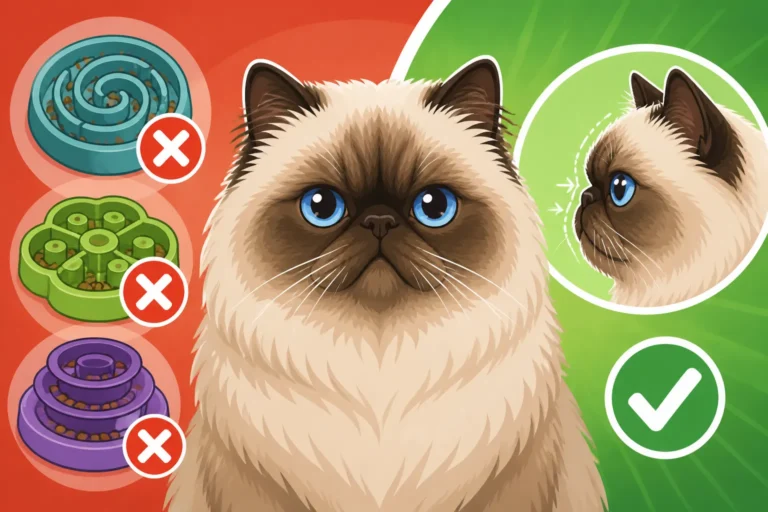
While some cat breeds enthusiastically embrace chasing, wrestling, and boisterous physical play, a Himalayan typically prefers more sedate, individual, or what we call "parallel" play. This means actively encouraging activities where both cats can enjoy themselves in the same general area, but without directly competing for a single toy or engaging in rough, physical interaction. For instance, use separate wand toys to engage with them simultaneously in the same room, or offer individual puzzle feeders filled with treats (always ensuring your Himalayan can easily access theirs with their unique facial structure, perhaps looking for a wide, shallow slow feeder bowl on Amazon).
Providing multiple scratching posts, pads, or vertical scratchers throughout the home can also be an effective strategy to prevent any competition over these essential resources. The overarching goal is to meticulously create positive associations with each other's presence through shared, calm, and non-competitive experiences. If you consistently notice one cat trying to dominate play, or if their play style is simply too rough for your Himalayan's comfort, it's essential to gently redirect the more energetic cat with a different toy or, if necessary, temporarily separate them for a brief cool-down period. Why a Himalayan Gives Way to a Faster Cat perfectly illustrates why this kind of mindful guidance is so important for the well-being and confidence of your Himmy in a multi-cat setting.
Addressing Potential Issues and Ensuring Harmony
Even with the most meticulous introductions and careful management, sometimes unexpected challenges can arise. Being prepared to identify and address these issues promptly is crucial for maintaining a peaceful household and ensuring the long-term well-being of your Himalayan.
Signs of Stress or Discomfort in Your Himalayan
Even with the most careful and thoughtful introduction and ongoing management, it is absolutely crucial for you to remain vigilant and constantly observe for any subtle signs of stress or discomfort in your Himalayan. Because of their somewhat stoic and often understated demeanor, Himalayans might not outwardly express distress as dramatically or overtly as some other, more vocal or animated cat breeds. Therefore, it's vital to look for subtle yet significant changes in their usual behavior: these can include hiding more frequently or for longer periods, noticeable changes in their appetite (eating significantly more or less) or their litter box habits (accidents outside the box, changes in frequency), excessive grooming (over-licking, pulling out fur), or, conversely, a sudden and concerning lack of grooming altogether.
You might also notice an increase in vocalization (even a normally quiet Himalayan might become more vocal if stressed), or a general reluctance to come out from a safe, secluded spot. A change in their sleep patterns, or a pervasive air of tension and stiffness in their posture, can also be indicators. Why a Himalayan Hides Illness Behind an Expressionless Face is an incredibly critical read for any Himmy owner, as it explains their unique ability to mask discomfort. If your Himalayan, typically a loving lap cat, suddenly starts avoiding you or their beloved favorite chair, it's a very strong indicator that something is amiss in their world. Early detection of these stress signals allows you to intervene promptly and adjust the environment, the interaction strategy, or even seek professional advice before minor issues have a chance to escalate into chronic problems.
When Play Becomes Too Rough for Your Himalayan
It is entirely natural and healthy for cats to engage in play, as it’s a crucial outlet for their natural instincts. However, for a Himalayan, whose cobby build, often shorter legs, and distinctive brachycephalic (flat) face make them inherently less agile and more prone to overheating and respiratory difficulties, rough or overly energetic play can very quickly become problematic and even dangerous. If the other cat is consistently pouncing on your Himalayan, chasing them aggressively, or initiating wrestling matches that your Himmy clearly doesn't seem to enjoy, it's a strong signal that the play is simply too much. Your Himalayan might visibly try to retreat, issue a soft hiss of warning, or simply freeze up in place, displaying signs of submission or fear.
Remember, their physical attributes mean they cannot easily escape or effectively defend themselves in a high-energy chase or a prolonged wrestling match. What one cat perceives as playful swatting, another might find genuinely terrifying or physically uncomfortable. It is imperative to monitor all play sessions closely. If you observe your Himmy looking overwhelmed, tense, or trying to disengage, gently but firmly redirect the more energetic cat with a different, engaging toy or, if necessary, separate them for a needed cool-down period. Never allow one cat to consistently bully or overwhelm the other during play; this will erode trust between them and create an unsafe, unwelcoming environment for your gentle Himalayan.
Seeking Professional Help for Persistent Problems
Despite your most diligent efforts, careful planning, and dedicated observation, sometimes two cats simply don't click, or behavioral issues arise that are genuinely beyond your expertise to resolve independently. If you find yourself experiencing persistent conflicts, if one cat is consistently showing signs of severe stress, or if there are any signs of aggression (even subtle ones like blocking access to resources or staring intently), please do not hesitate to seek professional help. A Certified Feline Behaviorist or your trusted veterinarian can provide invaluable guidance and support in these challenging situations.
These experts can thoroughly assess the specific dynamics of your household, accurately identify underlying triggers for conflict, and suggest tailored, evidence-based strategies to improve the situation. This might involve further environmental modifications (such as additional cat trees for vertical space, new litter box placements), targeted enrichment activities to redirect energy, or even behavioral medication in certain cases to reduce anxiety. It is far better, and ultimately kinder to your pets, to address these issues early on with expert advice rather than allowing them to fester and potentially lead to a permanently fractured or unhappy household. Remember, the ultimate goal is to achieve a peaceful, happy, and harmonious home for all your beloved feline residents, especially your gentle Himalayan who thrives on tranquility and security.
Beyond Breed: Individual Temperament Matters Most
While breed characteristics provide a good starting point, it’s vital to remember that every cat is an individual. The true key to a successful multi-cat household lies in finding a personality match, regardless of pedigree.
The Kitten vs. Adult Debate
When you're carefully considering a potential companion for your cherished Himalayan, the age of the prospective new cat is almost as critically important as its breed, if not more so. While the undeniable charm of a tiny, playful kitten might seem like a delightful and heartwarming addition to your home, an energetic little whirlwind can often prove to be utterly overwhelming for an adult Himalayan, disrupting their established peace. Kittens possess boundless energy, incredibly sharp claws, and a relentless, often indiscriminate, desire to play, pounce, and explore every single nook and cranny of their new environment. This constant, high-octane activity can be incredibly disruptive to a Himalayan's serene existence, leading to significant stress, anxiety, and a tendency to constantly avoid the younger, more boisterous newcomer.
An adult cat, generally speaking, has a much more settled and predictable personality, along with a more consistent and manageable activity level. They've usually already learned essential feline social cues and are less likely to be aggressively playful or constantly demanding attention. While there are, of course, always exceptions to any rule, pairing an adult Himalayan with a calm, mature adult cat is almost always a safer and more reliable bet for fostering a harmonious and peaceful household from the outset. At What Age a Himalayan Settles Down can offer further insights into the typical maturity and temperament shifts of your current cat, helping you to gauge what kind of companion would best suit their life stage.
Observing a Potential Companion's Demeanor
Whether you are meticulously looking at a purebred kitten from a reputable breeder or an adult rescue cat from a local shelter, thoroughly observing the individual cat's demeanor and personality is absolutely paramount. Don't simply pick the prettiest face or the most striking color; instead, dedicate time to watch how the cat genuinely interacts with its littermates, other cats, or the humans around it. Does it charge around constantly, initiating boisterous play, or does it prefer to observe the activity from a safe distance, often finding a quiet spot to lounge? Is it prone to aggressive or overly physical play, or does it engage in gentle batting, soft nips, and peaceful napping?
Always ask the breeder or the shelter staff for their expert insights into the cat's unique personality and history. A good, responsible breeder will be able to tell you which kitten in a litter is the most mellow or the most playful, while experienced shelter staff often have detailed notes and direct observations on how a rescue cat behaves in various multi-cat environments. Look specifically for a cat that consistently displays a calm, confident, yet gentle and respectful nature. They should ideally be curious about their surroundings without being overly rambunctious, and generally appear relaxed and adaptable in a variety of situations. This careful and thorough observation is the ultimate key to finding a true personality match that will truly complement and enrich your Himalayan's life.
The Importance of Gradual Integration
Even if you manage to find what appears to be the absolute perfect match for your Himalayan in terms of both breed and individual temperament, the enduring success and harmony of your multi-cat household will still fundamentally hinge upon a patient, methodical, and truly gradual integration process. You simply cannot afford to skip any steps, no matter how confident you might feel about the compatibility of the two felines. Each cat needs ample time – and they will take their own time – to slowly adjust to the new scents, new sounds, and the eventual physical presence of the other cat in what was once their undisputed territory.
As we discussed in detail earlier, establishing and maintaining separate spaces, engaging in consistent scent swapping, and facilitating brief, carefully supervised interactions are not merely suggestions; they are non-negotiable, foundational steps. Think of it metaphorically as laying a strong and durable foundation for a house – you would never rush the construction of the foundation, and similarly, you absolutely should not rush the integration of new pets into your home. A well-executed, patient, and gradual introduction process fosters positive associations, builds essential trust between the cats, and ultimately allows both your beloved Himalayan and their new friend to feel consistently secure, happy, and respected in their shared home. It is a significant investment of your time and effort that will undeniably pay rich dividends in terms of long-term peace, mutual affection, and feline companionship for many years to come.
Here's a quick comparison of suitable cat characteristics:
| Characteristic | Ideal for Himalayan Companion | Less Ideal for Himalayan Companion |
|---|---|---|
| Activity Level | Low to Moderate, enjoys naps, quiet observation | High, constantly active, prone to "zoomies" |
| Play Style | Gentle, solitary, short bursts, non-aggressive | Rough, pouncing, chasing, wrestling, vocal |
| Temperament | Calm, docile, sweet, tolerant, dignified, patient | Highly energetic, vocal, demanding, easily agitated |
| Vocalizations | Quiet, soft meows, chirps, purrs | Loud, frequent meows, yowls, demanding trills |
| Movement Speed | Slow, graceful, deliberate, unhurried | Fast, agile, sudden bursts of speed, unpredictable |
| Social Preference | Enjoys proximity, parallel presence, independent | Seeks constant interaction, can be clingy/needy |
| Age | Adult (2+ years), past kitten energy, settled | Young kitten (under 1 year), boundless energy |
This guide emphasizes finding a companion that respects the Himalayan's inherent tranquility. By choosing a cat with a similar relaxed disposition and following a careful, patient introduction protocol, you can create a harmonious environment where both your Himalayan and their new friend can thrive. Remember, the ultimate goal is to enhance your Himalayan's life with gentle companionship, not to add stress or discomfort to their peaceful existence.
Disclaimer
This article is for general informational purposes only and does not constitute professional advice. Laws, prices and regulations vary by location and change over time. Consult a qualified professional for guidance on your specific situation.