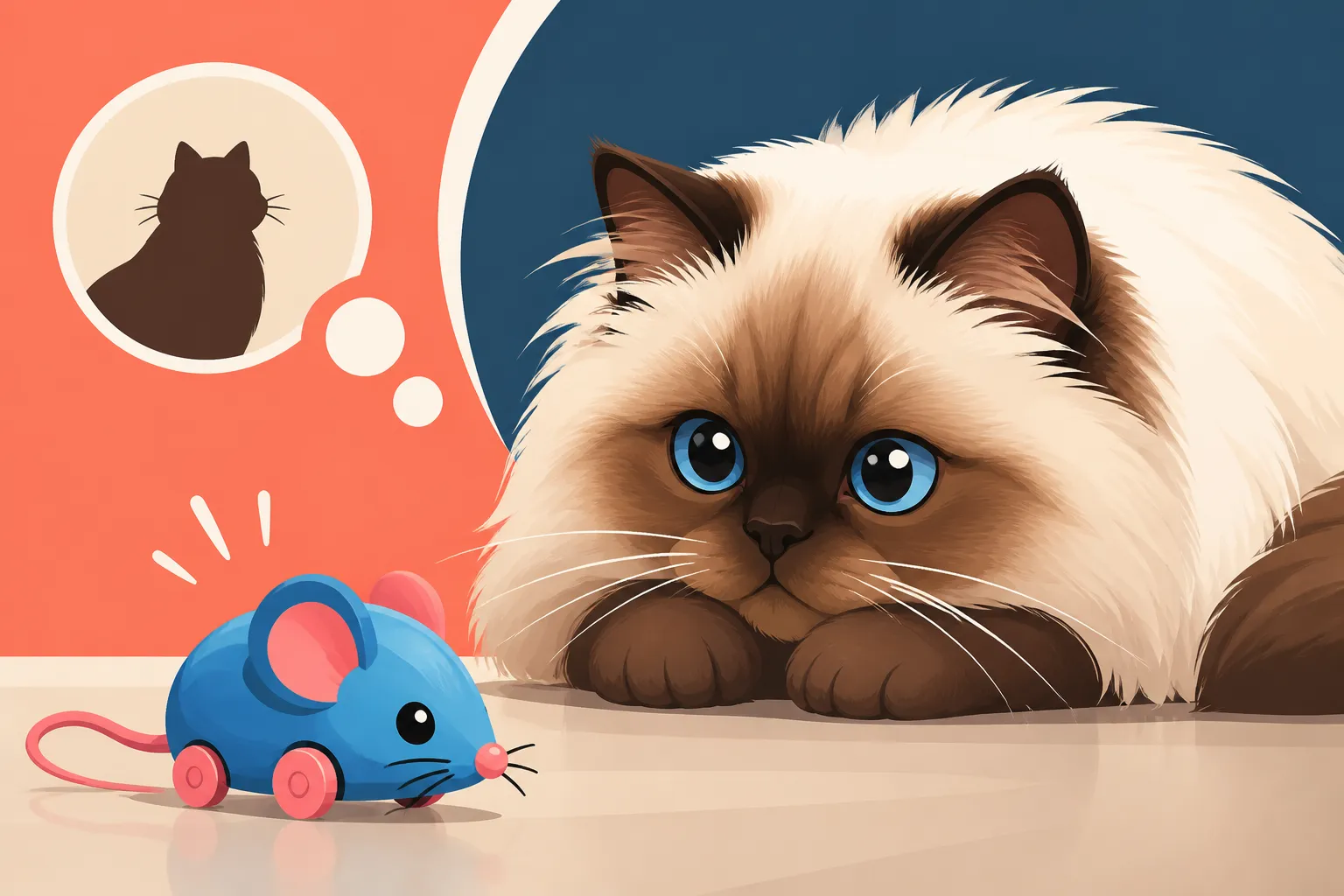
Why a Himalayan Watches a Toy Rather Than Chase It
It can be a little puzzling, can't it? You’ve adopted this magnificent Himalayan cat, with its stunning coat and piercing blue eyes, and you’re ready for some energetic playtime with feather wands and chasing toys. You envision a blur of fur, a flash of paws, but instead, you get… a thoughtful stare. Your beautiful feline companion seems to prefer watching the toy rather than actually chasing it. Don't worry, you haven't got a broken cat; this behavior is entirely normal for a Himalayan, and understanding why they act this way will help you engage with them on their own terms. This guide will delve into the unique reasons behind your Himalayan's observational play style and offer tips to make playtime a joy for both of you.
The Himalayan's Unique Energy Profile: A Blend of Two Worlds
The Himalayan cat, often lovingly called the "Himmie," is a truly unique blend, a carefully created cross between the majestic Persian and the vocal, athletic Siamese. This heritage gives them a fascinating, often contradictory, personality and an energy profile that isn't quite like either parent breed. When you see your Himalayan watching a toy with intense focus but little action, you’re seeing this genetic inheritance in action.
The Persian's Sedate Influence
On one side of the family tree, you have the Persian, renowned for its calm, dignified, and often sedentary nature. Persians are true connoisseurs of comfort. Their ideal day often involves napping in sunbeams, receiving gentle pets, and perhaps a very brief, languid stretch before settling back down. They aren't typically known for prolonged, acrobatic play sessions. Their energy expenditure is often minimal, favoring quiet observation over frantic activity. If a Persian "plays," it's often a slow, deliberate paw swat at a toy within easy reach, or a brief chase that quickly devolves into another nap. This inherent calmness is a significant part of your Himalayan's DNA, instilling a preference for less strenuous activities. You might notice they spend a good portion of their day simply resting or watching the world go by, a trait that comes straight from their Persian ancestors. How Many Hours a Day a Himalayan Is Actually Awake
The Siamese Spark: A Muted Echo
Then there's the Siamese influence, a breed famous for its boundless energy, vocal nature, and relentless curiosity. Siamese cats are known to be active, intelligent, and highly interactive, often engaging in games of fetch or lengthy play sessions. They love to climb, explore, and demand attention with their distinctive "Meezer" voice. While the Himalayan did inherit some of the Siamese's vocal tendencies, albeit in a more subdued form – they'll definitely "talk back" but without the full Siamese volume – they didn't inherit the full athletic prowess or the sustained high-energy drive. Think of it as a spark rather than a roaring fire. The Siamese contribution to the Himalayan's personality is more about curiosity and a desire for interaction than it is about physical exertion. Your Himalayan is likely interested in the toy, mentally engaged by its movement, but that strong physical imperative to chase, chase, chase, has been largely tempered by the Persian side. Where the Himalayan's Voice Came From
Finding the Balance: Where the Himalayan Sits
So, the Himalayan lands squarely in the middle, creating a delightful, if sometimes perplexing, balance. They are often described as "lap cats that answer back," possessing a sweet, affectionate nature combined with an intelligent, inquisitive mind. They have a definite playful side, but it manifests differently from a high-octane Siamese. Their play is more considered, less frenetic. They appreciate interaction and mental stimulation, but they’re not built for endurance races around the living room. This is why watching a toy isn't a sign of disinterest; it's a sign of a deeply engaged mind, processing the movement and planning their next, often strategic, move. They enjoy being part of the action, but on their own, more leisurely, terms. It's important to remember that this unique blend makes them wonderful, calm companions who still appreciate a good play session, even if it looks a little different from what you might expect.
Physical Limitations: What Holds a Himalayan Back from High-Energy Play
Beyond their genetic predisposition for a calmer demeanor, the Himalayan's physical characteristics also play a significant role in their preference for observation over vigorous chasing. Their distinct body shape, luxurious coat, and unique facial structure are all factors that influence how they interact with toys and engage in play.
The Cobby Body and Short Legs
One of the most defining physical traits of a Himalayan is their "cobby" body. This term refers to their stocky, muscular build with short, sturdy legs and a broad chest. While undeniably endearing and a hallmark of their breed standard, this body type is simply not engineered for speed, agility, or sustained leaps like a sleeker, more athletic cat breed. Imagine trying to sprint a marathon in a heavy winter coat – it's just not practical or comfortable. Your Himalayan’s cobby frame makes high jumps and quick turns much more effortful. Climbing a tall cat tree might be a slow, deliberate process, if they attempt it at all. They naturally gravitate towards ground-level activities and comfortable perches, preferring to observe from a position of relaxed stability. This means that a toy zipping across the floor might be visually interesting, but the physical exertion required to keep up with it is often not worth the effort or discomfort for them. Why a Himalayan Stays on the Floor and the Sofa
The Luxurious Coat and Heat Sensitivity
Another major factor is their absolutely magnificent, long, dense double coat, inherited from their Persian ancestors. While beautiful, this luxurious fur acts like a heavy winter blanket, even indoors. Cats cool themselves primarily through panting and through the pads of their paws. With a thick coat, intense physical activity quickly leads to overheating. Himalayans are particularly sensitive to heat, much more so than short-haired breeds. A few minutes of energetic chasing can leave them panting, seeking out cool spots, and needing a long break to recover. This isn't laziness; it's a physiological response to avoid discomfort or even danger. When your Himalayan watches a toy, they might be subconsciously conserving energy and body temperature. Playing in a cool room or during cooler parts of the day can help, but their coat will always be a limiting factor in prolonged, high-intensity play. Why a Himalayan Overheats Twice as Fast as a Siamese
Brachycephalic Features and Breathing
The Himalayan's distinctive flattened face, or brachycephalic features, while adorable, can sometimes present challenges for breathing. While responsible breeding aims for open nostrils and clear airways, any degree of brachycephaly can mean that their nasal passages and soft palate are shorter or thicker than those of a cat with a more traditional muzzle. This can make breathing less efficient, especially during exertion. Imagine trying to run a race while breathing through a straw – it's taxing and restricts oxygen intake. For a Himalayan, prolonged panting from physical activity can become uncomfortable or even lead to respiratory distress in extreme cases. This inherent limitation discourages vigorous, sustained running and chasing. Their body instinctively tells them to conserve breath, making a thoughtful observation a much more comfortable and natural activity than a breathless pursuit. It's one of the reasons a Himalayan often snores a bit louder than other cats, and something owners need to be mindful of during play. Why a Himalayan Snores Louder Than Its Siamese Ancestors
Understanding the Himalayan Play Style: Observation, Pouncing, and Short Bursts
So, if your Himalayan isn't going to be chasing a laser pointer for ten minutes straight, what does their play look like? It's all about understanding their unique approach to hunting and interaction, which is often more about mental engagement and strategic strikes than prolonged physical exertion. Their play style is deeply rooted in their physical makeup and their blended temperament, making them experts in efficient, impactful engagement.
The Art of the Watch
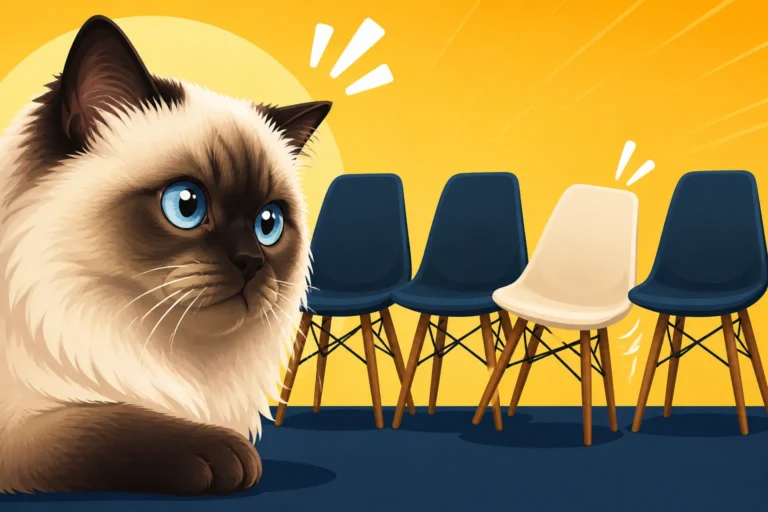
When your Himalayan sits there, unmoving, eyes fixed on a wiggling toy, they aren't being aloof or disinterested. Far from it! They are actually engaging in a crucial part of the predatory sequence: observation and assessment. Think of them as tiny, furry strategists. They are analyzing the toy's movement, predicting its trajectory, and mentally mapping out the most efficient way to "capture" it. This intense focus, the stillness, is a sign of deep engagement, not boredom. It's like a seasoned chess player studying the board before making a move. They are learning, anticipating, and conserving energy for the perfect moment. This observational phase can be just as mentally stimulating for them as a physical chase is for another breed. They are mentally "hunting" even if their body is perfectly still.
The Surprise Pounce
Once the observation phase is complete, or when the toy moves in a particularly enticing way, you might see the Himalayan's preferred method of attack: the sudden, explosive pounce. This isn't a long chase; it's a short, powerful burst of energy from a resting or semi-resting position. They will coil, perhaps wagging their tail ever so slightly, and then spring forward, batting or grabbing the toy with impressive speed. This method is incredibly efficient for their cobby build and energy levels. It allows them to participate in the "hunt" without overexerting themselves. They excel at ambush predation, using cover (like a blanket or the edge of a sofa) to their advantage, springing out for a quick strike, and then often retreating to their comfortable spot to "rest" and reassess for the next pounce. It's a game of hide-and-seek, a mini-battle of wits, perfectly suited to their nature.
Brief, Intense Engagements
Himalayan play sessions are rarely long, drawn-out affairs. Instead, they consist of brief, intense engagements followed by periods of rest. They might pounce a few times, bat the toy around, and then suddenly lose interest, opting to groom themselves or simply watch the toy from a distance again. This ebb and flow is entirely normal. Expect short bursts of activity, maybe five to ten minutes at a time, interspersed with longer periods of relaxation. Trying to force them into a longer play session will likely result in them disengaging completely, or even becoming mildly stressed by the expectation of continued exertion. It’s important to respect their natural rhythm. A few short, focused playtimes throughout the day are much more beneficial and enjoyable for a Himalayan than one long, exhausting one. You'll find that their enthusiasm might wane quickly once they've reached their internal "play limit" for that particular session. How Soon a Himalayan Kitten Runs Out of Breath
Engaging Your Observant Himalayan: Tips for Interactive Play
Knowing that your Himalayan prefers to observe and pounce rather than engage in relentless chasing allows you to tailor your playtime to their specific needs and enjoy their unique approach. It's all about meeting them where they are and appreciating their distinct personality.
Tailoring Play to Their Strengths
Since your Himalayan excels at observation and the surprise pounce, choose toys and play techniques that cater to these strengths.
- Wand Toys: These are fantastic! Instead of making the feather or string dart wildly, move it slowly, teasingly, allowing your Himmie plenty of time to watch and anticipate. Drag it under a blanket or around a corner, letting just a tip show, to encourage their ambush instincts. When they do pounce, let them "catch" the toy and wrestle with it for a moment, satisfying their hunting drive. You can find a great selection of durable wand toys on Amazon.
- Laser Pointers: Use these with caution, as endless chasing without a "catch" can be frustrating. However, a laser dot moved slowly across the floor, pausing under furniture or just out of reach, can be a wonderful mental stimulant. Always end a laser pointer session by directing the dot onto a physical toy or a treat that your cat can actually "catch" and triumphantly consume.
- Small, Crinkly Toys: Toys that make noise or have interesting textures are great for their pounce-and-bat style. They can bat them around from their comfortable spot on the sofa, engaging their paws without needing to run. Small plush mice or crinkle balls are often favorites.
- Hiding Treats: Turn mealtime into a game. Hide small, healthy treats around the room for them to "hunt" and discover. This encourages gentle exploration and problem-solving without intense physical activity.
Prioritizing Comfort and Coolness
Always keep your Himalayan's physical limitations in mind. Play in comfortable, cool environments. If it's a warm day, perhaps play in a room with air conditioning or a fan. Avoid playing intensely right after a meal or during the hottest parts of the day. Keep play sessions short and sweet, typically no more than 5-10 minutes at a time. Watch for any signs of panting, as this indicates they are overheating or overexerting themselves. If you see this, stop play immediately and ensure they have access to cool water and a quiet place to rest. A simple cooling mat can be a great investment, readily available on Amazon, providing a comfortable place for them to recover after a burst of activity. How to Cool a Long Coated Himalayan in Summer
Patience and Positive Reinforcement
Building a positive play relationship with your Himalayan requires patience. Don't get discouraged if they don't respond with immediate, enthusiastic sprints. Celebrate their unique play style. When they do pounce, even if it's just once, offer praise or a small treat. Positive reinforcement encourages them to continue engaging. Never force them to play or try to drag them into a game if they're not interested. Offer the opportunity, entice them, and then respect their decision if they prefer to watch. Remember, even a gentle paw swat at a toy can be a sign of a very successful play session for a Himalayan. Sometimes, the mere presence of you dangling a toy, even if they only watch, is enough interaction for them. What a Himalayan Will Take to Sit Through a Comb
Enrichment Beyond Active Play
Play isn't just about physical activity; it's also about mental stimulation and overall enrichment. For an observant Himalayan, there are many ways to keep their minds active and their lives interesting:
- Window Perches: A comfortable perch by a window, especially one overlooking a bird feeder or busy outdoor scene, can provide hours of entertainment and mental stimulation. They can "hunt" squirrels and birds from a safe, comfortable distance.
- Puzzle Feeders: While many puzzle feeders are designed for more agile cats, you can find low-sided, flat dishes or puzzle mats that are perfect for a Himalayan's shortened jaw. These encourage problem-solving to get their treats or kibble, slowing down their eating and engaging their minds. Look for options specifically designed for brachycephalic breeds on Amazon. Why a Himalayan's Face Rules Out Most Puzzle Feeders
- Grooming as Bonding: The daily grooming session, which is essential for a Himalayan’s coat, can also be a wonderful bonding and enrichment opportunity. Gentle brushing can be a calming, affectionate interaction that they look forward to.
- "Conversation": Himalayans often enjoy "talking" with their humans. Engage them in gentle conversations, responding to their chirps and trills. This mental and emotional connection is a significant part of their enrichment.
By understanding and embracing your Himalayan’s unique characteristics, you can create a playtime routine that is fulfilling, safe, and deeply rewarding for both of you.
Disclaimer
This article is for general informational purposes only and does not constitute professional advice. Laws, prices and regulations vary by location and change over time. Consult a qualified professional for guidance on your specific situation.