Why a Himalayan Watches Visitors From Its Own Chair
It can be a little puzzling, and sometimes even a bit disheartening, when you have guests over, and your lovely Himalayan cat doesn't rush to greet them like some other breeds might. Instead, you often find them perched regally, usually in their favorite chair, observing the new additions to their territory with an almost Sphinx-like calm. This guide will delve deep into the fascinating reasons behind this typical Himalayan behavior, helping you understand their unique social dynamics and create an even more comfortable environment for your discerning feline and your visitors alike.
The Himalayan's Innate Reserve and Cherished Routine
Your Himalayan isn't being rude when they choose to observe from a distance; they're simply being themselves. This breed carries a beautiful blend of the placid Persian and the more vocal Siamese, but when it comes to social interactions with strangers, the Persian's reserved nature often takes the lead. They thrive on predictability and comfort, and unexpected guests can, quite understandably, throw a wrench in their carefully constructed daily rhythm.
A Breed Built for Quiet Observation
Himalayans are renowned for their calm, gentle demeanor. They're not typically the sort of cat to perform acrobatics or loudly announce their presence unless they have a very specific, and usually food-related, request. Their Siamese heritage might grant them a slightly more communicative bent than a pure Persian, but it rarely translates into an exuberant welcome committee for unfamiliar faces. Instead, they prefer to take in their surroundings, processing new stimuli from a safe, comfortable vantage point. Think of it less as aloofness and more as a sophisticated form of data collection. They're assessing the situation, the new smells, the unfamiliar voices, and the altered energy in their home. This careful consideration is part of their charm, even if it means they won't be rubbing against every ankle in the room. You might notice they spend a good portion of their day in quiet repose, simply watching the world go by. In fact, you might be surprised to learn How Many Hours a Day a Himalayan Is Actually Awake, as their periods of true activity are often interspersed with long stretches of thoughtful observation.
Comfort in Familiar Territory
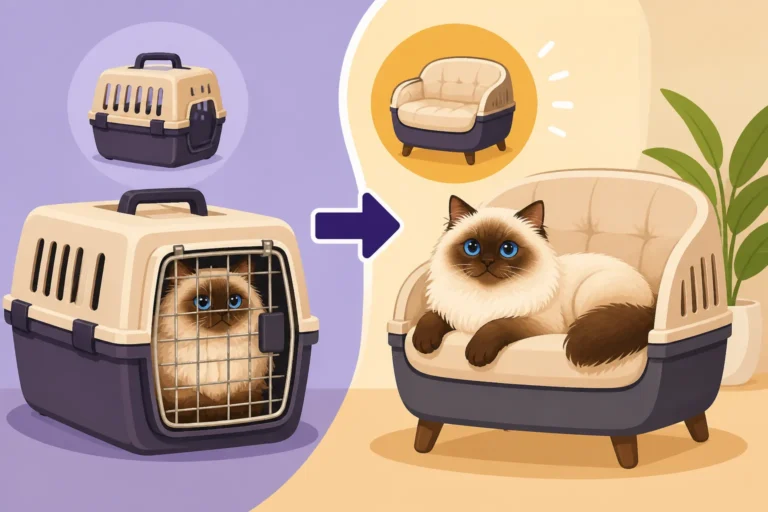
For a Himalayan, their "own chair" isn't just a piece of furniture; it's a sanctuary, a watchtower, and a declaration of sovereignty all rolled into one. These cats are creatures of habit and comfort. They invest heavily in their chosen spots, imbuing them with their scent, finding the perfect sunbeam angles, and memorizing every creak and contour. This particular chair offers them several crucial advantages when visitors arrive. Firstly, it's a known safe space, a bastion of familiarity in a suddenly altered environment. Secondly, its elevation (even if it's just a sofa cushion or a low armchair) gives them a slightly better view without putting them directly in the chaotic flow of human feet. Unlike some more adventurous breeds that might scale bookshelves, Himalayans are not typically high climbers. Their sturdy, cobby build and often serene disposition mean they are much more likely to keep all four paws firmly planted on stable surfaces. This is why Why a Himalayan Stays on the Floor and the Sofa is so characteristic; they find their comfort and security at ground level, or just slightly above it, rather than up high. From their chosen chair, they can survey the scene, feel secure, and retreat into themselves if the activity becomes too much. It's their personal observation deck, allowing them to remain part of the household while maintaining a comfortable distance.
Understanding Their Observation Tactics
When your Himalayan is settled in their favorite chair, seemingly unbothered by the chatter and laughter, they are far from disengaged. Their quiet observation is a complex process, a masterclass in feline social strategy. They're not ignoring your guests; they're simply engaging with them on their own terms, in a manner that feels safe and natural for their breed.
The Art of the Silent Assessment
A Himalayan watching visitors isn't just idly staring; they are performing a detailed assessment. Their large, expressive blue eyes, though beautiful, often hold an almost stoic quality, making it hard to read their exact thoughts. However, rest assured, they are taking everything in. They’re noticing who is loud, who is quiet, who makes sudden movements, and who is more respectful of their space. This isn't necessarily fear, but a practical, survival-instinct-driven analysis of potential threats or, more often, just new variables. They process new smells – the perfumes, colognes, and outdoor scents carried in on your guests' clothing – which are a huge part of how cats understand their world. They listen to the different tones of voice, the pitches, and the volumes. They’re deciding, in their own time, whether these newcomers are benign, interesting, or best avoided. It takes time for a Himalayan to warm up, and sometimes it can take How Many Visits Before a Himalayan Accepts Someone for them to truly lower their guard. Don't expect immediate affection; appreciate the quiet acknowledgment of their presence.
The Minimalist Communicator
Unlike a boisterous Siamese, whose vocalizations might announce their opinions on everything from the weather to the quality of their last meal, a Himalayan communicates in much more subtle ways. Their voices are generally softer, more of a chirrup or a gentle trill, and they reserve their louder pronouncements for truly important matters, like an empty food bowl. When guests are present, their communication is often entirely non-verbal. A slow blink might indicate a degree of comfort, while a slight twitch of an ear or a subtle shift of their magnificent ruff could signal mild apprehension or increased focus. They might keep their tail gently curled around their body, or slowly swish it back and forth, indicating a relaxed state, but any rapid thumping or tucking under their belly would be a clear sign of distress. Understanding How a Himalayan Shows Displeasure Without Moving is key to respecting their boundaries.
From their favored chair, they use their entire body to create a subtle barrier. The bulk of their luxurious Persian coat, combined with their naturally robust "cobby" frame, can make them appear larger and less approachable, which serves as a natural deterrent for overly enthusiastic human interaction. They might stretch out, taking up more space on the cushion, subtly reinforcing their claim to that safe zone. If you're looking for ways to engage them gently from afar, even while they're in their observation post, a quiet, non-threatening toy can be a good option. You can find excellent choices on Amazon, like a long-feathered wand toy that you can gently wave from a distance, allowing them to participate in play without having to leave their secure perch. This type of interaction allows them to control the engagement, which is paramount for their comfort.
Creating a Welcoming Environment for Both Cat and Guest
Ensuring your Himalayan feels secure and happy when you have visitors over is a balancing act. It’s about respecting their natural tendencies while also allowing your guests to enjoy their presence, even if it's from a distance. The key is preparation and gentle management of expectations for everyone involved.
Pre-Visit Preparations and Safe Havens
Before your guests even arrive, you can take several steps to minimize stress for your Himalayan. Their finely tuned senses mean they pick up on changes in scent, sound, and energy much more readily than we do. Consider using a feline-friendly pheromone diffuser in the room where guests will gather, or near their favorite chair, to create a calming scent environment. Ensure their litter box is clean and their food and water bowls are easily accessible. Most importantly, make sure their favorite chair, or whatever spot they choose as their observation post, is undisturbed.
It's also a good idea to create a designated "Himalayan retreat" – a quiet room or space that they can easily escape to if the social activity becomes overwhelming. This doesn't mean locking them away, but rather giving them the option to disappear if they choose. A comfortable cat bed in a spare room, a favorite tunnel, or even just leaving a closet door ajar can provide a much-needed sanctuary. Learning how to set up Making One Room Comfortable for a Himalayan Left Alone can be invaluable, not just for guest visits but also for times when you might be away from home for a few hours. A sense of control over their environment is crucial for a Himalayan's well-being. Knowing they have an exit strategy, even if they choose not to use it, can significantly reduce their anxiety.
Educating Your Guests on Himalayan Etiquette
The most important step in fostering a peaceful coexistence between your Himalayan and your guests is education. Most people are well-meaning but simply don't understand the nuances of cat behavior, especially with a reserved breed like the Himalayan. Gently explain to your visitors that your cat is a "watcher" and prefers to observe from a distance, at least initially.
Here are some key points to share:
- The "Let Them Come to You" Rule: Emphasize that direct approaches, reaching out to pet, or trying to pick up your Himalayan will likely result in them retreating further. Instead, advise guests to ignore the cat, allowing the Himalayan to initiate contact if and when they feel comfortable.
- Quiet and Calm: Ask guests to speak in soft voices and avoid sudden movements, especially when near the cat's chosen spot. Loud noises and abrupt gestures can be startling and overwhelming for a sensitive feline.
- The Power of Play (from afar): If your Himalayan is receptive to interaction, even from their chair, suggest a gentle game with a Which Wand Toys a Himalayan Can Actually Follow. These toys are fantastic because they allow for engagement without close physical contact. A guest can sit on the floor a few feet away, gently waving a wand toy, and allow the cat to pounce and play from their safe zone. Look for wand toys with natural feathers or soft tassels on Amazon for a more appealing and enriching play experience. This controlled play can build positive associations with visitors without invading the cat's personal space.
- Respect the Gaze: If the Himalayan makes eye contact, encourage guests to offer a slow blink back. This is a universal feline signal of trust and relaxation.
By setting these clear guidelines, you not only protect your cat from unwanted stress but also help your guests understand and appreciate the unique personality of your Himalayan.
Long-Term Strategies for Socialization
While some cats are naturally gregarious, for a Himalayan, becoming comfortable with new people is often a gradual process built on consistent positive experiences. It's less about "training" them to be social butterflies and more about fostering a sense of security and trust that allows their quiet confidence to emerge.
Gradual Exposure and Positive Reinforcement
Building your Himalayan's comfort level with guests is a marathon, not a sprint. Regular, low-key visits from a few trusted friends can be incredibly beneficial. The key is consistency and managing the intensity of the interaction. Start with short visits, perhaps with just one person, and gradually increase the duration and number of people as your cat shows signs of comfort.
Positive reinforcement is your best friend here. When your Himalayan is in the room with guests, even if they're still on their chair watching, offer them a high-value treat or some quiet praise. This helps them associate the presence of visitors with good things happening. Never force interaction. Trying to pull them out from under a bed or off their chair to "meet" someone will only erode their trust and make future visits more stressful. Instead, celebrate small victories – a tail flick, a brief stretch, or even just remaining in the room. You'll find that for a Himalayan, finding the right motivation, like a favorite treat, can make all the difference in getting them to cooperate, whether it's for grooming or social events. It’s much like how you might offer What a Himalayan Will Take to Sit Through a Comb; the right incentive can encourage desired behavior without coercion.
Over time, as they learn that visitors are not a threat and often bring treats or calm energy, their observation might turn into a tentative approach, perhaps for a sniff or a gentle rub against a familiar leg. Patience and consistency are paramount.
Recognizing Stress Signals and Respecting Boundaries
It's vital to become adept at reading your Himalayan's subtle cues. While they are masters of quiet observation, they also have equally subtle ways of communicating discomfort or stress. Look for signs like flattened ears, a tail tucked tightly between their legs, dilated pupils, or a sudden change in their posture – perhaps hunching down or becoming very still. If you see these signs, it's a clear signal that they need more space.
Their "own chair" is their chosen boundary. If they are on it, respect that boundary. Do not encourage guests to reach towards them, especially if the cat is showing signs of anxiety. If the situation becomes too much, your Himalayan will often retreat to a more secluded spot, perhaps under a bed or into their designated safe room. Knowing Where a Himalayan Goes When the House Gets Busy can help you prepare these spaces in advance and direct them there if needed. It’s not a rejection of you or your guests, but a self-preservation instinct at play. Having a selection of comfortable cat beds, igloos, or even elevated perches (if they feel secure climbing a few steps) can provide excellent options for their "safe chair" or retreat spaces. You can find a wide variety of these calming cat accessories on Amazon, catering to different preferences and ensuring they always have a soft, secure spot to call their own.
By understanding that your Himalayan’s quiet observation from their chair is a sign of their unique personality and their need for security, you can better manage social situations in your home. This respect for their nature will strengthen your bond and ensure your beautiful, placid companion remains happy and content, even when their human family is being extra lively. They might not be the life of the party, but they are certainly its most elegant and thoughtful observer. Sometimes, a quiet presence, patiently awaiting the return to routine, is exactly what a home needs. You might also find that their silent communication extends to other situations, such as Why a Himalayan Waits Rather Than Complains at a Door, preferring to hope you notice rather than loudly demand attention. Keeping an eye on their general demeanor, including subtleties like What a Well Built Himalayan's Breathing Sounds Like, can offer further clues to their overall comfort level, as changes in breathing can indicate stress or health issues, even if their face remains expressionless. Finally, being mindful of how they cope with new environments, like How a Himalayan Behaves in a Vet Waiting Room, can give you valuable insight into their coping mechanisms during stressful times.
| Behavior Trait | Himalayan (Typical) | More Extroverted Cat (e.g., Siamese, some Abyssinians) |
|---|---|---|
| Initial Guest Reaction | Observes from a distance, often a favored perch. | Rushes to greet, sniffs, rubs against legs. |
| Vocalization | Quiet, occasional chirps or soft meows. | Frequent, loud meows, "talking" to guests. |
| Physical Contact | Waits for guests to be still; may allow petting. | Seeks attention, jumps on laps, demands petting. |
| Retreat Strategy | Quietly moves to another secluded, known spot. | May playfully dart away but often returns quickly. |
| Play During Visits | May engage with wand toy from a distance. | Actively plays with guests, chases, performs tricks. |
| Recovery Time | Takes longer to return to normal routine post-visit. | Quick to settle back into routine after guests leave. |
Disclaimer
This article is for general informational purposes only and does not constitute professional advice. Laws, prices and regulations vary by location and change over time. Consult a qualified professional for guidance on your specific situation.