What a Himalayan Does All Day in One Chair
If you're a proud parent to a magnificent Himalayan cat, you've probably noticed a common theme in their daily life: a deep, abiding love for a favorite chair, sofa cushion, or perhaps a particular patch of sun on the floor. It's not just a cute quirk; it's a fundamental part of who they are, rooted deeply in their genetics and physical makeup. This guide will delve into why your Himalayan seems to have perfected the art of elegant repose, what their "busy" day in that one spot actually entails, and how you can ensure they're happy and healthy, even with their decidedly relaxed approach to life.
Understanding the Himalayan's Sedentary Nature
Let's be honest, Himalayans aren't exactly known for their boundless energy or their desire to scale the highest bookshelves. They're more like elegant, fluffy connoisseurs of comfort. This isn't laziness; it's a feature, not a bug, of the breed, a beautiful blend of their Persian and Siamese heritage that leans heavily into the Persian side's calm demeanor and physical characteristics.
The Persian Influence: Built for Comfort, Not Speed
The most significant factor influencing your Himalayan's love affair with the sofa is their Persian lineage. Persians are historically known for being quiet, dignified, and incredibly placid cats. They were bred to be companions, admired for their luxurious coats and serene presence, rather than for their hunting prowess or agility. Think of it this way: their ancestors weren't chasing mice in barns; they were lounging on velvet cushions in stately homes. This genetic predisposition means your Himalayan comes pre-programmed for a life of gentle contentment. Their What a Himalayan's Cobby Frame Should Weigh is built to be sturdy and round, not lean and athletic. This cobby, heavy-boned body isn't designed for acrobatic feats or prolonged high-energy play. It's perfectly suited for finding a comfortable spot and staying there, surveying their kingdom with regal indifference.
Beyond their build, their long, dense coat, which is truly a marvel of the cat world, also plays a role. While stunning, it can become quite warm, especially in an active cat. A long coat means they're prone to overheating much faster than a short-haired, more active breed. So, staying still in a cool spot is often a practical choice for comfort. If you notice your Himalayan panting or seeming lethargic after even a short burst of play, it's a clear sign they're getting too warm, reinforcing their natural inclination towards stillness. Why a Himalayan Stops Playing When It Gets Warm is a crucial piece of understanding their activity levels.
The Siamese Spark: A Touch of Talk and Play
Now, while the Persian side provides the foundational calm, let's not forget the Siamese contribution. This is where that wonderful hint of personality, that subtle vocalization, and that occasional burst of playful energy come from. The Siamese are famously energetic, vocal, and intelligent, and they did impart some of that into the Himalayan. This is why your Himalayan isn't a complete statue; they have moments. They might chirp at you from their chosen perch, offering a quiet comment on the state of the world, or engage in a short, intense play session with a wand toy. How Much Livelier the Siamese Half Made the Himalayan is a fascinating look at this blend.
However, these bursts are usually brief. They'll play hard for a few minutes, maybe chase a feather on a stick with surprising speed, and then, almost as quickly, they'll retreat to their comfortable spot, perhaps with a slight huff or a dramatically slow blink, signaling their need for a recharge. It's a delightful contrast – the quiet dignity of a Persian with a tiny, charming spark of Siamese sass. They’re a lap cat that answers back, but usually from a seated position, mind you. The Himalayan Is a Lap Cat That Answers Back perfectly encapsulates this unique personality blend.
The Art of Chair Selection: Where and Why Himalayans Settle
It's not just any chair, is it? Himalayans are quite particular about their chosen resting spots. They approach the selection of their daily "command center" with the meticulousness of a seasoned interior designer, prioritizing comfort, temperature, and strategic vantage points.
Seeking the Perfect Microclimate and View
Have you ever noticed your Himalayan shifting spots throughout the day? This isn't restlessness, but a finely tuned instinct for comfort. They're masters of microclimates. In the morning, they might bask in a patch of sunlight, absorbing the warmth, but by midday, when the sun gets intense, you'll find them relocating to a cooler, shadier spot. This is particularly true for cats with dense coats. Often, the cool tile of a kitchen floor or a shaded area under a table becomes their refuge when temperatures rise. Why a Himalayan Sits Where the Floor Is Coldest is a common observation for many owners. They instinctively know their long coat and somewhat compromised airway (especially for Peke-faced types) make them susceptible to overheating, so temperature regulation is key to their comfort.
Beyond temperature, a good view is paramount. From their chosen "throne," they want to be able to observe the household without having to participate too actively. This might be a favorite armchair facing the living room, a window perch that allows them to watch birds (or squirrels, or even just leaves fluttering), or a spot on the bed that offers a clear line of sight to the hallway. They love to be involved, but from a comfortable distance. This isn't about being aloof; it's about being present and aware, without expending unnecessary energy. They are the quiet observers, the serene guardians of the home, whose subtle shifts in gaze can tell you everything you need to know about the current situation.
Claiming Their Territory Without Conflict
Himalayans are generally not highly territorial in an aggressive sense, but they are very particular about "their" spots. Once a Himalayan has designated a chair, a blanket, or a corner of the sofa as their personal domain, it becomes theirs for the foreseeable future. This claiming process usually happens quite subtly – a casual stretch, a leisurely nap, perhaps a gentle head-rub against the cushion. There's no dramatic posturing, just a quiet, undeniable occupation. If another pet or a human unwittingly invades their spot, you might be met with a slow, deliberate blink, a slight twitch of the tail, or a soft, almost imperceptible sigh that clearly communicates, "Excuse me, but you're in my chair."
They rarely engage in direct confrontation; instead, they employ a masterful passive-aggressive charm offensive. They might sit a few feet away, staring intently until you feel their gaze and realize your transgression. Or, they might simply wait patiently until you move, then glide back into their rightful place with an air of profound relief. This low-key assertiveness is part of their charm and why Why a Himalayan Claims One Chair and Keeps It rings so true for owners. Their presence itself is enough to communicate ownership, and their calm nature means they rarely need to resort to more overt displays. It makes them ideal companions for quieter households or Why a Himalayan Suits a Family With Older Children who understand and respect a cat's personal space.
A Day in the Life: From Naps to Quiet Observation
So, what exactly does a Himalayan do all day in one chair? It might seem like a lot of nothing to the casual observer, but for a Himalayan, it's a meticulously managed schedule of rest, observation, and subtle interaction.
The Nap Cycle: Masters of Relaxation
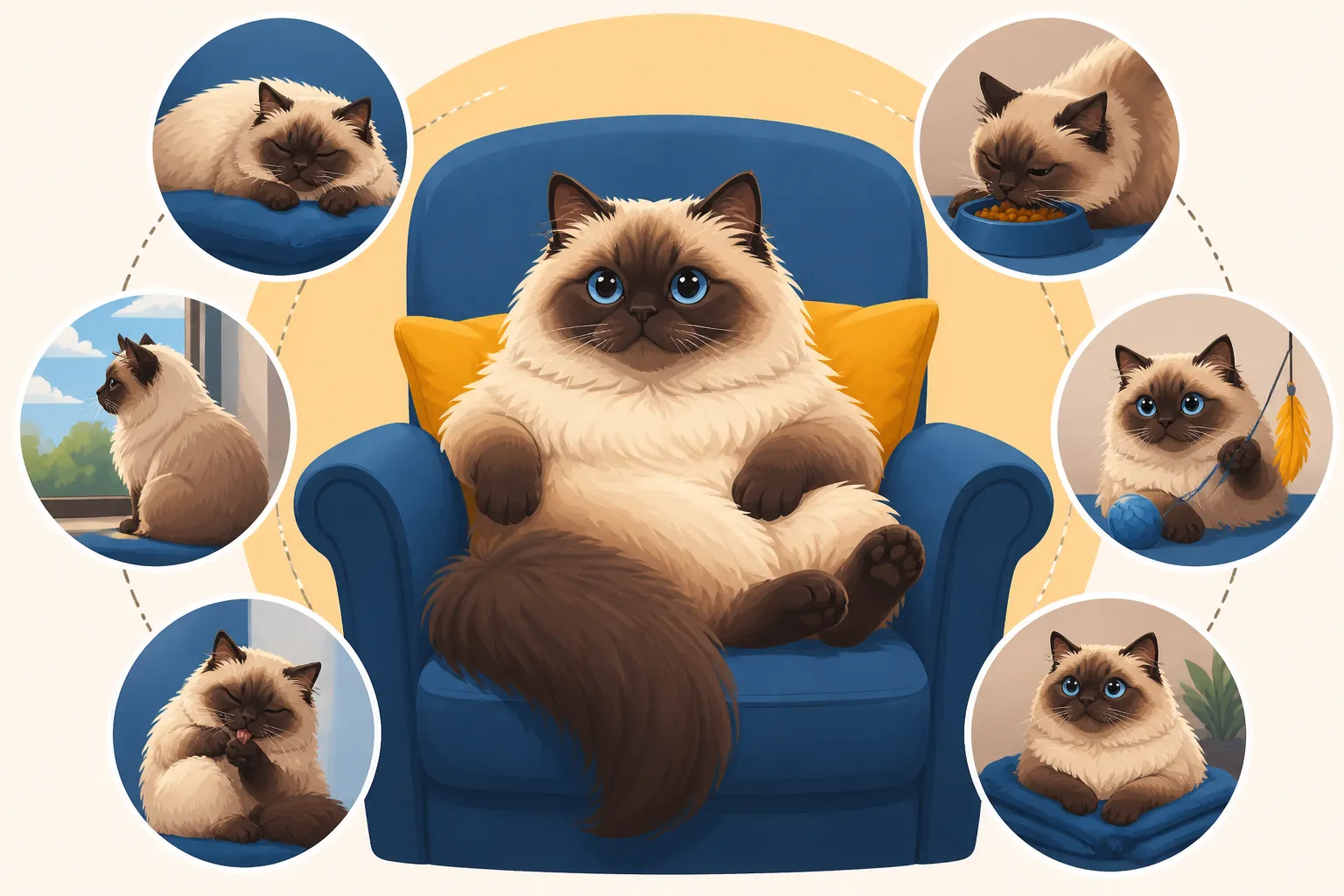
Let's be real: a significant portion of a Himalayan's day is dedicated to napping. They are true connoisseurs of sleep, finding various positions to achieve peak relaxation. From the classic "loaf" position to a full-on sprawl, they can drift off anywhere that offers comfort. These aren't always deep sleeps; often, they're more like catnaps, where an ear might twitch at the sound of a distant door or an eye might crack open just enough to confirm the world is still turning as expected. It's a form of active resting, conserving energy while remaining subtly aware of their surroundings. How Many Hours a Day a Himalayan Is Actually Awake might surprise you; it's less than you'd think!
These naps are essential for their overall well-being. They help regulate their body temperature, especially with that magnificent double coat, and allow them to recharge for their next important activity – which might simply be shifting to a new comfortable spot. Their calm demeanor and preference for stillness mean they truly embody the phrase "cat nap."
| Time of Day | Typical Himalayan Activity in Chair | Purpose/Behavior |
|---|---|---|
| Early Morning | Gentle Stretch, Grooming (minimal) | Waking up, light self-maintenance. |
| Morning | Sunbathing (if available), Deep Nap | Absorbing warmth, deep rest. |
| Mid-day | Observational Naps, Head Turns | Monitoring household, light dozing. |
| Afternoon | Quiet Chewing (toys), People-Watching | Mild entertainment, engagement. |
| Evening | Lap Time (if offered), Vocalization | Affection, communication. |
| Night | Deep Sleep, Occasional Repositioning | Full rest and recovery. |
Subtle Communication and Interaction
Don't let their stillness fool you into thinking they're not interacting. Himalayans are masters of subtle communication, especially from their chosen spot. They'll use their eyes, tail, and soft vocalizations to convey their needs or feelings. A slow blink directed your way is the ultimate sign of trust and affection. A tail gently swishing from side to side might indicate mild interest in what you're doing, while a slight flick of the tip could mean "I'm aware, but not moved to action."
They are not typically loud cats, which is a lovely contrast to their Siamese ancestors. Their meows are often soft, trilling, or chirping, reserved for specific requests like mealtime or attention. How Often a Himalayan Uses the Voice It Inherited shows this quiet nature. They might simply look at you, then at their food bowl, and then back at you, conveying their hunger with a silent but incredibly effective message. Or they might gently head-butt your hand if you pass close enough, asking for a pet without even standing up. How a Himalayan Asks Without Raising Its Voice is something all Himalayan owners learn to interpret. They don't need to yell to get their point across; their dignified presence does it for them.
Watching the World Go By
From their chosen chair, your Himalayan is an astute observer of their environment. They take in every detail – the shifting light, the dust motes dancing in a sunbeam, the arrival of a new Amazon package, the movements of family members. While they might not be chasing butterflies, they are mentally engaged, processing the world around them. This quiet contemplation is part of their charm. They embody a serene wisdom, seemingly content just to be. Why a Himalayan Watches Visitors From Its Own Chair is a common sight. They're not hiding; they're simply observing the social dynamics of the house, preferring to be a participant through presence rather than overt action. They are the ultimate homebodies, perfectly content within their known, comfortable surroundings.
Enrichment Strategies for the Stationary Himalayan
Just because your Himalayan prefers to spend most of their time in one chair doesn't mean they don't need mental and physical enrichment. Their needs might be different from a high-energy breed, but they are just as important for their overall happiness and health.
Bringing the Play to Them
Since your Himalayan isn't likely to scale a multi-level cat tree (they often decide The Height a Himalayan Decides Is Not Worth It), you need to bring the fun to them. Wand toys are a fantastic solution. They allow you to stimulate their hunting instincts from a safe distance, letting them bat, pounce, and stalk from the comfort of their chosen spot. Feather wands, crinkle balls on a string, or even just a piece of yarn (supervised, of course!) can provide minutes of engaging play without requiring them to leave their perch. Keep play sessions short, perhaps 5-10 minutes, especially if you have a Peke-faced Himalayan, as they can overheat quickly. Remember, Why a Himalayan Pants After Five Minutes of Play is a real concern, so watch for signs of overexertion.
Puzzle feeders are another excellent way to engage their minds. However, with a flat-faced breed, you'll need specific types that accommodate their unique facial structure. Look for shallow, wide puzzle feeders or lick mats that allow them to easily access treats without discomfort. An Amazon search for "flat face cat feeder" or "brachycephalic cat puzzle bowl" can yield good results. Placing these feeders near their favorite chair means they can enjoy a mental challenge and a tasty reward without having to roam far.
Sensory Stimulation and Comfort
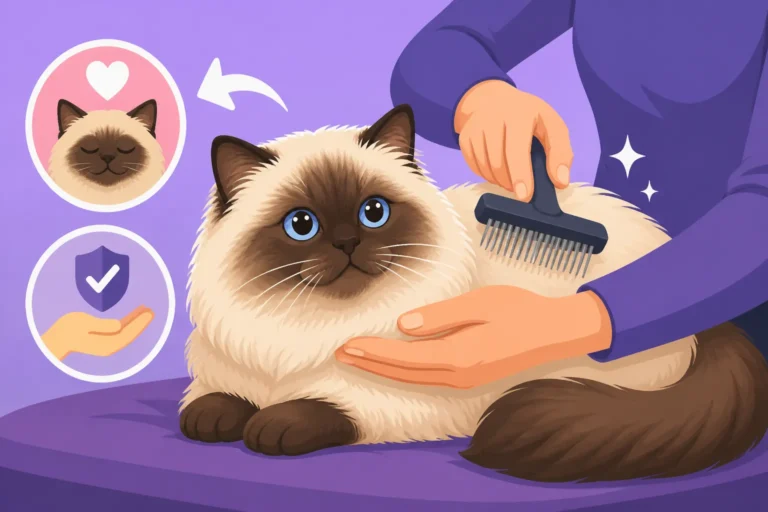
Beyond play, think about their other senses. A soft blanket or a warming bed can make their favorite chair even more inviting, especially as they get older. Gentle brushing sessions are not only essential for their magnificent coat but also a wonderful bonding experience. Many Himalayans absolutely adore being groomed, and it's something you can do right there with them in their chair. It's a quiet, comforting ritual that strengthens your bond and helps keep their coat free of mats, which can become a serious health issue if neglected. The Daily Comb a Himalayan Cannot Skip is paramount to their well-being.
Consider placing a small, low-profile scratching pad or a simple sisal mat near their chair. While they may not be scaling posts, they still need to stretch and maintain their claws. A flat scratching surface can be quite appealing for a cat that prefers to stay grounded. Rotate toys and blankets regularly to keep their environment fresh and interesting, even if the cat itself is not moving much. Even a new scent on a blanket can provide novel stimulation for your otherwise stationary companion.
Establishing a Predictable Routine
Himalayans thrive on routine. While they might appear indifferent, they are creatures of habit, and knowing what to expect throughout their day brings them immense comfort. Feed them at the same times, have play sessions at consistent intervals, and even your own daily movements around the house can become part of their comforting rhythm. Why a Himalayan Expects to Be Fed at the Same Hour isn't just a preference; it's a deep-seated need for predictability.
Even if their "day" consists largely of being in one chair, having predictable moments of interaction and care ensures they feel secure and loved. They'll know when to anticipate their favorite wand toy appearing, when their meals are served, and when you might settle down to offer some quiet pats. This predictability reduces stress and allows them to fully lean into their naturally calm disposition, making their chosen chair truly their happy place. They might not jump for joy, but a contented blink or a soft purr will tell you all you need to know.
Disclaimer
This article is for general informational purposes only and does not constitute professional advice. Laws, prices and regulations vary by location and change over time. Consult a qualified professional for guidance on your specific situation.