Whether a Himalayan Will Walk Outside at All
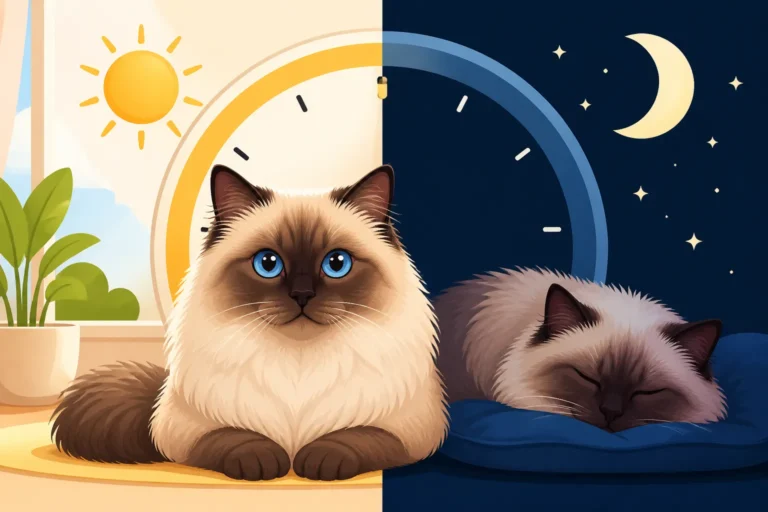
It’s a common daydream, isn't it? You picture your beautiful Himalayan, with its majestic coat and soulful blue eyes, gracefully strolling beside you on a leash, enjoying the fresh air and sunshine. Perhaps you’ve seen videos of other cats on adventures and thought, "My cat would love that!" The reality, however, for our cherished Himis, is often far different, fraught with unique challenges that make traditional outdoor walks a genuine concern. This guide will delve deep into why the idea of taking a Himalayan for a walk is usually more romantic than practical, and what true outdoor enrichment looks like for this special breed.
The Himalayan's Innate Preference for Indoor Life
Himalayans, by their very nature, are homebodies. They thrive in a predictable, calm, and clean indoor environment. While they possess a spark of the adventurous Siamese, their dominant Persian heritage gives them a strong preference for quiet comfort and routine. They aren't typically the type of cat that yearns for wide-open spaces or the thrill of the hunt.
The Persian Legacy of Calm
Let's talk about that deep Persian influence. Think of a classic Persian: serene, dignified, often found lounging in a sunny spot. This temperament is strongly inherited by the Himalayan. They are generally low-energy cats, content to supervise their domain from a favorite chair or the end of a sofa. Their energy levels are quite different from, say, a Bengal or even many domestic shorthairs who have a much stronger drive to explore beyond the four walls. A sudden noise, an unfamiliar smell, or an unexpected gust of wind can be genuinely startling and upsetting for a Himalayan. They are creatures of habit, and the unpredictable nature of the outdoors can be a source of stress rather than stimulation. They appreciate comfort and predictability above almost all else. You might even notice that a Himalayan often settles into a favorite spot and What a Himalayan Does All Day in One Chair. This preference for a stable environment extends to their perception of the world outside.
The Siamese Influence on Curiosity
Now, it's true, Himalayans aren't pure Persians. They have that splash of Siamese ancestry, which does imbue them with a bit more vocal expression and sometimes a touch more playfulness than their solid-colored Persian cousins. This Siamese side is what often gives them their lovely, albeit softer, voice, and can make them more engaged with their human companions. This is also where the idea of outdoor curiosity might stem from. A Himalayan might sit at the window, watching birds with keen interest, or track a fly buzzing inside. This observation, however, is often passive enjoyment. The leap from observing a bird from a safe window to actively wanting to chase it through unfamiliar, potentially dangerous terrain is a significant one. While they might show a flicker of interest in the world beyond the glass, it's rarely a deep-seated urge to physically participate in it, especially if it means leaving their comfortable, known territory. This limited curiosity is why they often adapt well to being exclusively indoor cats, enjoying a rich life without ever setting a paw on grass. Indeed, many would argue that Why a Himalayan Has No Business Outdoors at All.
Physical Limitations Affecting Outdoor Activity
Even if your Himalayan harbored a secret desire for adventure, their unique physical attributes make outdoor excursions, particularly walks, incredibly challenging and often risky. Their distinctive "flat face," luxurious long coat, and cobby body type, while endearing, are not built for rugged exploration.
Breathing Challenges on an Adventure
The most significant physical limitation for a Himalayan venturing outdoors is their brachycephalic (flat-faced) structure. This characteristic, so central to their breed standard, means they often have shortened nasal passages and sometimes an elongated soft palate. These features can make breathing difficult even during normal activity, and significantly exacerbate with exertion or in warm weather. Imagine trying to run a marathon while breathing through a straw – that's a bit what it can feel like for a brachycephalic cat. Even a short stroll on a leash, which might seem like gentle exercise, can quickly become a struggle. They simply cannot regulate their body temperature as effectively as cats with longer muzzles. They are highly susceptible to overheating, which can quickly become a medical emergency. You'll find that The Temperature a Himalayan Starts to Struggle At is much lower than you might expect for other breeds, and you can almost instantly tell Why a Himalayan Pants After Five Minutes of Play. This vulnerability makes any strenuous outdoor activity perilous.
The Coat's Outdoor Woes
Then there's that magnificent coat! Himalayans boast a dense, long, flowing double coat, which is truly a thing of beauty indoors. Outdoors, it's a magnet for every piece of debris imaginable. Think about stepping outside with your Himmy: within minutes, that beautiful fur can pick up twigs, leaves, burrs, dirt, dust, and all sorts of allergens. Muddy paws mean a muddy coat. Not only does this make them incredibly dirty and uncomfortable, but it also dramatically increases the risk of matting. A single burr caught deep in the undercoat can quickly escalate into a painful mat that pulls on their skin. Tackling these mats often requires significant grooming effort, or even professional intervention, which can be stressful for the cat. Beyond debris, the coat also makes them more prone to picking up parasites like fleas and ticks, even if they are treated with preventatives. The risk of encountering substances like weed killer, antifreeze, or other toxins that can cling to their fur and then be ingested during grooming is also a serious concern. It's truly a struggle for Why a Himalayan's Coat Cannot Survive Outdoors in pristine condition.
Short Legs, Low Clearance
Himalayans are described as "cobby" – compact and heavily boned, with short, sturdy legs. While this gives them a charming, rounded appearance, it's hardly the build of an agile outdoor explorer. Their short legs mean very little ground clearance, making even small obstacles like curbs, uneven pavement, or tall grass surprisingly difficult to navigate. They aren't built for jumping or scaling heights with the same ease as a more athletic cat. What might be a simple step for another cat could be a substantial hurdle for a Himalayan. This physical limitation can lead to frustration, awkward movements, and even potential injury if they misjudge a step. They're much more at home leaping onto a cushioned sofa than traversing a rocky path.
Training and Safety Concerns for Outdoor Ventures
Given their temperament and physical limitations, attempting to train a Himalayan for outdoor walks introduces a host of safety concerns that far outweigh any potential benefits. It's a venture that requires immense patience, meticulous preparation, and a constant awareness of the significant risks involved.
Harnessing the Himalayan
The very first step for any outdoor excursion is a harness, and even this can be a monumental challenge for a Himalayan. Their dense, fluffy ruff around their neck, combined with their generally relaxed nature, means that many harnesses simply don't fit properly or are uncomfortable. A harness that slips or chafes can quickly turn a potential adventure into a stressful ordeal. You need a harness specifically designed for cats, ideally an H-style or vest harness, that distributes pressure evenly and is escape-proof, given their relatively supple bodies. Introducing the harness must be a slow, positive experience, starting with short periods indoors, paired with treats and praise. Many Himalayans, due to their thick coat and sensitive skin, will simply object to the feeling of something constricting them. Finding one that fits securely without causing discomfort or digging into their neck and airway area can be a real quest. Even if they tolerate it, the act of walking on a leash is not instinctive for cats, and few Himalayans will take to it with the enthusiasm of a dog.
The Dangers of the Great Outdoors
Even if your Himmy somehow accepts a harness and leash, the outdoor world is a truly dangerous place for them. Consider the following:
- Vehicles: A Himalayan's slow, deliberate pace and inherent lack of street smarts make them incredibly vulnerable to cars, even on quiet residential streets. They don't have the lightning-fast reflexes or predatory awareness of a streetwise feral cat.
- Other Animals: Dogs, other cats, and even wild animals (coyotes, foxes, large birds) pose a significant threat. A Himalayan, with its placid nature, is more likely to freeze or attempt a slow retreat than to defend itself effectively.
- Toxins: As mentioned, pesticides, herbicides, antifreeze, and other chemicals are common in outdoor environments. These can be ingested directly or groomed off their fur, leading to serious illness or worse.
- Parasites: Fleas, ticks, and internal parasites like worms are abundant outdoors. While preventatives exist, none are 100% foolproof, and exposure increases the risk.
- Escape: A startled cat can easily slip a poorly fitted harness or break free if the leash is yanked. An escaped Himalayan, unprepared for the outside world, is at extreme risk. How Fast an Outdoor Himalayan Overheats is something to be acutely aware of, and getting lost or injured makes this even more dangerous.
- Heatstroke: We've touched on this, but it bears repeating. Their brachycephalic structure and heavy coat make them overheat rapidly, especially in direct sunlight or warm weather. A short walk on a seemingly mild day can quickly turn into an emergency situation.
These risks are not merely theoretical; they are daily realities for outdoor cats, and a Himalayan is particularly ill-equipped to handle them. What Nobody Tells You Before Buying a Himalayan often includes the stark reality of how fragile they are in an unsupervised outdoor setting.
Meaningful Alternatives to Outdoor Walks
So, if traditional walks are largely out of the question, how can you provide a rich and stimulating life for your beloved Himalayan? The good news is that there are many safe and enjoyable ways to enrich their indoor world and even give them a taste of the outdoors without the inherent dangers.
Indoor Exploration and Play
For a Himalayan, a well-structured indoor environment is their oyster. Focus on vertical space and engaging toys.
- Cat Trees and Perches: While they aren't champion jumpers, a sturdy, low-to-medium height cat tree with wide platforms can be a huge hit. They love to observe their surroundings from a slightly elevated position. Window perches are also fantastic, allowing them to watch the "cat TV" of birds and squirrels from a safe vantage point. Ensure any perches are easily accessible, perhaps with a ramp or steps, given their short legs.
- Interactive Toys: Despite their calm demeanor, Himalayans do enjoy playtime. Wand toys, especially those with feathers or soft attachments, can get them moving. Laser pointers can be fun, but always end a session by directing the laser onto a physical toy they can "catch" to prevent frustration. Puzzle feeders are also great for mental stimulation, though you'll need to choose ones that accommodate their flat face. Which Toys Get a Himalayan Off the Sofa can be a fun journey of discovery for both of you.
- Comfort and Routine: Never underestimate the power of a soft blanket, a warm lap, and a predictable daily routine for a Himalayan. These elements contribute immensely to their sense of security and well-being. Regular grooming sessions can also be a bonding experience and a form of gentle interaction.
Creating a Safe "Outdoor" Experience
If you truly want your Himalayan to experience fresh air and outdoor sights, a secure enclosure is the safest and most effective solution.
- Catios (Cat Patios): These are enclosed, secure outdoor spaces that can range from a small window box to an elaborate, multi-tiered structure in your yard. A catio allows your Himalayan to feel the breeze, smell the outdoor scents, hear the birds, and bask in the sun, all while being completely protected from traffic, predators, parasites, and toxins. For a Himalayan, a catio should prioritize shade and comfort over climbing height, with plenty of soft resting spots. Why a Himalayan Lies Down in a Catio Rather Than Explore is a common observation, highlighting their preference for simply being outside rather than adventuring. They often find immense joy in simply watching the world go by from their secure perch.
- Window Screens and Open Doors: Sometimes, simply having a securely screened window open, or a door leading to a screened-in porch, is enough. This provides them with the sensory input of the outdoors without any risk. Ensure screens are sturdy and cannot be pushed out.
| Feature | Traditional Outdoor Walk (Leash) | Catio (Secure Enclosure) | Indoor Enrichment (Toys, Trees) |
|---|---|---|---|
| Safety | Low (high risk of injury, escape, toxins, predators, overheating) | High (protected from all major outdoor dangers) | Highest (controlled environment) |
| Physical Demands | High (can lead to breathing difficulties, overheating, stress) | Low (cat controls exertion, can rest in shade) | Variable (owner controlled play, cat's own pace) |
| Coat Maintenance | Very High (mats, debris, dirt, parasites) | Low to Medium (less debris, but still needs checking) | Low (standard indoor grooming) |
| Mental Stimulation | High (new sights, sounds, smells, but often overwhelming) | High (sensory input without stress, observation) | High (play, puzzles, observation from windows) |
| Himalayan Suitability | Very Low (due to brachycephaly, coat, temperament) | High (provides safe access to outdoors, aligns with their calm nature) | High (tailored to their needs, minimal risk) |
| Cost | Low (harness, leash) | Variable (simple window box to elaborate structure) | Low to Medium (toys, cat trees) |
The Joy of the Window Perch
Honestly, for many Himalayans, a strategically placed window perch offers all the "outside" they truly desire. It allows them to soak up the sun, feel the warmth, and observe the bustling world beyond their glass pane without ever having to engage with its unpredictable nature. They can chatter at birds, watch leaves fall, or simply nap in a sunbeam, completely safe and content. Consider a sturdy, wide window perch that allows them to stretch out comfortably. Having a couple of these around the house, especially in rooms where they spend a lot of time, can dramatically increase their daily enrichment. It’s a simple pleasure that perfectly aligns with their calm, observant nature.
Disclaimer
This article is for general informational purposes only and does not constitute professional advice. Laws, prices and regulations vary by location and change over time. Consult a qualified professional for guidance on your specific situation.