How a Himalayan Is Swabbed for the Persian Kidney Gene
Genetic cheek swab testing identifies the Persian kidney gene in Himalayans to prevent polycystic kidney disease and cysts.
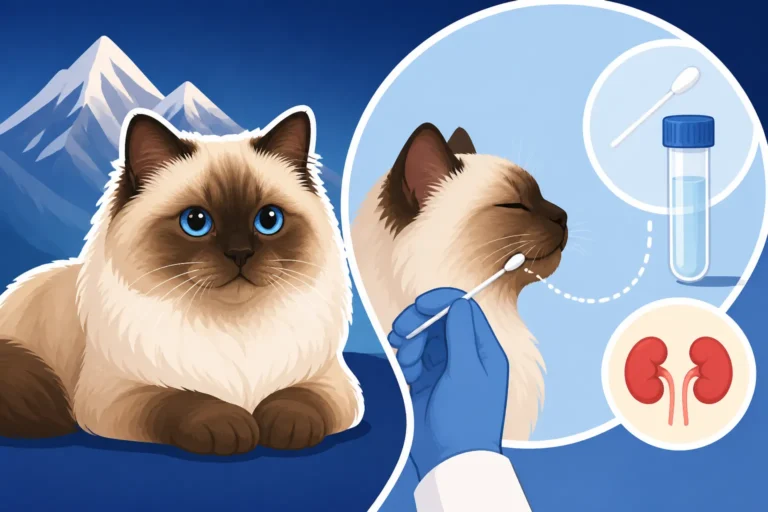
Genetic cheek swab testing identifies the Persian kidney gene in Himalayans to prevent polycystic kidney disease and cysts.
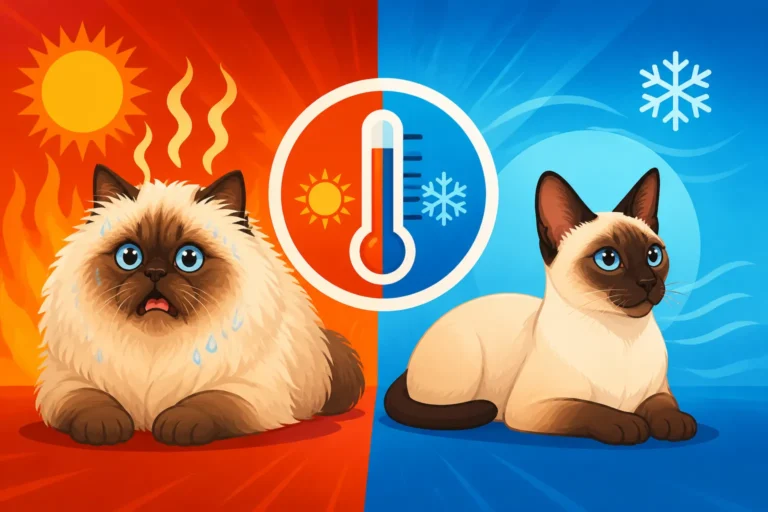
Himalayan cat overheating reasons, including dense Persian coats and brachycephalic facial structures that limit cooling.
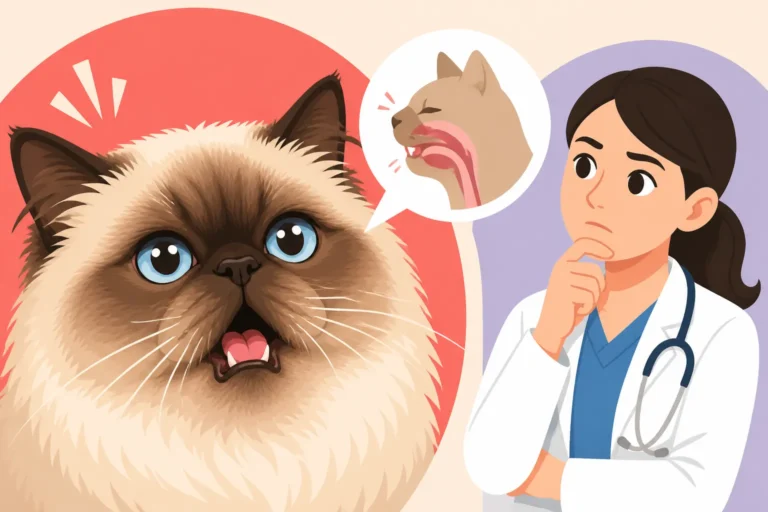
Open mouth breathing in a Himalayan cat signals a serious medical emergency caused by its compressed skull structure and narrowed nostrils.
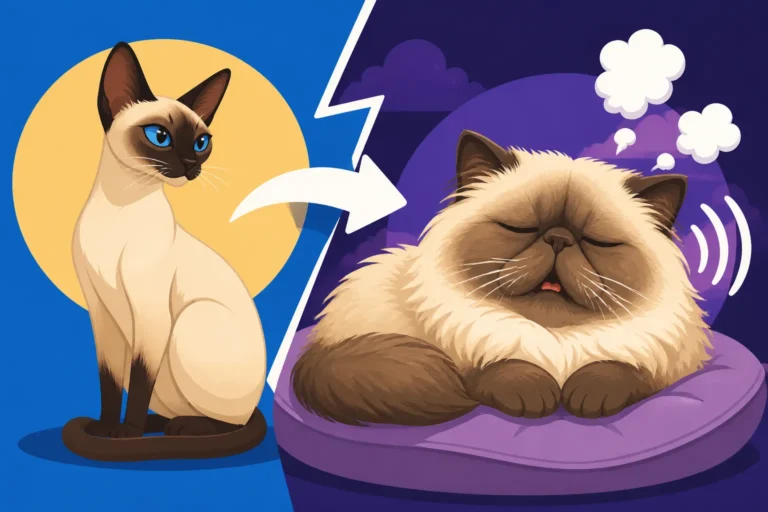
Himalayan cat snoring stems from inherited Persian skull structures that cram soft tissues and create restricted airways absent in Siamese ancestors.

Veterinarians grade Himalayan cat nostrils to assess breathing health and brachycephalic obstructive airway syndrome risks.
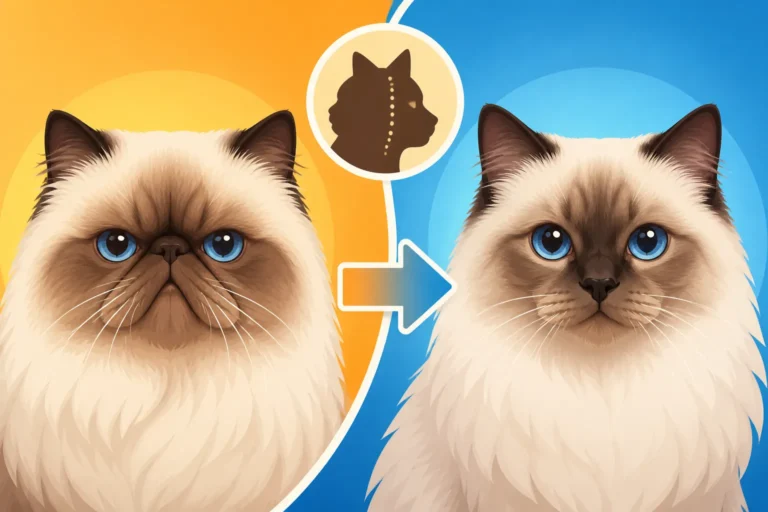
Show Himalayan cat facial structure evolution history and Persian breed standards explained through selective breeding practices.

Peke Face Himalayan profiles involve specific facial measurements and distinct health considerations that impact long-term cat care needs.
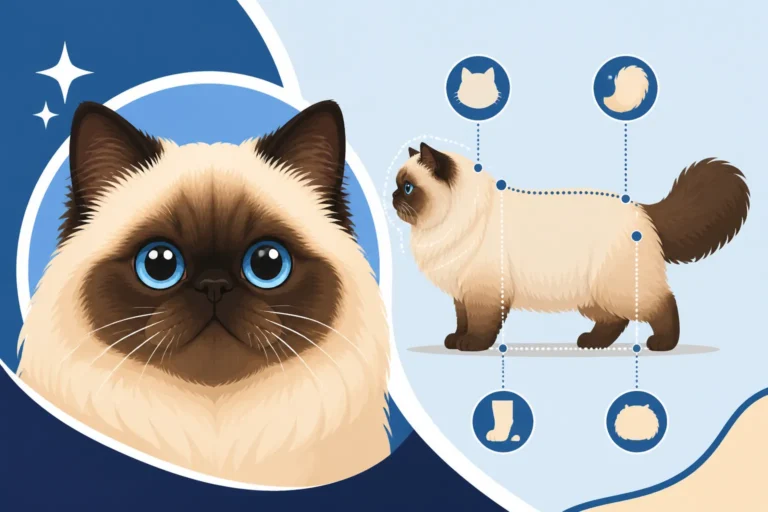
Doll Face Himalayan profiles feature a visible, slightly projecting nose and gentle slope, distinguishing them from flattened Peke Face cats.
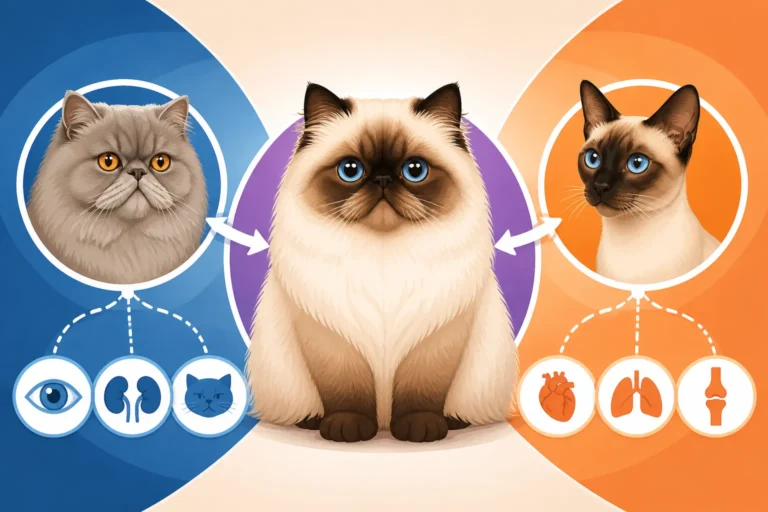
Himalayan cat health conditions and genetic predispositions inherited from Persian and Siamese ancestors explain potential challenges.

The typical Himalayan cat lifespan ranges from 9 to 15 years, influenced by Persian ancestry, genetics, and proper care.