Cleaning the Fold Beside a Himalayan’s Flattened Nose
If you're a proud parent to a gorgeous Himalayan cat, you know that their stunning coat and expressive, flattened face are absolutely captivating. But let's be real for a moment: that uniquely adorable facial structure, especially around their sweet little nose, can also be a magnet for dampness, discoloration, and sometimes, quite a bit of irritation. It’s a common frustration many of us face, trying to keep those delicate nose folds clean and healthy. This comprehensive guide is here to walk you through the essential steps and practical tips for effectively cleaning and caring for your Himalayan's nose fold, ensuring their comfort and keeping that lovely face pristine and free from bothersome issues.
Understanding Your Himalayan's Unique Facial Structure
The Himalayan cat, with its distinctive 'peke-face' or 'doll-face' profile, is a true beauty. However, this unique characteristic, while undeniably charming, also presents some specific grooming challenges that owners need to be aware of. It's not just about looking cute; it's about understanding the anatomy to provide the best possible care.
The Anatomy of a Himalayan's Flattened Face
Himalayans belong to the brachycephalic group of cats, a term that essentially means "short-headed." This describes breeds with a noticeably shortened muzzle and a flattened face, a trait inherited from their Persian lineage. Unlike a domestic shorthair with a prominent nose, your Himalayan's nose is often set quite low and flush with their face, creating a distinctive "break" or indentation right above it. This unique structure impacts everything from their breathing to, yes, their facial hygiene.
Because the skull is foreshortened, all the soft tissues – skin, fur, and even the tear ducts – are essentially compressed into a smaller area. This compression can lead to skin folds forming around the nose and sometimes extending towards the eyes. These folds, while contributing to their endearing expression, are key areas that require diligent attention. Think of it as a series of tiny valleys and crevices that can easily trap moisture and debris. We explore this further when we discuss What a Peke Face Himalayan's Profile Measures, but the takeaway here is that these features are an intrinsic part of your cat's breed, and managing them is a part of responsible ownership.
Why the Nose Fold is a Trouble Spot
The nose fold, that lovely little crease or series of creases right above and around your Himalayan's nose, is unfortunately a prime location for problems to brew. This area naturally stays warmer and often much damper than other parts of their face. Why? Well, tears are a major culprit. Due to the flattened facial structure, many Himalayans have tear ducts that can become slightly crimped or simply overflow, causing tears to spill out onto the fur and into these folds rather than draining properly down the nasolacrimal duct.
Beyond tears, tiny bits of food or even saliva from grooming can get caught in these folds. Imagine trying to keep a tiny, perpetually damp pocket on your face clean and dry – it's a constant battle for your cat. This warm, moist, and often dark environment is absolutely ideal for bacteria and yeast to flourish. If left unchecked, this can quickly lead to skin irritation, foul odors, and even infections, often referred to as skin fold dermatitis. It's a frustrating cycle that, as owners, we have to proactively interrupt with a consistent cleaning routine. Why a Himalayan's Eyes Water All Day is a common concern among owners, and understanding this mechanism helps you tackle the resulting issues in the nose fold.
The Daily Routine: Essential Steps for a Clean Nose Fold
Establishing a consistent daily cleaning routine for your Himalayan's nose fold is not just helpful; it's absolutely crucial for their comfort and health. Skipping even a day can quickly lead to build-up and irritation, turning a simple task into a much bigger problem.
Gentle Cleaning Techniques
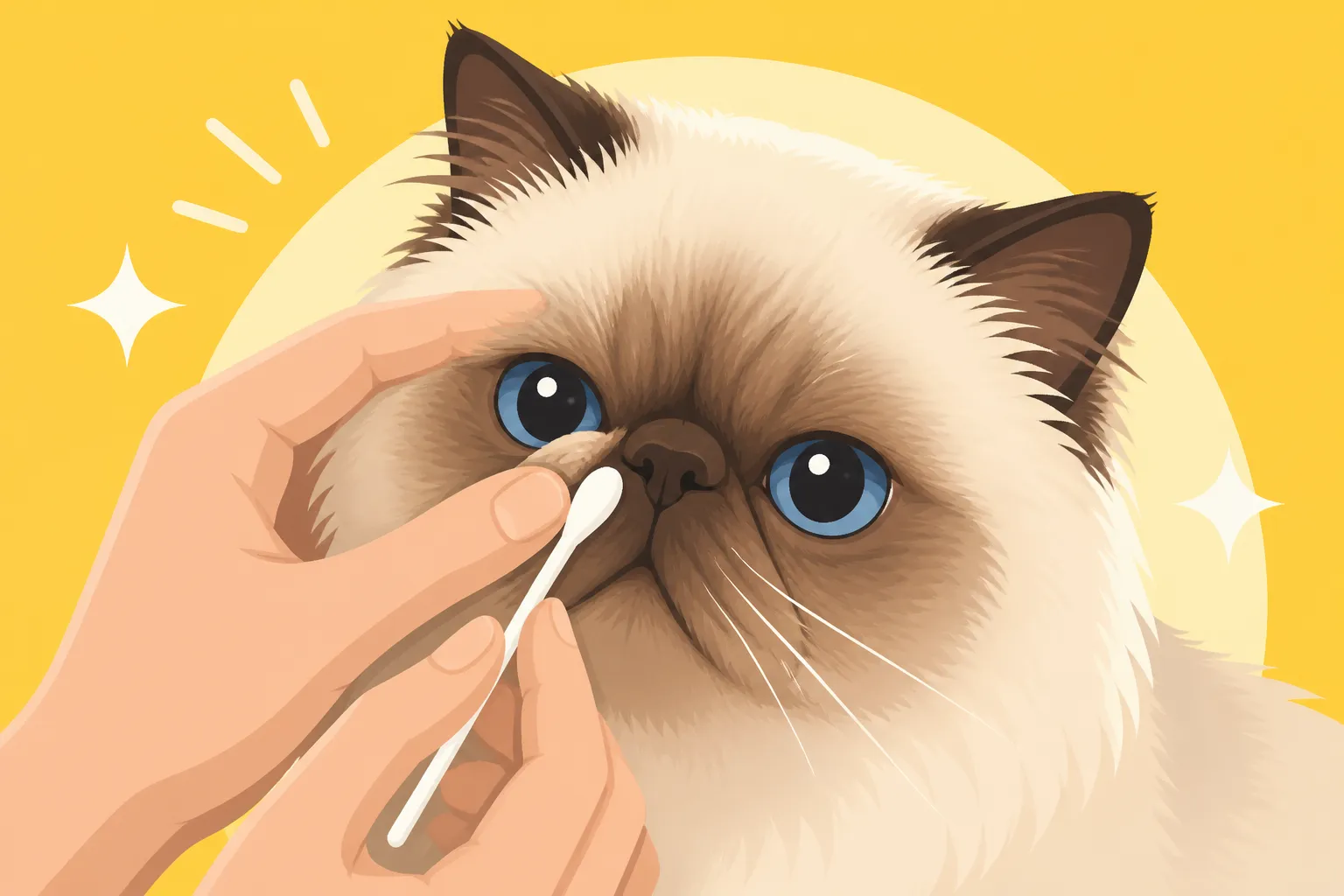
The key word here is "gentle." Your Himalayan's face is sensitive, and if they associate cleaning with discomfort, it will become a fight every single time. Start by finding a calm time when your cat is relaxed, perhaps when they're sleepy or enjoying a cuddle. Gently hold your cat, or if they're cooperative, allow them to sit comfortably on your lap or a grooming table. You'll want to use soft, lint-free materials – cotton pads or squares work wonderfully, as do specialized pet wipes.
Moisten your chosen cleaning tool with warm, distilled water or a vet-recommended saline solution. Very gently, use your thumb or forefinger to softly pull the skin of the nose fold apart, exposing the damp areas beneath. Then, using your moistened cotton pad, carefully wipe inside the fold, sweeping away any moisture, dirt, or accumulated debris. Always wipe away from the eye, moving downwards and outwards. Repeat this process until the area appears clean. Remember, this isn't about scrubbing; it's about delicate, consistent wiping. The Morning Face Routine Every Himalayan Needs details these steps even further, emphasizing how vital this morning ritual can be.
The Importance of Drying Thoroughly
This step is arguably just as important, if not more important, than the cleaning itself. Many owners diligently wipe the folds but forget to dry them properly, inadvertently creating the perfect damp environment for problems to reappear. After you've cleaned the fold, take a fresh, dry, soft cotton pad or a clean, lint-free cloth. Again, gently separate the nose fold and carefully dab the area dry. Don't rub vigorously; simply blot and absorb all moisture.
It's absolutely essential that the skin within the fold is completely dry before you let your cat go. Even a tiny bit of residual moisture can become a breeding ground for yeast and bacteria within hours, leading to that unpleasant sour smell and eventual irritation. If you've ever dealt with a sticky, reddish-brown stain under their eyes, you know the struggle. Making sure the nose fold is dry can help prevent a lot of these issues. As we discuss in Drying a Himalayan's Nose Fold So It Does Not Sour, preventing moisture build-up is your first line of defense against many common facial issues.
Choosing the Right Tools and Products
The market is flooded with products, but for your Himalayan's delicate nose fold, simplicity and safety are paramount.
When it comes to cleaning tools, here’s what you’ll need:
- Soft Cotton Pads or Balls: These are gentle, absorbent, and readily available. Choose lint-free options to avoid leaving tiny fibers behind.
- Soft Cloths: Microfiber cloths, specifically designed for pets, can also be effective, but ensure they are very clean and soft.
- Pet-Specific Wipes: Many brands offer pre-moistened wipes formulated for sensitive areas around pets' eyes and faces. Brands available on Chewy or Amazon often have a good selection. Look for unscented, alcohol-free, and hypoallergenic options.
For cleaning solutions, stick to the basics:
- Warm Distilled Water: Often, this is all you need for daily maintenance.
- Saline Solution: A sterile saline solution (the kind used for contact lenses, without any added chemicals or preservatives) is safe and effective for flushing and cleaning.
- Vet-Approved Cleansers: If your cat is prone to irritation or has a specific issue, your veterinarian might recommend a medicated wipe or solution.
What to avoid at all costs are human baby wipes (which can contain harsh chemicals or perfumes), hydrogen peroxide, alcohol, or any products not specifically formulated for pets. These can be irritating, sting, or even be toxic if ingested.
Here's a quick comparison of common cleaning tools:
| Tool Type | Pros | Cons | Best Use |
|---|---|---|---|
| Cotton Pads/Balls | Soft, inexpensive, widely available, disposable | Can leave fibers if not lint-free | Daily cleaning, applying solutions |
| Soft Microfiber Cloths | Reusable, highly absorbent, very gentle | Requires frequent washing, may need dedicated cat-only cloths | Daily cleaning, thorough drying |
| Pet-Specific Wipes | Convenient, pre-moistened with gentle solutions, portable | Can be more expensive, some cats dislike the scent or texture | On-the-go cleaning, quick touch-ups |
| Sterile Saline Solution | Gentle, natural, effective for flushing and moistening | Requires a separate application tool (cotton pad) | Daily cleaning, initial flush for irritation |
Common Issues and How to Address Them
Despite your best efforts, sometimes problems can still arise around your Himalayan's nose fold. Recognizing these issues early and knowing how to respond is key to keeping your cat healthy and happy.
Dealing with Tear Stains and Discoloration
One of the most visible and frustrating issues is the development of reddish-brown tear stains that can stubbornly cling to the fur around the nose fold and under the eyes. These aren't just dirt; they're primarily caused by porphyrins, iron-containing molecules that are naturally present in cat tears and saliva. When exposed to light and air, these porphyrins oxidize and turn that tell-tale reddish-brown color. On a pale-bodied Himalayan, these stains are particularly noticeable and can detract from their pristine appearance. Why Tear Stains Are Worse on a Cream Bodied Himalayan highlights this visual challenge, making the daily cleaning even more critical.
For existing stains, daily cleaning as described above is the first step. You'll need to be consistent. For stubborn stains, there are pet-safe tear stain removers available. These often contain mild bleaching agents or chelating agents to lift the porphyrin stains. Always read the labels carefully and choose products specifically formulated for cats and for use around the eyes. Some owners report success with natural remedies like colloidal silver or apple cider vinegar (diluted very heavily), but always consult your vet before trying anything unconventional, especially near sensitive eyes. Understand that Why a Himalayan's Rust Colored Stains Do Not Wash Out instantly means you're dealing with a chemical process, not just surface dirt. It's often a matter of managing, rather than completely eliminating, particularly deep-set stains.
Preventing and Managing Skin Irritation (Dermatitis)
Skin irritation, or dermatitis, within the nose fold is a more serious concern than simple staining. It often manifests as redness, swelling, an unpleasant odor, and sometimes even hair loss or a moist, oozing discharge. In severe cases, you might notice your cat scratching at their face, rubbing it on surfaces, or showing signs of pain when you try to touch the area. This irritation typically stems from a persistent damp environment, which allows bacteria and yeast to overgrow, leading to an infection. How Fold Dermatitis Starts Beside a Himalayan's Nose is a must-read for understanding the progression of this common ailment.
Prevention is always better than cure. The diligent daily cleaning and, crucially, thorough drying are your primary defenses. If you notice early signs of irritation – slight redness or a faint sour smell – increase the frequency of your cleaning routine to several times a day. Your vet might recommend a medicated wipe or a topical antifungal/antibacterial ointment to combat the early stages of infection. These often contain ingredients like chlorhexidine or miconazole, which are effective against common skin pathogens. Never apply human-grade creams or oint without veterinary guidance, as many are toxic if ingested by cats.
When to Consult Your Vet
There are definitely times when diligent home care just isn't enough, and a trip to the veterinarian is absolutely necessary. You should contact your vet immediately if you observe any of the following red flags:
- Persistent Redness and Swelling: If the area remains red and inflamed despite your increased cleaning efforts, it's a sign that the irritation is deeper than superficial.
- Foul Odor or Discharge: A strong, yeasty, or putrid smell, or the presence of pus-like, green, or yellow discharge, indicates a definite infection that requires professional medical intervention.
- Pain or Discomfort: If your Himalayan shows signs of pain when you touch their face, recoils, or stops eating or playing due to discomfort, they need to be seen.
- Deep Sores or Ulcerations: Any open wounds, scabs, or raw areas within the fold are serious and could be excruciatingly painful for your cat.
- Eye Issues: If the irritation seems to be affecting their eyes, causing excessive tearing, squinting, or a cloudy appearance, it could indicate a blocked tear duct, conjunctivitis, or even something more serious like entropion. What Entropion Does to a Himalayan's Blue Eye describes how this eyelid condition can lead to chronic irritation and secondary infections.
Your vet will be able to properly diagnose the cause of the irritation or infection. They might take a swab or skin scrape for a culture to identify the specific bacteria or yeast involved, allowing them to prescribe the most effective antibiotics or antifungals. They'll also check for any underlying anatomical issues, such as severely blocked tear ducts or structural problems that could be contributing to the ongoing issues. It's important to remember that Telling Ordinary Himalayan Tear Staining From an Infection is critical, as an infection requires much more than just cosmetic cleaning.
Long-Term Care and Prevention Strategies
Maintaining a healthy nose fold for your Himalayan isn't just about daily cleaning; it's about a holistic approach to their overall health and environment. By addressing these broader factors, you can significantly reduce the likelihood of recurring problems.
Environmental Factors and Their Impact
Your cat's immediate environment plays a surprisingly large role in their facial health. Just like humans, cats can be sensitive to allergens and irritants in the air. Dust, pollen, household sprays, and even certain types of litter can trigger increased tear production or irritation, which then exacerbates problems in the nose fold. Consider if your home is particularly dusty, if you use strong-smelling cleaning products, or if your cat spends time in areas with poor air quality.
Using an air purifier, especially in rooms where your Himalayan spends most of their time, can help reduce airborne allergens. Ensure good ventilation in your home. Some owners find that switching to a dust-free or low-dust cat litter helps, as fine particles can become airborne and irritate sensitive mucous membranes. Think about where your cat sleeps; a dusty bed or blanket can also contribute to irritation. Regularly washing their bedding and ensuring a clean sleeping area can make a difference. As mentioned in Why a Himalayan's Eyes Water All Day, external irritants are often culprits, and managing them can alleviate some of the burden on their tear ducts.
Dietary Considerations for a Healthy Face
While diet isn't a direct "cure" for tear stains or nose fold issues, it can certainly contribute to overall health, which in turn can impact these problems. A high-quality, balanced diet supports a strong immune system and healthy skin and coat. Some owners report anecdotal evidence that certain ingredients, particularly those found in lower-quality foods, might worsen tear staining, though scientific evidence for this is limited. However, ensuring your cat receives proper nutrition is always beneficial.
Consider the type of food and how your Himalayan eats it. Due to their flattened face, many Himalayans struggle with deep bowls, often pushing food out or getting their faces wet and messy while eating. Opt for shallow, wide bowls made of ceramic or stainless steel, which are easier to clean and don't harbor bacteria like plastic might. Fresh food options might also benefit your cat by providing high-quality, easily digestible nutrition, though their direct impact on tear stains varies from cat to cat. You can also find a wide variety of suitable bowl types on Amazon. Which Bowl Shape a Flat Faced Himalayan Can Use offers more detailed advice on selecting the ideal dinnerware for your flat-faced friend. Moreover, if food regularly ends up on your cat's chin and ruff because of an unsuitable bowl, it's just another source of moisture and mess contributing to nose fold issues.
Maintaining Consistency for Lifelong Comfort
The single most important factor in preventing and managing nose fold issues for your Himalayan is consistency. This isn't a "sometimes" chore; it's a daily commitment, much like brushing your own teeth. Starting this routine when your Himalayan is a kitten can make a world of difference, helping them become accustomed to the handling and even enjoy the attention. Make it a positive experience with praise and perhaps a small, healthy treat afterward.
As your Himalayan ages, their skin might become less elastic, and they might groom themselves less efficiently, making your consistent care even more vital. By making facial cleaning a non-negotiable part of their daily routine, you'll be able to quickly spot any subtle changes – a bit more redness, a slight odor, or increased dampness – before they escalate into full-blown problems. Regular checks of their nose leather and surrounding areas, as detailed in Why a Himalayan's Nose Leather Should Be Checked Monthly, are part of this comprehensive approach. This proactive and consistent care will not only keep your beloved Himalayan comfortable and healthy but will also strengthen the bond you share, built on trust and gentle, loving attention.
Disclaimer
This article is for general informational purposes only and does not constitute professional advice. Laws, prices and regulations vary by location and change over time. Consult a qualified professional for guidance on your specific situation.