Doll Face or Peke Face Is the Himalayan Buyer’s Real Decision
Choosing a Himalayan cat is an incredibly exciting journey, but it's also one filled with important decisions that go far beyond just picking a cute kitten. Many prospective owners get caught up in the allure of their unique looks, only to realize later that the distinct facial structures – whether a "Doll Face" or a "Peke Face" – have significant implications for their cat's health, daily care, and overall well-being. This comprehensive guide aims to unravel the differences between these two beloved facial types, helping you understand what each truly means for your future furry family member, so you can make an informed choice that leads to a lifetime of happiness for both of you.
Understanding the Himalayan Face Types: Doll Face vs. Peke Face
When you first start looking at Himalayans, you'll quickly notice a spectrum of facial appearances. It's not always black and white, but generally, they fall into two main categories: the Doll Face and the Peke Face. Both are beautiful in their own right, but they come with different anatomical structures and, consequently, different care requirements and potential health considerations. It’s absolutely crucial to understand these nuances before you commit, because what might seem like a cosmetic preference can actually dictate a lot about your cat’s quality of life.
What Defines a Doll Face Himalayan?
The Doll Face Himalayan is often described as having a more traditional or ancestral look. Think of a classic Persian cat before the extreme flattening became fashionable. Their face is sweet and open, with a noticeable muzzle and a nose that protrudes slightly. This isn't to say their nose is long; it's still relatively short compared to many other cat breeds, but it's definitely not "flat" in the way a Peke Face is.
Owners who prefer the Doll Face often cite its gentle expression and what they perceive as fewer health complications. A Doll Face typically has a well-defined, albeit short, nose bridge, which allows for more open nostrils and a clearer airway. This means they generally breathe more easily, snore less loudly, and are less prone to overheating, which are huge advantages, especially in warmer climates. Their eyes are usually large and round, set apart, and while they can still experience some tearing, it's often less pronounced than in their Peke Face counterparts because the tear ducts have a more natural path. If you're wondering, What a Doll Face Himalayan's Profile Measures, it's characterized by a gently rounded forehead and a visible break between the eyes, where the nose begins to extend forward.
The Characteristics of a Peke Face Himalayan
On the other end of the spectrum is the Peke Face Himalayan, also sometimes referred to as the "ultra-typed" or "show-type" Himalayan. This facial structure is characterized by an extremely flattened face, often with the nose appearing to be almost level with the eyes. The name "Peke Face" comes from the Pekingese dog, which also has a distinctly flat face.
The defining feature of a Peke Face is the "stop" – a severe indentation between the eyes, right where the nose sits. This gives the cat a very dramatic, almost human-like expression that many find incredibly endearing and unique. However, this extreme flattening comes with significant anatomical changes. Their nostrils are often very small and pinched, and their soft palate can be elongated, which together contribute to a condition known as Brachycephalic Airway Syndrome. This can make breathing difficult, leading to noisy respiration, snoring, and a reduced tolerance for exercise or heat. Beyond breathing, their large, prominent eyes are more exposed, making them susceptible to irritation, injury, and excessive tearing. The folds of skin around their nose and eyes can also trap moisture and debris, leading to skin infections. You can learn more about What a Peke Face Himalayan's Profile Measures to understand the specific measurements that define this extreme look.
The Historical Context: Why the Faces Changed
It's natural to wonder how Himalayans, and Persians for that matter, developed such dramatically different facial structures. It wasn't always this way. The journey from the earlier, more open-faced cats to the extremely flattened Peke Face is a fascinating, if sometimes controversial, story rooted in breed standards and show ring preferences. Understanding this history can shed light on why certain traits became so prevalent and why the debate between facial types continues to this day.
The Evolution of the Persian Standard
The Himalayan breed itself was developed by crossing Persians with Siamese cats, aiming to combine the Persian's luxurious coat and gentle temperament with the Siamese's striking point coloration and blue eyes. Initially, the Persian standard, which heavily influences the Himalayan, favored a more moderate facial structure. Cats had a discernible muzzle and a "break" in their nose, but it wasn't exaggerated. Think of the beautiful Persian cats seen in vintage photographs – still plush and elegant, but with a more pronounced nose.
However, over time, particularly from the mid-20th century onwards, the show ring began to reward increasingly "cobby" bodies and flatter faces. Judges and breeders started to interpret the standard in a way that pushed for more extreme features. The "stop" became deeper, the nose shorter, and the eyes larger and rounder. This gradual shift was driven by a desire for a distinctive "type" that stood out in competition. The Doll Face, representing the older, more moderate look, became less common in show lines as the Peke Face gained prominence. This change is explored in more detail in articles like Why Show Himalayans Drifted Toward the Flatter Face.
The Role of Breed Standards and Exhibitors
Breed standards are living documents, and their interpretation can evolve. For Persian and Himalayan breeders, the emphasis shifted towards what was often described as "extreme type." Cats with flatter faces and wider-set eyes started winning more consistently, leading breeders to select for these traits in their breeding programs. This wasn't always a malicious act; breeders were simply aiming to produce cats that conformed to the winning interpretation of the standard.
Unfortunately, this pursuit of an aesthetic ideal often overlooked the potential health consequences. The genetic changes that resulted in the Peke Face also impacted the underlying skeletal structure of the skull, leading to the respiratory and ocular issues we see today. While many dedicated breeders have since recognized these challenges and are working to promote healthier, more moderate types, the legacy of the Peke Face remains. It's a stark reminder that while aesthetics are important in breeding, health and welfare must always take precedence.
Health Implications of Face Type
This is where the rubber truly meets the road. While both Doll Face and Peke Face Himalayans are undeniably beautiful, their distinct facial structures carry different health risks and implications for their quality of life. As a responsible owner, understanding these potential issues is paramount, as it directly influences the care you'll provide and the veterinary costs you might incur. It’s not about judging one face type as inherently "bad," but rather about being fully prepared for what comes with each.
Brachycephalic Airway Syndrome and Respiratory Issues
The most significant health concern associated with the Peke Face Himalayan is Brachycephalic Airway Syndrome (BAS). This isn't just a fancy vet term; it's a collection of anatomical abnormalities that severely impede a cat's ability to breathe normally. Because of the extremely shortened skull, the soft tissues in the upper airway are disproportionately large, essentially crowding the available space.
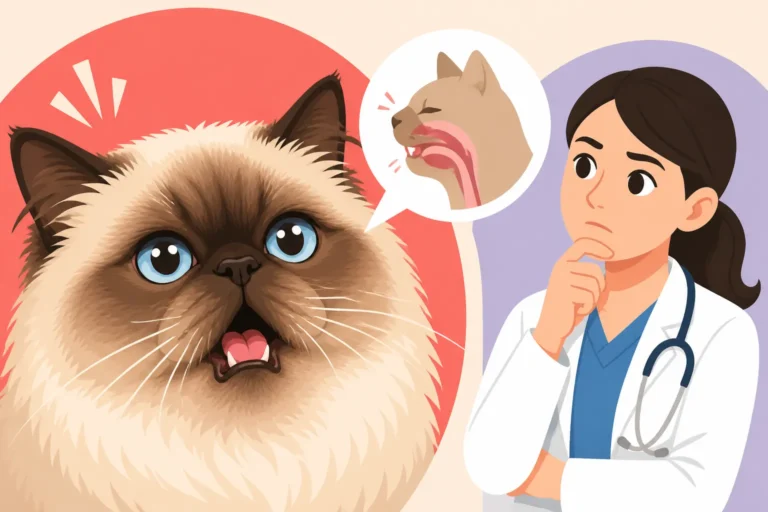
Common components of BAS in Peke Face Himalayans include stenotic nares (pinched nostrils), an elongated soft palate, and everted laryngeal saccules. Imagine trying to breathe through a straw, constantly, every single day – that's often what a Peke Face cat experiences. This leads to characteristic symptoms like noisy breathing, snorting, snoring, and even open-mouth breathing when stressed or overheated. In severe cases, the constant struggle to breathe can lead to secondary problems like heart strain. You might hear Why a Himalayan Snores Louder Than Its Siamese Ancestors or notice When a Himalayan's Open Mouth Breathing Needs a Vet. These aren't just cute quirks; they're signs of respiratory distress that require veterinary attention. The ability to cool themselves is also compromised, making them highly susceptible to heatstroke, as detailed in Why a Himalayan Overheats Twice as Fast as a Siamese.
Doll Face Himalayans, with their more pronounced noses and open nostrils, generally experience far fewer, if any, of these severe respiratory issues. Their airways are typically more open, allowing for easier airflow and better temperature regulation. This doesn't mean they're immune to all respiratory ailments, but the structural predispositions seen in Peke Faces are largely absent.
Ocular and Dental Health Concerns
Beyond breathing, the facial structure impacts the eyes and teeth significantly. Peke Face Himalayans often have very prominent, large eyes that protrude slightly from their sockets. While beautiful, this exposure makes them much more vulnerable to injury, dust, and debris. Their tear ducts can also be kinked or blocked due to the flattened facial bones, leading to epiphora – excessive tearing that runs down their face. This watery discharge creates tear stains, which can range from light brown to rust-colored, especially noticeable on pale coats like those of cream-bodied Himalayans. These damp areas can then become a breeding ground for yeast and bacteria, leading to skin irritation and infection in the facial folds. If you own a Peke Face, you’ll definitely want to understand Why a Himalayan's Eyes Water All Day and What Turns a Himalayan's Tear Stains Rust Colored. For owners of lighter colored cats, Why Tear Stains Are Worse on a Cream Bodied Himalayan delves into this.
Doll Face Himalayans, while still having large, expressive eyes, typically don't have the same degree of protrusion or tear duct issues. Their facial structure allows for better tear drainage and less exposure for the eyeballs, generally resulting in fewer tear stains and a lower risk of eye irritation or injury.
Dental health is another area where face type plays a role. The shortened jaw of Peke Face Himalayans often means their teeth are crowded and misaligned. This can lead to increased plaque and tartar buildup, premature tooth loss, and discomfort. Imagine having teeth that are too big for your mouth – it makes chewing difficult and creates pockets where food can get trapped, leading to gum disease and infections. Doll Face Himalayans usually have a more normal jaw length, allowing their teeth to be better spaced and aligned, thus reducing the risk of severe dental problems. Regular dental care is crucial for all cats, but particularly so for Peke Face Himalayans.
Here's a quick overview of the key health implications:
| Feature/Condition | Doll Face Himalayan | Peke Face Himalayan |
|---|---|---|
| Nose/Nostrils | Visible nose, open nostrils, good airflow | Flat nose, often stenotic (pinched) nostrils, restricted airflow |
| Breathing | Quiet, efficient breathing, less snoring | Noisy breathing, snorting, heavy snoring, potential for open-mouth breathing |
| Heat Tolerance | Generally good, can regulate temperature better | Poor, high risk of overheating and heatstroke |
| Eyes | Large, round, less prominent, better tear drainage | Very prominent, exposed, prone to injury, excessive tearing (epiphora) |
| Tear Stains | Less common or less severe | Common and often severe, leading to facial fold dermatitis |
| Jaw/Teeth | More normal jaw length, better teeth alignment | Shortened jaw, crowded/misaligned teeth, prone to dental disease |
| Exercise Tolerance | Moderate activity without excessive struggle | Limited activity, tires easily, struggles with exertion |
| Anesthesia Risk | Standard risk | Higher risk due to compromised airway |
Living with a Doll Face Himalayan: Care and Considerations
Choosing a Doll Face Himalayan often means you're opting for a cat with a generally more robust anatomical structure, which can translate to fewer daily struggles related to their facial features. However, "fewer" doesn't mean "none." These beautiful cats still require dedicated care, especially given their luxuriant Persian-derived coats and their unique temperament. You're signing up for a commitment, and it's important to understand what that entails, even with the more moderate facial type.
Daily Grooming and Coat Maintenance
One thing both Doll Face and Peke Face Himalayans share is that incredible, flowing coat. This isn't a wash-and-wear kind of fur; it's a high-maintenance affair that requires daily attention. The long, soft double coat is prone to matting, especially in high-friction areas like the armpits, behind the ears, and in their "britches" (the long fur on their hind legs). A Doll Face Himalayan's coat can become a tangled mess surprisingly quickly if neglected, turning into painful mats that pull on their skin and can even restrict movement. This is why The Daily Comb a Himalayan Cannot Skip is so important.
Your routine will involve a high-quality, wide-toothed metal comb and a fine-toothed one for smaller areas. You'll need to gently but thoroughly comb through their entire coat, working section by section, every single day. This isn't just about aesthetics; it's preventative health. Mats can hide skin infections, parasites, and can make your cat miserable. Beyond combing, occasional bathing might be necessary, especially if they get into something messy or if their coat starts to feel greasy. Remember, even though their face is less flat, they still have that dense fur around their neck, forming a magnificent ruff, which also needs meticulous care.
General Health and Lifestyle
Doll Face Himalayans generally breathe more easily, which means they can often enjoy a slightly more active lifestyle than their Peke Face counterparts. They might play a bit longer without getting winded, and they tend to tolerate warmer indoor temperatures better. However, they are still a long-haired, cobby breed, meaning they aren't built for extreme exertion or outdoor adventures. They are indoor cats through and through, preferring a comfortable spot on the sofa to chasing squirrels.
Their eyes, while less prone to severe tearing, still need to be checked daily for any discharge or irritation. A quick, gentle wipe with a damp, soft cloth can keep the corners of their eyes clean. Dental care remains important too, with regular tooth brushing and professional vet check-ups to monitor their oral health. While their jaw is typically better aligned, they can still be prone to dental issues common in many cat breeds. A consistent diet of high-quality cat food appropriate for their age and activity level is also key to maintaining their weight and coat health. Investing in pet insurance, like a plan from Healthy Paws, can be a smart move, covering unexpected vet bills should any health issue arise, even in generally healthier Doll Face cats. Understanding The Nine to Fifteen Years a Himalayan Usually Gets will help you plan for their long-term care needs.
Living with a Peke Face Himalayan: Enhanced Care Needs
If you've fallen for the unique charm of a Peke Face Himalayan, prepare for a more involved daily care routine, specifically tailored to address the challenges their flattened facial structure presents. This isn't to discourage you, but to empower you with the knowledge to provide the best possible life for these special cats. Their beauty is undeniable, but it comes with a commitment to proactive health management and unwavering attention to their specific needs.
Specialized Facial and Respiratory Care
The cornerstone of Peke Face Himalayan care revolves around managing their brachycephalic features. Their flattened face means their eyes are more exposed, and tear ducts can be less efficient. This often results in chronic epiphora, or excessive tearing, leading to those notorious rust-colored tear stains and potentially damp skin folds around the nose. This isn't just cosmetic; constant dampness can lead to yeast and bacterial infections, known as facial fold dermatitis.
Your daily routine will need to include meticulously cleaning their face, often multiple times a day. You'll need soft cotton pads or wipes specifically designed for pet eyes (always check ingredients to ensure they are safe). Gently wipe away tear stains and, critically, ensure the skin folds around their nose are kept dry. This might mean using a dry cotton swab after wiping with a damp one. Learning How Fold Dermatitis Starts Beside a Himalayan's Nose will help you prevent it. Regular vet check-ups are essential to monitor their nostrils for stenotic nares and their breathing for any signs of worsening Brachycephalic Airway Syndrome. Your vet may recommend specific drops or even surgical interventions like nares widening or soft palate resection if their breathing becomes severely compromised. Pet insurance from Healthy Paws can be particularly valuable here, potentially helping with the costs of specialized vet visits and potential surgeries.
Managing Environmental Sensitivities and Dental Hygiene
Due to their compromised respiratory systems, Peke Face Himalayans are highly sensitive to heat and humidity. They overheat much faster than cats with more open airways and can quickly go into distress. During warmer months, you must ensure they have a cool environment, ideally air-conditioned, and limit any strenuous play. Even mild stress can exacerbate their breathing difficulties. Providing cool, shaded spots and fresh, easily accessible water is critical.
Their crowded, misaligned teeth also demand extra attention. Daily tooth brushing, while challenging with their facial structure, is highly recommended to prevent plaque and tartar buildup. Your vet will likely suggest more frequent professional dental cleanings under anesthesia than for a cat with a normal jaw. This proactive approach can help prevent painful dental disease, gum infections, and premature tooth loss. When selecting bowls, look for shallow, wide dishes that don't press against their whiskers or make it difficult for their flat face to reach food and water. You might notice Why a Himalayan Drops Food Onto Its Ruff because of this crowded mouth. Their cobby build and often lower activity levels also mean they are prone to weight gain, so careful portion control is vital to prevent obesity, which further compounds respiratory issues.
Deciding Your Preference: Beyond Aesthetics
When choosing between a Doll Face and a Peke Face Himalayan, it's crucial to shift your focus beyond just "which one looks cuter." While aesthetic appeal is certainly part of the joy of owning a beautiful cat, the real decision lies in understanding the long-term commitment and the unique needs associated with each facial type. This choice is ultimately about prioritizing your cat's health and happiness, and being realistic about your capacity to provide specialized care if needed.
Prioritizing Health and Quality of Life
For many prospective owners, once they truly understand the potential health implications, the decision becomes clearer. A Doll Face Himalayan generally offers a higher likelihood of a life with fewer respiratory and ocular challenges. This means less vet visits for breathing issues, potentially fewer eye infections, and a greater overall comfort for the cat, especially in terms of their ability to breathe and stay cool. If your lifestyle means you can't commit to extensive daily facial cleaning or if the thought of potential surgeries for breathing difficulties is overwhelming, a Doll Face might be the more responsible choice. It truly reduces the risk of complex health problems for your cat, allowing them to lead a more natural and comfortable existence.
On the other hand, if you are drawn to the distinct Peke Face, you must be prepared to fully embrace the responsibilities that come with it. This means being utterly dedicated to their daily facial cleaning, monitoring their breathing, managing their environment to prevent overheating, and budgeting for potential advanced veterinary care. It’s a choice for a cat that requires a higher level of vigilance and potentially more financial investment in their health over their lifespan. It's about accepting that their unique beauty comes with inherent vulnerabilities, and committing to mitigating those as much as possible.
Considering Your Lifestyle and Resources
Your own lifestyle, available time, and financial resources are significant factors in this decision. Are you home enough to perform multiple daily face cleanings for a Peke Face, or to closely monitor their breathing and temperature? Do you have the financial means for specialized vet care, which could include consultations with veterinary ophthalmologists or internal medicine specialists, and potentially costly surgeries for Brachycephalic Airway Syndrome? Having robust pet insurance, such as Healthy Paws, is almost a necessity for a Peke Face, as their specific health predispositions can lead to substantial medical bills over their lifetime.
A Doll Face Himalayan still requires significant grooming for their coat, but the daily demands on facial and respiratory care are typically much lower. This might be a better fit for someone with a busy schedule who still wants the companionship of a beautiful, loving Himalayan. It’s also about honesty with yourself: are you prepared for the potential emotional toll of managing a cat with chronic breathing difficulties, or seeing them struggle in warmer weather? The choice isn't just about what you want, but what you are genuinely able to provide.
Finding a Reputable Breeder and What to Ask
Once you’ve decided which facial type aligns best with your expectations and capacity for care, the next critical step is finding a reputable breeder. This is not a decision to rush. A responsible breeder is your best resource for ensuring you bring home a healthy, well-socialized kitten, regardless of facial type. They will be transparent about their breeding practices, health testing, and the specific characteristics of their lines. Don't be shy about asking tough questions – a good breeder welcomes them.
What to Look For in a Breeder
A truly reputable Himalayan breeder will prioritize the health and temperament of their cats above all else. They will not be breeding for extreme features that compromise health. Here’s what to look for:
- Health Testing: This is non-negotiable. Reputable breeders should test their breeding cats for Polycystic Kidney Disease (PKD) and Progressive Retinal Atrophy (PRA). While not directly related to facial structure, these are genetic diseases prevalent in Persians and Himalayans. Ask for proof of testing for both parents. Learn Which Two Certificates a Himalayan Breeder Owes You and What Testing a Himalayan for PKD and the Eyes Costs.
- Transparency About Face Type: A good breeder will openly discuss the facial types in their lines. If they breed Peke Face cats, they should be candid about the potential health challenges and explain how they mitigate risks through careful breeding. They should also provide photos and videos of the kittens from all angles, clearly showing their profiles, so you can judge the facial structure for yourself.
- Clean and Safe Environment: The cattery should be spotless, the cats well-socialized, and the kittens should appear healthy, alert, and comfortable in their surroundings. This applies to small in-home breeders as much as larger operations.
- Knowledge and Experience: A reputable breeder will be knowledgeable about the breed standard, genetics, potential health issues, and proper care. They should be able to answer all your questions thoroughly and provide guidance on caring for your new kitten.
- Contract and Guarantee: They should provide a written contract that outlines health guarantees, spay/neuter agreements (for pet kittens), and what happens if the kitten develops a genetic health issue.
- Limited Litters: Good breeders don't overbreed their queens. They prioritize the health of their breeding cats and ensure each litter is well-planned and raised with individual attention.
Specific Questions to Ask About Facial Structure
When you visit or speak with a breeder, focus your questions on the facial structure:
- "What is the facial type of the parents and what can I expect in the kittens?" Ask to see photos of the parents' profiles.
- "How do you ensure good breathing in your kittens?" Listen for answers about moderate facial structures, open nostrils, and lack of snoring. For Peke Face lines, they should describe how they select for the healthiest possible profiles within that type. You can even ask How to Judge a Himalayan Kitten's Nostrils at Twelve Weeks.
- "Have any of your kittens ever had to undergo surgery for breathing issues (like stenotic nares or elongated soft palate)?" An honest breeder will share this information, even if it's not ideal.
- "What is your approach to tear staining and eye care?" Their answer should demonstrate a proactive understanding of preventing and managing epiphora and facial fold dermatitis, particularly if they breed Peke Face cats.
- "Can I see the kitten's profile clearly?" Don't rely solely on front-facing pictures that can hide a flattened nose. Always ask for clear side-profile shots.
- "How do you manage the dental health of your breeding cats?" This is crucial, especially for lines that may have shorter jaws.
Remember, a reputable breeder will also be vetting you. They want to ensure their kittens go to loving, responsible homes that understand the commitment involved. Be prepared to answer questions about your home, family, and experience with cats.
Preparing for Your Himalayan's Lifelong Care
Bringing a Himalayan into your life is a long-term commitment, typically spanning The Nine to Fifteen Years a Himalayan Usually Gets. Regardless of whether you choose a Doll Face or Peke Face, you’re welcoming a creature with specific needs that require thoughtful preparation and ongoing dedication. It's about setting up your home, your routine, and your budget to ensure your furry companion thrives for their entire life.
Essential Supplies and Environmental Setup
Before your Himalayan kitten or adult cat arrives, having the right supplies on hand will make the transition smoother for everyone. Their lush coat means you’ll need specific grooming tools:
- Steel Comb: A good quality, wide-toothed metal comb is essential for daily detangling and working through their dense undercoat.
- Slicker Brush: This can help fluff up their coat and remove loose hair, but it shouldn't be the primary tool for mat prevention.
- Nail Clippers: Regular nail trims are a must, as Himalayans aren't typically avid scratchers of posts, so their claws can grow long.
- Eye Wipes/Soft Cloths: Especially crucial for Peke Face Himalayans, but good practice for all to keep eye areas clean.
Beyond grooming, consider their living environment. Himalayans are not agile climbers like some other breeds. They prefer to stay on lower levels, so a cat tree with wide, sturdy platforms at a modest height is more suitable than a tall, spindly one. For Peke Face cats, ensure their food and water bowls are wide and shallow, preventing whisker fatigue and allowing them to eat comfortably. Consider raised bowls to aid digestion and make eating less strenuous. In warmer climates, easy access to air-conditioned rooms or cool, tiled floors is vital for Peke Face cats. You can learn more about How to Cool a Long Coated Himalayan in Summer.
Financial Planning for Veterinary Care
One of the most important aspects of lifelong care, often overlooked in the excitement of getting a new pet, is financial planning. Himalayans, as a purebred cat with specific anatomical features, often require more specialized veterinary care throughout their lives. This isn't just about covering emergencies; it's about routine preventative care tailored to their breed.
For all Himalayans, annual vet check-ups, vaccinations, and parasite prevention are standard. However, specific considerations include:
- Dental Care: Due to crowded mouths (especially in Peke Face), regular dental cleanings under anesthesia can become necessary earlier and more frequently than for other breeds.
- Eye Care: Monitoring for entropion, corneal ulcers, or other eye conditions is important, and may require specific medicated drops or, in some cases, surgical correction.
- Respiratory Monitoring: For Peke Face cats, regular monitoring of their breathing, especially as they age, is crucial. This might include X-rays or even a referral to a specialist.
- Kidney Health: Being part Persian, Himalayans are predisposed to Polycystic Kidney Disease (PKD). Even if parents are tested clear, regular monitoring through bloodwork or ultrasound can be recommended as they age. Find out How Many Years a Himalayan From Tested Lines Lives.
This is where pet insurance becomes an invaluable tool. Companies like Healthy Paws offer various plans that can cover a significant portion of unexpected vet bills, from routine check-ups to emergency surgeries or chronic condition management. Having a policy in place from when your kitten is young can provide immense peace of mind, ensuring you can always make health decisions based on what’s best for your cat, not just what you can afford at that moment. Budgeting for these potential costs upfront, whether through insurance or a dedicated savings fund, is a hallmark of responsible Himalayan ownership.
Disclaimer
This guide is intended for informational purposes only and does not constitute professional veterinary advice. Always consult with a qualified veterinarian for any health concerns or before making any decisions about your pet's care.