How Many Minutes a Day a Persian Coat Takes on a Himalayan
Ah, the majestic Himalayan! With that incredible, flowing Persian coat and those striking blue eyes, it’s no wonder people fall head over heels for them. But let's be realistic: that luxurious fur isn't just for show. Many new or prospective owners underestimate the daily dedication required to keep such a coat pristine and, more importantly, to keep their beloved cat healthy and happy. This guide is going to walk you through the real, minute-by-minute commitment that a Himalayan's beautiful, yet demanding, coat truly requires.
Understanding the Himalayan Coat – More Than Just "Long Hair"
It’s easy to look at a Himalayan and simply see a magnificent long-haired cat. But the reality of their coat goes far beyond that, and understanding its unique structure is the first step to truly appreciating the grooming challenge. This isn't just about aesthetics; it's fundamental to their well-being.
The Double-Layered Challenge
A Himalayan doesn't just have one layer of long hair; it has a dense, opulent double coat, much like its Persian ancestors. This means a soft, woolly undercoat that acts as insulation, nestled beneath longer, silkier guard hairs. While beautiful, this combination is a magnet for trouble. The undercoat is particularly prone to tangling and matting because its fine hairs easily interlock with each other and with shed fur.
Think of it like trying to brush out a thick wool blanket that’s been left rumpled for days, but with delicate, living fur attached to a sensitive cat! The guard hairs, while smoother, also contribute to the volume, creating a formidable barrier. When shed undercoat gets caught within the guard hairs, it forms tight knots that pull at the skin, becoming incredibly uncomfortable for your cat. This intricate structure means you can't just run a brush over the top; you need to get deep down to the skin to prevent problems from forming. It's a daily excavation, really.
Where Mats Love to Hide
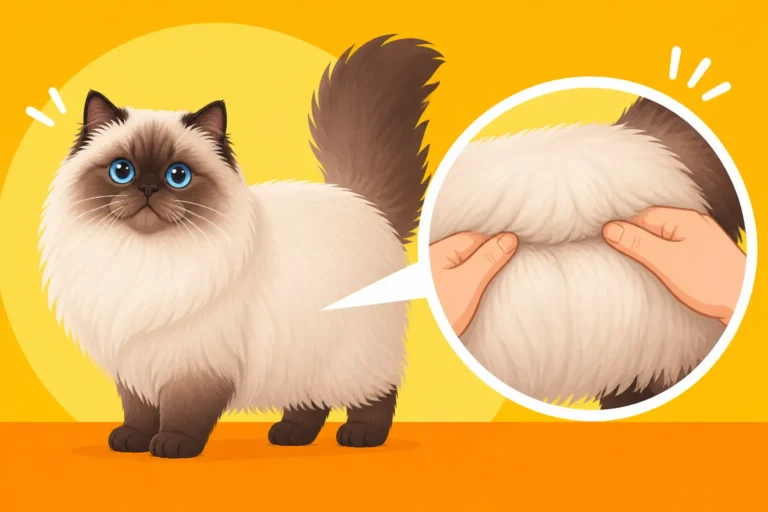
Mats aren't random; they have their favorite spots on a Himalayan's body, and these areas often align with points of friction or where the cat can't easily groom itself. The armpits are notorious, acting like miniature friction zones every time your cat moves, runs (briefly!), or stretches. Mats can start here as tiny knots and quickly grow into painful, solid clumps. Similarly, the "britches" – the long fur on their hind legs – collect everything from shed hair to litter particles, making it another prime matting location.
Behind the ears and around the ruff (the magnificent mane around their neck) are also common culprits. These areas might seem easy enough for a cat to reach, but the sheer volume and fine texture of the fur make self-grooming difficult, especially as the cat ages or if they become a bit overweight. Even the tail, which might seem less prone, can develop mats if not regularly combed through. Ignoring these hot spots, even for a day or two, can lead to painful skin irritation and even infections hidden beneath the dense fur. Why a Himalayan's Armpits Mat Before Anywhere Else is a real concern you'll quickly learn about.
The Impact of Temperature and Activity
While Himalayans are not known for their boundless energy, their environment and even their slight movements still impact their coat. A warmer environment can actually make their coat softer and more prone to shedding, as their body tries to regulate temperature. This increased shedding, if not managed, leads directly to more mats. Conversely, a colder house might thicken their coat, making it even denser and harder to comb through. Why a Himalayan in a Cold House Darkens All Over is an interesting phenomenon that also speaks to how their coat reacts to external conditions.
Even minor activity, like settling into their favorite spot on the sofa or curling up in a tight ball, creates friction points where mats can begin. They may not be scaling cat trees or sprinting through the house, but their very presence on furniture, being petted, or even just stretching can subtly encourage tangles. The less they move, the more likely debris and shed fur settle deeply into the coat, rather than being naturally dislodged. It's a constant battle, even for the most sedentary of these fluffy companions.
The Daily Combing Routine – Breaking Down the Minutes
Alright, let's get down to brass tacks: how much time does this actually take? When we talk about a "daily comb" for a Himalayan, we're not talking about a quick once-over. This is a deliberate, methodical process that, when done correctly, forms the cornerstone of their health and comfort.
Essential Tools and Their Role
Before you even think about combing, you need the right arsenal. Skimping on tools here is a false economy that will only lead to more frustration and potentially painful grooming sessions for your cat.
First and foremost, you need a high-quality steel comb. This is your workhorse. Look for one with both wide and narrow teeth. The wide-toothed end is fantastic for initial detangling and working through the larger areas of the coat, while the finer teeth help to catch the smaller tangles and ensure you’re getting right down to the skin. I’ve found some excellent, durable options on Amazon that stand up to daily use. You'll also want a slicker brush, but use this sparingly and with a very light hand, as the fine wires can irritate delicate skin if used improperly. Its main job is to remove loose hair from the top coat. For the undercoat, a specialized undercoat rake can be a godsend, designed to gently pull out dead undercoat without damaging the guard hairs. Which Steel Comb a Himalayan's Coat Needs is crucial knowledge, because the wrong comb just won't cut it.
Beyond combs and brushes, keep a good pair of blunt-nosed scissors handy for carefully trimming around the eyes, paw pads, and britches (more on that later). And don't forget cornstarch or a detangling spray – a little sprinkle of cornstarch can help loosen a stubborn mat, while a good detangling spray can make the comb glide through easier.
Step-by-Step Breakdown of Combing
This is where the minutes really start to add up. You're aiming for a full-body inspection and detangle, every single day.
- Start with the head and ruff (2-3 minutes): Begin gently around their head and ears, areas that can be sensitive. Move to the magnificent ruff. Use the wide-toothed end of your steel comb, working small sections at a time. This is where you set the tone for the session – be calm, reassuring, and gentle.
- Move to the back and sides (3-5 minutes): Work your way down their back and sides, again in small sections. Lift the coat as you comb to ensure you're getting through both layers. If you hit a snag, don't pull! Gently work it out with your fingers first, then the comb.
- Belly and Chest (3-5 minutes): This can be a trickier area, as many cats are sensitive about their belly. If your cat is relaxed, gently roll them onto their back or side. Support their weight and work quickly but carefully. This is a prime matting zone.
- Legs and Armpits (4-6 minutes): These are critical areas. Mats in the armpits can severely restrict movement and cause pain. Be extremely gentle here. Lift each leg and work through the fur, checking meticulously for knots. Don't forget the inner thighs.
- Britches and Tail (3-4 minutes): The long fur on their hind legs (britches) needs careful attention. Use the wide-toothed comb, then the finer one. For the tail, hold it gently near the base and comb the plume outwards.
- Paw Pads (1 minute): Quickly check the fur between their paw pads. If it gets too long, it can affect their traction and collect debris. Trim carefully if needed with your blunt-nosed scissors.
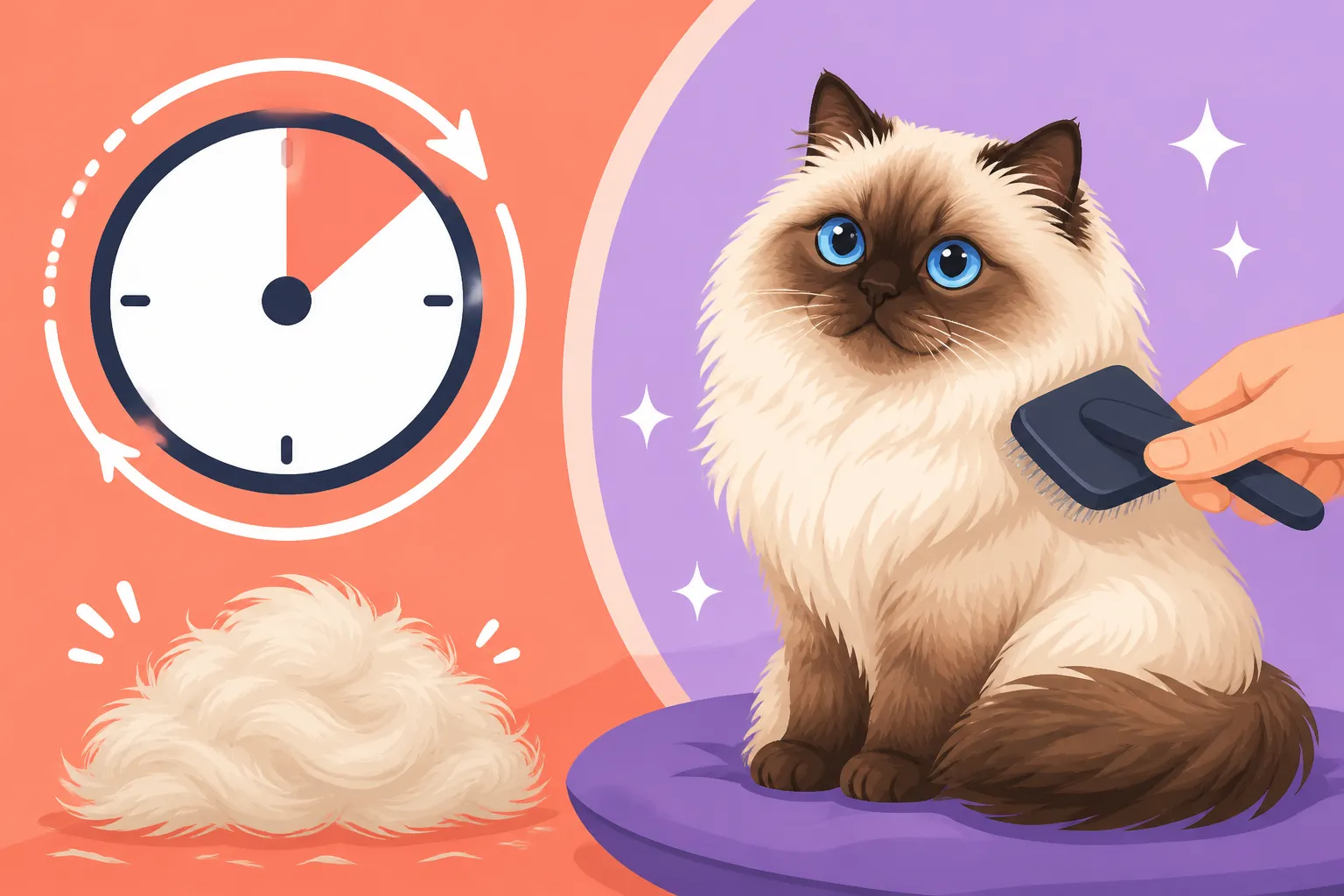
Total daily combing time, if you're thorough and your cat is cooperative, can easily be 15-20 minutes. On days where a new mat has started, or your cat is less enthused, it might stretch to 25 or even 30 minutes. This is why How Long a Himalayan's Daily Comb Takes is a question that requires a truly detailed answer.
Face and Eye Care
Often overlooked in the "combing" discussion, daily face and eye care is not optional for a Himalayan; it’s a non-negotiable part of their routine, adding extra minutes to your commitment. Himalayans, especially those with a flatter facial structure (Peke-face type), are prone to tear staining and wetness around their eyes and nose folds.
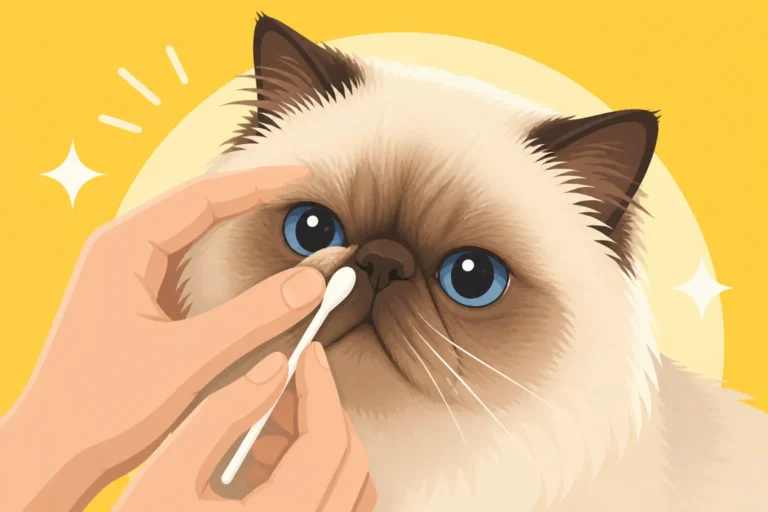
Every morning, before or after combing, you need to gently wipe their face. Use a soft, damp cloth or specific cat-safe eye wipes (available from places like Chewy or your local pet store). Focus on the area beneath their eyes, clearing away any discharge or "sleepies." This prevents tear stains from setting in and keeps the delicate skin underneath clean and dry. Why a Himalayan's Face Must Be Wiped Every Day isn't just about looks; persistent dampness can lead to skin irritation, yeast infections, or even bacterial growth in the deep folds many Himalayans possess. After cleaning, gently dry the area with a fresh, soft tissue or cotton pad. Don't forget to check their nose fold – that little wrinkle above their nose can collect moisture and become a breeding ground for bacteria if not kept clean and dry. This adds another 2-5 minutes to your daily regimen, depending on how prolific their tears are.
| Grooming Task | Estimated Daily Time (Minutes) | Key Area of Focus |
|---|---|---|
| Full Body Combing | 15-20 | Ruff, back, sides, belly, legs, armpits, britches, tail |
| Face & Eye Cleaning | 2-5 | Under eyes, nose folds, corner of mouth |
| Quick Spot Check (Mats) | 1-2 | Armpits, behind ears, under chin |
| Total Daily Commitment | 18-27 minutes |
This table illustrates that you're looking at a solid 20 to 30 minutes minimum each day, every day, without fail.
Beyond the Daily Comb – Other Time Commitments
While the daily comb and face wipe are paramount, the care of a Himalayan's coat and overall well-being extends beyond those foundational minutes. There are other routine tasks and unexpected situations that will demand your time and attention.
Weekly and Bi-Weekly Checks
Your Himalayan's claws, for instance, need regular attention. Because many Himalayans are less active and don't engage in extensive scratching that naturally wears down their claws, they often need trimming every 1-3 weeks. Overly long claws can get snagged, cause discomfort when walking, and even grow into their paw pads, leading to pain and infection. Learning to trim their claws properly is a skill, and it's a few minutes added to your routine regularly. Trimming a Himalayan's Claws When It Rarely Uses a Post often falls to the owner.
Additionally, a quick ear check every week or two is a good habit. While Himalayans generally have smaller, less-exposed ears compared to some breeds, it's still important to ensure they are clean, free of debris, and don't show any signs of redness or odor, which could indicate an infection. This vigilance prevents small issues from becoming larger, more painful problems.
Dealing with Unexpected Mats
Life happens, right? There will be days when you're rushing, or your cat is just not in the mood, and the daily comb gets abbreviated or, heaven forbid, skipped entirely. This is where the price of "a few minutes off" quickly compounds. Missing even one day can lead to the formation of small, tight mats, especially in those problem areas we discussed earlier.
When you discover a mat that has formed, dealing with it takes significantly more time and patience than preventing it would have. You can't just yank it out; that's incredibly painful for your cat and can damage their skin. Instead, you'll need to carefully work at it with your fingers, potentially using cornstarch or a detangling spray to help loosen the hairs. It's a slow, meticulous process, often requiring several short sessions rather than one long, stressful one. If a mat is too tight or close to the skin, attempting to remove it yourself could cut your cat or cause a nasty skin tear. At that point, a trip to the vet for professional removal under sedation might be the only safe option, turning a missed five minutes of combing into a costly and stressful ordeal.
The Old or Less Mobile Himalayan
As Himalayans age, their grooming needs often increase, not decrease. Older cats may develop arthritis or other mobility issues, making it difficult for them to reach certain areas of their body for self-grooming. The once-flexible cat who could meticulously clean its britches might suddenly struggle to do so, leading to faster matting and potential hygiene issues. When an Old Himalayan Can No Longer Reach Its Back is a common scenario. Their coats can also become drier or more prone to tangling with age, requiring even more diligent combing from you.
Furthermore, an older cat might have a diminished appetite or develop dental problems, making them less enthusiastic about eating or even grooming. Offering easily digestible, palatable food, perhaps wet food or a gently cooked option, can help keep them nourished, which in turn supports coat health. But your hands-on grooming time will almost certainly increase as they rely more heavily on you to maintain their comfort and cleanliness in their golden years. This commitment is a loving one, but it's a commitment nonetheless.
The True Investment: Time vs. Cost
Ultimately, the time you invest in grooming your Himalayan is an investment in their health, happiness, and your bond. It's a proactive measure that saves you money and heartache down the road.
Preventing Health Issues
A clean, mat-free coat is more than just pretty; it's a vital part of your Himalayan's health. Mats pull at the skin, causing pain and restricting blood flow. This can lead to hot spots, skin infections, and general discomfort that impacts their mood and willingness to interact. Think about how irritable you get with a small, persistent itch; now imagine that sensation spread across large areas of your body, continually pulling at your skin. It's truly debilitating for them.
Regular grooming also allows you to perform daily health checks. As you comb, you're feeling for any lumps, bumps, wounds, or parasites that might be hiding under that dense fur. You're checking the condition of their skin, looking for any redness, flakiness, or unusual odors. This early detection can be critical for catching health issues before they become severe. Why a Matted Himalayan Becomes a Medical Case is not an exaggeration; it really can lead to serious skin and health problems.
The Cost of Neglect
Failing to maintain a Himalayan's coat can quickly become a significant financial burden. If mats become too severe or too numerous, attempting to remove them at home is dangerous and cruel. The only humane and safe option is often a visit to a veterinary groomer or a vet clinic, where the cat will need to be sedated or anesthetized to have the mats shaved off. These procedures are not inexpensive.
The cost includes the vet consultation, the sedation/anesthesia, the grooming fee, and potentially medication for any underlying skin infections that have developed. What could have been 20 minutes of daily combing can easily turn into hundreds of dollars in vet bills. Why a Neglected Himalayan Ends Up Sedated for Clipping highlights this exact scenario. And it's not just the money; it's the stress on your cat, the recovery time from sedation, and the fact that they'll be left with a patchy, uneven coat that takes months to grow back. It's a painful lesson to learn, both for your wallet and your cat.
The Bond You Build
Beyond the practicalities, the daily grooming session offers a unique opportunity to strengthen the bond with your Himalayan. It's a quiet, focused time where you're providing comfort and care. Many Himalayans, once accustomed to the routine, come to enjoy these sessions, purring contentedly as you work through their fur. It becomes a ritual of affection and trust.
It's a moment to connect, to ensure they feel safe and loved, and to reinforce that you are their provider of comfort. This isn't just a chore; it's a daily act of devotion that contributes immensely to your cat's emotional well-being and your shared life together. The minutes truly add up, but so does the love and companionship.
Disclaimer
This article is for general informational purposes only and does not constitute professional advice. Laws, prices and regulations vary by location and change over time. Consult a qualified professional for guidance on your specific situation.