When to Stop Combing a Himalayan Mid Session
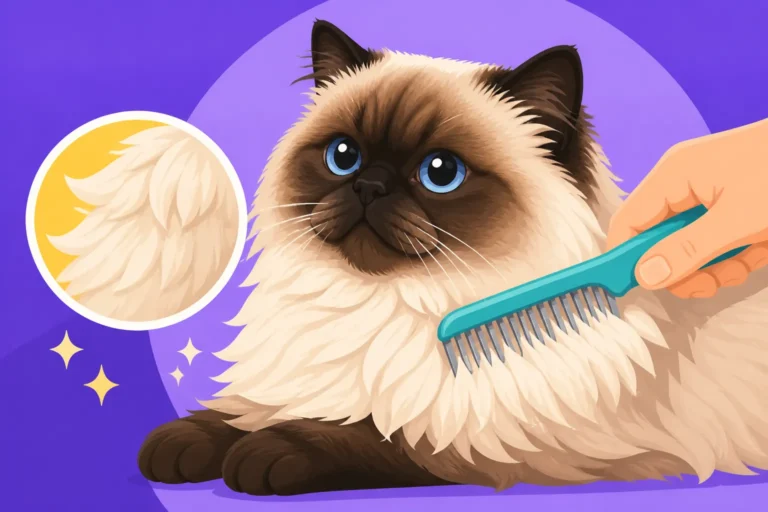
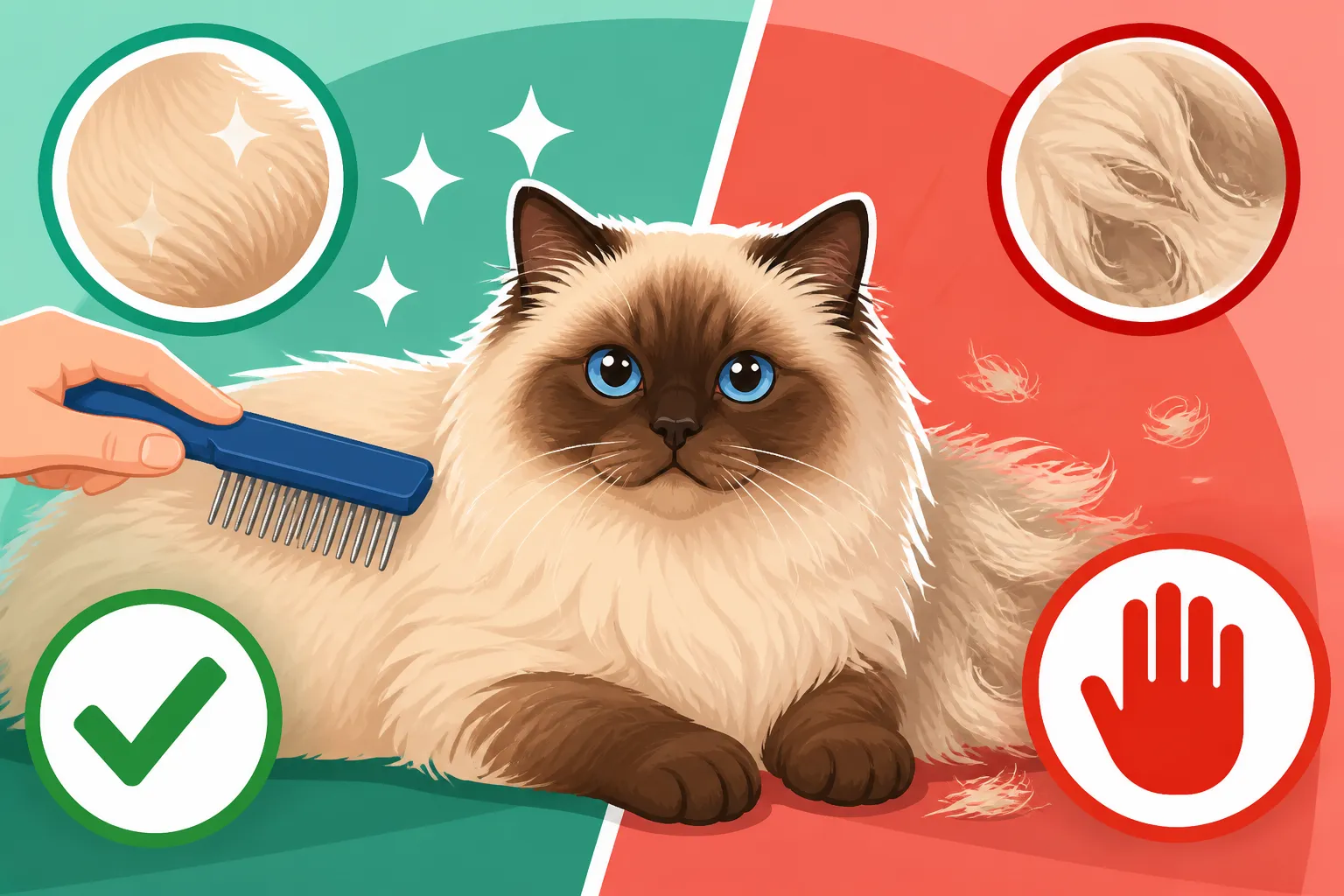
It's a familiar scene for any Himalayan owner: you settle down with your beautiful, fluffy companion, comb in hand, ready for their daily grooming session. But sometimes, just a few minutes in, you can feel that subtle shift – a tensing of muscles, a flick of the tail, a low rumble that isn't a purr. Knowing exactly when to respect those signals and stop combing your Himalayan mid-session isn't just about avoiding a scratched hand; it's about preserving your bond and making grooming a positive experience for both of you. This guide will help you understand your cat's cues and manage grooming sessions effectively.
Understanding Your Himalayan's Grooming Signals
Himalayans, with their serene dispositions, might not always make their discomfort obvious through loud complaints. However, they are masters of subtle communication, especially when it comes to expressing displeasure during grooming. Learning to read these quiet signals is key to a harmonious relationship and successful coat care. Ignoring these early warnings can quickly escalate a minor annoyance into a full-blown struggle, making future grooming sessions even more challenging.
Reading the Ears and Tail
One of the first places a Himalayan expresses its mood is through its ears and tail. A happy, relaxed cat often has its ears pricked forward or slightly to the side, in a natural, soft position. Its tail might be held gently, perhaps with a slight, slow sway if it's content. As discomfort or irritation grows, those ears will start to flatten sideways against the head, sometimes even pinning back directly. This "airplane ear" or "slicked back" look is a clear sign your cat is feeling defensive or annoyed.
Simultaneously, observe the tail. A rapid, low-slung swish or thump of the tail is a significant warning. It's not the happy, upright tail wag of a dog; for a cat, especially a typically placid Himalayan, it indicates growing agitation or even aggression. If the tail starts thumping rhythmically on the floor, or tucking tightly between the legs, your furry friend is communicating a strong desire for the session to end. You might also notice a slight twitching of the tail tip, which can escalate to a full swish.
Imagine you're gently working a comb through a particularly dense patch on their side. At first, your Himalayan is purring softly, maybe even leaning into the comb. Then, you hit a small tangle, and you notice their ears shift back, just a little. A moment later, that tail gives a single, sharp flick. This is your cue. Pushing past this point risks pushing your cat into full defensive mode, making it much harder to regain their trust for the next session.
Vocalizations and Body Tension
Beyond visual cues, Himalayans also use a range of subtle vocalizations and changes in body tension to communicate. A content purr might change in pitch or intensity, becoming a lower rumble, or it might cease altogether. You might hear a soft growl, a low warning that is distinct from their regular vocalizations. Even a soft hiss, almost unheard, is a definitive signal that you've pushed too far.
Pay close attention to your cat's muscles. Is their body stiffening up? Are their paws tensing or retracting slightly? A relaxed cat's body will feel pliable and loose. When they become tense, their muscles will feel rigid, they might crouch lower, or try to shift their weight away from the comb. Some Himalayans will also try to subtly bat at the comb with a sheathed paw as a gentle warning before deploying claws.
Consider a scenario where you're attempting to comb their chest ruff, a notoriously dense area. Your Himalayan usually tolerates this, but today, after a few minutes, their purr dies down, and you feel their front paws start to subtly stiffen, pressing into the sofa cushions. There's no hiss, no bite, but that rigidity tells you everything. This is the moment to pause, reassure them, and consider if you should continue. How Many Minutes a Day a Persian Coat Takes on a Himalayan can vary greatly depending on their mood.
| Signal Type | Subtle Indication | Strong Warning | Action to Take |
|---|---|---|---|
| Ears | Slightly flattened, turning sideways | Pinned flat against head | Stop immediately or take a break |
| Tail | Slow, low swish of tip | Rapid thumping, low-slung swishing | Stop immediately or take a break |
| Vocalization | Purr softens or stops, low rumble | Soft growl, hiss, low moan | Stop immediately or take a break |
| Body | Tensing muscles, slight crouch, shifting away | Stiffening, leaning away forcefully, trying to escape | Stop immediately or take a break |
| Eyes | Dilated pupils, direct stare | Squinting, avoidance, half-closed | Stop immediately or take a break |
| Paws | Subtle paw withdrawal | Sheathed bat, unsheathed claw | Stop immediately or take a break |
When to Absolutely Stop the Session
While subtle cues are important for preventative action, there are clear, unmistakable signals that demand an immediate halt to the grooming session. Pushing through these advanced warnings can not only result in injury to you but can also severely damage your cat's trust, making future grooming a battle you'll likely lose. Always prioritize safety and maintaining a positive association with handling.
When Your Cat Is Clearly Overwhelmed
If your Himalayan begins to growl loudly, hiss aggressively, or attempt to bite or scratch, the session needs to end right then and there. These are not minor complaints; these are desperate pleas from an animal that feels trapped and threatened. A cat that feels it has no other option will resort to defensive aggression, which can be dangerous for both of you. It's critical to understand that this isn't "bad" behavior; it's a natural, instinctive reaction to perceived threat or discomfort.
Another strong signal is a sustained attempt to escape. If your cat is wriggling violently, trying to jump off the table, or clawing its way out of your arms, it's a sign of profound distress. Continuing to hold them forcefully will only increase their fear and resentment. It can also lead to accidental falls or injuries if they manage to break free in a panic. The goal of Teaching a Himalayan to Lie Still for Its Daily Comb is to make them comfortable, not to restrain them against their will.
You might encounter this if you're trying to work out a particularly stubborn mat. Perhaps you underestimated the severity, and what started as a small tangle is now a painful, dense knot. As you try to comb it, your normally docile Himalayan suddenly snaps, maybe even attempting a quick, warning bite. This isn't malice; it's pain and fear. At this point, trying to persevere is counterproductive and harmful.
Protecting Yourself and Your Cat
Beyond aggression, you should also stop if you notice any signs of physical distress in your cat, such as rapid breathing, panting, or excessive drooling. Himalayans, especially those with flatter faces, can be prone to overheating and respiratory difficulties, particularly when stressed. If you see these signs, immediately stop grooming, move them to a cool, quiet spot, and monitor them. These signs might indicate that the stress of grooming is becoming too much for their physical comfort. Why a Himalayan Overheats Twice as Fast as a Siamese is a very real concern during stressful situations.
Your own safety is paramount, too. If you find yourself becoming frustrated, angry, or losing patience, it's time to stop. Your cat will pick up on your tension, which will only exacerbate their own anxiety. Take a break, step away, and come back to it later with a clear head. A calm owner leads to a calmer cat. If you're stressed, you're more likely to make mistakes, such as pulling too hard on a mat or misreading a subtle cue.
Consider a hot summer day. You know your Himalayan needs its daily comb, but the heat is making both of you a bit irritable. As you work through the coat, you notice your cat starting to pant lightly, something they rarely do unless they've been playing vigorously. Despite the mats, continuing to groom under these conditions could lead to overheating and severe distress. It's a clear signal to stop, move to a cooler spot, and potentially try again when the air is fresher.
Strategies for Shorter, More Productive Sessions
Once you recognize the signs that your Himalayan is reaching its limit, the next step is to adapt your grooming strategy. The goal isn't necessarily to complete the entire grooming in one heroic session, especially if your cat is still learning to tolerate it. Instead, focus on shorter, more frequent, and positive interactions that build trust and prevent overwhelming your furry companion.
Breaking Down the Grooming Task
Instead of aiming for a full-body groom every day, break the session down into smaller, manageable chunks. One day, focus only on their back and sides. The next day, tackle the ruff and chest. On another, just the britches and tail. This approach means your cat is only exposed to a shorter period of combing, reducing the chances of them becoming agitated. It’s much better to have several short, positive experiences than one long, traumatic one. The Daily Comb a Himalayan Cannot Skip is important, but it doesn't have to be an all-at-once ordeal.
Consistency is also vital. Try to groom at the same time each day, when your cat is naturally relaxed, perhaps after a nap or before a meal. A predictable routine helps reduce anxiety because they know what to expect. Using specific tools that are comfortable for their dense coat, like a wide-toothed steel comb (easily found on Amazon), can make the process more efficient and less painful. Avoid using tools that pull or snag the fur, as this will quickly sour their opinion of grooming.
For example, on Monday evening, you might spend five minutes gently combing their back, offering praise and a small treat. On Tuesday morning, you might focus on their fluffy britches for another five minutes. By distributing the workload, you ensure no single session becomes too arduous, and you keep the experience positive. This cumulative effort effectively manages their long, thick coat without causing distress.
Positive Reinforcement and Routine
Positive reinforcement is your most powerful tool in making grooming enjoyable for your Himalayan. Start by associating the comb with good things. Let them sniff the comb, then give a treat. Touch them with the comb lightly, then give a treat. Gradually build up to short strokes, always rewarding calm behavior. You might even offer a high-value treat, something special from Chewy, to make the experience more pleasant. The aim is for them to see the comb not as an instrument of torture, but as a precursor to delicious rewards and gentle attention.
Create a dedicated grooming space that is quiet and free from distractions. A soft mat on a table or even your lap, in a familiar room, can make a huge difference. Avoid wrestling them on the floor or trying to groom them when there's a lot of activity in the house. The calmer the environment, the calmer your cat will be. This structured approach helps reinforce the idea that grooming is a normal, non-threatening part of their day.
If you have a young kitten, start grooming early and often. Even short, gentle sessions of just a minute or two can establish a positive foundation. Getting a Himalayan Kitten Used to the Comb is crucial in their early months. By the time they are adults, they will be much more accustomed to the routine, making those unavoidable daily combing sessions much smoother. Remember, patience is key – Rome wasn't built in a day, and neither is a perfectly groomed Himalayan!
Dealing with Mats and Unfinished Grooming
Sometimes, despite your best efforts, you have to stop a grooming session mid-way, leaving some mats or tangles unattended. This can feel frustrating, especially with a coat as prone to matting as a Himalayan's. However, leaving a session on a positive note, even if incomplete, is always better than pushing your cat to the point of fear or aggression. The key is to have a plan for addressing the unfinished business safely and effectively.
Addressing Remaining Mats Safely
If you’ve stopped due to your cat’s agitation but know there are still mats, don't try to force the issue later that day if they're still stressed. Give your Himalayan time to decompress and relax. You can try another very short session later, focusing only on the most critical area or a different, less sensitive spot, with plenty of treats and praise. The goal is to make sure they end on a positive note, even if it's just one successful comb stroke.
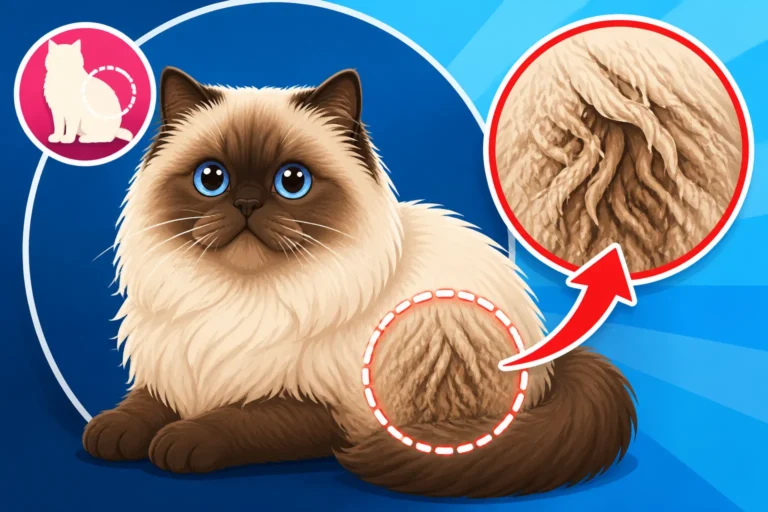
For particularly stubborn or painful mats that you simply couldn't get to, resist the urge to cut them out with scissors. A Himalayan's skin is delicate and thin, and it's incredibly easy to accidentally cut them, especially if the mat is tight against the skin. Instead, consider using a mat splitter tool, carefully working from the outer edge of the mat, or even just your fingers to gently tease the mat apart. Remember, Working a Mat Out From Under a Himalayan's Points takes time and extreme care.
A crucial part of managing mats is prevention, and Why a Missed Day Costs a Himalayan a Mat highlights how quickly these can form. If daily combing is still a struggle, revisit your routine. Perhaps your cat needs even shorter sessions, or a different type of comb. Some owners find that a regular schedule of professional grooming helps keep on top of the dense undercoat without overwhelming the cat at home.
When to Call in Professional Help
There are definitely times when the grooming task is simply too big or too stressful to handle at home, and that's perfectly okay. If your Himalayan has developed several large, tight mats, especially in sensitive areas like the armpits or behind the ears, it's often best to seek professional help. A veterinarian or a professional groomer experienced with long-haired cats can often remove these mats more efficiently and safely, sometimes even with light sedation if necessary to minimize stress and pain.
Don't feel guilty about asking for help. A matted coat can lead to skin irritation, infections, and discomfort for your cat, affecting their overall health and happiness. Investing in a professional groomer for a “lion cut” can be a wonderful reset button, allowing their coat to grow back fresh and giving you a clean slate for establishing a better home grooming routine. Some groomers even offer mobile services that come right to your door, reducing travel stress.
Remember, the long-term goal is a happy, healthy Himalayan with a well-maintained coat. If you find your cat consistently fighting every grooming attempt, or if mats are becoming a recurring problem despite your best efforts, it's a clear sign that you need to re-evaluate your approach. Consulting with your vet about behavioral strategies or engaging a professional groomer can be the most humane and effective solution to ensure your precious companion receives the care they need without unnecessary stress. Why a Himalayan That Fights Grooming Ends Up Sedated illustrates the importance of addressing severe matting before it requires more drastic measures. Handling a Himalayan So It Will Let You Comb It is a skill worth nurturing.
Disclaimer
This article is for general informational purposes only and does not constitute professional advice. Laws, prices and regulations vary by location and change over time. Consult a qualified professional for guidance on your specific situation.