How Long a Himalayan’s Lion Cut Takes to Grow Out
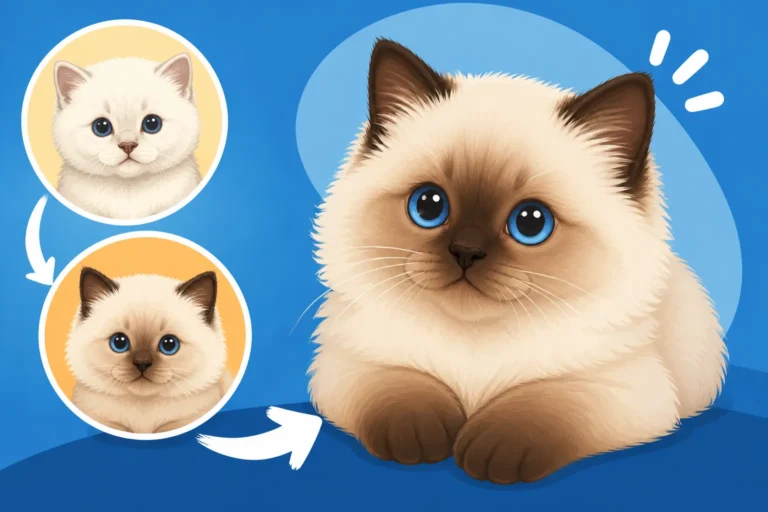
It's incredibly frustrating, isn't it, when your beautiful Himalayan comes home from a necessary lion cut looking like a completely different cat, and all you can think is, "When will their magnificent coat grow back?" That long, luxurious fur is such a hallmark of the breed, and waiting for it to return can feel like an eternity. This guide is here to walk you through the realistic timeline for a Himalayan's lion cut to grow out, what factors play a role in that regrowth, and how you can best support your feline friend during this transformation.
Understanding the Himalayan Coat Growth Cycle
Before we dive into timelines, it helps to understand a little about what makes a Himalayan's coat so special in the first place. This isn't just any cat fur; it's a dense, long, double coat inherited directly from their Persian ancestors, combined with the distinctive point coloration that comes from their Siamese heritage.
The Unique Nature of Himalayan Fur
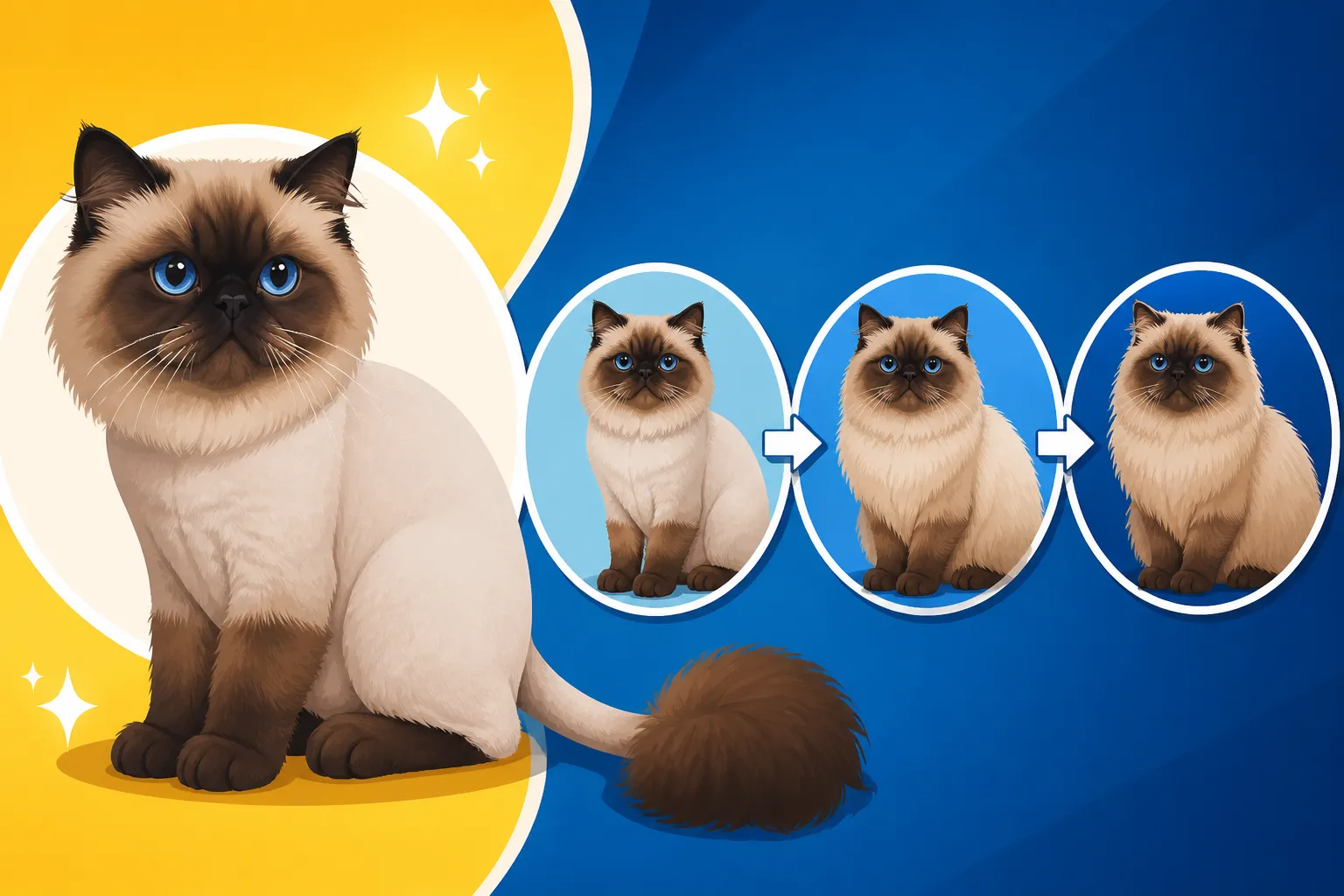
Imagine a cloud, soft and flowing – that's often what people picture when they think of a Himalayan's coat. It’s characterized by incredibly long guard hairs that give it that flowing appearance, and a thick, woolly undercoat that provides insulation. This dual layer is what gives them their volume and impressive ruff, belly fur, and britches. When your Himalayan gets a lion cut, essentially, a significant portion of both these layers is shorn down to a very short length, often leaving only the mane, tail tip, and "boots" on the paws.
Unlike human hair, which pretty much grows continuously, a cat's fur goes through growth cycles (anagen, catagen, telogen). Each hair follicle operates independently, but generally, all hair on a cat grows to a predetermined length, rests, sheds, and then regrows. With a lion cut, you're essentially resetting a massive number of these cycles all at once across most of the body. The hair still has to go through its natural phases, which takes time.
Factors Influencing Coat Regrowth Speed
The speed at which your Himalayan's glorious coat returns isn't entirely uniform. There are several contributing elements that can either speed things along or, conversely, make the process feel even slower. It’s not just about time passing; it’s about their internal and external environment.
First and foremost, a cat's age plays a significant role. Younger, healthier Himalayans, say, under five or six years old, often have a more robust metabolism and healthier hair follicles, leading to quicker regrowth. Their bodies are simply more efficient at producing new cells and maintaining optimal health. An older Himalayan, particularly one over eight or nine, might find the regrowth process takes considerably longer, perhaps stretching out by an extra month or two. Their cellular regeneration naturally slows down with age.
Nutrition is paramount. A high-quality diet rich in animal-based protein and essential fatty acids provides the building blocks for healthy hair. Think of it like this: if you're trying to build a magnificent house, you need the best materials. The same goes for your cat's coat. A diet lacking in vital nutrients can result in thin, brittle hair that grows slowly or breaks easily. We'll dive deeper into this later, but remember that What protein level a Himalayan's coat needs is a vital consideration.
Overall health cannot be overstated. Any underlying health issue, even seemingly minor ones like dental problems or digestive upset, can divert the body's resources away from "non-essential" functions like hair growth. Stress, illness, parasites, or even hormonal imbalances can all impact how quickly and thickly that new coat comes in. A cat that's fighting off a silent infection, for example, will put its energy into healing rather than growing a luxurious mane.
Finally, while modern indoor cats are largely shielded from extreme seasonal fluctuations, there can still be some subtle seasonal influence. Cats naturally shed more in spring and fall, preparing for lighter or heavier coats. While a lion cut throws a wrench into this natural rhythm, some cats might still exhibit slightly faster growth during what would naturally be a "growing" season for their coat. Individual genetics also play a part. Just like some people have fast-growing hair and others don't, some Himalayans are simply predisposed to quicker, denser coat regrowth than others in the breed.
The Timeline of a Lion Cut Regrowth
Alright, let's get down to the nitty-gritty: how long does this whole process actually take? It's important to set realistic expectations because watching your cat's coat grow back can feel like watching paint dry if you're not prepared for the varying stages.
Initial Growth: The "Velvet" Stage (Weeks 1-4)
The first few weeks after a lion cut are often the most noticeable and, for some owners, the most jarring. Your Himalayan will go from being a fluffy cloud to a sleek, almost alien-looking creature. In the first week, you'll see very little visible change. The skin might look a little pinker, and you'll probably notice how truly small and cobby your cat is without all that fur.
By week two, a soft, downy "velvet" will start to emerge over the shaved areas. It's incredibly soft to the touch, like a kitten's fur, but it's very short. At this stage, your cat's skin is more exposed and sensitive than usual. They might be a bit chillier, especially if your home is on the cooler side, so be mindful of drafts or providing extra blankets for snuggling.
As you move into weeks three and four, this velvet fuzz will thicken slightly, and you'll begin to discern the faint outlines of where the longer fur will eventually return. The new growth might even appear darker than their usual body coat because the pigment-producing cells in the hair follicles, now exposed to ambient temperature, will be more active. This is a common phenomenon; Why a Shaved Patch Grows Back Dark on a Himalayan is a fascinating look into why this happens. It's still very short, perhaps a quarter to half an inch long, but it’s definite progress!
Mid-Stage Growth: Patchwork and Unevenness (Months 1-3)
This is often the most frustrating phase for owners, affectionately (or not-so-affectionately) dubbed the "awkward teenage" stage of coat regrowth. By the end of the first month and through the second and third, you'll notice a distinct patchwork appearance. Different areas of your Himalayan's body grow at different rates, leading to a rather uneven look.
You'll likely see the fur on their main body, especially over their back and sides, starting to get some real length. It might be an inch or two long by the end of this period, but it won't yet have the density of a full coat. Meanwhile, the fur on their britches (the fluffy pantaloons on their hind legs) and their ruff around the neck might still be lagging a bit, or perhaps growing in a slightly different texture. This is completely normal and just part of the process.
The characteristic Persian coat, with its distinct texture and length, slowly begins to re-establish itself. You might also notice that the color of the growing fur might not perfectly match what was there before, especially if the lion cut was done for a specific issue like severe matting. For Himalayans, whose point coloration is temperature-dependent, the initial regrowth on the warmed body might appear lighter than the eventual full coat, only to deepen over time. It's important to remember that Caring for a Himalayan Whose Points Have Gone Dark requires a similar mindset of patience and consistent grooming. During this phase, you must start gentle grooming to prevent the new, softer fur from tangling and matting as it lengthens.
Full Regrowth: Patience is Key (Months 3-9, potentially longer)
Reaching "full regrowth" for a Himalayan is a journey, not a quick destination. By month three, your cat will definitely look like they have a proper coat again, but it won't be at its full, magnificent length or density. For many Himalayans, it takes a good six to nine months to get back to what most owners would consider a near-full coat. Some individuals, especially older cats or those with slower metabolisms, might take a full year or even slightly longer to achieve their previous glory.
The key here is patience. That stunning ruff, the flowing tail, the impressive britches – these areas, which often have the longest and densest fur, are usually the last to fully fill out. The body coat will likely reach a good length first, but the undercoat density, which gives a Himalayan its plush feel and warmth, can take the longest to fully recover.
You might also notice subtle differences in the texture or wave of the fur once it's completely grown out. Sometimes, a lion cut can slightly alter the way the individual hair shafts lie, though this is usually very minor. And, as mentioned before, the point colors might come back richer and deeper in the areas that were shaven, particularly if the cat was in a cooler environment during regrowth. The essential takeaway is that while the bulk of the fur will return within six to nine months, achieving that exact, pre-shave grandeur might take a full year, and a bit of a shift in perception on your part. It's a gradual process that demands consistent care throughout.
Caring for Your Himalayan During Coat Regrowth
While you're waiting for that beautiful coat to return, your Himalayan needs special attention. This isn't just about aesthetics; proper care during regrowth is crucial for their comfort and health.
Essential Grooming During the Grow-Out Phase
Even though the fur is short initially, grooming is critical from day one. You might think, "What's there to comb?" but starting gentle handling early is vital. As the soft, short fur begins to grow, it can quickly tangle, especially the woolly undercoat that comes in.
Start with very gentle brushing, even with just a soft bristled brush, as soon as the fur has a bit of length to it (around 2-3 weeks). This gets your cat accustomed to the sensation again and helps stimulate blood flow to the skin, which can encourage healthy growth. As the fur gets longer, transition to a good quality steel comb. You'll need one with both wide and fine-toothed sections. The wide teeth are great for the initial passes, gently working through any new tangles, while the finer teeth help to ensure you're getting through the dense undercoat. Our article on Which Steel Comb a Himalayan's Coat Needs provides excellent advice on selecting the right tools.
Focus particularly on areas that are prone to matting even with a short coat: behind the ears, under the armpits, and around the britches. These spots are high-friction areas where fur tends to clump quickly. Daily, short grooming sessions are far more effective and less stressful than trying to tackle a large mat once a week. Remember, a lion cut is often done because of matting, so the goal is to prevent a recurrence.
| Regrowth Phase | Approximate Timeline | Grooming Focus |
|---|---|---|
| Initial Growth | Weeks 1-4 | Gentle brushing with soft brush, skin massage |
| Mid-Stage Growth | Months 1-3 | Introduce steel comb (wide teeth first), target mat-prone areas |
| Full Regrowth | Months 3-9+ | Daily comprehensive combing with steel comb, focus on undercoat |
Nutritional Support for a Healthy Coat
A healthy coat literally grows from the inside out, and nutrition plays an enormous role in both the speed and quality of regrowth. Now is not the time to skimp on your Himalayan's diet.
Prioritize high-quality cat food where animal protein is the primary ingredient. Look for real meat sources like chicken, turkey, or fish listed first on the ingredient label. Protein provides the amino acids that are the fundamental building blocks of hair. Without sufficient, good-quality protein, hair growth will be slow, and the new fur might be weak or dull. Many reputable brands offer excellent options; you can find a wide selection of high-protein foods at retailers like Chewy or Amazon.
Beyond protein, essential fatty acids, particularly Omega-3s and Omega-6s, are crucial for skin health and a shiny, supple coat. Fish oil supplements, often derived from salmon or krill, can be a fantastic addition to your cat's diet during this time. Just be sure to choose a supplement specifically formulated for cats and follow the dosage instructions. Some premium cat foods are already fortified with these beneficial fats. While often debated, understanding Whether Grain Free Does Anything for a Himalayan's Coat is also valuable, though the primary focus should be on protein and healthy fats.
Finally, ensure your Himalayan has constant access to fresh, clean water. Hydration is vital for all bodily functions, including skin and hair health. If your cat isn't a big drinker, consider a pet fountain to encourage more sips.
Environmental Considerations
When your Himalayan is in the early stages of regrowth, their much-reduced fur coat means they have less natural insulation. They might get cold more easily, especially if they usually seek out cool spots. Provide them with extra blankets, cozy beds, or even a safe, low-wattage heating pad for comfort. Conversely, once the coat starts getting longer and thicker, you'll need to be mindful of overheating, which Himalayans are already prone to due to their dense fur and brachycephalic (flat) faces. Keep their environment cool and comfortable, especially during warmer months.
Also, remember that their skin, once protected by a thick coat, is now more exposed. If they spend any time near a window with direct sunlight, they could be at risk of sunburn, especially on lighter-colored skin. Keep an eye out for any redness or irritation, and ensure they have shaded areas to retreat to.
Managing Expectations and Embracing the Process
The most important thing you can do for yourself and your Himalayan is to manage your expectations. A lion cut is a significant change, and regrowth takes time. It won't happen overnight, and there will be awkward phases where your cat's fur looks patchy or uneven. Embrace it as part of their journey!
Maintain a regular schedule for feeding, playtime, and, most importantly, grooming. Consistency reduces stress for your cat and helps you stay on top of any potential matting issues before they become serious. Regular vet check-ups are always important, but especially during this time, to ensure there are no underlying health issues that could hinder coat growth or create discomfort. The entire lifespan of a Himalayan, which typically runs for The Nine to Fifteen Years a Himalayan Usually Gets, is a commitment to meticulous care, and a lion cut grow-out is just one phase of that. Remember that the cost and time invested over What Fifteen Years of a Himalayan's Coat and Face Costs really highlight the commitment we make to these wonderful cats.
Your Himalayan might look a little different for a while, but underneath that growing fur, they're still the same loving, laid-back companion. With patience, good nutrition, and consistent, gentle grooming, their magnificent coat will return, perhaps even more beautiful than before.
Disclaimer
This article is for general informational purposes only and does not constitute professional advice. Laws, prices and regulations vary by location and change over time. Consult a qualified professional for guidance on your specific situation.