Every Himalayan Inherits Two Disease Lists, Not One
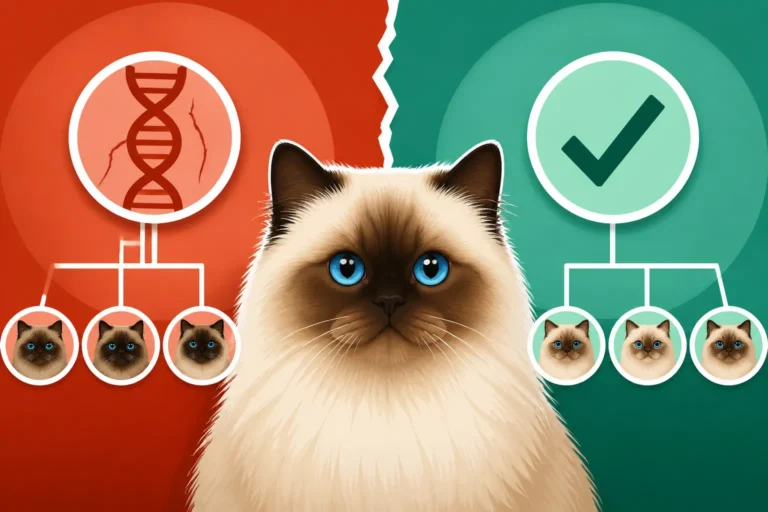
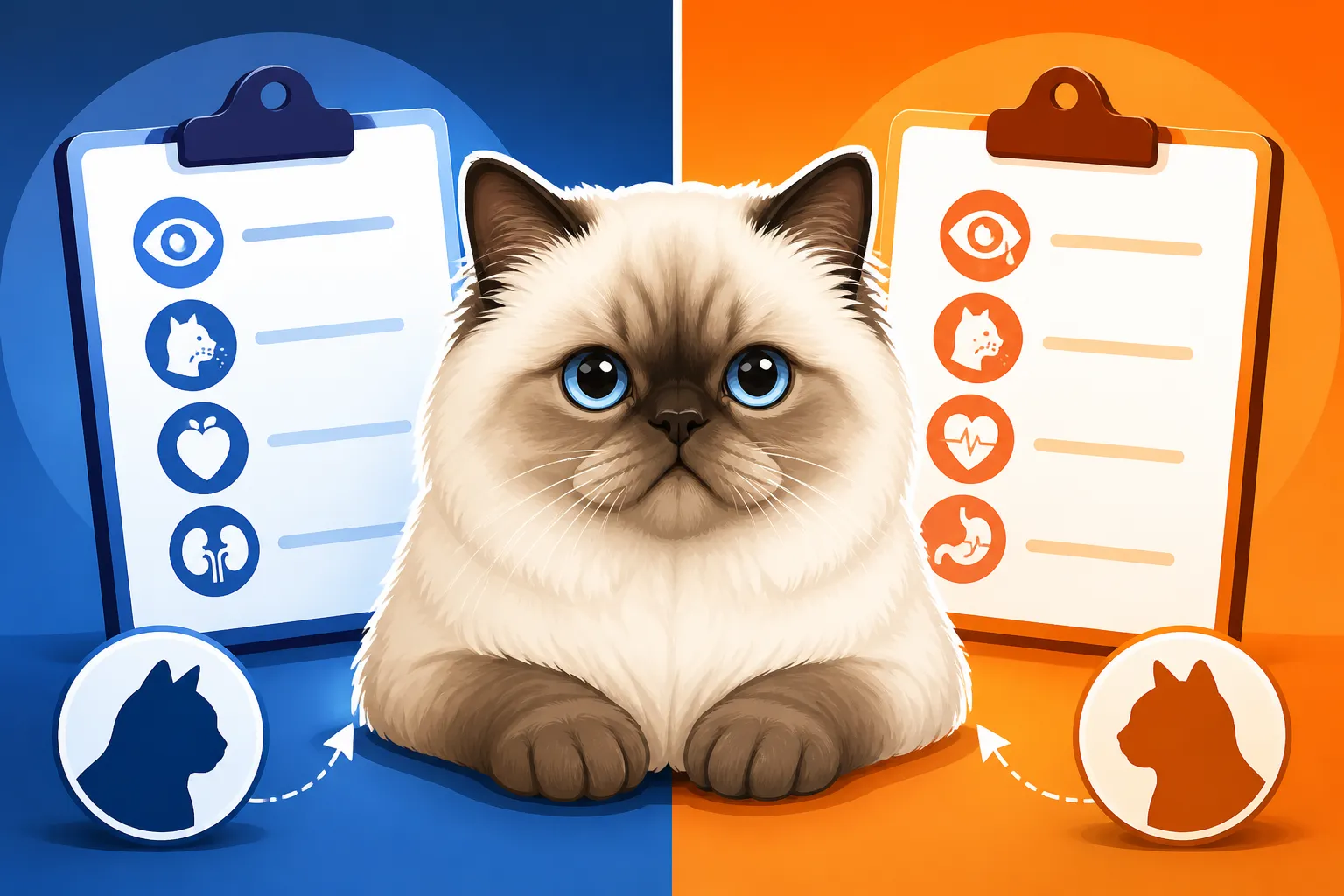
It's a common misconception that our beautiful Himalayan cats, with their striking blue eyes and luxurious coats, are just one single breed. But the truth is, they're a magnificent blend, carrying the genetic legacies of both their Persian and Siamese ancestors. This dual heritage means that when you welcome a Himalayan into your home, you're not just getting a captivating companion; you're also embracing a cat with a potential health roadmap that includes not one, but two distinct lists of inherited predispositions. This guide will walk you through these unique genetic considerations, helping you understand and prepare for the specific health needs that come with loving a Himalayan.
The Unique Genetic Tapestry of the Himalayan Cat
When you gaze into the soulful blue eyes of a Himalayan, it's easy to get lost in their beauty. But beneath that stunning exterior lies a fascinating genetic story. Unlike many breeds developed over centuries through natural selection, the Himalayan was a deliberate creation, a scientific endeavor born from a desire to combine the lush coat and placid temperament of the Persian with the striking color points and intelligence of the Siamese. This intentional crossbreeding in the mid-20th century created a truly unique feline, but it also meant that they inherited a mosaic of genetic traits – and potential health vulnerabilities – from both sides of their family tree.
A Legacy of Two Distinct Parent Breeds
Imagine having two incredibly distinct families, each with their own quirks and predispositions, merging into one. That's essentially what happened with the Himalayan. From the Persian, they inherited that iconic long, flowing coat, the cobby body type, and, crucially, the brachycephalic or "flat" face. Along with these beloved physical traits came a susceptibility to certain genetic conditions that are well-documented within the Persian lineage. On the other hand, the Siamese contributed the stunning colorpoint gene, those piercing blue eyes, and a more vocal, interactive personality. While often seen as a healthier, more athletic breed, the Siamese also carries its own set of potential genetic concerns that found their way into the Himalayan gene pool. It’s this double inheritance that makes their health profile so complex and requires a discerning eye from owners.
More Than Just a Pretty Face and Points
Their appearance is undeniably captivating, but it’s vital to look beyond the surface when considering a Himalayan's health. The very traits that make them so appealing are often intertwined with their health challenges. That flatter face, while adorable, can lead to breathing difficulties. That long, dense coat, so luxurious to touch, demands rigorous grooming to prevent painful matting and skin issues. Even their striking blue eyes can be more prone to certain conditions. Understanding that these physical hallmarks are intrinsically linked to their health needs is the first step in providing them with the best possible care throughout their lives. It's about appreciating their unique beauty while being realistic and proactive about the responsibilities that come with it.
The Persian's Prolific Contribution to Health Concerns
The Persian ancestry is undoubtedly what gives the Himalayan its signature look: the dense coat, the cobby build, and most notably, the distinct facial structure. However, these cherished characteristics come with a legacy of genetic predispositions that every Himalayan owner needs to be acutely aware of. These aren't minor inconveniences; they can significantly impact a cat's quality of life and lifespan if not properly managed or screened for. It's a heavy inheritance, but knowledge is truly power when it comes to keeping your furry friend healthy.
Polycystic Kidney Disease PKD The Silent Threat
One of the most well-known and devastating conditions inherited from the Persian side is Polycystic Kidney Disease, or PKD. This is an autosomal dominant inherited disorder, meaning that a cat only needs to inherit one copy of the faulty gene from one parent to develop the condition. What makes PKD so insidious is its slow, progressive nature. Tiny fluid-filled cysts form in the kidneys, often from birth, and gradually enlarge over time, eventually compromising kidney function. Initially, your cat might show no symptoms at all, leading many owners to believe their cat is perfectly healthy. It's truly a silent threat that can sneak up on you.
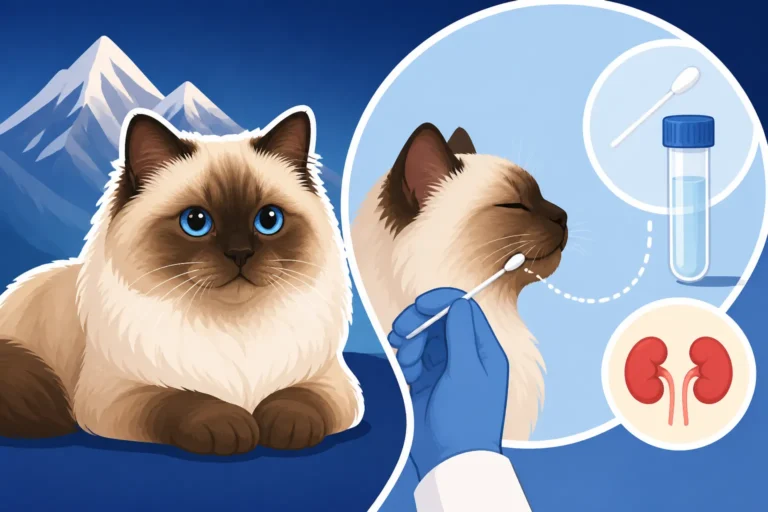
As the cysts grow and kidney tissue is replaced, symptoms might subtly begin to appear, often around the age of seven, but sometimes much earlier or later. You might notice increased thirst, more frequent urination, a duller coat, or a decrease in appetite. It’s a heartbreaking progression for both cat and owner, as the disease eventually leads to kidney failure. Thankfully, a simple DNA test, usually a cheek swab, can definitively tell you if a cat carries the gene. This is why it's absolutely crucial that breeders test their cats and provide proof. You can learn more about how this specific gene traveled into the breed in our detailed post: PKD1 Came Down the Persian Side of a Himalayan.
Progressive Retinal Atrophy PRA A Gradual Loss of Sight
Another significant concern passed down from the Persian lineage is Progressive Retinal Atrophy (PRA). This is a group of degenerative diseases that affect the photoreceptor cells in the retina, leading to gradual vision loss and eventual blindness. Unlike PKD, PRA in Himalayans is typically inherited in a recessive pattern, meaning a kitten must inherit two copies of the faulty gene (one from each parent) to be affected. However, carriers who only have one copy can still pass the gene on without ever showing symptoms themselves.
The onset and progression of PRA can vary, but typically, cats start showing signs of night blindness in their early years, perhaps bumping into furniture in dim light or becoming hesitant to move around after dark. As the disease advances, their daytime vision also deteriorates, leading to complete blindness, often by five years of age. While there’s no cure for PRA, knowing about it beforehand allows owners to make environmental adjustments to help their cat cope, such as keeping furniture in consistent locations and providing secure, predictable spaces. For a deeper dive into how this visual impairment impacts our Himalayans, check out Retinal Atrophy Reached the Himalayan From the Persian Too.
Brachycephalic Airway Syndrome BAS The Flat-Face Challenge
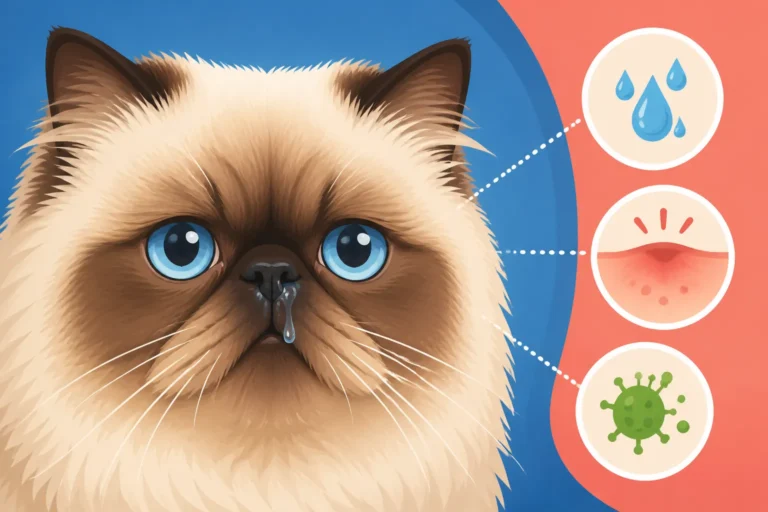
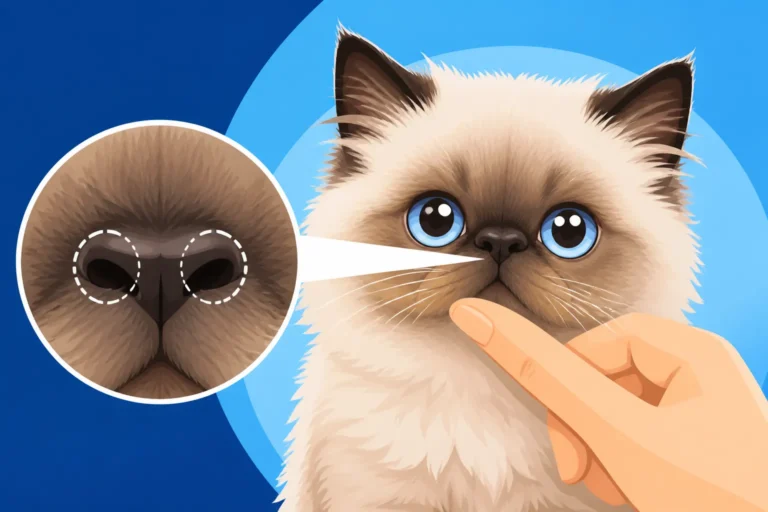
The flat, "peke-face" profile that many Himalayans possess, while undeniably charming, is also a significant source of potential health problems grouped under the term Brachycephalic Airway Syndrome (BAS). This syndrome is a collection of anatomical abnormalities that obstruct the upper airway, making breathing more difficult. These can include stenotic nares (narrow nostrils), an elongated soft palate that partially blocks the trachea, and everted laryngeal saccules (tissue that is pulled into the airway). The degree of severity varies greatly between individuals, but even mild cases can impact a cat's comfort and ability to regulate body temperature.
You'll often hear Himalayans snorting, snoring, or breathing heavily, especially after playtime or during warm weather. They are notorious for Why a Himalayan Snores Louder Than Its Siamese Ancestors, a direct consequence of these narrowed airways. These breathing difficulties mean they struggle to cool themselves efficiently through panting, making them highly susceptible to overheating and heatstroke. In severe cases, BAS can lead to chronic respiratory distress, increased anesthetic risk, and a reduced quality of life. Owners might notice their cat sleeping with its neck stretched out to open the airway or showing exercise intolerance. Sadly, the trend towards an even flatter face in some lines has exacerbated these issues, and understanding Why a Flatter Face Shows More on a Pale Himalayan can highlight the aesthetic versus health trade-offs.
The Siamese Influence Unexpected Health Traits
While the Persian side often gets the spotlight for its well-known inherited health challenges, we mustn't forget the Siamese contribution to the Himalayan's genetic makeup. The Siamese is generally considered a robust breed, but it, too, carries certain predispositions that can manifest in their Himalayan descendants. It’s a reminder that good health isn’t a guarantee from either parent breed; rather, it’s a nuanced combination that requires careful consideration. These traits from the Siamese side might not always be as immediately visible as the Persian's flat face, but they are equally important for comprehensive care.
Hypertrophic Cardiomyopathy HCM The Heart of the Matter
Hypertrophic Cardiomyopathy (HCM) is the most common heart disease in cats, and while it's prevalent across many breeds, including Persians, it also has a significant presence in the Siamese and, by extension, the Himalayan. HCM involves a thickening of the heart muscle, particularly the left ventricle. This thickening makes it harder for the heart to pump blood effectively, leading to a range of potential complications, from congestive heart failure to arterial thromboembolism (blood clots). The insidious thing about HCM is that it can often be present without any obvious symptoms for a long time.
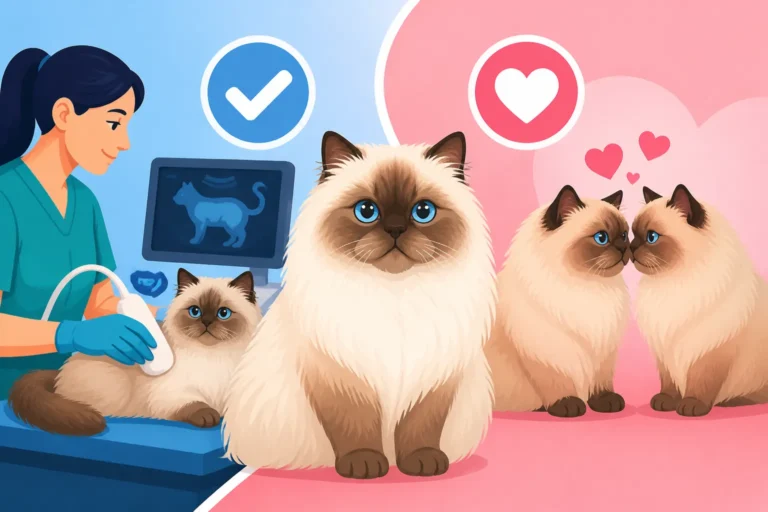
Cats can live for years with HCM before any signs appear. When they do, symptoms might include lethargy, difficulty breathing, open-mouth breathing, or even sudden collapse. In some tragic cases, the first sign can be sudden death. Screening for HCM involves a cardiac ultrasound (echocardiogram) performed by a veterinary cardiologist. While a genetic test exists for some breeds, it's not universally applicable to all forms of HCM in all breeds, so regular scans remain vital for monitoring. For more insight into this condition, you might find our article Whether HCM Reaches the Himalayan From Either Side particularly informative, as it explores the dual potential for inheritance.
Distinctive Dental Challenges From a Shorter Jaw
While the extreme brachycephaly largely comes from the Persian side, the shorter, more compact jaw structure inherited by Himalayans creates a unique set of dental challenges that can be quite troublesome. Cats naturally have 30 teeth, and in a normal feline mouth, these teeth are perfectly spaced to allow for proper chewing and to minimize plaque and tartar buildup. However, in a Himalayan's shortened jaw, these teeth are often crowded, misaligned, or even rotated. Imagine trying to fit a full set of adult teeth into a space designed for fewer!
This crowding leads to several problems. Food particles and plaque get easily trapped between teeth, making them far more prone to periodontal disease, gingivitis, and cavities. The abnormal bite (malocclusion) can also cause teeth to rub against each other or against the soft tissues of the mouth, leading to painful wear and ulcers. Over time, this can lead to tooth resorption, where the tooth structure breaks down, causing severe pain and necessitating extractions. This is why Himalayans often need dental care earlier and more frequently than other breeds. Understanding How a Shortened Jaw Crowds a Himalayan's Teeth is key to proactive oral hygiene and regular veterinary dental checks.
The Metabolism That Leads to Weight Issues
Himalayans, by nature, tend to be rather placid and laid-back cats. While they enjoy a good play session, they are generally less active than their Siamese ancestors. They love a good nap in a sunny spot or a cozy lap. This lower energy level, combined with a dense, cobby body type inherited from the Persian, means they have a relatively slow metabolism compared to more agile, slender breeds. If their diet isn't carefully managed, this can quickly lead to weight gain, which is a common and often underestimated health problem in the breed.
An overweight Himalayan faces a cascade of potential health issues. Excess weight exacerbates their existing brachycephalic breathing difficulties, making them even more prone to overheating and respiratory distress. It puts undue strain on their joints, potentially leading to arthritis, especially as they age. Obesity also increases the risk of diabetes, liver issues (hepatic lipidosis), and makes grooming much harder, leading to matted coats and skin infections. Monitoring their food intake, providing appropriate enrichment to encourage movement, and regular weigh-ins at the vet are crucial to keeping their weight in check and ensuring a healthy, comfortable life.
Understanding How Genes Are Passed Down
Navigating the world of inherited diseases can feel like learning a whole new language, filled with terms like 'autosomal dominant' and 'recessive.' But for Himalayan owners, understanding these basic genetic principles isn't just academic; it's absolutely crucial for making informed decisions about breeding, buying, and even caring for your beloved pet. The way certain conditions are passed from parent to offspring determines everything from the likelihood of a kitten being affected to the efficacy of genetic screening.
Recessive Versus Dominant Inheritance
Let's break down the two main patterns of inheritance you'll encounter with Himalayan health conditions.
-
Autosomal Dominant Inheritance: With dominant conditions, a cat only needs to inherit one copy of the faulty gene from one parent to develop the disease. This means that if a parent has the dominant gene, there's a 50% chance with each breeding that their offspring will also inherit the condition. Polycystic Kidney Disease (PKD) is a classic example of an autosomal dominant trait in Himalayans. If a cat is positive for the PKD gene, they will develop cysts, although the severity and age of onset can vary. A cat that carries the dominant gene cannot be bred responsibly without passing the risk to half of its kittens. This is why testing for dominant conditions is so straightforward: a simple "positive" or "negative" tells you what you need to know.
-
Autosomal Recessive Inheritance: Recessive conditions are a bit more complex. For a cat to develop a recessive disease, they must inherit two copies of the faulty gene – one from each parent. If a cat inherits only one copy, they are considered a "carrier." Carriers do not typically show symptoms of the disease themselves, but they can pass the gene on to their offspring. Progressive Retinal Atrophy (PRA) in Himalayans often falls into this category. If two carriers are bred together, there's a 25% chance with each breeding that a kitten will inherit two copies and be affected, a 50% chance they'll be a carrier, and a 25% chance they'll be completely clear. This is why testing for recessive genes is equally important, as unsuspecting carriers can continue to spread the gene through a breed line. Our article on How a Himalayan Is Swabbed for the Persian Kidney Gene provides a great practical example of how this kind of testing is done.
Why Genetic Testing is Absolutely Crucial
Given the potential for serious inherited conditions from both sides of their lineage, genetic testing is not just recommended for Himalayans – it's an absolute necessity, especially for breeders, but also for any discerning buyer. Without proper testing, you're essentially playing a genetic lottery with your cat's health. For dominant conditions like PKD, a simple DNA test can definitively tell you if a cat carries the gene. For recessive conditions like PRA, testing identifies carriers, allowing breeders to avoid mating two carriers together, thus preventing affected kittens.
Beyond DNA tests, other screenings are vital. Regular echocardiograms can screen for HCM, and thorough veterinary examinations can identify early signs of brachycephalic airway issues or dental crowding. Insisting on seeing proof of these tests for both parents of a kitten is paramount. It gives you peace of mind and significantly increases the chances of bringing home a truly healthy cat. Ethical breeders understand this and will openly share all health clearances. Don't be shy about asking about What Testing a Himalayan for PKD and the Eyes Costs – it's a small investment for a lifetime of health.
Proactive Care and Management Strategies
Owning a Himalayan cat means committing to a specific, often intensive, care routine that addresses their unique predispositions. It's not just about managing problems as they arise; it's about being proactive, setting up your home and routine to prevent issues before they even start. This forward-thinking approach is key to ensuring your Himalayan enjoys the longest, happiest, and healthiest life possible, minimizing the impact of their inherited traits.
Regular Veterinary Check-ups and Early Detection
Consistent veterinary care is the cornerstone of managing a Himalayan's health. These aren't just annual vaccine appointments; they are crucial opportunities for early detection and intervention. Your veterinarian can monitor your cat's weight, listen for heart murmurs that might indicate HCM, assess their breathing, and examine their dental health. For conditions like PKD, regular blood work and urinalysis, especially as they age, can track kidney function, even if the genetic test was clear (as other kidney issues can still arise). An annual check-up, starting from kittenhood, allows your vet to establish a baseline for your individual cat and quickly spot any deviations.
Beyond the general check-up, don't hesitate to seek specialized care when needed. If your cat shows signs of breathing difficulty, a veterinary internal medicine specialist or surgeon might be needed to evaluate options for Brachycephalic Airway Syndrome. If a heart murmur is detected, a veterinary cardiologist can perform an echocardiogram to diagnose or rule out HCM. Early detection is often the difference between managing a condition effectively and facing an advanced, more challenging illness. Remember that providers like Healthy Paws can offer valuable support in covering the costs of these specialized diagnostics and ongoing care, easing the financial burden on devoted pet parents. The article How Early Cysts Show on a Himalayan's Kidney Scan also highlights the importance of early diagnostic imaging.
Nutritional Support and Weight Management
Given their typically sedate nature and compact build, Himalayans are prone to gaining weight, which, as discussed, can exacerbate many of their inherited conditions. Therefore, diet and weight management are critical. Work with your vet to determine the appropriate caloric intake for your individual cat based on their age, activity level, and current body condition. High-quality cat food, preferably wet food, is often recommended as it has a higher moisture content, which is beneficial for kidney health, and can be more palatable for cats with crowded jaws or breathing issues.
Beyond calories, consider the type of food and how it's presented. Flat-faced breeds often struggle with deep bowls or small kibble, making it difficult for them to eat comfortably without spilling or breathing difficulties. Shallow, wide bowls or elevated feeders can make a significant difference. Regular monitoring of their weight at home, in addition to vet visits, is crucial. If weight gain is a concern, your vet can help you implement a safe and effective weight loss plan, which might involve prescription diets or increased, gentle play. This proactive approach to nutrition is fundamental for their overall well-being.
Environmental Adaptations for Brachycephalic Breeds
For Himalayans with brachycephalic airway challenges, their home environment plays a massive role in their comfort and health. These cats struggle to regulate their body temperature, especially in heat or humidity. Keeping your home cool, particularly during warmer months, is non-negotiable. Air conditioning or fans in key areas are often essential. Avoid strenuous play that might lead to excessive panting, and ensure they always have access to fresh, cool water in multiple locations.
Furthermore, consider the air quality in your home. Himalayans with compromised airways can be more sensitive to irritants like smoke, strong perfumes, cleaning chemicals, or even dusty litter. Opt for dust-free litter and avoid using aerosol sprays or harsh scents around them. Stress can also exacerbate breathing difficulties, so a calm, predictable environment is always beneficial. Even simple adjustments, like monitoring How a Vet Grades a Himalayan's Nostrils and understanding the implications of their structure, can guide you in creating a truly supportive living space.
Navigating the World of Responsible Breeding
For those considering bringing a Himalayan kitten into their lives, the breeder you choose is perhaps the most critical factor in determining your cat's future health. A responsible, ethical breeder does far more than just produce cute kittens; they are stewards of the breed, dedicated to improving health outcomes through diligent screening and careful breeding practices. Understanding what to look for, and what questions to ask, is your best defense against inadvertently supporting irresponsible breeding that perpetuates inherited health problems.
Insisting on Comprehensive Health Clearances
When speaking with a potential breeder, your primary focus should be on health clearances for both parent cats. This isn't a suggestion; it's a non-negotiable demand. For Himalayans, this means:
- PKD DNA Test Results: You must see clear, official documentation that both parents are negative for the PKD1 gene. This is typically a certificate from a reputable veterinary genetics lab. A responsible breeder will provide this without hesitation. If one parent is clear and one is a carrier, no affected kittens will be produced, but all kittens will be carriers. Reputable breeders strive for two clear parents to eliminate the gene entirely from their lines.
- PRA DNA Test Results: Similar to PKD, proof that both parents are clear of the known PRA gene (or that at least one parent is clear if the other is a carrier) is essential to ensure kittens are not affected by this blinding condition.
- Echocardiogram Results for HCM: While there isn't a universally applicable DNA test for all forms of HCM in Himalayans, regular cardiac ultrasounds performed by a board-certified veterinary cardiologist are the gold standard for screening. Ask to see recent certifications for both parents, indicating a normal heart structure.
- Veterinary Assessment of Brachycephalic Airway Structure: While not a "test" in the same vein as genetic screening, a good breeder will be acutely aware of the breathing quality of their cats. Ask about any breathing issues in their lines, listen to the kitten and its parents breathe, and inquire about any surgical interventions for stenotic nares or elongated soft palates. Look for cats with visibly open nostrils and quiet respiration.
Any breeder who downplays these tests, claims they are unnecessary, or cannot provide verifiable documentation should be politely but firmly avoided. Our guide on Which Two Tests Belong on Every Himalayan Pedigree is an excellent resource for knowing exactly what to ask for.
The Importance of Pedigree Research
Beyond individual health clearances, a reputable breeder will also be transparent about the pedigree of their cats. A pedigree is essentially a family tree, tracing the lineage of a cat back several generations. This document isn't just about showing off fancy ancestors; it provides valuable health information. By reviewing a pedigree, you can see if any known health issues, such as early onset kidney failure or severe breathing problems, have appeared consistently in the line.
A good breeder will not only provide the pedigree but also be able to discuss the health history of the cats listed on it. They should be open about any conditions that have appeared in their lines, and, more importantly, what steps they have taken to address them through selective breeding. They should be actively working to improve the health of the breed, not just perpetuate existing problems. Don't be afraid to ask questions about the longevity of the cats in the pedigree, and if any ancestors required significant medical interventions related to inherited conditions. This depth of knowledge and transparency is a hallmark of a truly ethical breeder.
| Condition | Primary Inherited From | Inheritance Pattern | Key Screening/Test | Typical Onset | Impact |
|---|---|---|---|---|---|
| Polycystic Kidney Disease (PKD) | Persian | Autosomal Dominant | DNA test (cheek swab), Ultrasound | Often asymptomatic until 7+ years | Progressive kidney failure, increased thirst, lethargy |
| Progressive Retinal Atrophy (PRA) | Persian | Autosomal Recessive | DNA test (cheek swab), Eye exam | Early childhood, progressive to 5 years | Gradual vision loss, eventual blindness |
| Brachycephalic Airway Syndrome (BAS) | Persian | Polygenic (multiple genes) | Physical exam, observation of breathing | From kittenhood | Labored breathing, snoring, heat intolerance, respiratory distress |
| Hypertrophic Cardiomyopathy (HCM) | Siamese/Persian | Complex/Polygenic | Echocardiogram | Variable, often mid-age | Heart muscle thickening, heart failure, clots |
| Dental Malocclusion/Crowding | Persian (jaw structure) | Polygenic | Dental exam, X-rays | From kittenhood | Periodontal disease, pain, extractions, difficulty eating |
| Obesity Predisposition | Siamese (activity), Persian (build) | N/A (lifestyle/genetic factors) | Regular weight monitoring, body condition scoring | Any age, especially with low activity | Exacerbates BAS, arthritis, diabetes, liver issues |
Living a Full Life with a Himalayan
Bringing a Himalayan into your home is an incredibly rewarding experience. These cats are known for their sweet, affectionate dispositions and their stunning beauty. But truly giving them a full and happy life means embracing their unique needs and challenges, understanding that their care extends beyond basic food and shelter. It’s about creating an environment where they can thrive, despite their predispositions, and being vigilant about their health every step of the way.
Embracing Their Unique Needs and Quirks
Part of loving a Himalayan is embracing all of them, including their "quirks" that are often direct results of their inherited traits. The soft snoring you hear might be charming, but it's also a signal of their brachycephalic airway. Their tendency to lounge in cool spots is a coping mechanism for heat intolerance. Their meticulous grooming requires your partnership. Instead of seeing these as problems, view them as aspects of their unique selves that require your understanding and adaptation. This might mean investing in cooling mats for summer, providing wide, shallow bowls for easier eating, or committing to that daily grooming routine without fail.
It also means being patient and observant. Himalayans often mask illness, a common feline trait, so noticing subtle changes in their routine, appetite, or energy levels is incredibly important. A cat that stops washing its face, becomes less interactive, or hides away more than usual could be signaling discomfort or illness. Being attuned to these nuances allows you to act quickly, ensuring any emerging health issues are addressed promptly. Their quiet nature means you have to be their advocate and interpreter.
When to Seek Specialist Veterinary Care
While your primary veterinarian is your first point of contact and an invaluable partner in your Himalayan's health, there will be times when specialist care becomes necessary. Don't hesitate to ask your vet for a referral if you suspect an inherited condition or if your cat's symptoms are persistent or worsening.
- Veterinary Cardiologist: If a heart murmur is detected, or if your cat shows signs of heart disease (e.g., lethargy, breathing difficulties), a cardiologist is essential for diagnosing and managing conditions like HCM.
- Veterinary Ophthalmologist: For any concerns about vision changes, eye irritation, or suspicion of PRA, an ophthalmologist can provide specialized diagnostic tests and management strategies.
- Veterinary Internal Medicine Specialist: These specialists can delve deeper into complex cases, such as advanced kidney disease, and help manage chronic conditions.
- Veterinary Surgeon: In cases of severe brachycephalic airway syndrome, a surgeon might discuss corrective procedures, such as widening stenotic nares or shortening an elongated soft palate.
Navigating these specialist visits can feel overwhelming, but they are crucial for providing the highest level of care. Many owners find that pet insurance, such as a comprehensive plan from Healthy Paws, can be a game-changer when faced with the costs of specialized diagnostics, treatments, and ongoing medications. It’s a proactive step that can offer immense peace of mind when your cat needs the very best. Our post, What Goes First in a Himalayan Past Twelve, also offers insights into common age-related issues where specialist care might become more frequent.
Disclaimer
The information provided in this guide is for general informational purposes only and is not intended to be a substitute for professional veterinary advice, diagnosis, or treatment. Always seek the advice of your veterinarian or other qualified animal health provider with any questions you may have regarding a medical condition or the health and welfare of your pet. Never disregard professional veterinary advice or delay in seeking it because of something you have read here.