Which Toothpaste a Himalayan Will Tolerate
Trying to brush your beautiful Himalayan cat's teeth can feel like a Herculean task, a delicate dance between maintaining their stunning coat and attempting to get a tiny brush into a famously crowded little mouth. Many of us have been there, wrestling a fluffy, purring cloud that suddenly transforms into a spitting, clawing tornado at the mere sight of a toothbrush. This guide is here to demystify the world of cat toothpastes and help you find one your cherished Himalayan might actually tolerate, making their dental health a little less stressful for both of you.
The Unique Challenges of Himalayan Dental Care
Before we even get to the toothpaste, it’s vital to acknowledge why brushing a Himalayan's teeth feels like such an uphill battle. It's not just that they're cats; it's their very specific anatomical traits that add layers of complexity. Their distinct Persian heritage, while giving them that luxurious coat and gentle disposition, also presents some dental hurdles that you wouldn't necessarily encounter with other breeds.
A Himalayan's Crowded Jaw and Delicate Face
One of the most defining features of a Himalayan is their unique facial structure, particularly their brachycephalic, or "flat," face. While undeniably charming, this flattened profile often comes with a significantly shortened jaw. Think about it: a regular cat's mouth is designed for a certain number of teeth, all spaced out quite neatly. Now, imagine trying to fit those same teeth into a much smaller space. What happens? They become crowded.
This crowding isn't just an aesthetic quirk; it's a real issue for their oral hygiene. Teeth can overlap, twist, or be angled incorrectly, creating tiny nooks and crannies where food particles and plaque can hide and build up almost undisturbed. These tight spaces are incredibly difficult to reach with a toothbrush, no matter how small or specialized. Owners often tell me they feel like they’re just brushing the visible front teeth, while the crucial molars at the back remain stubbornly out of reach, festering with potential problems. You might find yourself wondering How Crowded a Himalayan's Lower Jaw Gets or Why a Himalayan's Lower Canines Show.
Furthermore, the delicate nature of their flat face means you have to be extra gentle. Their nose folds can be sensitive, and any pressure can be uncomfortable. This makes it challenging to get a good angle with the brush without causing distress or accidentally irritating their facial skin. It's a constant balancing act between being thorough and ensuring your cat doesn't associate dental care with pain or discomfort.
The Majestic, Yet Obstructive, Coat
Ah, the glorious Himalayan coat! It's one of their most stunning attributes, a flowing cascade of luxurious fur that demands admiration. However, when it comes to dental hygiene, that magnificent ruff can quickly turn into a furry obstacle course. Imagine trying to brush your own teeth while wearing a thick, shaggy beard – that's somewhat the experience for a Himalayan owner.
Their long, dense hair around the face and neck, particularly the "ruff," can easily get soaked with water or, worse, smeared with toothpaste during a brushing session. This means a simple dental routine can quickly escalate into a full-blown grooming emergency, requiring extra time to clean and dry their fur to prevent matting or skin irritation. Many owners, understandably, shy away from this extra hassle, further reducing the frequency of brushing.
The britches, those voluminous pantaloons on their hind legs, can also present an issue if your Himalayan is a bit of a contortionist during brushing. It's not uncommon for them to fling their head or paws around, potentially getting toothpaste onto their body coat, especially if they're particularly agitated. This constant battle with their own luxurious fur adds another layer of "is this really worth it?" to the daily dental routine. This is why it's so important to be prepared, maybe even with a towel, and choose a toothpaste that isn't too sticky or difficult to wipe away from fur if it accidentally makes contact.
The General Feline Resistance to Oral Intrusion
Let's be honest: most cats aren't exactly lining up for their dental appointments. While Himalayans are generally known for their sweet, placid temperaments, a cat is still a cat, and they have an innate aversion to having their mouths pried open or foreign objects inserted. This isn't a unique Himalayan trait, of course, but combined with their physical challenges, it amplifies the difficulty.
They don't understand that you're trying to help them prevent pain and disease; they just feel an invasion of their personal space. This instinctual resistance means that consistency and patience are paramount. If you've ever tried to force a cat to do something they don't want to do, you know it rarely ends well. This is why finding a toothpaste that they not only tolerate but perhaps even enjoy the taste of, becomes incredibly important. A positive association with the flavor can be the key to overcoming their natural objections, turning a dreaded chore into a slightly more agreeable, or at least less combative, ritual.
Understanding Cat-Safe Toothpastes
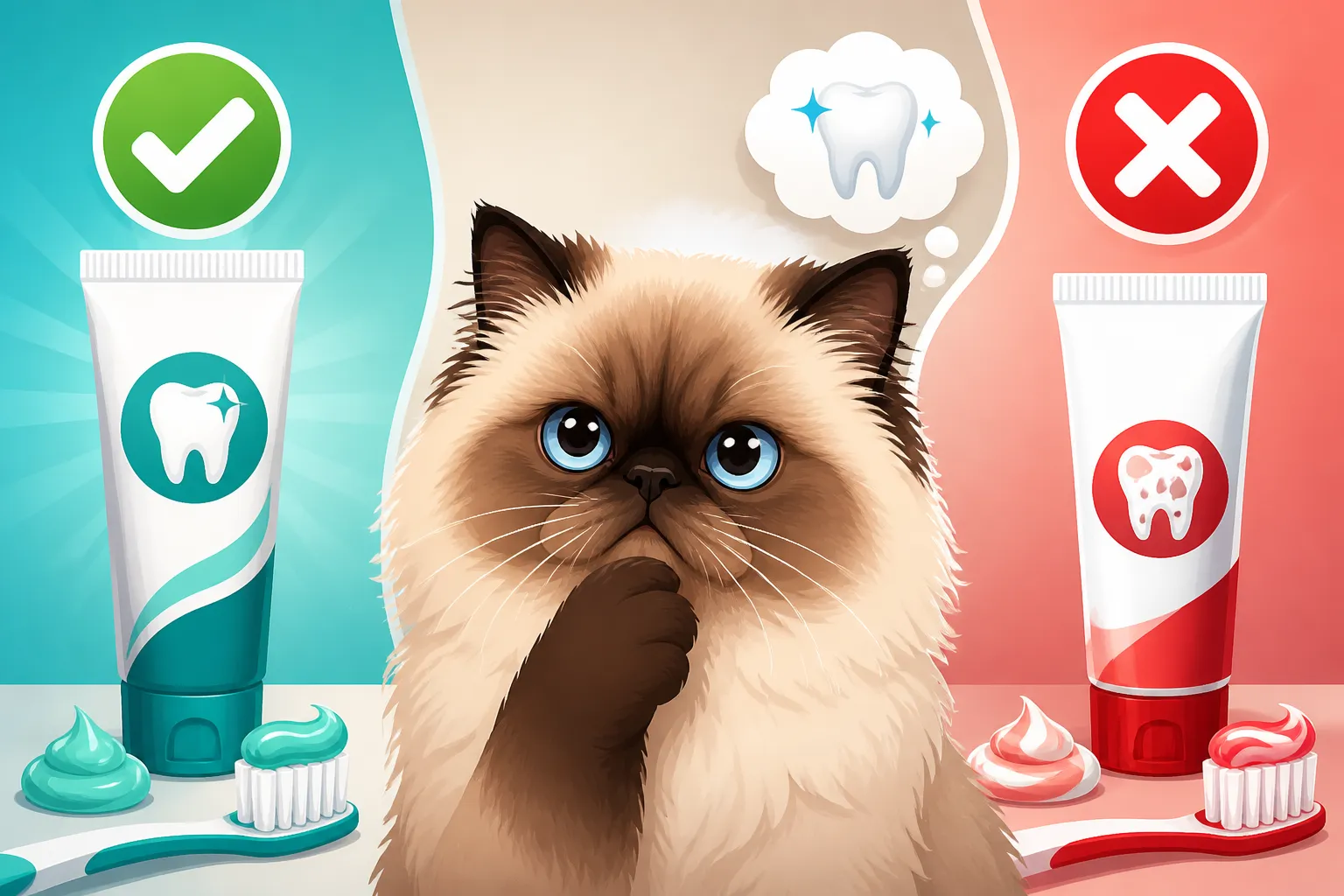
Okay, so we've established that brushing a Himalayan's teeth is challenging. The good news is, there are toothpastes designed specifically for our feline friends that can make the process much easier. The critical distinction is that cat toothpastes are formulated to be ingested, unlike human toothpastes, which can be toxic if swallowed due to ingredients like fluoride.
What Makes a Toothpaste Cat-Safe?
First and foremost, never, ever use human toothpaste on your cat. Our toothpaste contains fluoride, detergents, and sometimes xylitol, all of which are harmful, even toxic, to cats if ingested. Cat-specific toothpastes, on the other hand, are developed with their safety in mind.
They typically fall into a few categories:
- Enzymatic Toothpastes: These are arguably the gold standard. They contain enzymes that help break down plaque and tartar even without aggressive scrubbing. The enzymes work to inhibit bacterial growth in the mouth, which is fantastic for areas you simply can't reach effectively with a brush due to your Himalayan's crowded jaw. This means even a little bit of contact can still provide some benefit. Brands like Virbac C.E.T. or Petrodex often feature enzymatic formulas.
- Abrasive Toothpastes: These toothpastes rely more on a mild abrasive action to physically remove plaque as you brush. While effective, they might require a bit more brushing power, which can be harder to achieve in a cat that's not fully cooperating.
- Natural/Herbal Formulations: Some toothpastes focus on natural ingredients like baking soda (in cat-safe concentrations), green tea extract, or other botanicals to freshen breath and gently clean. Always double-check the ingredient list for anything questionable, but generally, these are formulated for feline safety.
The key is that all cat toothpastes are designed to be swallowed without causing stomach upset or toxicity. They don't foam like human toothpaste, and their ingredients are chosen specifically for feline physiology. When you're looking for a product, you'll often find a wide selection on pet-specific sites like Chewy or large online retailers like Amazon.
Flavor Profiles: The Secret Weapon
If there's one thing that will make or break your dental routine, it's the flavor. Cats are notoriously picky, and if they don't like the taste, the battle is lost before it even begins. This is where cat-safe toothpastes really shine, offering an array of flavors designed to appeal to feline palates.
Common flavors you'll encounter include:
- Poultry/Chicken: This is often the most popular choice. It makes sense, right? Cats are carnivores, and a meaty taste is usually far more appealing than mint or cinnamon.
- Beef: Another strong contender in the savory category.
- Seafood (e.g., Tuna, Salmon): Some cats go absolutely wild for fish flavors, while others turn up their nose. It's often a trial-and-error process to see what your particular Himalayan prefers.
- Malt: A slightly sweeter, often more palatable option for cats who aren't keen on overly meaty tastes. It's akin to a treat for many.
My advice? Don't be afraid to try a few different flavors. What one cat loves, another might despise. You might find that your Himalayan, usually so discerning with their meals, has a surprising preference for, say, a malt-flavored toothpaste. Think of it as finding their favorite snack, but one that actively helps their teeth! You can often buy smaller tubes or sample packs from places like Chewy to test different options without committing to a full-size tube your cat might reject.
Remember, the goal here is "toleration," and a delicious flavor can transform a terrifying ordeal into something merely inconvenient, or even, dare I say, a little bit enjoyable for your cat. This proactive care is crucial because, as many owners discover, Why a Himalayan Needs Dentals Earlier Than a Siamese.
Introducing Toothpaste and Brushing to Your Himalayan
So, you've chosen a cat-safe toothpaste in a promising flavor. Now comes the delicate art of introduction. It's not about forcing the issue, but rather a slow, patient process of positive association. Remember, your Himalayan thrives on routine and calm, so any sudden, aggressive approach will likely backfire spectacularly.
The Art of Gradual Introduction
Start incredibly small. The first few times, don't even bring out the toothbrush. Simply put a tiny dab of the chosen toothpaste on your fingertip. Let your Himalayan sniff it. If they're curious, let them lick it off. The goal here is purely to introduce the taste and associate it with something pleasant. Many cats respond well to this, especially if the flavor is appealing.
Once they're happy to lick the toothpaste from your finger, try putting a tiny bit on the back of your hand. This helps them get used to the texture and flavor outside of a direct interaction with their mouth. Offer it once a day, or every other day, for a few days. The key is to make it a low-stakes, positive experience. Don't push it. If they walk away, that's fine. Try again later or the next day.
Next, you can introduce a dental finger brush or a very small, soft cat toothbrush. Put a tiny amount of toothpaste on it and let them lick it off the brush. Again, the focus is on positive association with the tool itself, not yet on actual brushing. This can take several days or even a week. Patience truly is a virtue here. If your Himalayan is especially particular, you might find that Getting a Toothbrush Into a Himalayan's Crowded Mouth takes considerable effort and a very slow pace.
Making the Experience Positive
Every step of the way, associate the toothpaste and eventually the brushing with something positive. Immediately after they lick the toothpaste, or after a brief, gentle brush, offer praise, a favorite toy, or a tiny, highly desirable treat. This reinforces the idea that "toothpaste = good things."
- Location: Choose a quiet, calm time and place. Don't try to brush when the house is bustling or your cat is already agitated. A gentle lap session or a quiet spot on the sofa can work well.
- Short and Sweet: Keep initial sessions incredibly short – literally a few seconds. Even if you only manage to lightly touch their gums with the toothpaste-laden brush for a moment, that's a victory. Gradually increase the duration as your cat becomes more comfortable.
- Gentle Technique: Use extremely gentle movements. Focus on the outer surfaces of their teeth first, especially the gum line, as this is where plaque tends to accumulate most rapidly. Remember those crowded teeth? You'll likely need to lift their lip gently with one hand to get better access. Don't worry about getting to every single tooth perfectly at first. Consistency over perfection is the goal.
- Consistency is Key: Cats thrive on routine. Try to brush at the same time each day, or every other day. This helps them anticipate the activity and makes it feel less like a surprise attack. Regularity is more effective than infrequent, intense sessions. This consistency is also crucial in preventing dental issues that necessitate procedures to clean a Himalayan's crowded mouth.
| Toothpaste Type | Key Benefit | Common Flavors | Best For | Considerations |
|---|---|---|---|---|
| Enzymatic | Breaks down plaque & bacteria chemically | Poultry, Beef, Malt | Cats resistant to vigorous brushing; crowded mouths | Works even with minimal contact; wide availability |
| Abrasive | Physically scrubs away plaque | Mint (cat-safe), Poultry | Cats that tolerate more brushing action | May require more effective brushing; check ingredients |
| Natural/Herbal | Freshens breath, gentle cleaning | Various, often plant-based | Owners preferring natural ingredients | Ensure all ingredients are cat-safe; effectiveness varies |
What to Do If Your Himalayan Absolutely Refuses
Some Himalayans, despite your best efforts, simply will not tolerate a toothbrush or finger brush in their mouth. And that's okay. It can be incredibly frustrating to try every trick in the book only to be met with fierce resistance, but please don't give up on their dental health entirely.
If direct brushing is a complete no-go, there are still ways to support their oral hygiene:
- Dental Wipes: These pre-moistened pads can be wrapped around your finger and gently rubbed along the gum line. While less effective than brushing, they can help remove some surface plaque and freshen breath.
- Dental Treats: Look for treats specifically formulated to reduce plaque and tartar. Many have unique shapes or textures designed to provide a mild abrasive action as the cat chews. Be mindful of calorie intake, especially since Why a Cobby Himalayan Gains on a Portion Another Cat Burns.
- Water Additives: These liquids are added to your cat's drinking water and contain ingredients that help reduce bacteria in the mouth. They're very easy to use, but their effectiveness can vary.
- Dental Diets: Prescription dental diets are specially formulated kibbles that are larger and have a fibrous texture to clean the teeth as the cat crunches them. These can be very effective but should be discussed with your vet as they are a primary food source.
- Regular Veterinary Check-ups and Professional Cleanings: This is non-negotiable for all cats, but especially for Himalayans. Your vet can assess their dental health, recommend appropriate preventive strategies, and perform professional cleanings under anesthesia when necessary. This is especially important for issues like Why a Crowded Persian Jaw Resorbs a Himalayan's Teeth which can lead to significant pain and tooth loss over time. Don't hesitate to ask your vet How Often a Himalayan's Crowded Mouth Needs Cleaning.
Remember, even if daily brushing isn't feasible, combining several of these other methods can still make a significant difference in preventing painful dental disease. The goal is always to keep their mouth as healthy as possible throughout their life.
Beyond Toothpaste: Comprehensive Oral Health for Your Himalayan
While finding a tolerable toothpaste is a huge step, it's really just one piece of the larger puzzle of maintaining your Himalayan's oral health. Their unique physiology means a holistic approach is often necessary to keep their pearly whites (or what's left of them!) in good shape for years to come.
The Crucial Role of Regular Veterinary Care
This cannot be stressed enough: regular veterinary check-ups are the cornerstone of your Himalayan's dental health. Even with the best home care routine, a professional eye is indispensable. Your veterinarian can spot issues that you might miss, such as gingivitis, resorptive lesions, or deeply impacted food in those notoriously crowded molars.
During annual exams, your vet will perform a basic oral assessment. They'll check for redness, swelling, tartar buildup, and any signs of pain. They're also looking for problems that are common in breeds with shortened jaws, like malocclusions (improper bites) that can lead to uneven wear and additional plaque accumulation. Your vet can advise you on the best home care methods, demonstrate proper brushing techniques for a flat-faced cat, and recommend specific products that have proven effective.
Crucially, professional dental cleanings under anesthesia are often necessary throughout a Himalayan's life. These procedures allow the vet to thoroughly scale and polish all tooth surfaces, including below the gum line where most dental disease hides. They can also take dental X-rays to assess the health of the tooth roots and jawbone, which is impossible to do on a conscious animal. Many owners worry about anesthesia, but the benefits of a healthy, pain-free mouth far outweigh the risks, especially with modern veterinary protocols. Your vet will often track How a Himalayan's Kidney Numbers Are Tracked From Five and other vital signs to ensure safety during such procedures.
Dietary Considerations for Dental Health
What your Himalayan eats plays a significant, though often overlooked, role in their oral health. While some believe that dry kibble "cleans" teeth, the reality is that most kibble shatters upon impact, offering minimal abrasive action. However, specialized dental diets are designed to scrape teeth as the cat bites down, often using larger, more fibrous kibble pieces. These can be a fantastic option if recommended by your vet.
Beyond specialized diets, simply choosing high-quality food can support overall health, including oral health. A balanced diet with appropriate nutrients helps maintain strong gums and teeth. Conversely, poor nutrition can weaken oral tissues, making them more susceptible to disease.
Consider the presentation of food too. With their flat faces, Himalayans sometimes struggle with deep bowls, pushing food out or getting their ruffs dirty. Using a shallow, wide bowl or even a raised feeder can make eating more comfortable and potentially reduce the amount of food residue left around their mouths, which can contribute to plaque formation. You might be surprised to learn Why a Himalayan Drops Food Onto Its Ruff or Why a Himalayan Pushes Food Out of a Round Bowl.
Environmental Enrichment and Safe Chews
While cats aren't "chewers" in the same way dogs are, some do enjoy gnawing on appropriate toys. Look for cat-specific dental toys that are designed to be safe and durable. The act of chewing can help stimulate gums and provide a mild abrasive effect on teeth. Always supervise your cat with any new chew toy to ensure it's not breaking off pieces that could be swallowed or cause choking.
Remember that any dental care routine for your Himalayan, whether it involves a favorite toothpaste or other methods, is an ongoing commitment. It's about providing comfort, preventing pain, and ensuring your beloved furball can enjoy their meals and happy purrs for as long as possible. Their health truly is in your hands, and making that dental care routine tolerable is a loving act that pays dividends in their quality of life.
Disclaimer
This article is for general informational purposes only and does not constitute professional advice. Laws, prices and regulations vary by location and change over time. Consult a qualified professional for guidance on your specific situation.