How Much Water a Himalayan Should Get Through
It can be incredibly disheartening, and frankly, a bit anxiety-inducing, when you see your beloved Himalayan cat barely touching their water bowl. You know how important hydration is for any living creature, but with the unique health considerations of a Himalayan, that concern can be amplified. This comprehensive guide is here to shed light on exactly how much water your Himalayan should ideally be consuming, the crucial reasons behind good hydration, and practical, empathetic strategies to encourage them to drink more and stay healthy.
The Critical Role of Hydration for Your Himalayan's Health
Let's be honest, cats aren't exactly known for chugging water like a Labrador on a hot day. This is particularly true for many Himalayans, who often inherited their somewhat low thirst drive from their Persian ancestors. But don't let their aloofness fool you – proper hydration is absolutely non-negotiable for their long-term health, perhaps even more so than for some other breeds.
One of the most significant reasons hydration is paramount for a Himalayan links directly back to its Persian heritage: kidney health. Polycystic Kidney Disease (PKD) has historically been a concern in Persian lines, and by extension, in Himalayans. While responsible breeders today meticulously test their cats for the PKD1 gene, and many lines are now thankfully clear, a lifetime of good hydration is still a huge factor in supporting kidney function, regardless of genetic status. Well-hydrated kidneys can more efficiently filter waste products from the blood, reducing the workload on these vital organs. Think of it like this: your car's engine runs much better with clean oil, right? Your cat's kidneys are similar; they perform best with a steady flow of water to flush things through. This is why if you ever notice Why Extra Thirst in a Himalayan Points at Its Persian Half, it's always a reason to consult your vet.
Beyond kidney health, hydration plays a vital role in every single bodily function. It keeps their digestive system running smoothly, helping to prevent constipation, which can be particularly uncomfortable for a cat that might already be less active. It supports urinary tract health, diluting urine and making it less hospitable for bacteria, thus reducing the risk of urinary tract infections. Their skin and glorious, thick coat also benefit immensely from good hydration; a well-hydrated cat often has a healthier, more supple skin and a less prone-to-matting coat. And let's not forget temperature regulation! Himalayans, with their dense Persian coats and often brachycephalic (flat) faces, can struggle with overheating. Adequate hydration helps their bodies manage internal temperatures more effectively. You can learn more about managing their comfort in warmer weather by reading How to Cool a Long Coated Himalayan in Summer or even The Temperature a Himalayan Starts to Struggle At.
In essence, water is the often-overlooked nutrient that powers everything from their energy levels to the sparkle in their beautiful blue eyes. Skimping on it, even unintentionally, can have a cascading effect on their overall vitality and longevity.
Understanding the "Normal" Water Intake for a Himalayan
So, what exactly is "enough" water? It's not as simple as a fixed number of ounces for every cat, unfortunately. A general guideline for cats is to consume about 2-4 ounces of water per 5 pounds of body weight per day. For a typical adult Himalayan, who might weigh anywhere from 7 to 12 pounds, this could translate to roughly 3 to 10 ounces of water daily. However, this is just a very rough estimate, and several factors can influence it dramatically.
Factors influencing water intake:
- Diet: This is probably the biggest variable. Cats on an exclusively dry kibble diet will naturally need to drink significantly more water because their food contains very little moisture. Dry kibble is often only about 5-10% water. On the other hand, cats eating a diet rich in wet food (which can be 70-80% water) will drink noticeably less, as much of their daily hydration comes directly from their meals. If your Himalayan is fed a high-quality wet food, don't panic if their water bowl doesn't seem to drop much; they're likely getting plenty of moisture elsewhere.
- Activity Level: While Himalayans aren't typically known for their Olympic-level athleticism, any increase in play or movement will naturally boost their water needs. A lazy afternoon nap session requires far less hydration than a vigorous session with a wand toy. Even if they are more likely to watch a toy rather than chase it, that can increase their needs.
- Environmental Temperature: Just like us, cats get thirstier when it's warm. If your house is particularly toasty, or during warmer months, your Himalayan will need to drink more to stay cool and hydrated. Their thick coats exacerbate this.
- Age and Health: Kittens and senior cats might have different hydration needs. Kittens are growing rapidly, and senior cats might have underlying health issues, especially kidney concerns, that alter their thirst drive or water retention. What Goes First in a Himalayan Past Twelve often includes a decline in kidney function. For Himalayans specifically, maintaining excellent kidney function throughout their later years is key, and good hydration is a central pillar of that. This is especially true if you're living with a Himalayan that inherited the Persian kidney gene, where hydration becomes even more critical. Why Water Matters More in a Himalayan Carrying Cysts details this further.
- Medications: Certain medications can increase thirst or affect fluid balance. Always discuss hydration with your vet if your cat is on any long-term medication.
How to Encourage Your Himalayan to Drink More Water
Okay, so we know why hydration is important and roughly how much, but the real challenge often lies in getting these discerning felines to actually drink. Himalayans, with their particular preferences and sometimes flat faces, can present unique hurdles. But fear not, there are many tricks up our sleeves!
The Right Water Bowl Makes All the Difference
It might seem trivial, but the type and placement of your Himalayan's water bowl can dramatically affect their willingness to drink.
- Material Matters: Many cats have a preference. Plastic bowls can sometimes retain odors or flavors, especially if they're scratched, which can deter a sensitive cat. Ceramic, glass, or stainless steel bowls are often preferred because they are non-porous, easier to clean, and don't impart any taste. You can find a wide variety of these materials on platforms like Chewy or Amazon.
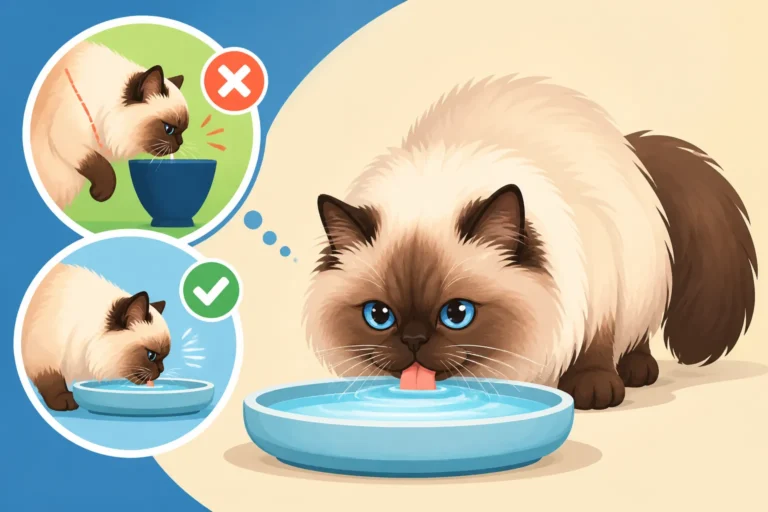
- Shape and Size: This is crucial for flat-faced breeds like Himalayans. Deep, narrow bowls can be uncomfortable for them to drink from because they press against their sensitive whiskers and flat muzzle. Opt for wide, shallow bowls that allow them to lap without their whiskers constantly touching the sides or their face having to be pushed too far in. Which Bowl Shape a Flat Faced Himalayan Can Use goes into this in more detail. This also prevents their magnificent ruff from getting drenched every time they take a sip, which can lead to discomfort or even skin issues if it stays damp.
- Placement is Key: Don't just put one bowl down and call it a day! Cats are often more inclined to drink if water is readily available in multiple locations throughout the house. Think about where your Himalayan spends most of their time – near their favorite napping spot, or perhaps a cooler area of the house. Never place water bowls directly next to their food bowl or litter box. In the wild, cats instinctively keep their water source separate from their kills (food) and waste (litter) to avoid contamination. While our indoor cats aren't hunting, this instinct remains strong. Placing a water bowl in a quiet, low-traffic area can also encourage a shy cat to drink more.
Exploring Alternative Water Sources
Some cats are just plain picky, and a still bowl of water simply doesn't cut it. This is where innovation comes in.
- Pet Drinking Fountains: Many cats are fascinated by running water, and a pet fountain can be a game-changer. The movement and aeration often make the water more appealing, and the filtration system keeps it fresh. There are many designs available, from ceramic to stainless steel, on sites like Chewy or Amazon. Just be sure to clean it regularly according to the manufacturer's instructions to prevent biofilm buildup.
- Trickling Taps: For some truly stubborn cats, a slow-dripping faucet might be the only thing that tempts them. While not the most water-efficient solution for continuous use, allowing them supervised access to a trickling tap a few times a day can ensure they get some much-needed fluids.
- Ice Cubes: Some Himalayans enjoy batting around and then licking melting ice cubes, especially during warmer weather. You can drop a few into their bowl or even just on a clean, hard floor for a fun, hydrating game.
Boosting Hydration Through Diet
As mentioned earlier, diet plays a massive role in a cat's overall hydration. If your Himalayan is primarily on dry kibble, consider making a switch or adding wet food to their routine.
- Introduce Wet Food: This is hands-down the most effective way to increase your cat's moisture intake. High-quality wet food is typically 70-80% water. Even a small portion daily can make a significant difference. If your cat is hesitant, start by mixing a tiny amount of wet food with their dry kibble and gradually increase the ratio. Look for options with high meat content and minimal fillers.
- Add Water to Food: If a full switch to wet food isn't feasible or your cat resists, you can add a tablespoon or two of water (or even low-sodium chicken or beef broth) to their dry kibble. Let it sit for a few minutes to soften the kibble, making it more palatable and adding precious moisture.
- Fresh Food Diets: Some owners opt for fresh, human-grade food diets (like those offered by some cat-specific brands or home-prepared with veterinary guidance). These diets are naturally high in moisture and can contribute significantly to hydration. Just be sure any home-prepared diet is nutritionally complete and balanced, as cats have very specific dietary needs.
- Monitor Portions: While tempting to overfeed, especially with delicious wet food, remember that What a Cobby Himalayan Gains on a Portion Another Cat Burns. Ensure they are getting the right amount for their activity level to maintain a healthy weight.
| Water Source Type | Pros | Cons | Best For |
|---|---|---|---|
| Still Water Bowl | Simple, affordable, easy to clean | Can seem stale, less appealing to some cats, collects dust | Easy-going drinkers, multiple placements |
| Pet Drinking Fountain | Running water attracts interest, filtered water stays fresh | Requires cleaning/maintenance, electricity, can be noisy | Cats who prefer movement, higher hydration needs |
| Wet Food | Direct moisture intake, often highly palatable | Can be more expensive, less convenient than kibble | All Himalayans, especially those struggling to drink |
| Broth/Water Additive | Easy to mix with kibble, adds flavor | Only supplements existing diet, not a primary source | Picky eaters, partial kibble diets |
| Trickling Tap | Highly enticing for some cats | Wastes water, requires supervision | Very stubborn cats, occasional hydration boost |
Recognizing the Signs of Dehydration in a Himalayan
Knowing how much water your Himalayan should drink is one thing, but consistently observing their actual intake can be tough. What's more important is being able to recognize the subtle, and then more obvious, signs that they might not be getting enough. Early detection is crucial, as severe dehydration can quickly become a life-threatening emergency.
Physical Indicators to Watch For
Regularly performing a quick "wellness check" on your Himalayan can help you catch dehydration early.
- Skin Tent Test: Gently grasp a loose fold of skin over your cat's shoulders, pull it up, and then release it. In a well-hydrated cat, the skin should snap back into place almost immediately. If it's slow to return or "tents" for a moment, it's a strong indicator of dehydration. Note that in very old or very thin cats, skin elasticity can naturally decrease, so this test might be less reliable; combine it with other observations.
- Gum Check: Carefully lift your Himalayan's lip to look at their gums. They should be moist and pink. If they appear dry, tacky, or pale, it's a red flag. You can also press your finger gently on their gum line; the pink color should return within 1-2 seconds (Capillary Refill Time or CRT). A longer CRT suggests dehydration.
- Sunken Eyes: A cat's eyes, normally bright and alert, can appear sunken or dull if they are dehydrated. The tissue around the eyes might also seem less plump.
- Lethargy and Weakness: Dehydration saps energy. A dehydrated Himalayan might be unusually sluggish, sleep more than usual, or be reluctant to move or play. While Himalayans are already known for their calm demeanor and love of napping, a significant change in their usual low-key activity level is cause for concern. How Many Hours a Day a Himalayan Is Actually Awake is usually fewer than other breeds, but there's still a baseline.
- Dry Nose: While not always a definitive indicator (a cat's nose can be dry for many reasons), a consistently dry, crusty nose can sometimes point to dehydration.
- Reduced Urination: Pay attention to their litter box habits. If you notice fewer or smaller urine clumps, or if your cat seems to be straining without producing much, it could indicate reduced fluid intake or a urinary issue. Darker, more concentrated urine is also a sign their body is trying to conserve water. What a Himalayan's Yearly Bloods Should Cover After Eight will often include kidney values that can be impacted by chronic dehydration.
Behavioral Changes That Signal Trouble
Beyond physical signs, your Himalayan might exhibit changes in behavior that hint at dehydration.
- Loss of Appetite: A dehydrated cat might lose interest in food, even their favorite treats. If they're not eating, they're not getting moisture from food, which creates a dangerous cycle.
- Panting (without exertion): While a Himalayan might pant after vigorous play or if they're too warm (which is itself a sign of struggling to regulate temperature), panting when at rest or not overheated is highly unusual for a cat and indicates significant distress, often including severe dehydration. If you see this, seek immediate veterinary attention.
- Hiding or Changes in Demeanor: Cats are masters at hiding illness, a survival instinct from their wild ancestors. If your usually social Himalayan suddenly becomes withdrawn, hides more, or just seems "off," it's worth investigating further.
If you observe any combination of these signs, especially the skin tent test or gum dryness, it's imperative to contact your veterinarian immediately. Do not wait to see if it improves on its own. Dehydration, if left untreated, can lead to serious kidney damage, electrolyte imbalances, and other severe health complications. Your vet can perform a thorough examination, run blood tests (which will be crucial for Which Blood Values a Himalayan's Kidney History Demands), and administer subcutaneous fluids if necessary to quickly rehydrate your precious feline friend.
Ultimately, keeping your Himalayan well-hydrated is one of the most proactive and loving things you can do for their health and happiness. It's a daily commitment, but one that pays dividends in their comfort and longevity.
Disclaimer
This article is for general informational purposes only and does not constitute professional advice. Laws, prices and regulations vary by location and change over time. Consult a qualified professional for guidance on your specific situation.