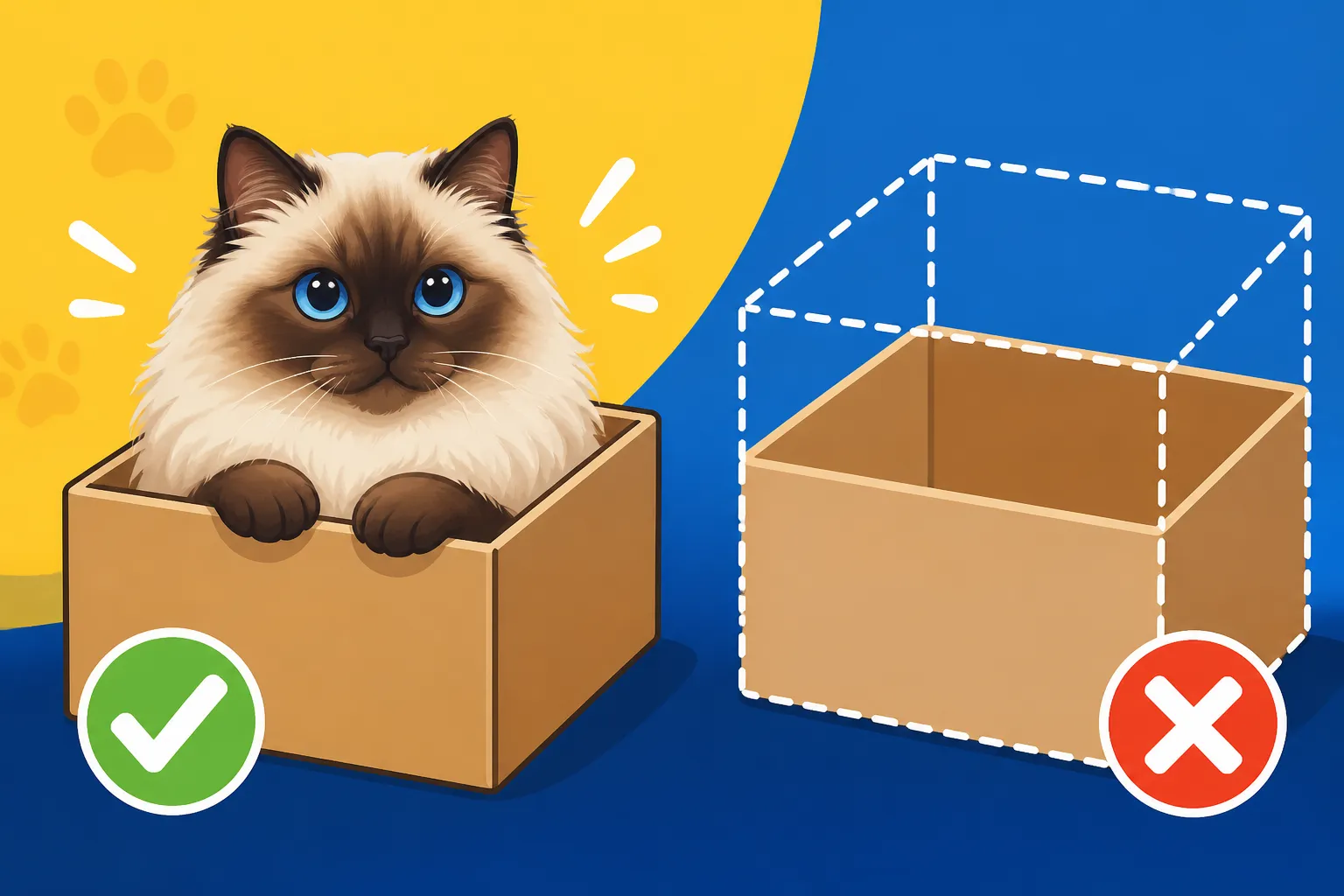
How Big a Box a Cobby Himalayan Needs
Finding the perfect litter box for your beloved Himalayan cat might seem like a straightforward task, but anyone who lives with these magnificent felines knows their unique build presents some specific challenges. From their cobby body and short legs to their famously long, luxurious coat, every aspect of a Himalayan's physiology can influence their comfort and willingness to use their potty spot. This guide is here to walk you through exactly what kind of litter box dimensions and features will make life easier and cleaner for both you and your furry companion, addressing the frustrations many owners face with less-than-ideal setups.
Understanding the Himalayan's Unique Build
Himalayans are truly distinct cats, combining the stout, cobby body and long, flowing coat of a Persian with the striking point coloration and blue eyes of a Siamese. This blend, while creating an undeniably beautiful cat, also results in a physical structure that requires thoughtful consideration in their daily care, including their litter box. Ignoring these unique traits can lead to discomfort for your cat, and unfortunately, more mess for you. It's not about being picky; it's about accommodating their natural form.
Their body shape isn't just about looking adorable; it means their proportions are different from a leaner, more agile cat. A regular-sized litter box designed for a generic house cat might simply be too cramped for a Himalayan to maneuver comfortably. Imagine trying to turn around in a phone booth when you're used to a ballroom – it’s a similar feeling for them. We want to ensure their bathroom experience is stress-free and dignified, which starts with understanding their physical needs.
The Cobby Body and Short Legs
One of the most defining characteristics of a Himalayan is its cobby, muscular body and relatively short, thick legs. This isn't a lithe, athletic breed that's going to effortlessly leap into a high-sided box. Instead, they're built low to the ground, designed more for regal lounging than Olympic high-jumping. When it comes to a litter box, this means that entry and exit need to be as low-impact as possible.
Think about how much effort it takes for a cat with shorter legs to hoist themselves over a tall lip multiple times a day. For a young, spry Himalayan, it might be an annoyance. For an older cat, or one with developing arthritis, it can become a painful barrier, potentially leading them to seek out easier (and less appropriate) spots to relieve themselves. We want to avoid any situation where using the litter box feels like a chore or causes discomfort.
Furthermore, once inside, that cobby body needs space to turn around, dig, and squat comfortably. A box that's too small in width or length will force them into awkward positions, making them feel exposed or rushed. Cats are naturally fastidious creatures, and a cramped, uncomfortable box can discourage proper use, leading to anxiety and potential accidents outside the box. A cat that feels secure and has ample room is far more likely to do its business properly.
The Luxurious, Yet Tricky, Himalayan Coat
Ah, the glorious Himalayan coat! It's one of their most stunning features, a waterfall of soft, long fur that demands attention and admiration. However, this magnificent mane, especially the long britches around their hindquarters, poses a significant challenge when it comes to litter boxes. Anyone who's found a stray piece of litter clinging to their cat's fur, or worse, discovered a damp spot where it shouldn't be, knows the struggle is real.
When a Himalayan enters or exits a box, or even just squats, their long hair can easily drag through used litter. This isn't just unsightly; it can be unhygienic, carrying waste and litter particles through your home. The fine texture of their Persian-derived coat tends to pick up and hold onto litter more readily than a shorter, coarser coat would. This issue is compounded if the litter itself is a type prone to sticking.
This also brings up the issue of cleanliness. If their coat constantly gets soiled, they'll spend more time grooming, which can be difficult for them, especially the parts they can't easily reach, like their britches. A persistently dirty coat can lead to skin irritation or matting, which is a whole other headache we want to avoid. The goal is a box design that minimizes contact between their beautiful coat and the litter, keeping both your cat and your home cleaner. Why a Matted Himalayan Becomes a Medical Case speaks to the importance of coat health.
Key Considerations for Litter Box Size and Design
Choosing the right litter box for your Himalayan isn't just about picking the largest one on the shelf. It's about a combination of dimensions, entry points, and overall design that caters specifically to their physical needs. We're looking for comfort, accessibility, and cleanliness to ensure a harmonious environment for everyone involved. Don't fall for marketing gimmicks; focus on functionality for your cat.
Many standard litter boxes are designed for a "one-size-fits-all" approach, which simply doesn't work for a cat as uniquely built as a Himalayan. You need to think about how they move, how they squat, and how their fur interacts with the environment. It's like finding the perfect pair of shoes for a marathon runner versus a ballet dancer – the requirements are entirely different.
When you start your search, whether online at a place like Chewy or browsing your local pet supply store, keep these specific points in mind. A little upfront research can save a lot of frustration (and cleaning) down the line. We want to create an inviting, easy-to-use bathroom space that your Himalayan will instinctively gravitate towards.
Length and Width: Ensuring Ample Space for Turning and Digging
For a cobby Himalayan, adequate length and width in a litter box are paramount. A good rule of thumb often cited is that the litter box should be at least 1.5 times the length of your cat from nose to the base of their tail. For a Himalayan, which typically measures 18-22 inches from nose to tail base (not including tail length), this means you're looking at a box that's roughly 27-33 inches long. This might sound quite large, and it is! But it's crucial.
Why so much space? Imagine your cat needing to turn around comfortably after entering, or finding the perfect spot to dig and cover. In a smaller box, they might have to perform awkward pivots, potentially bumping into the sides or stepping in their own waste. This reduces their feeling of security and can lead to them rushing their business or even eliminating outside the box to avoid the cramped conditions.
The width is equally important. A Himalayan needs to be able to squat without their hindquarters pressing against the back wall or their head against the front. Sufficient width allows them to maintain a natural posture, which is vital for proper elimination and hygiene. An overly narrow box can also limit their digging action, leading to poorly covered waste and increased odors. You want them to feel like they have a private, spacious stall, not a broom closet.
Wall Height and Entry Points
This is where the short legs of a Himalayan really come into play. While high sides can be great for containing litter scatter, they become a formidable obstacle for a cat that can't easily clear them. For a Himalayan, look for a box with at least one lowered entry point. Many modern litter boxes, especially those designed with older or mobility-challenged cats in mind, feature a "walk-through" or lowered entrance on one side.
Ideally, this lowered entry point should be no more than 4-6 inches high. This allows your Himalayan to simply step in and out, rather than having to jump or stretch uncomfortably. Even if your Himalayan is young and agile now, providing easy access from the start cultivates good habits and prevents potential issues as they age. An older cat, especially one with How Arthritis Shows in a Himalayan That Never Jumped, will thank you for this consideration.
The other walls, however, can and should be higher – ideally 8-12 inches – to help contain litter and waste as they dig. This design allows for the best of both worlds: easy access for your short-legged friend and good containment for your home. It minimizes litter tracking and ensures that enthusiastic digging doesn't send granules flying across the room. Consider an open-top design that boasts a lowered entry or a deep tub-style box that you can modify with a DIY ramp if needed.
Covered vs. Open Boxes
The debate between covered and open litter boxes is a perennial one among cat owners, and for Himalayans, each has its distinct pros and cons.
Covered Boxes (Hooded or Enclosed):
- Pros: Covered boxes are fantastic for containing litter scatter and odors, which can be a real benefit with a long-haired cat. They also offer a sense of privacy that many cats appreciate. For owners, this often means less sweeping around the box.
- Cons: The biggest drawback for a Himalayan is often restricted airflow. Their Persian heritage means they can overheat more easily, and a stuffy, enclosed space can make them uncomfortable. The air inside can quickly become stale and hot, especially if the box is in a warmer part of the house. Also, the entry hole on many covered boxes can be too high or too small for a cobby cat to comfortably navigate without brushing their long fur against the sides, potentially soiling it. If the box is too small overall, the confined space can also amplify odors, which cats find unpleasant, possibly leading them to avoid the box entirely.
Open Boxes:
- Pros: Open boxes offer excellent ventilation, keeping the air fresh and cool – a big plus for a Himalayan. They also provide unobstructed access, which is ideal for their short legs. It's easier for you to see when the box needs cleaning, encouraging more frequent scooping. Plus, there's no ceiling for their long fur to brush against.
- Cons: The obvious downside is litter scatter. A Himalayan's enthusiastic digging can send litter flying. You'll likely need to sweep or vacuum around the box more frequently. Odor containment is also less effective, meaning you'll need to be diligent about daily scooping. However, for a Himalayan, the benefits of better airflow and easier access often outweigh the need for more frequent cleanup, especially if you pair it with the right litter and a good litter mat.
Given their breed characteristics, many Himalayan owners find that a large, open-top litter box with at least one lowered side for easy entry is the best compromise. If litter scatter is a huge concern, a generously sized box with very high sides (and that crucial low entry) combined with a good litter mat (available on Amazon or Chewy) can mitigate much of the mess without sacrificing ventilation.
Choosing the Right Litter and Placement
Beyond the box itself, the type of litter you use and where you place the box are equally crucial for your Himalayan's comfort and your home's cleanliness. It's a holistic approach; a perfect box with the wrong litter or in a bad spot won't solve anything. These are details that can make a huge difference in your daily routine and your cat's overall happiness.
Many of us don't give much thought to these elements until a problem arises, but proactively choosing wisely can prevent issues before they even start. For a cat like the Himalayan, where grooming and comfort are so important, these choices are elevated to an even higher level of importance. Why Litter Ends Up in a Himalayan's Britches highlights the specific challenges related to their coat.
Remember, your cat's preferences play a huge role. While we can make educated guesses based on breed traits, every cat is an individual. Observe your Himalayan's habits and adjust accordingly. This isn't a "set it and forget it" situation; it's an ongoing partnership to ensure their needs are met.
Litter Type for a Long-Coated Cat
This is a big one for Himalayan owners. The wrong litter can turn their gorgeous coat into a magnet for granules and create a bigger mess than you'd ever anticipate. Forget those super-fine, dusty litters; they cling to long fur like static electricity.
Here's what to look for:
- Larger Granule Size: Litters with slightly larger, heavier granules are less likely to get embedded in a Himalayan's long fur or caught in their paw pads. Think pellets made of recycled paper, corn, or even larger clay granules. These tend to fall off more easily as the cat exits the box.
- Low Dust Formula: Dust is the enemy of a long-coated, sometimes brachycephalic cat. Fine dust can irritate their respiratory system and eyes, and it certainly adheres to their fur. Opt for formulas explicitly labeled "99% dust-free" or similar. This is better for your cat's health and reduces the amount of microscopic particles circulating in your home.
- Unscented: While a scented litter might seem appealing to mask odors, strong perfumes are often overpowering for a cat's sensitive nose. Many Himalayans, being prone to respiratory sensitivities due to their facial structure, can be particularly bothered by strong chemical scents. Unscented litter, combined with diligent scooping, is always the healthier and more comfortable option for your feline friend.
- Clumping Ability: Good clumping litter is essential for easy cleanup and odor control, regardless of granule size. It allows you to scoop out waste efficiently, keeping the rest of the litter fresh. This is particularly important with a long-haired cat, as it helps prevent wet litter from sticking to their fur.
Brands like World's Best Cat Litter (corn-based) or certain varieties of Dr. Elsey's (specifically their dust-free or larger granule formulas) found on Chewy or Amazon might be good starting points. Always observe how your Himalayan reacts to a new litter; some are pickier than others!
Strategic Placement for Easy Access and Privacy
Where you put the litter box is nearly as important as the box itself. Cats are private creatures, and a Himalayan, despite its laid-back demeanor, still appreciates a sense of security when doing its business.
- Quiet, Low-Traffic Areas: Avoid placing the litter box in bustling hallways, near loud appliances, or in high-traffic family zones. A quiet corner of a spare bathroom, a laundry room, or a dedicated cat space in a basement can work well. The goal is to minimize interruptions and make them feel safe. Where a Himalayan Goes When the House Gets Busy explains their need for quiet spaces.
- Easily Accessible: While quiet is good, don't relegate the litter box to a forgotten corner of the house that's difficult for your Himalayan to reach. It should be on the same floor where they spend most of their time. For a breed that prefers to stay on the ground and sofa, placing a box upstairs if they mostly hang out downstairs is a recipe for accidents.
- Away from Food and Water: Just like us, cats don't want to eat where they use the bathroom. Keep food and water bowls a good distance away from the litter box. This prevents contamination and ensures they feel comfortable accessing both necessities.
- Multiple Locations (if applicable): If you have a larger home or multiple cats, the general rule of "one box per cat, plus one" still applies. For a Himalayan, placing boxes in different, accessible locations ensures they always have a convenient option, reducing the chance of them holding it or finding an inappropriate spot. This is especially true as they get older and may not want to travel far.
By thoughtfully choosing the location, you're not just placing a box; you're creating a welcoming and respectful environment for your Himalayan to take care of their most basic needs.
Beyond the Basics: Advanced Tips for Himalayan Litter Box Success
Even with the perfect box, ideal litter, and strategic placement, there are always those nuanced situations or ongoing considerations that come up in cat ownership. For Himalayan parents, these often revolve around their specific breed traits, from managing multiple cats to addressing the needs of an aging feline. Thinking ahead and understanding these advanced tips can help you troubleshoot issues before they escalate and ensure long-term litter box success.
It's about anticipating needs and understanding the subtle cues your Himalayan might be giving you. They may not be as vocal as their Siamese ancestors, but they communicate volumes through their habits and preferences. Being observant and proactive is key to keeping them happy and healthy. How Little a Himalayan Asks For in a Day reminds us that small considerations go a long way.
Multiple Boxes and Senior Cat Needs
Even if you have just one Himalayan, the "multiple box" rule can still be a good idea, especially in a larger home or a multi-story dwelling. Having two boxes on different floors or in different parts of a large floor plan simply offers convenience. This reduces the "journey" to the bathroom, which can be a significant comfort for a less active breed or one with Why a Himalayan's Short Persian Legs Skip a Step.
For senior Himalayans, this becomes absolutely critical. As cats age, they can develop arthritis, lose muscle mass, and experience a decline in mobility. A box that was perfectly accessible for a young cat might become a mountain for an older one.
- Ultra Low-Entry: Look for boxes with an even lower entrance, or consider a large storage bin with a section cut out of one side to create a wide, easy ramp. The key is absolutely minimal effort to get in and out.
- Soft Litter: While larger granules are good for coat adherence, an older cat might prefer a slightly softer litter under sensitive paws. Experiment with different types (always introducing slowly) to see what they prefer.
- Increased Frequency of Cleaning: Older cats might be less tolerant of a dirty box. Their sense of smell can diminish, but they might also be more prone to infections. Keep their boxes pristine.
- Nighttime Access: Ensure a box is easily accessible near their primary sleeping area at night, as they may have less control over their bladder or bowels as they age.
Think of it as setting up multiple, easily accessible rest stops along their daily route.
Maintaining Hygiene and Preventing Issues
Beyond the basic daily scoop, maintaining excellent litter box hygiene is vital for a Himalayan, not just for odor control but for their health. Their long coat and flat face can make them more susceptible to certain issues if cleanliness is overlooked.
- Daily Scooping (and then some): Scoop at least once, preferably twice a day. For a Himalayan, this is non-negotiable. Stale urine or feces can quickly cling to their long fur, leading to irritation or even infection. Use a sturdy metal scoop, often available on Amazon, as it makes the job faster and more effective.
- Full Litter Changes: Depending on the litter type and number of cats, a full litter change (dumping all old litter, washing the box with mild, unscented soap and water, and refilling with fresh litter) should happen every 1-4 weeks. For Himalayans, who can be quite sensitive to strong odors, this regular deep clean is crucial. Avoid harsh chemicals or scented cleaners, as their residue can deter your cat.
- Litter Mats: Place a good quality litter mat with deep grooves or loops outside the box. This helps catch any litter that clings to their paws or falls off their britches as they exit. There are many effective options on Chewy designed specifically to minimize tracking, reducing the amount of litter spread through your home.
- Monitor Habits: Pay close attention to your Himalayan's litter box habits. Any sudden changes – frequent visits, straining, vocalizing in the box, or eliminating outside the box – are red flags. These can indicate a urinary tract infection, constipation, or other health issues that warrant a vet visit. Why a Himalayan Hides Illness Behind an Expressionless Face means you have to be extra vigilant. Also, keep an eye on their stool consistency, as digestive upset can sometimes be linked to diet or stress.
By being meticulous about litter box hygiene, you're not just maintaining a clean home; you're also safeguarding your Himalayan's health and ensuring they have a comfortable, stress-free environment for their most private needs.
Disclaimer
This article is for general informational purposes only and does not constitute professional advice. Laws, prices and regulations vary by location and change over time. Consult a qualified professional for guidance on your specific situation.