Which Blood Values a Himalayan’s Kidney History Demands
It’s a heartbreaking reality that many of us face as Himalayan parents: the worry that our beloved, fluffy companions might be silently battling health issues, especially those pesky kidney problems that seem to lurk in the background of their breed history. The thought of wading through complex blood test results can feel overwhelming, leaving you feeling helpless and unsure if you're truly doing the best for your cat. This comprehensive guide is here to demystify those crucial blood values, helping you understand exactly what your Himalayan's kidney history demands from routine veterinary care, so you can confidently advocate for their long, happy life.
Understanding the Himalayan's Unique Kidney Vulnerability
Himalayan cats, with their distinctive features and luxurious coats, carry a genetic heritage that, while beautiful, also comes with certain predispositions. One of the most significant health concerns that frequently weighs on the minds of owners and breeders alike is kidney disease, specifically Polycystic Kidney Disease (PKD). This isn't just a random ailment; it's deeply rooted in their lineage and understanding this is the first step in proactive care.
The Persian Connection: PKD and Its Legacy
You see, the Himalayan breed was developed by crossing Persians with Siamese cats, aiming to combine the Persian's long coat and stocky build with the Siamese's striking point coloration and blue eyes. While this gave us the stunning cat we adore today, it also meant that Himalayans inherited some of the health predispositions of their parent breeds. Unfortunately, one of the most significant inheritors from the Persian side is Polycystic Kidney Disease.
PKD is a genetic condition that causes fluid-filled cysts to form in the kidneys, gradually increasing in size and number over time. These cysts slowly replace healthy kidney tissue, eventually leading to kidney dysfunction and failure. It's a progressive disease, meaning it gets worse with age, and many cats don't show symptoms until the disease is quite advanced. This makes early detection and regular monitoring absolutely vital for Himalayans. If you're curious about the specifics of this genetic link, you might find more detailed information in our article on PKD1 Came Down the Persian Side of a Himalayan. Knowing this history isn't about fear-mongering; it's about being informed and empowered to take the best preventative steps for your cherished pet.
Why Early Monitoring is Non-Negotiable
Given the prevalence of PKD in the Persian lines from which Himalayans descend, early and consistent monitoring of kidney health isn't just a good idea – it's an absolute necessity. Unlike some other breeds where kidney issues might be secondary to aging or other conditions, for a Himalayan, there's a genetic predisposition that can start impacting their health even when they appear perfectly fine. Think of it like a silent clock ticking; the cysts are often present from birth, even if they're microscopic.
Regular veterinary check-ups, even for seemingly healthy young Himalayans, should always include a discussion about kidney health. Your vet should be aware of the breed's specific risks and guide you on the appropriate screening schedule. Catching any subtle changes in kidney function early, before clinical signs of illness appear, can significantly extend your cat's quality of life and potentially slow the progression of the disease. It's about being proactive rather than reactive, providing the best possible foundation for their well-being. This kind of early vigilance is precisely why many pet parents opt for insurance providers like Healthy Paws, which can help cover the costs of ongoing diagnostic tests and treatments should these conditions arise.
Key Blood Tests for Early Detection of Kidney Issues
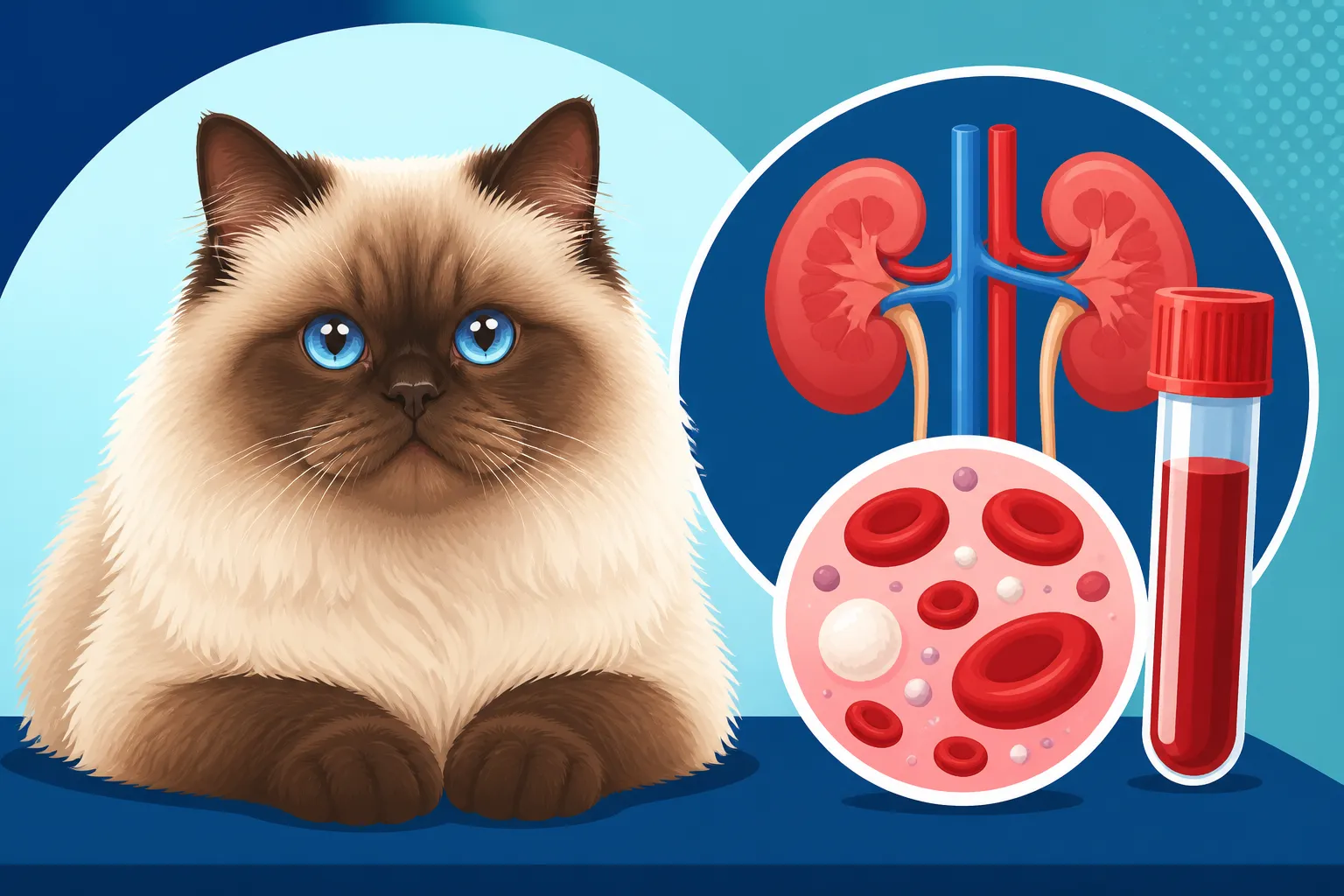
When your veterinarian draws blood from your Himalayan, they're looking at a whole panel of values. For kidney health, specific markers are of particular interest. Understanding these can help you have a more informed conversation with your vet and feel more in control of your cat's health journey.
Creatinine and BUN: The Foundation
These two values, Creatinine and Blood Urea Nitrogen (BUN), have long been the traditional go-to markers for kidney function. They measure waste products that healthy kidneys are supposed to filter out of the blood.
- Creatinine is a waste product from normal muscle metabolism. It's usually removed from the blood by the kidneys. If kidney function declines, creatinine levels can rise because the kidneys aren't filtering it efficiently. For a Himalayan, a consistently rising creatinine, even if still within "normal" lab ranges, can be a red flag, especially when compared to previous results.
- BUN (Blood Urea Nitrogen) is another waste product, a byproduct of protein metabolism. Like creatinine, healthy kidneys filter it out. Elevated BUN can indicate reduced kidney function, but it's also influenced by other factors like dehydration, diet (high protein), or even gastrointestinal bleeding. So, while important, BUN is usually evaluated in conjunction with creatinine and other markers for a clearer picture.
If your vet sees even a slight elevation in these values for your Himalayan, especially if they’ve always been on the lower side, it’s a cue for further investigation. It doesn't automatically mean kidney failure, but it definitely means it’s time to start asking more questions and perhaps run additional tests.
SDMA: The Game-Changer
Symmetric Dimethylarginine, or SDMA, is a newer and incredibly valuable blood marker that has revolutionized early detection of kidney disease in cats. Unlike BUN and creatinine, SDMA levels can increase when kidney function declines by as little as 25% – often much earlier than BUN and creatinine, which typically don't show significant elevation until about 60-75% of kidney function is lost.
For Himalayans, where early detection of PKD and other kidney issues is paramount, SDMA is a true game-changer. Imagine a scenario where your usually active Himalayan, Mr. Fluffington, is still eating well and playing, but perhaps you notice he's drinking a little more water than usual – a symptom often dismissed as normal in older cats or during warmer weather. A routine blood panel that includes SDMA could pick up a subtle elevation in his SDMA, even if his BUN and creatinine are still within normal limits. This early warning allows your vet to intervene much sooner, potentially implementing dietary changes, increasing hydration, or performing further diagnostics like an ultrasound before significant damage occurs. This early intervention is critical for potentially extending the lifespan of a Himalayan, as discussed in How Young a Himalayan Can Go Into Kidney Failure. Investing in comprehensive pet insurance like Healthy Paws can be incredibly helpful for covering these advanced diagnostic tests.
Phosphorus and Calcium: Mineral Imbalances
Beyond the direct waste products, your vet will also pay close attention to phosphorus and calcium levels. As kidney disease progresses, the kidneys become less effective at regulating these vital minerals.
- Phosphorus: Healthy kidneys remove excess phosphorus from the body. When kidney function declines, phosphorus levels in the blood can rise. Elevated phosphorus can lead to serious secondary health problems, including further kidney damage, bone demineralization, and even soft tissue calcification. Managing phosphorus is a cornerstone of kidney disease treatment.
- Calcium: Calcium levels can be tricky in kidney disease. They might be normal, low, or even high, depending on the stage of the disease and other factors. Low calcium often occurs due to impaired vitamin D metabolism (which the kidneys play a role in), while high calcium can sometimes be seen in later stages or related to parathyroid issues. Both extremes need careful monitoring and management.
Keeping these mineral levels in check is critical for slowing disease progression and maintaining your Himalayan's overall comfort and health. Your vet might recommend specific diets or binders if these levels start to trend outside the optimal range.
Interpreting Your Himalayan's Kidney Blood Work
Getting the results back from the vet can feel like reading a foreign language. But understanding how to interpret these numbers, especially within the context of your individual Himalayan's health, is incredibly empowering. It's not just about looking for values outside the "normal range" printed on the lab report.
What "Normal" Really Means for a Himalayan
When you get your Himalayan's blood work results, you'll see a reference range next to each value, indicating what's considered "normal" for most cats. However, for a Himalayan, especially one with a known genetic predisposition to PKD or a history of kidney concerns, "normal" can be a bit more nuanced. For example, a creatinine level that's at the high end of the normal range for an average cat might actually be a concern for your Himalayan if their previous tests showed consistently lower levels.
What's truly important is establishing a baseline for your individual cat and then tracking trends over time. A subtle, gradual increase in SDMA over several months, even if it stays within the "normal" bracket, could signal very early kidney changes that warrant closer investigation. For instance, if your two-year-old Himalayan, Luna, consistently had an SDMA of 10 and now it's 12, even though 14 is still considered "normal," that upward trend is what your vet will be paying close attention to. This is why annual blood work, even for young, healthy Himalayans, is so important – it creates that essential historical record.
When Numbers Start to Shift: Early Warning Signs
The real magic of proactive kidney monitoring lies in catching those subtle shifts before they become outright problems. If your Himalayan's blood values, particularly SDMA, BUN, or creatinine, start to trend upwards, even slightly, it's a call to action. You might not see any outward signs yet; your cat might still be eating, playing, and acting like their usual fluffy self. However, remember that Himalayans, like many cats, are masters at hiding illness. A subtle change in their habits, like Why Extra Thirst in a Himalayan Points at Its Persian Half, can be easily missed or attributed to other things.
Your vet will consider these shifts alongside other factors:
- Age: Older Himalayans naturally have a higher risk of age-related kidney decline.
- Hydration Status: Dehydration can temporarily elevate BUN and creatinine.
- Other Health Conditions: Any co-existing conditions could impact kidney values.
- Symptoms: Even subtle changes in appetite, activity level, or litter box habits should be considered.
This is where open communication with your vet becomes paramount. Don't hesitate to ask questions about any trends you notice in the numbers, and always share any observations about your cat's behavior, no matter how minor they seem.
Working with Your Vet to Create a Baseline
Creating a comprehensive health baseline for your Himalayan is one of the most proactive steps you can take. This isn't just a single snapshot; it's a series of health records, starting from when they were a young kitten, that allows your vet to understand what's normal for them. This baseline should include:
- Annual Blood Panels: Consistent yearly blood work, including SDMA, BUN, creatinine, phosphorus, and electrolytes, starting from a young age (around 1-2 years old).
- Urinalysis: Regular urine tests provide crucial information that blood work alone cannot.
- Blood Pressure Checks: High blood pressure can both cause and be a consequence of kidney disease.
- Physical Exam Notes: Your vet's observations on weight, hydration, coat condition, and any physical abnormalities.
Imagine you have a beautifully detailed log of your Himalayan's health from their early years. When a slight change in a blood value appears at age seven, your vet can immediately see it against five years of "normal" results, flagging it as significant rather than dismissing it as a fluke. This historical data is invaluable for making informed decisions about preventative care or early interventions. This diligent tracking can also be essential for understanding the progression of issues like How Kidney Cysts Grow on a Himalayan's Scan over time.
Here's a simplified table to help you grasp the common kidney-related blood values:
| Blood Value | What it Measures | Normal Range (Cats) | What High Levels May Indicate (in Himalayans) | Importance for Himalayans |
|---|---|---|---|---|
| BUN | Waste product from protein metabolism | 16-36 mg/dL | Kidney dysfunction, dehydration, high protein diet | Traditional marker, less sensitive for early stages, but useful in conjunction with creatinine. |
| Creatinine | Waste product from muscle metabolism | 0.8-2.4 mg/dL | Kidney dysfunction, muscle wasting (in some cases) | Traditional marker, often elevates later in disease, but trends are important. |
| SDMA | Renal biomarker, waste product from protein breakdown | 0-14 µg/dL | Early kidney function decline (as little as 25% loss) | Crucial for early detection, especially given PKD predisposition. Catches issues much earlier than BUN/Creatinine. |
| Phosphorus | Essential mineral, regulated by kidneys | 2.5-6.0 mg/dL | Impaired kidney ability to excrete phosphorus, secondary hyperparathyroidism | Key for managing CKD progression and preventing secondary complications like bone disease. |
| Calcium | Essential mineral | 8.0-10.5 mg/dL | Can vary; high (hypercalcemia) or low (hypocalcemia) depending on disease stage/cause | Important to monitor for electrolyte imbalances, especially as kidney disease progresses. |
Note: Normal ranges can vary slightly between laboratories. Always refer to your vet for specific interpretations of your cat's results.
Beyond Blood: Other Diagnostic Tools for Kidney Health
While blood tests provide a fantastic window into kidney function, they aren't the whole story. A complete picture of your Himalayan's kidney health often requires combining blood work with other diagnostic tools. These additional tests can confirm suspicions, pinpoint the exact nature of the problem, and guide the most effective treatment plan.
Urinalysis: A Crucial Complement
Think of urinalysis as the other side of the kidney health coin. Blood tests tell you what the kidneys aren't removing from the blood, but a urinalysis tells you what the kidneys are letting out in the urine – or what they should be holding onto. It provides vital information about how well the kidneys are concentrating urine, filtering waste, and maintaining proper electrolyte balance.
Key aspects of a urinalysis for a Himalayan with potential kidney concerns include:
- Urine Specific Gravity (USG): This measures the concentration of the urine. If a cat with elevated kidney blood values is producing very dilute urine (low USG), it strongly suggests the kidneys are losing their ability to concentrate, which is a hallmark of kidney disease.
- Protein in Urine (Proteinuria): Healthy kidneys should hold onto protein. If significant protein is consistently found in the urine, it can indicate damage to the kidney's filtering units (glomeruli), which is a serious concern.
- Presence of Bacteria, Crystals, or Cells: These can indicate urinary tract infections, bladder stones, or inflammation, all of which can impact overall kidney health or mimic kidney disease symptoms.
Your vet will likely recommend a fresh urine sample, ideally collected via cystocentesis (directly from the bladder using a needle) to avoid contamination. Combining urinalysis with blood work gives a much more complete and accurate assessment of kidney function.
Ultrasound: Visualizing the Kidneys
While blood and urine tests tell us about function, an ultrasound allows your vet to see the structure of your Himalayan's kidneys. This is particularly important for Himalayans due to the breed's predisposition to Polycystic Kidney Disease (PKD). An ultrasound can:
- Identify Cysts: It can clearly show the presence, size, and number of cysts in the kidneys, confirming a diagnosis of PKD. This is how your vet determines How Early Cysts Show on a Himalayan's Kidney Scan.
- Assess Kidney Size and Shape: Kidneys that are shrunken or irregularly shaped can indicate chronic disease. Enlarged kidneys might suggest acute injury or other issues.
- Detect Other Abnormalities: The ultrasound can pick up tumors, kidney stones, or other structural problems that wouldn't be evident from blood work alone.
- Evaluate Blood Flow: Doppler ultrasound can assess blood flow to and within the kidneys.
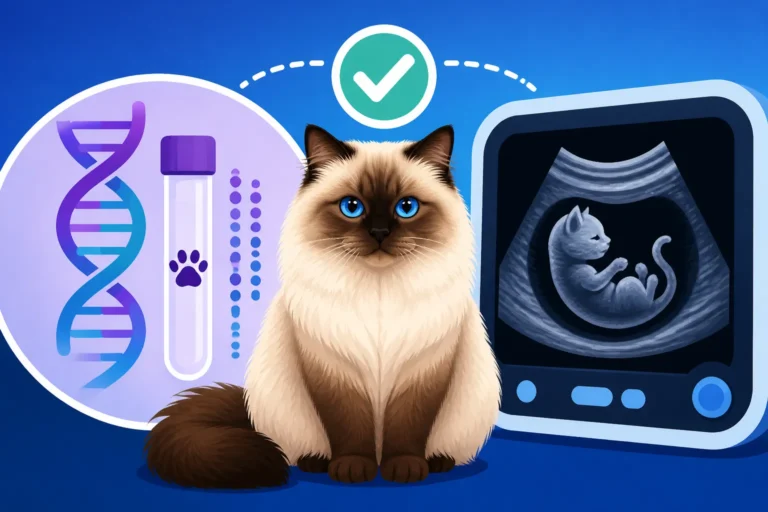
Even if a Himalayan has been genetically tested and cleared for the PKD gene (something you can learn more about in How a Himalayan Is Swabbed for the Persian Kidney Gene), a periodic ultrasound can still be a valuable tool, especially if blood values start to trend upwards or if your cat is developing other symptoms. It provides a visual confirmation of what's happening inside, offering peace of mind or crucial early diagnostic information. Again, this type of advanced diagnostic imaging is often where pet insurance, such as a policy from Healthy Paws, really proves its worth, helping to manage unexpected costs.
Managing Kidney Health and Long-Term Monitoring
Once kidney issues are identified in your Himalayan, the focus shifts to management and slowing progression. This is a journey that involves a partnership between you and your veterinarian, making informed choices that can significantly impact your cat's quality of life.
Dietary Adjustments and Hydration
One of the most powerful tools in managing kidney disease in Himalayans is diet. Kidney-specific diets are formulated to:
- Reduce Protein: While cats need protein, very high levels can increase the workload on compromised kidneys. Renal diets contain high-quality, easily digestible protein at appropriate levels.
- Control Phosphorus: As discussed earlier, managing phosphorus is critical. Kidney diets are specifically designed with restricted phosphorus levels.
- Increase Omega-3 Fatty Acids: These have anti-inflammatory properties that can be beneficial for kidney health.
- Maintain Electrolyte Balance: These diets are balanced to support kidney function.
Transitioning your Himalayan to a renal diet can be challenging, as cats can be notoriously picky eaters. It's often a gradual process, mixing small amounts of the new food with their old food and slowly increasing the proportion. Your vet can guide you on Which Renal Diet a Cyst Positive Himalayan Ends Up On that might be best suited for your specific cat's needs.
Hydration is equally vital. Increased water intake helps the kidneys flush out waste products more efficiently. Encourage your Himalayan to drink by:
- Feeding Wet Food: This significantly increases their daily water intake compared to dry kibble.
- Offering Multiple Water Sources: Bowls in different locations, ceramic or stainless steel bowls, and even pet water fountains can encourage drinking.
- Adding Water to Food: If your cat is still eating dry food, add a little water or low-sodium broth to it.
Even if you have to entice them with interesting new bowls or flavors, every drop of extra water helps those kidneys work a little easier.
Medication and Supplementation
Depending on the stage and specifics of your Himalayan's kidney disease, your vet may recommend various medications and supplements to support kidney function and manage symptoms. These can include:
- Phosphorus Binders: If dietary restriction isn't enough, these medications are given with food to bind excess phosphorus in the gut, preventing its absorption.
- Blood Pressure Medications: High blood pressure is common in cats with kidney disease and needs to be controlled to prevent further organ damage.
- Calcitriol: A form of Vitamin D that can help regulate calcium and phosphorus, and improve overall well-being in some cats.
- Appetite Stimulants/Anti-nausea Medications: If your Himalayan is feeling unwell, these can help them eat and maintain weight.
- Potassium Supplements: Some cats with kidney disease can develop low potassium (hypokalemia), which needs to be corrected.
- Fluid Therapy: For more advanced cases, subcutaneous fluids (fluids given under the skin) can be administered at home to help rehydrate and flush the kidneys. Many owners have found success in extending their cat's comfort and life by learning Whether Home Fluids Extend a Himalayan's Life.
It's crucial to administer all medications exactly as prescribed by your vet and never give your cat human medications or supplements without veterinary guidance. Regular follow-up blood work will determine the effectiveness of these treatments and if dosages need to be adjusted.
The Importance of Regular Follow-Ups
Living with a Himalayan who has a kidney history means committing to a schedule of regular veterinary follow-ups. This isn't just about getting more blood tests; it's about continuously monitoring their progress, adjusting treatment plans as needed, and maintaining their best possible quality of life.
Your vet will likely recommend more frequent check-ups, perhaps every 3-6 months, depending on the stage of the disease. These visits will typically include:
- Physical Exam: Checking weight, hydration status, coat condition, and overall demeanor.
- Blood Work: Re-evaluating SDMA, BUN, creatinine, phosphorus, and other relevant values. This helps track changes and ensures medications are working. For older Himalayans, your vet might recommend What a Himalayan's Yearly Bloods Should Cover After Eight.
- Urinalysis: To monitor urine concentration and protein levels.
- Blood Pressure Measurement: To ensure blood pressure remains controlled.
Remember, your Himalayan might be very good at hiding how they truly feel, especially given their generally placid nature. Why a Himalayan Hides Illness Behind an Expressionless Face is a real challenge for owners. Regular vet visits allow a professional to pick up on subtle cues you might miss at home. This ongoing vigilance, coupled with the security of a good pet insurance plan from providers like Healthy Paws, provides the best framework for managing chronic conditions and ensuring your fluffy companion receives the dedicated care they deserve throughout their life.
Disclaimer
This article is intended for informational purposes only and does not constitute medical advice. Always consult with a qualified veterinarian for any health concerns or before making any decisions related to your Himalayan cat's care or treatment.