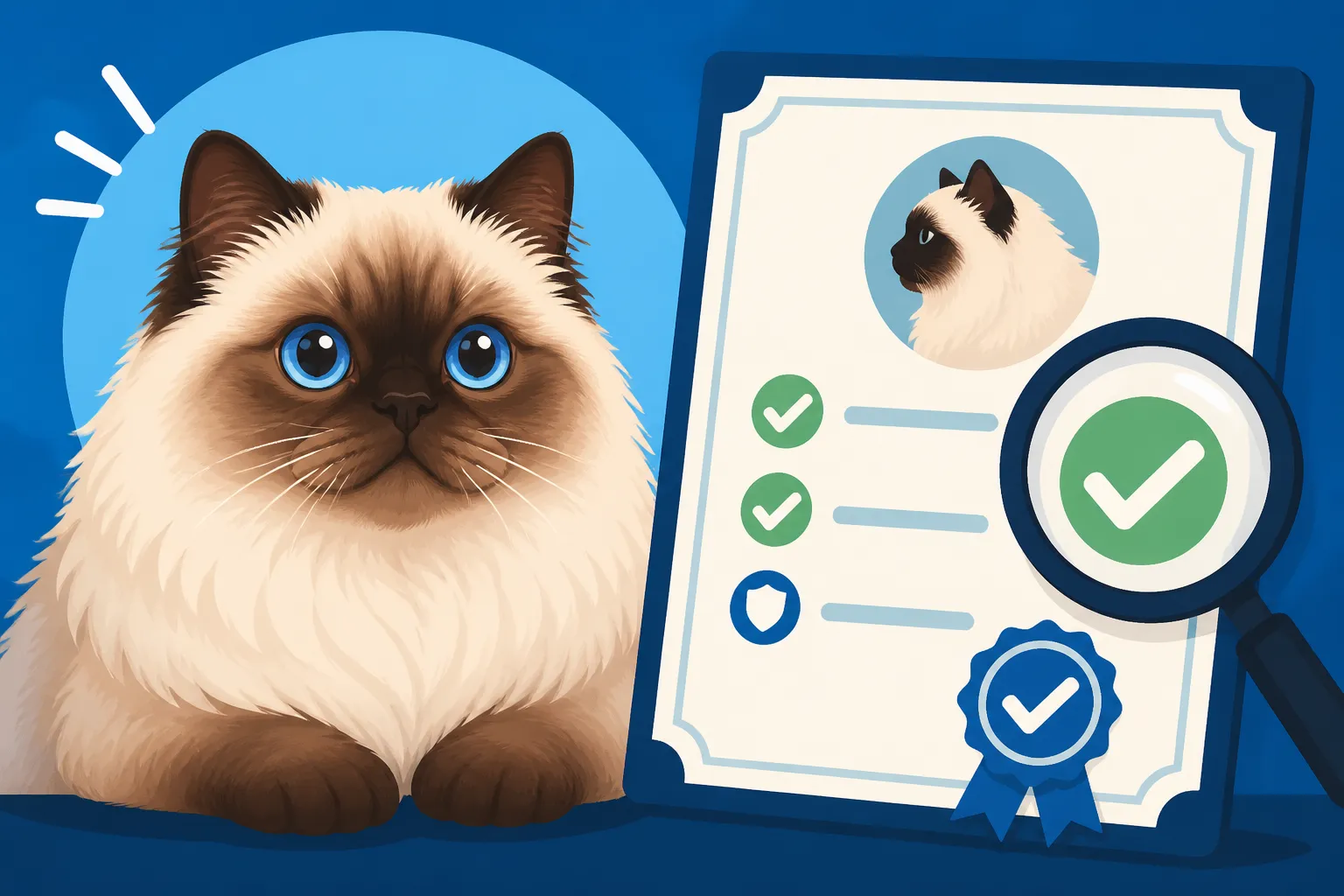
How to Read a Himalayan’s PKD Certificate
Receiving your new Himalayan kitten's health certificates can feel like a daunting task, full of scientific jargon and official-looking stamps. Among these crucial documents, the Polycystic Kidney Disease (PKD) certificate often stands out, leaving many new owners wondering exactly what they're looking at and, more importantly, what it means for their beloved feline companion. This guide is here to walk you through every line, ensuring you fully understand this vital piece of your Himalayan's health history.
The Foundation of Understanding: What a PKD Certificate Represents
When you get a PKD certificate for your Himalayan, you're holding a document that provides crucial insight into their genetic health, specifically concerning a nasty inherited condition known as Polycystic Kidney Disease. This isn't just a piece of paper; it's a testament to responsible breeding practices and a foundational element for your cat's future well-being. Knowing how to decipher it is about empowering yourself as a pet parent.
Why PKD is a Serious Concern for Himalayans
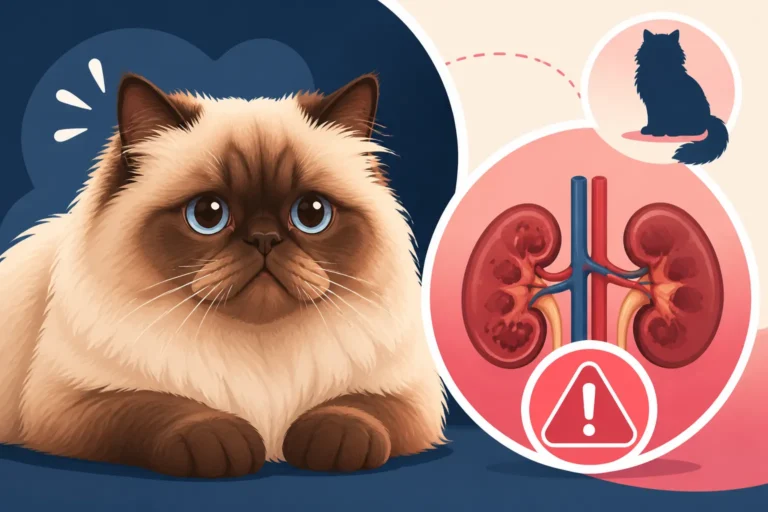
Polycystic Kidney Disease is an inherited disorder that causes fluid-filled cysts to form in the kidneys. While these cysts are present from birth, they typically grow slowly over time, eventually leading to kidney enlargement and, tragically, kidney failure. It’s a truly insidious disease because a cat can appear perfectly healthy for years, only for the condition to manifest later in life. This genetic predisposition is something that PKD1 Came Down the Persian Side of a Himalayan, making it a particularly important health screening for our fluffy friends. Without proper testing, it can silently decimate entire breeding lines and bring immense heartbreak to families who suddenly face a pet in kidney distress.
Reputable Testing Labs and Their Role
Not all certificates are created equal, and the credibility of the issuing laboratory is paramount. Reputable veterinary genetic testing labs utilize advanced DNA analysis to detect the specific mutation responsible for PKD1. When you receive a certificate, you should look for familiar names like UC Davis Veterinary Genetics Laboratory in the United States, Langford Vets in the UK, or Orivet in Australia. These are well-established institutions with stringent quality controls and recognized expertise in feline genetic disorders. A certificate from an unknown or unverified source should raise a red flag, as unfortunately, falsified documents can sometimes circulate. Always confirm the lab's credentials if you're unsure.
Deconstructing the Key Information on Your Certificate
Now, let's get into the nitty-gritty of the certificate itself. Each section serves a purpose, providing specific details about the test, the cat, and the results. Understanding these individual components is key to grasping the whole picture.
Identifying Your Cat and Their Specific Details
The first section of any reputable PKD certificate will meticulously detail the cat that was tested. This isn't just for formality; it's to ensure the certificate genuinely belongs to your cat. You should expect to see:
- Registered Name: This is the official name given to your cat by its breeder, often including cattery prefixes.
- Breed: For Himalayans, this might vary. Some registries, like the CFA, classify them as Colorpoint Persians, so the certificate might state "Persian" or "Colorpoint Persian." Other registries, like TICA, may list "Himalayan." This is normal and reflects the breed's unique history and recognition across different organizations.
- Microchip or Tattoo Number: This is a crucial identifier. Every tested cat should have a permanent ID that matches the one on the certificate. Always cross-reference this with your cat's actual microchip scan (or tattoo) to prevent any mix-ups. This is your primary way to verify the certificate's legitimacy for your specific feline.
- Date of Birth, Sex, and Color: These details further help confirm the cat's identity. While color can be subjective or change slightly with age (especially for Himalayans whose points darken), these details provide additional layers of verification.
Ensuring these details align perfectly with your cat is the first, and arguably most important, step in reading the certificate correctly. If anything is mismatched, don't hesitate to contact the breeder or the testing lab for clarification.
The Test Method and the All-Important Results
This is the heart of the certificate, where the genetic findings are presented. The test method for PKD1 is typically a DNA-based assay, often referred to as a Polymerase Chain Reaction (PCR) test or simply a "DNA test." This test looks for the specific genetic mutation known to cause PKD.
The results will typically be presented in one of three ways:
- N/N Clear (or Homozygous Normal/Negative): This is the gold standard. "N/N" means your cat has two normal copies of the gene and does not carry the PKD1 mutation. This cat will not develop PKD due to this specific gene, and, crucially, cannot pass the mutation on to any offspring. For breeders, this is the desired outcome, and for pet owners, it offers immense peace of mind.
- N/P Carrier (or Heterozygous/Positive): This result indicates your cat has one normal copy of the gene and one copy of the PKD1 mutation. A cat with an N/P result is considered a "carrier." Typically, carrier cats will not develop PKD themselves because the normal gene copy is sufficient for proper kidney function. However, they can pass the mutated gene on to their offspring. This has significant implications for breeding programs, where carriers must only be bred with N/N Clear cats to avoid producing affected kittens.
- P/P Affected (or Homozygous Positive): This is the most serious result. A "P/P" cat has inherited two copies of the PKD1 mutation. This means the cat is genetically affected and will almost certainly develop PKD. These cats should never be bred, as all their offspring would inherit at least one copy of the mutated gene. For pet owners, an affected result means preparing for potential kidney issues down the line and working closely with a veterinarian to manage their cat's health.
The certificate should clearly state one of these three outcomes. This single line holds the most profound implications for your cat's health and any potential breeding decisions.
Breeder and Owner Information on the Certificate
Further down the document, you'll usually find information pertaining to the breeder and/or the current owner at the time of testing. This often includes:
- Breeder's Name/Cattery Name: This identifies the person or entity responsible for the cat's lineage and initial care.
- Owner's Name: This might be the breeder if the test was conducted before sale, or your name if you've had the test done yourself.
- Registration Number/Database ID: This refers to the cat's official registration with a cat fancy association (like CFA or TICA), linking the genetic test result to their pedigree.
This section provides transparency and accountability. It's important to cross-reference the breeder's information here with the details provided in your purchase agreement or on your cat's pedigree. Responsible breeders will always provide these certificates readily, as it showcases their commitment to genetic health.
Understanding the Implications of the Results
Once you've deciphered the technical aspects, it's time to understand what each possible result truly means for your Himalayan, whether they are a cherished pet or part of a breeding program.
What a 'Clear' Result Truly Means for Your Himalayan
An "N/N Clear" result is truly wonderful news. It means your Himalayan does not possess the gene that causes Polycystic Kidney Disease, and therefore, will not develop PKD due to this specific genetic mutation. More importantly, they cannot pass this specific form of PKD to any kittens, should they be bred. This provides invaluable peace of mind for you as an owner, knowing a major hereditary health concern has been ruled out. For breeders, this result is essential for maintaining healthy lines, and it's why ethical breeders test all their breeding cats. Knowing Why Two Clear Parents End PKD in a Himalayan Line is key to responsible breeding.
Navigating a 'Carrier' Result
A "N/P Carrier" result can sometimes cause confusion or concern, but it's important to understand it correctly. A carrier cat has one copy of the PKD gene but is unlikely to develop the disease itself. Think of it like a recessive gene; the "normal" copy often overrides the "mutated" copy in terms of immediate health impact. However, the significance lies in their ability to pass that mutated gene to their offspring.
For pet owners, an N/P result usually means your cat will live a full, healthy life without PKD. It's still wise to maintain regular veterinary check-ups, of course, just like with any cat. For breeders, this result demands careful planning. A carrier cat can be safely bred, but only with an N/N Clear cat. Any kittens produced would have a 50% chance of being Clear and a 50% chance of being Carriers. Breeding a carrier to another carrier, or to an affected cat, risks producing P/P Affected kittens, which is precisely what we want to avoid. Ethical breeders will use such information to make informed breeding choices, ensuring no affected kittens are born.
Dealing with an 'Affected' Result
An "P/P Affected" result is, unfortunately, the most challenging outcome. It means your Himalayan has two copies of the PKD gene and will develop Polycystic Kidney Disease. The severity and onset age can vary, but the disease is progressive and ultimately leads to kidney failure. If your cat receives this diagnosis, the immediate priority shifts to their quality of life. They should absolutely not be bred, as all their offspring would inherit at least one, and likely two, copies of the mutated gene.
For pet owners, this news is heartbreaking. It means working closely with your veterinarian to monitor kidney function, manage symptoms, and provide supportive care. This could involve special diets, medications, and fluid therapy to slow the progression of the disease and keep your cat comfortable. It’s a journey of compassionate care, and many owners dedicate themselves fully to Living With a Himalayan That Inherited the Persian Kidney Gene, offering the best possible life for their beloved companion. Early detection through such certificates allows for proactive management, which can significantly improve an affected cat's comfort and lifespan.
Beyond the Certificate: Essential Next Steps and Verification
Understanding the certificate is one thing, but what do you do with it? How do you ensure its authenticity, and what further steps should you consider for your Himalayan's kidney health? These are crucial questions for any responsible cat owner.
Verifying the Authenticity of Your Certificate
In an age where digital documents can be easily altered, verifying the authenticity of your PKD certificate is a critical step, especially if you have any doubts or purchased your kitten from a less established breeder. A truly reputable certificate will have identifiable features, such as:
- Lab Logo and Contact Information: Prominently displayed, allowing you to independently contact the lab.
- Unique Certificate Number/ID: A specific identifier for that particular test result.
- Breeder/Owner Signature (Optional but helpful): Sometimes a breeder will sign the certificate as an added layer of verification.
The best way to verify is to contact the issuing laboratory directly. Provide them with the certificate number, your cat's microchip number, and the breeder's name. They should be able to confirm that the results on the certificate match their records. This simple step can save you a lot of heartache down the road. It's why How to Check a Himalayan's Kidney Certificate Is Real is a skill every owner should know.
The Role of Ultrasound in Kidney Health
While a DNA test for PKD1 is incredibly accurate for detecting the presence of the gene, it's important to understand that it doesn't entirely replace other diagnostic tools, especially for older cats or those from lines where PKD was historically prevalent. An ultrasound provides a visual assessment of the kidneys, allowing a veterinarian to actually see if cysts are present and to gauge their size and number.
Even if a cat tests N/N Clear for PKD1, an ultrasound might still be recommended in certain situations:
- Older Cats: As cats age, other forms of kidney disease can develop, unrelated to the PKD1 gene. An ultrasound can help monitor overall kidney health.
- Symptoms of Kidney Issues: If your Himalayan shows any signs of kidney problems (increased thirst, frequent urination, weight loss), an ultrasound will be a part of the diagnostic work-up regardless of their genetic status.
- Historical Concerns: In some older breeding lines that may not have been as rigorously tested for PKD1 in the past, an ultrasound might be used as an additional screening tool, particularly if concerns exist about other genetic predispositions.
For many years before the advent of genetic testing, ultrasound was the primary method for diagnosing PKD. It's Why an Ultrasound Still Backs Up a Himalayan's Gene Test and can reveal How Early Cysts Show on a Himalayan's Kidney Scan. It's a testament to how comprehensive veterinary care often integrates multiple diagnostic approaches.
Long-Term Health Planning and Peace of Mind
Understanding your Himalayan's PKD status is a cornerstone of responsible pet ownership. This knowledge empowers you to work proactively with your veterinarian on a long-term health plan tailored to your cat's specific needs. For a clear cat, this means maintaining routine preventative care. For a carrier, it means awareness and ensuring responsible breeding practices if applicable. For an affected cat, it means dedicated, ongoing medical management.
This comprehensive approach to health is also where considering pet insurance can be a huge benefit. Companies like Healthy Paws offer policies that can help cover the costs of unexpected illnesses or chronic conditions, providing a financial safety net and allowing you to focus on your cat's care without added stress. Having robust insurance in place can be incredibly reassuring, especially when you're managing potential long-term health concerns, ensuring that crucial veterinary treatments are always within reach. Being prepared for any eventuality, whether it's through careful genetic testing or comprehensive insurance coverage, truly demonstrates your commitment to your Himalayan's happy and healthy life.
| PKD Result | Genetic Status | Will Cat Develop PKD? | Can Pass PKD Gene? | Breeding Recommendation | Key Action for Pet Owners |
|---|---|---|---|---|---|
| N/N Clear | Homozygous Normal/Negative | No | No | Breed with any cat (Clear, Carrier, Affected) | Routine veterinary care; peace of mind. |
| N/P Carrier | Heterozygous/Positive | Rarely/Typically No | Yes (50% chance) | Breed only with N/N Clear cat; avoid other Carriers/Affected | Routine veterinary care; be aware of genetic status. |
| P/P Affected | Homozygous Positive | Yes | Yes (100% chance) | Never breed | Close veterinary monitoring, symptom management, supportive care. |
Disclaimer
The information provided in this article is for general informational purposes only and does not constitute veterinary advice. Always consult with a qualified veterinarian for any health concerns or before making any decisions related to your pet's health and treatment.