Why Extra Thirst in a Himalayan Points at Its Persian Half
It's incredibly unsettling when you start noticing your beloved Himalayan drinking more water than usual, perhaps even making more frequent trips to the litter box. As a devoted cat parent, that sudden change can spark a wave of worry, leaving you wondering if it's just a phase, the weather, or something far more serious. This comprehensive guide will delve into why extra thirst in a Himalayan often points directly back to its Persian heritage, exploring the common health concerns associated with this genetic link and what proactive steps you can take to keep your furry friend healthy.
The Genetic Legacy of the Persian in Himalayans
When we talk about Himalayans, it's impossible to separate them from their Persian roots. These magnificent creatures, with their striking color points and luxurious coats, are essentially long-haired Persians with the elegant color pattern of a Siamese. But this deep genetic connection means they also share some of the vulnerabilities that come with the Persian lineage, particularly when it comes to certain health conditions that can manifest in ways that might surprise you, like excessive thirst.
Tracing the Himalayan's Ancestry
The Himalayan breed was purposefully developed by crossing Persians with Siamese cats, a breeding project that began in the 1930s. The goal was to combine the Persian's long, flowing coat and cobby body type with the Siamese's distinct "pointed" coloration and beautiful blue eyes. What resulted was a truly unique and adored breed, but one that undeniably inherited the robust Persian build, temperament, and unfortunately, some of its genetic predispositions. This means that if you own a Himalayan, you're not just caring for a cat with Siamese characteristics; you're fundamentally caring for a cat with a strong Persian genetic blueprint. This deep dive into their ancestry is crucial for understanding their unique health profile.
Understanding Shared Health Vulnerabilities
Because of this direct lineage, Himalayans are susceptible to many of the same inherited health issues that Persians face. It's not just about the beautiful coat or the distinctive facial structure; it's about the entire genetic package. While both parent breeds contribute to the Himalayan's health tapestry, it's often the Persian side that introduces specific concerns, particularly those affecting the kidneys. One of the most prominent of these shared health vulnerabilities is Polycystic Kidney Disease, or PKD. This condition, which quietly develops over years, is a prime example of how genetic inheritance from the Persian side can profoundly impact a Himalayan's health and manifest through symptoms like increased thirst. It’s important for owners to be aware of Which Diseases a Himalayan Inherits From Each Parent Breed so they can be vigilant.
Polycystic Kidney Disease (PKD) and Increased Thirst
Among the various health concerns that can arise from the Persian side of your Himalayan's family tree, Polycystic Kidney Disease (PKD) stands out as one of the most significant when we consider symptoms like increased thirst. This isn't just a minor ailment; it's a progressive, inherited condition that can severely impact your cat's quality of life and longevity if not managed properly.
What is PKD and How it Affects Kidneys
Polycystic Kidney Disease is a genetic disorder characterized by the development of multiple fluid-filled cysts within the kidneys. These aren't just one or two small cysts; they can range in size from microscopic to several centimeters in diameter, gradually growing and multiplying over time. Initially, these cysts may cause no noticeable problems, but as they expand, they progressively displace and destroy healthy kidney tissue. This slow, relentless destruction compromises the kidneys' ability to filter waste products from the blood and concentrate urine, leading to kidney dysfunction and, eventually, kidney failure. It's a condition that truly speaks to why PKD1 Came Down the Persian Side of a Himalayan, making this genetic link a critical piece of information for all Himalayan owners. Knowing How Early Cysts Show on a Himalayan's Kidney Scan can provide valuable insights for early detection.
The Link Between Impaired Kidneys and Excessive Thirst (Polydipsia)
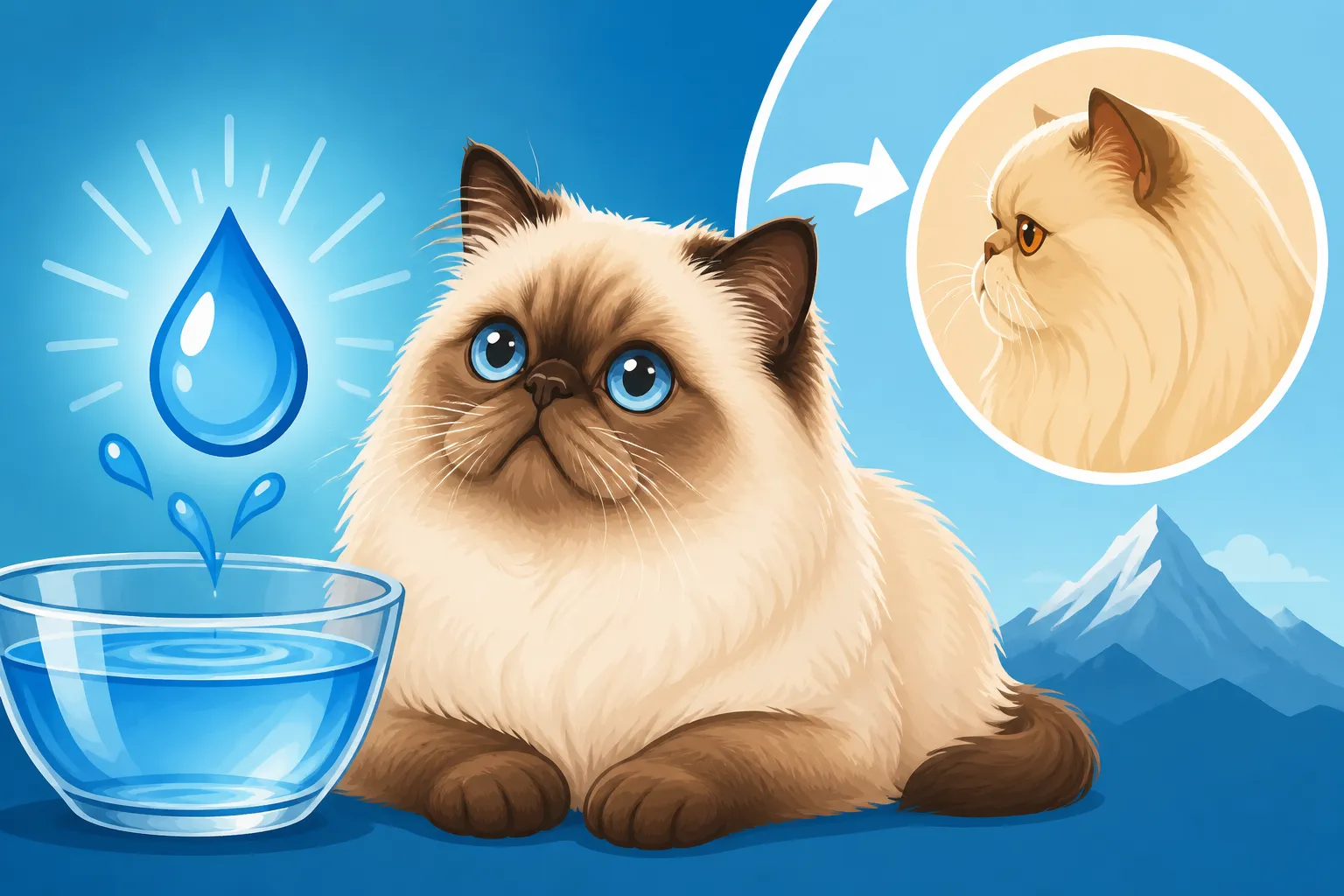
Now, let's connect this back to that worrisome increase in your cat's water intake. When a Himalayan's kidneys are compromised by PKD, one of the earliest and most common signs is an inability to properly concentrate urine. Healthy kidneys produce a concentrated urine, meaning they efficiently reabsorb water back into the body. However, kidneys affected by PKD lose this ability, resulting in the production of large volumes of dilute urine. To compensate for the excessive fluid loss through urination, your cat's body signals it needs more water, leading to increased thirst, medically known as polydipsia. So, if you're constantly refilling the water bowl and noticing more trips to the litter box, this physiological response to impaired kidney function is often the direct culprit. It's the body's attempt to maintain hydration, but it's also a stark warning sign that something serious might be amiss with those crucial organs.
Other Symptoms Beyond Thirst to Watch For
While increased thirst and urination are hallmark signs of potential kidney issues, they are often accompanied by a host of other symptoms as PKD progresses. It's crucial for vigilant owners to recognize these, as they collectively paint a clearer picture of your cat's internal struggles. You might notice a general lack of energy or lethargy; your once playful companion might become more subdued and less interested in interaction. Weight loss, despite a seemingly normal appetite (though appetite often decreases as the disease advances), can also occur as the body struggles to process nutrients. A dull, unkempt coat is another common indicator, as a sick cat often stops grooming itself meticulously. Additionally, you might observe vomiting, a decreased appetite, or even a sudden pickiness about food. Bad breath, due to the buildup of toxins that the kidneys can no longer filter, can also become apparent. These subtle (and not-so-subtle) changes, when combined with increased thirst, should prompt an immediate call to your veterinarian. Early intervention can make a significant difference in managing this challenging condition.
Taking Action: When to Consult Your Vet
Noticing any of the symptoms discussed, especially increased thirst, is a clear signal that it's time to act. It’s easy to dismiss these changes, thinking they might be due to warmer weather or just your cat being a little finicky. However, with a Himalayan, whose Persian lineage carries known predispositions like PKD, excessive thirst should never be ignored or considered normal. Prompt veterinary attention is absolutely crucial for proper diagnosis and management.
The Importance of Timely Veterinary Consultation
When your Himalayan starts drinking more, it's not a "wait and see" situation. This is a red flag that warrants an immediate visit to your veterinarian. They will start with a thorough physical examination, feeling the kidneys for any abnormalities, though small cysts can be difficult to detect this way. The next steps usually involve a series of diagnostic tests. Blood work, specifically a chemistry panel, will assess kidney function by checking values like BUN (Blood Urea Nitrogen) and creatinine, which are waste products that build up in the blood when kidneys aren't functioning optimally. A complete urinalysis will evaluate urine concentration, look for protein, and check for any signs of infection.
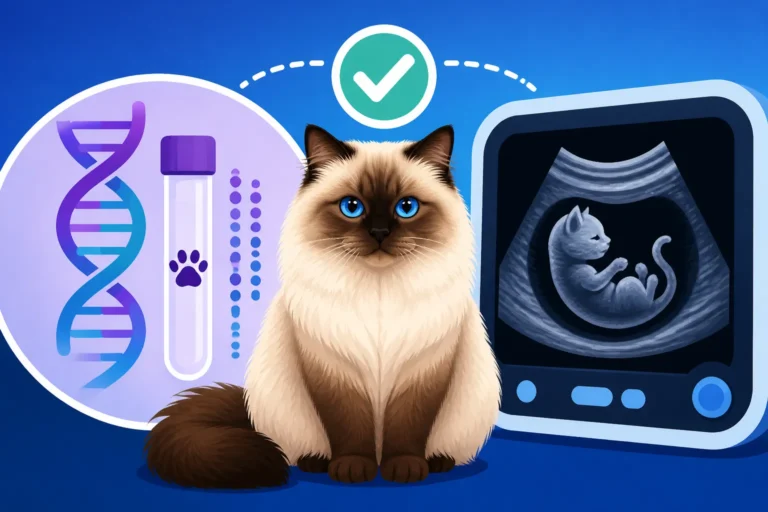
The gold standard for diagnosing PKD, however, is an ultrasound of the kidneys. This imaging technique allows your vet to visualize the kidneys directly, revealing the presence, size, and number of cysts. It provides a definitive diagnosis and helps establish the stage of the disease. Regular monitoring of How a Himalayan's Kidney Numbers Are Tracked From Five can help catch issues early. A good pet insurance plan, like those offered by Healthy Paws, can be incredibly beneficial for covering the costs of these diagnostics and ongoing treatments, ensuring you can always make the best choices for your cat's health without financial strain becoming a barrier.
Genetic Testing and Management Strategies
Beyond physical exams and imaging, genetic testing plays a pivotal role in understanding and managing PKD in Himalayans. A simple cheek swab can be sent to a specialized lab to determine if your cat carries the PKD1 gene mutation, even if cysts aren't yet visible on an ultrasound. This genetic test is definitive and can confirm carrier status, affected status, or that your cat is clear of the gene. Understanding How a Himalayan Is Swabbed for the Persian Kidney Gene is important for any breeder or owner looking to ensure the health of their lineage.
If your Himalayan is diagnosed with PKD, either through genetic testing or ultrasound, the focus shifts to management. While there's no cure for PKD, its progression can often be slowed, and your cat's quality of life significantly improved with proper care. This often includes a prescription renal diet, which is specially formulated with controlled protein and phosphorus levels to reduce the workload on the kidneys. Your vet might also recommend subcutaneous fluids administered at home, especially as kidney function declines, to help flush toxins and maintain hydration. Medications to manage symptoms like nausea, high blood pressure, or anemia may also be prescribed. Living with a cat affected by this condition means understanding Which Renal Diet a Cyst Positive Himalayan Ends Up On and making consistent efforts to support their health. It's a commitment, but one that can grant your beloved companion more comfortable, longer days.
Proactive Care and Long-Term Well-being for Your Himalayan
Taking proactive steps is not just about reacting to symptoms; it's about setting your Himalayan up for the longest, happiest life possible, especially given their specific genetic predispositions. Prevention and early detection are truly your best allies in navigating the potential health challenges that come with their unique heritage.
Why Regular Check-ups are Crucial
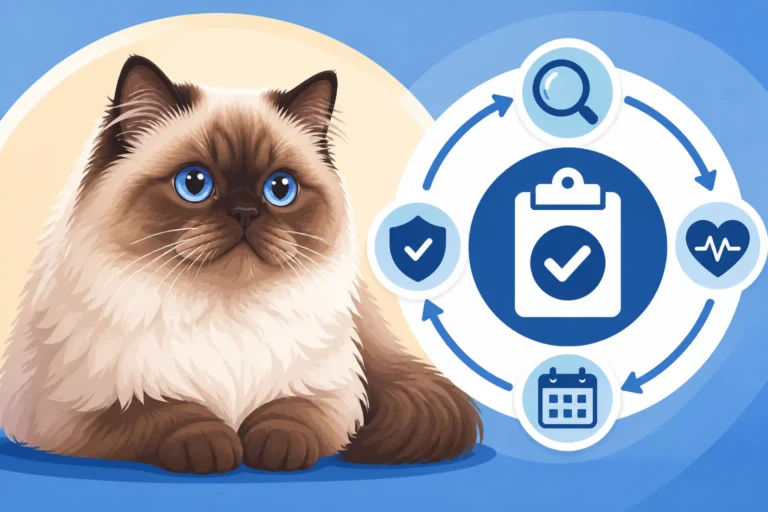
Just like humans, regular veterinary check-ups are the cornerstone of good health for your Himalayan. Even if your cat seems perfectly fine, annual (and often semi-annual for older cats) visits allow your vet to catch subtle changes that you might miss at home. These appointments are vital for screening for conditions like PKD before they become advanced. For Himalayans, these check-ups often involve not just a general physical, but also monitoring their weight, listening to their heart and lungs, and performing routine blood and urine tests. Specifically, after your Himalayan reaches about eight years old, it's highly recommended to start performing routine blood panels to track kidney function, electrolytes, and other indicators of health. This way, any upward trend in kidney values can be flagged early, allowing for interventions long before clinical signs appear. Understanding What a Himalayan's Yearly Bloods Should Cover After Eight can help you have informed conversations with your vet and advocate for your cat's health. Pet insurance like Healthy Paws can help cover these routine screenings and any unexpected diagnostics, giving you peace of mind.
Supporting Your Himalayan's Kidney Health
Beyond vet visits, there's a lot you can do at home to support your Himalayan's kidney health. Hydration is paramount. Encourage your cat to drink plenty of water by providing multiple water bowls in various locations, perhaps trying different types (ceramic, stainless steel). Many cats prefer running water, so a pet water fountain can be a fantastic investment. Wet food is also incredibly beneficial as it significantly increases their daily water intake compared to an exclusively dry kibble diet. This is especially true when considering Why Water Matters More in a Himalayan Carrying Cysts.
Maintaining a stable, low-stress environment is also important, as stress can impact overall health. Ensure they have comfortable, quiet spaces to retreat to. Providing appropriate enrichment through gentle play that doesn't overexert them, especially if they are getting older, is also key. Remember, Himalayans are not the most active cats anyway, preferring quiet companionship, so tailored play sessions are ideal.
Understanding the Life with a PKD Positive Himalayan
Receiving a PKD diagnosis can be heartbreaking, but it's important to remember that it's not an immediate death sentence. Many Himalayans with PKD can live fulfilling lives for years with diligent management. The key is working closely with your veterinarian to establish a comprehensive treatment plan that evolves with your cat's needs. This often means consistent medication schedules, careful dietary management, and regular monitoring of their kidney values. You'll learn to administer subcutaneous fluids at home, become adept at recognizing subtle changes in their behavior or appetite, and adjust their routine as necessary. It's truly about embracing the journey of Living With a Himalayan That Inherited the Persian Kidney Gene. While it can be challenging, the bond you share with your cat makes every effort worthwhile. While kidney failure is ultimately progressive, proactive care can often extend their comfortable lifespan significantly, far beyond what might be expected without intervention. It's a testament to dedicated care that many Himalayans can still enjoy The Nine to Fifteen Years a Himalayan Usually Gets, even with this condition. Knowing How Kidney Failure Arrives in a Himalayan Past Twelve can also help prepare you for what to expect in later years.
Disclaimer
This article is intended for informational purposes only and does not constitute veterinary advice. Always consult with a qualified veterinarian for any health concerns or before making any decisions related to your pet's health and treatment.