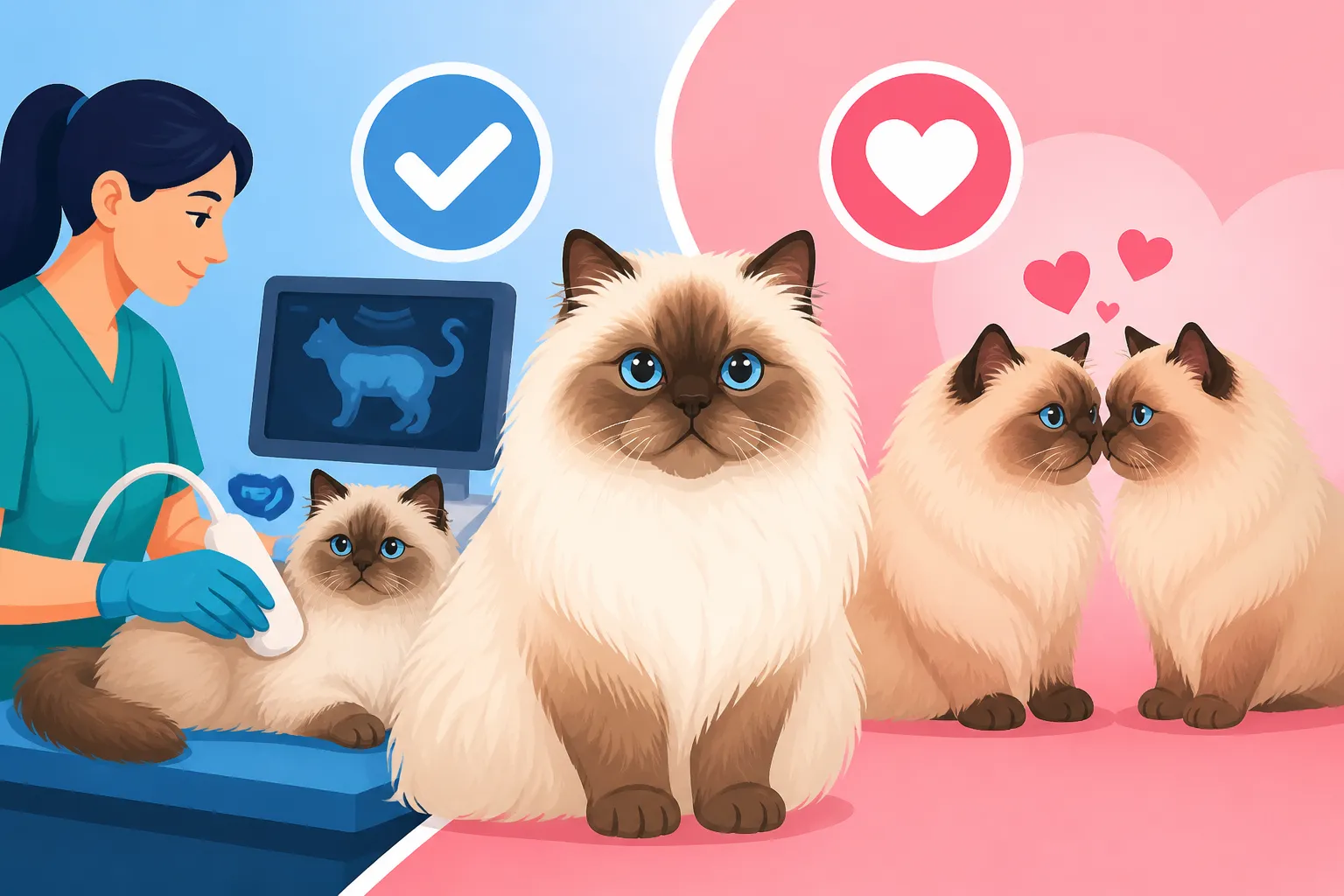
Whether a Himalayan Is Scanned Before It Is Bred
Bringing a beautiful Himalayan cat into your home is a joyous occasion, but it's often clouded by concerns about inherited health issues that can plague this stunning breed. Many prospective owners grapple with whether the kittens they’re considering come from lines rigorously tested for common genetic diseases. This guide aims to pull back the curtain on the critical importance of pre-breeding health scans for Himalayans, empowering you to understand what responsible breeders must do to safeguard these wonderful cats.
The Crucial Role of Health Screening in Himalayan Breeding
The Himalayan cat, with its luxurious coat and distinctive color points, inherits a rich genetic tapestry from its Persian and Siamese ancestors. While this blend gave us their captivating appearance and gentle demeanor, it also means they are predisposed to certain inherited health conditions. Responsible breeding isn't just about creating beautiful kittens; it's fundamentally about producing healthy ones, and that starts long before conception with comprehensive health screening of the parent cats.
Understanding Inherited Conditions in Himalayans
Before a Himalayan cat is considered for breeding, it's absolutely paramount that its genetic health is thoroughly evaluated. This isn't just a suggestion; it's an ethical imperative. Many of the most concerning health problems in Himalayans are hereditary, meaning they are passed down from parent to offspring. Without proper screening, breeders risk perpetuating these debilitating conditions, causing heartache for future owners and suffering for the cats themselves.
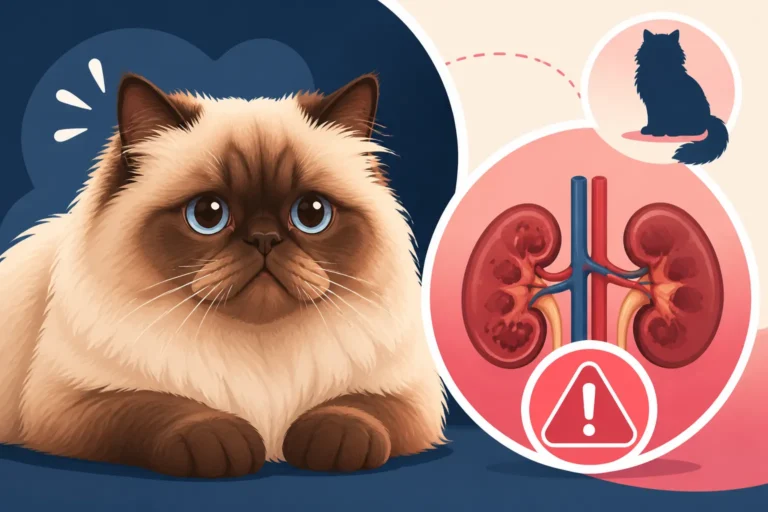
One of the most well-known and critical conditions is Polycystic Kidney Disease (PKD). This is a progressive genetic disorder where cysts form in the kidneys, gradually enlarging and ultimately leading to kidney failure. PKD is particularly prevalent in Persian lines, and since Himalayans share their Persian heritage, they are also susceptible. It’s a truly insidious disease because a cat can appear perfectly healthy for years, only for the cysts to quietly grow and cause irreversible damage. The thought of bringing home a kitten only for it to suffer from kidney failure in its prime is a nightmare no owner wants to face.
Another significant inherited eye condition is Progressive Retinal Atrophy (PRA). This genetic disease causes the degeneration of photoreceptor cells in the retina, leading to progressive vision loss and eventually blindness. Like PKD, PRA is often a silent threat in its early stages. Imagine your beloved companion slowly losing their sight, navigating a familiar world that becomes increasingly hazy and then dark. It's a heartbreaking reality for cats from untested lines. You might be interested in learning more about How Retinal Atrophy Blinds a Himalayan by Five.
Then there's Hypertrophic Cardiomyopathy (HCM), which is the most common heart disease in cats. HCM causes the muscular walls of the heart's main pumping chamber to thicken, reducing its efficiency and potentially leading to heart failure, blood clots, or sudden death. While not exclusively tied to the Persian side, many cat breeds, including the Himalayan, can be affected. The suddenness of HCM's impact can be devastating, leaving owners reeling from a loss they never saw coming.
Why Pre-Breeding Scans Are Essential for Responsible Breeders
For any breeder truly dedicated to the welfare of their cats and the future of the breed, pre-breeding health scans are non-negotiable. These scans and genetic tests are the primary tools to identify if a potential parent cat carries or is affected by these devastating conditions before they can pass them on to an entire litter of kittens. It’s about being proactive rather than reactive, preventing suffering before it even begins.
When breeders skip these vital steps, they are, knowingly or unknowingly, gambling with the health of every kitten they produce. This isn't just a moral failing; it's a huge disservice to the breed itself, contributing to the spread of genetic diseases and potentially shortening the lifespan of generations of Himalayans. The long-term impact on the breed's gene pool can be dire, making it harder for all breeders to find healthy, viable breeding stock in the future.
Ethical breeders understand that their responsibility extends far beyond the sale of a kitten. They are guardians of the breed, committed to improving health and temperament. This commitment is visibly demonstrated through their rigorous health screening protocols. They invest the time and money into testing because they know it directly translates to healthier, happier cats for prospective owners. This due diligence also provides peace of mind for the buyer, knowing that their new family member has the best possible start in life, free from preventable inherited diseases.
Specific Scans and Tests for Breeding Himalayans
Understanding why pre-breeding scans are important is one thing; knowing what specific tests are performed is another. Responsible Himalayan breeders utilize a combination of genetic tests and veterinary imaging to ensure their breeding cats are as healthy as possible. These tests target the most prevalent inherited conditions and provide crucial information about a cat's genetic makeup and physical health.
Polycystic Kidney Disease PKD Screening: Ultrasound vs. Genetic Test
When it comes to PKD, modern science has given us incredibly effective tools. The gold standard for identifying a cat's status for PKD is a DNA genetic test. This is a simple, non-invasive cheek swab that can determine if a cat carries the PKD1 gene mutation. Since PKD in Himalayans is typically inherited in an autosomal dominant fashion, only one copy of the faulty gene is needed for a cat to be affected and capable of passing it on. This means a breeder only needs to test once for each breeding cat, and the results are conclusive for life.
Many breeders swear by the genetic test because it's definitive. If a cat tests "PKD negative" or "clear," it means they do not carry the gene mutation and cannot pass PKD to their offspring. This is incredibly powerful for eliminating the disease from a breeding line. You can learn more about Why a Cheek Swab Clears a Himalayan for PKD.
However, an ultrasound scan of the kidneys is also historically and sometimes currently used. An ultrasound can visualize the kidneys and detect the presence of cysts. While incredibly useful, especially before the widespread availability of genetic testing, it has limitations. Cysts can be very small in young cats and may not be detectable until the cat is older. This means a young cat could have a "clear" ultrasound but still carry the PKD1 gene and develop cysts later, or even pass the gene to offspring before cysts are visible. Therefore, while an ultrasound can confirm the presence of cysts, the genetic test is superior for screening breeding animals, as it identifies the gene itself, regardless of whether cysts are yet visible. A truly responsible breeder will rely on the genetic test as the primary screening tool for PKD, though an ultrasound can still provide valuable supplementary information, especially for cats whose genetic history is unknown or for confirming cyst development. For a deeper dive, check out How to Read a Himalayan's PKD Certificate and Why an Ultrasound Still Backs Up a Himalayan's Gene Test.
Retinal Atrophy PRA Screening: Ophthalmic Exams and Genetic Testing
Just like with PKD, screening for Progressive Retinal Atrophy (PRA) also involves both physical examination and genetic testing. For PRA, there are specific DNA tests available for the forms known to affect certain Persian lines, and thus Himalayans. These genetic tests identify the specific mutations responsible for PRA, allowing breeders to definitively know if a cat is clear, a carrier, or affected. A clear result means the cat does not carry the gene and cannot pass it on, while a carrier carries one copy and an affected cat has two copies, indicating they will develop the disease.
In addition to genetic testing, a thorough ophthalmic examination performed by a veterinary ophthalmologist is a critical part of the screening process. This involves a detailed eye exam to look for any signs of retinal degeneration or other ocular abnormalities. While a physical exam might not detect the very early stages of a genetically predisposed condition before vision loss is apparent, it can catch other issues and, combined with genetic testing, provides a comprehensive picture of a cat's eye health. Breeders should obtain a certificate from a qualified ophthalmologist, ideally one affiliated with organizations like the Orthopedic Foundation for Animals (OFA) or the European College of Veterinary Ophthalmologists (ECVO), documenting the cat's eye health status. This dual approach ensures both genetic predisposition and current physical health are assessed. You might find our post on Which Test Clears a Himalayan's Eyes helpful here.
Hypertrophic Cardiomyopathy HCM Screening: Echocardiograms
Screening for Hypertrophic Cardiomyopathy (HCM) is primarily done through an echocardiogram, which is an ultrasound of the heart. This specialized cardiac scan allows a veterinary cardiologist to visualize the heart's structure and function, measuring the thickness of the heart walls and assessing blood flow. Because HCM can be progressive and sometimes develops later in life, breeding cats typically need to be screened regularly, often annually, especially while they are actively breeding.
An experienced cardiologist will look for any thickening of the left ventricular wall or other structural changes indicative of HCM. Cats diagnosed with HCM should absolutely be removed from a breeding program to prevent passing this serious heart condition to their offspring. While genetic tests for HCM exist for some other breeds (like the Maine Coon and Ragdoll), the specific genetic mutations for HCM in Himalayans are not as clearly defined or widely available as a definitive genetic test for breeding decisions like PKD. Therefore, regular echocardiograms remain the most crucial screening tool for HCM in Himalayans. This testing helps ensure that parent cats have healthy hearts, significantly reducing the risk of producing kittens who will suffer from this life-threatening condition. Knowing Whether HCM Reaches the Himalayan From Either Side can give you more context.
The Consequences of Skipping Pre-Breeding Health Scans
It might seem tedious or expensive for a breeder to perform all these tests, but the consequences of not doing them are far greater, impacting both individual kittens and the broader Himalayan breed. Skipping these crucial steps is not just irresponsible; it's a profound disservice to the animals and the people who will eventually love them.
Health Risks for Offspring and Genetic Legacy
When breeders bypass pre-breeding health scans, they create a ticking time bomb for the kittens they produce. If a parent cat carries a gene for PKD or PRA, for instance, there's a significant chance that its offspring will inherit the disease. For PKD, a kitten born to an affected parent has a 50% chance of inheriting the condition. This means that a significant portion of a litter could develop chronic, painful, and ultimately fatal kidney disease. The emotional toll on an owner who watches their cherished pet decline prematurely is immense, let alone the financial burden of veterinary care, which can quickly become astronomical. Providers like Healthy Paws offer pet insurance, which can certainly help mitigate these costs, but nothing can replace the heartache of a sick pet.
The ramifications extend beyond a single litter. Each affected kitten has the potential to become a carrier themselves if bred without testing, perpetuating a vicious cycle that weakens the breed's genetic integrity. Before widespread genetic testing, PKD was a much larger problem in Himalayan lines, with many cats suffering needlessly. Learning about What PKD Did to Himalayan Lines Before the Gene Test highlights the historical challenges faced by the breed. Responsible breeders are actively working to eradicate these diseases, but irresponsible practices undermine these efforts. It's a sobering thought that How Many Himalayan Lines Still Carry PKD could be significantly reduced if every breeder committed to comprehensive testing.
Ethical Responsibilities of Himalayan Breeders
A truly ethical Himalayan breeder carries a heavy responsibility to the breed and to their kitten buyers. This responsibility mandates transparency, honesty, and a steadfast commitment to health. They understand that bringing new life into the world requires diligence and a proactive approach to genetic health. A breeder who scoffs at health testing, or dismisses it as unnecessary, is signaling a fundamental misunderstanding or disregard for their ethical obligations.
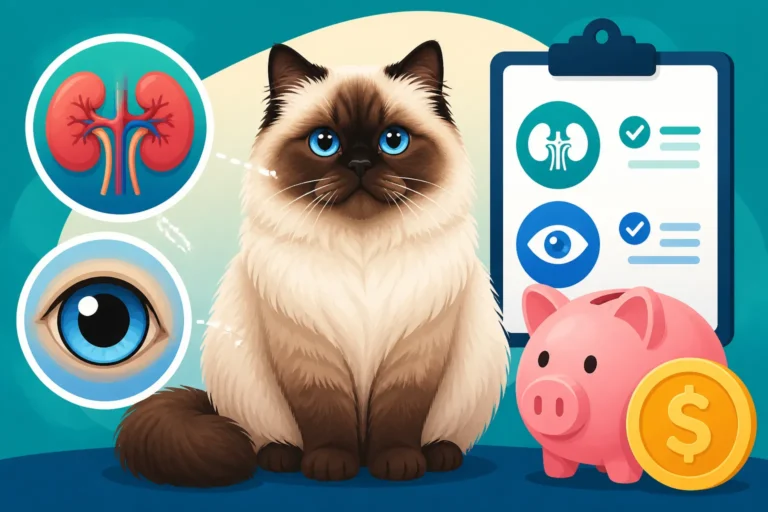
Responsible breeders will readily provide documentation of health clearances for both parent cats. This includes official certificates from laboratories for genetic tests (like PKD and PRA) and reports from board-certified specialists for imaging tests (like HCM echocardiograms). They should be willing to discuss their testing protocols in detail, explain the implications of different results, and be completely open about the health history of their breeding lines. They won't just offer you a kitten; they'll offer you peace of mind, backed by verifiable evidence. For instance, knowing Which Two Certificates a Himalayan Breeder Owes You can help you determine what to ask for. The commitment extends to providing ongoing support and being available for questions, long after the kitten has gone to its new home. It’s this level of dedication that differentiates a reputable, ethical breeder from someone simply looking to make a quick profit. The question of Why a Himalayan Breeder Should Test Eyes as Well as Kidneys underscores this holistic approach to health.
What Prospective Owners Should Ask and Look For
As a prospective owner, you are the first line of defense for a Himalayan kitten. It's up to you to ask the right questions and insist on seeing the proper documentation. Don't be shy or feel embarrassed to inquire about health testing; a reputable breeder will welcome your questions and be eager to provide all the information you need. This process is about making an informed decision and ensuring you're supporting ethical breeding practices.
Verifying Breeder Claims and Health Documentation
When you're speaking with a potential breeder, one of your absolute top priorities should be to ask about their health testing protocols. Specifically, inquire about testing for Polycystic Kidney Disease (PKD), Progressive Retinal Atrophy (PRA), and Hypertrophic Cardiomyopathy (HCM). Don't just take their word for it; politely request to see the actual certificates. For PKD, ask for the genetic test results – a simple "clear" from a lab like Optimal Selection or UC Davis is what you want to see for both parents. Learn more about How to Check a Himalayan's Kidney Certificate Is Real to ensure authenticity.
For PRA, again, look for genetic test results confirming both parents are clear or, at the very least, not affected (carriers can still be bred responsibly if mated with a clear cat, but full transparency is key). For HCM, request to see echocardiogram reports signed by a board-certified veterinary cardiologist, indicating the parents are free of HCM. Pay attention to the date of the scan – for active breeding cats, these should be relatively recent, ideally within the last year, as HCM can develop over time. A reputable breeder will have these documents organized and readily available, often showing them during your visit or sending copies electronically. If a breeder is evasive, hesitant, or claims testing isn't necessary, consider that a major red flag and walk away.
Signs of a Reputable Himalayan Breeder
Beyond health testing, there are several other indicators that point to a truly reputable Himalayan breeder. First and foremost is transparency. A good breeder will be open about everything: their breeding philosophy, the health history of their lines, their cattery environment, and how their kittens are raised. They should ask you plenty of questions too, ensuring that their kittens are going to loving, responsible homes.
The environment where the kittens are raised is crucial. A reputable breeder's home or dedicated cattery should be clean, safe, and provide plenty of enrichment for the kittens. The kittens themselves should appear healthy, well-socialized, playful, and unafraid. They should have bright, clear eyes, clean noses, and soft, well-maintained coats. Avoid breeders who have multiple litters at once, or whose cats seem timid or unwell.
Furthermore, a reputable breeder focuses on the health and temperament of their cats above all else, not on producing "rare" colors or extreme features solely for profit. Be wary of breeders who advertise kittens with unusually low prices or make exaggerated claims about rarity; often, these are signs that corners have been cut, particularly in health testing. A breeder who values the well-being of their cats will prioritize health and ethical practices, understanding that the initial investment in testing and proper care is essential for the long-term health of the breed. For instance, Why a Himalayan Advertised as a Rare Point Is a Warning and Why a Doll Face Himalayan Breeders Charge More often hint at less responsible practices focused on aesthetics rather than health. They should also provide a comprehensive health guarantee and a contract outlining their responsibilities and yours.
| Condition | Type of Test(s) | Why It's Crucial | Key Outcome for Breeding |
|---|---|---|---|
| Polycystic Kidney Disease (PKD) | DNA Genetic Test (cheek swab), Ultrasound (supplementary) | Prevents progressive kidney failure, a common issue from Persian lineage. | "Clear" parents eliminate PKD from offspring; "Affected" cats should not be bred. |
| Progressive Retinal Atrophy (PRA) | DNA Genetic Test, Ophthalmic Exam | Avoids progressive blindness and ensures good ocular health. | "Clear" parents prevent PRA; "Affected" cats should not be bred. |
| Hypertrophic Cardiomyopathy (HCM) | Echocardiogram (heart ultrasound) | Detects heart muscle thickening, reducing risk of sudden heart failure. | "Clear" scan indicates healthy heart; "Affected" cats should not be bred. |
| Brachycephalic Airway Syndrome (BAS) | Physical Examination, X-rays (if severe) | Assesses respiratory health, critical for flat-faced breeds like Himalayans. | Identifies cats with severe breathing issues, which should not be bred. |
| Patellar Luxation | Physical Examination | Checks for kneecap dislocation, impacting mobility and quality of life. | Identifies structural soundness; severely affected cats should not be bred. |
Disclaimer
Please remember that this information is for educational purposes only and should not replace professional veterinary advice. Always consult with a qualified veterinarian regarding your cat's health and any specific concerns.