Why Skin Infections Recur Under a Himalayan’s Coat
The struggle with recurring skin infections under your beloved Himalayan's magnificent coat is a source of constant frustration and worry for so many owners. You spend hours grooming, you watch their every scratch, and yet, those red, irritated patches keep coming back, often hidden away until they're a bigger problem. It's a disheartening cycle that leaves you wondering what you're doing wrong and how to give your fluffy companion lasting relief. This comprehensive guide will peel back the layers – quite literally – to explore the common culprits behind these stubborn skin issues and equip you with practical strategies to break the cycle and keep your Himalayan's skin healthy and happy.
The Unique Challenges of the Himalayan Coat and Skin
This breed's signature long, dense coat, while undeniably beautiful and a huge part of their charm, is also a double-edged sword when it comes to maintaining healthy skin. It's not just a superficial layer; it creates a very specific microclimate that can, unfortunately, be surprisingly hospitable to problems if not managed meticulously. Owners often feel like they're battling an invisible enemy under all that fluff, and they're not wrong – the coat itself can contribute significantly to the problem.
A Dense Undergrowth: Trapping Moisture and Debris
The Himalayan boasts a truly luxurious double coat, inherited from its Persian lineage. This includes a long, flowing outer guard coat and a remarkably thick, woolly undercoat. While this undercoat is fantastic for keeping them toasty warm, especially in colder climates, it's also incredibly efficient at trapping virtually everything you don't want near their delicate skin. Think about it: moisture from humidity or inadequate drying after a bath, loose fur that sheds but doesn't fall out, everyday dirt, pet dander, and even microscopic environmental allergens can all get caught in this dense layer.
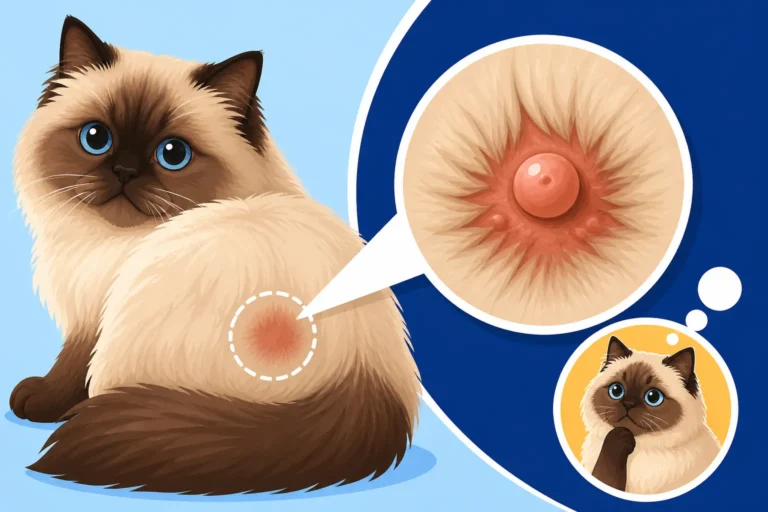
Imagine a damp, warm blanket constantly pressed against their skin; that's precisely the kind of environment a dense, unkempt Himalayan coat can inadvertently create. This humid, occluded space is practically an open invitation for opportunistic bacteria and yeast to multiply beyond their normal levels. The result can be everything from irritating hot spots and fungal infections to more serious bacterial skin conditions that seem to pop up out of nowhere. It's a prime example of Why a Himalayan's Coat Hides a Wound for Days can be such a common and frustrating reality for owners, as problems can fester unseen until they're quite advanced.
Reduced Airflow and Overheating Risks
That magnificent volume of fur doesn't just trap things; it also drastically limits the natural air circulation that reaches your cat's skin. This isn't just about your Himalayan's comfort; it's a profound factor in their overall skin health. Poor airflow means that any moisture – whether from a quick drink, a grooming session, or simply ambient humidity in the air – lingers much longer on the skin. This prolonged dampness is exactly what yeast and bacteria love.
Furthermore, restricted airflow means their skin can easily overheat, particularly during warmer months or if your Himalayan, despite their generally placid nature, manages to get a burst of activity. Overheating can lead to increased oil production on the skin, which then mixes with trapped moisture and debris, creating a sticky, potentially irritating environment. This situation, often exacerbated by a warm house, means they are uniquely susceptible to skin issues. It’s also important to consider How to Cool a Long Coated Himalayan in Summer, as heat stress can trigger or worsen skin problems.
Grooming Hurdles: Reaching the Skin Beneath the Fluff
Regular, consistent grooming is absolutely non-negotiable for a Himalayan, but let's be realistic – it's far from a simple, quick brush-through. Their long, fine hair, especially the undercoat, mats incredibly easily. These mats typically form in high-friction areas like the armpits, behind the ears, under the chin, and particularly around their hindquarters, often referred to as the "britches." These mats are more than just an aesthetic issue; they physically pull at the skin, causing discomfort and pain, restricting movement, and creating impenetrable fortresses where dirt, moisture, and pathogens can hide and fester.
Trying to comb out a stubborn mat without further irritating the sensitive skin underneath is a delicate dance, often requiring immense patience from both you and your cat. If left unaddressed for even a short period, a single missed day can indeed result in Why a Missed Day Costs a Himalayan a Mat, which then compounds the problem. Many well-meaning owners find they're effectively just brushing the top layer of fur, leaving the critical undercoat untouched and allowing problems to brew unseen against the skin. The sheer volume and density of their coat make it a Herculean task to ensure every single inch of skin is thoroughly checked for redness, bumps, crusts, or any other signs of irritation.
Common Culprits Behind Persistent Skin Irritations
Beyond the inherent structural challenges posed by their magnificent coat, several underlying factors frequently contribute to why Himalayans often experience recurring skin infections. It’s rarely just one thing; more often, it's a complex interplay of environmental, allergic, and sometimes even dietary elements, all conspiring to make your cat's skin an unhappy place. Identifying these root causes is crucial for effective long-term management.
Allergies: The Invisible Irritant
Just like us, cats can suffer from frustrating allergies, and for many, the primary symptom manifests as intensely itchy, irritated skin. These allergies can come in a few common forms. Environmental allergies, often referred to as atopy, are triggered by airborne substances like pollen from trees, grasses, or weeds, common household dust mites, or even mold spores. Food allergies, on the other hand, react to specific proteins or ingredients found in their diet. And then there are flea allergies, where a single bite from one tiny flea can send an exquisitely sensitive cat into an uncontrollable, itching frenzy.
When a Himalayan is constantly scratching, licking, or biting at themselves due to these allergens, they inadvertently break the skin's natural protective barrier. This creates tiny abrasions and wounds that are then ripe for secondary bacterial or yeast infections. It’s a truly vicious cycle: the allergen causes the itch, the itch causes physical trauma to the skin, that trauma leads to infection, and the infection then makes the itch even worse, perpetuating the cycle. This constant irritation can be particularly hard to detect, as Whether Ringworm Hides in a Himalayan's Undercoat, and other fungal or bacterial issues can hide equally effectively within the dense fur. If you're managing recurring allergy-related skin issues, having pet insurance from a provider like Healthy Paws can often help cover the diagnostic testing and ongoing treatment costs once a condition like atopy is diagnosed.
Yeast and Bacterial Overgrowth
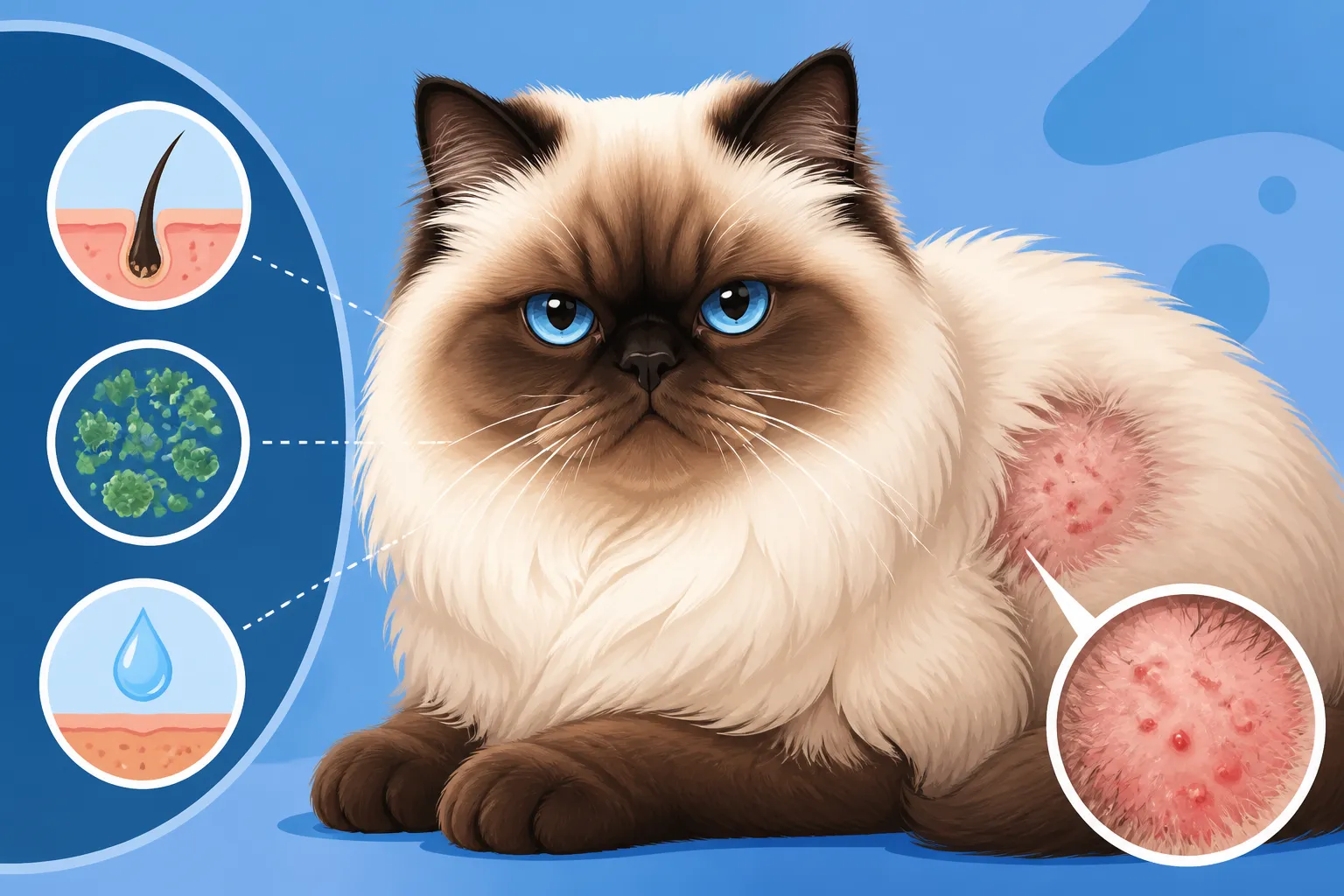
As we touched on earlier, the unique environment created under a Himalayan's coat – warm, moist, and with limited airflow – is an open invitation for yeast, primarily Malassezia, and various bacteria, especially Staphylococcal species, to multiply excessively. These microorganisms are natural inhabitants of a cat's skin, typically living in harmony without causing problems. However, an imbalance – often triggered by underlying allergies, prolonged moisture exposure, a compromised skin barrier, or even stress – allows them to take over and cause trouble.
Yeast infections commonly result in greasy, reddish, intensely itchy skin that often has a distinctive sweet, sometimes musty odor. Bacterial infections, often diagnosed as pyoderma, can manifest as angry red bumps, small pustules, crusts, scabs, and general redness. These conditions are incredibly uncomfortable and irritating for the cat and can spread rapidly if not addressed promptly. The thick fur makes it incredibly difficult for owners to spot these early warning signs, allowing the infections to become deeply entrenched before they're noticed. This is precisely why Why a Himalayan's Ruff Hides an Abscess or other localized skin infections until they've become quite advanced and visibly painful.
Improper Grooming and Maintenance
Let's be clear: this isn't about blaming diligent owners. Instead, it's about acknowledging the sheer difficulty and demands of properly maintaining a Himalayan's magnificent coat. Infrequent or inadequate brushing routines are a leading cause of mat formation, which, as discussed, creates tight, unforgiving pockets that rub and pull at the skin, causing significant irritation. These mats effectively act like a bandage, trapping moisture against the skin and completely blocking crucial air circulation, leading directly to inflammation and infection.
Beyond mats, other grooming practices can unwittingly contribute to the problem. Using the wrong type of brush or comb that doesn't penetrate the undercoat, bathing too frequently (which can strip the skin of its natural protective oils), or, perhaps most critically, not thoroughly drying the coat down to the skin after a bath can all exacerbate skin issues. For instance, if you don't dedicate enough time to daily combing, you might miss the developing mat that will eventually pull at the skin, making it prone to various issues. Furthermore, neglecting specific areas, particularly the sanitary regions or "britches," can lead to significant problems. Why a Himalayan's Britches Need Trimming is crucial because fecal matter and urine can easily cling to the long fur in this area, leading to severe skin irritation, dermatitis, and bacterial infections if not kept meticulously clean and short.
Proactive Care and Management Strategies
Breaking the frustrating cycle of recurring skin infections in Himalayans requires more than just reacting to problems as they arise. It demands a consistent, proactive, and multi-pronged approach that effectively addresses both the unique challenges posed by their glorious coat and any identifiable underlying causes. It's about establishing a routine that supports their skin health every single day.
Mastering the Daily Grooming Routine
This is, without a doubt, the absolute cornerstone of preventing skin issues in any Himalayan. Daily, thorough combing isn't merely about aesthetics or keeping their fur looking pristine; it is a fundamental health imperative. To do it correctly, you absolutely need the right tools: a high-quality metal comb with both wide and fine teeth is indispensable, coupled with a good slicker brush for gently detangling and fluffing. Your technique is equally important: you must start from the skin and work your way outwards, meticulously combing section by section, ensuring that you consistently get through the thick, dense undercoat. Pay extra attention to known problem areas like the armpits, the belly, the area behind the ears, and especially their britches.
If you find yourself constantly battling severe matting or feel overwhelmed, don't hesitate to consider professional grooming for a "lion cut." This isn't just a cosmetic choice; it can effectively "reset" the coat, especially if your cat has reached the point where Why a Matted Himalayan Becomes a Medical Case. A lion cut provides a clean slate, making daily maintenance significantly easier for a period and allowing you to establish a consistent combing routine. Remember, consistency is far more important than intensity; even five to ten minutes of thorough combing every single day is vastly more effective than a rushed, hour-long session once a week that misses the undercoat. How Often a Himalayan Must Be Combed really cannot be stressed enough – it's a daily commitment.
| Grooming Task | Frequency | Purpose | Key Tools |
|---|---|---|---|
| Full Body Combing | Daily | Prevents mats, removes loose undercoat, improves air circulation, inspects skin. | Metal comb (wide & fine), slicker brush |
| Face & Eye Wiping | Daily (AM & PM) | Cleans tear stains, prevents skin folds from becoming damp and irritated, checks eyes. | Soft, damp cloth or pet-safe eye wipes |
| Britches Trim | Monthly/As needed | Prevents fecal/urine matting, reduces skin irritation, maintains hygiene. | Blunt-nosed scissors (use with extreme care!) |
| Nail Trimming | Bi-weekly | Prevents long nails from causing self-trauma during scratching or getting caught. | Cat-specific nail clippers |
| Ear Check & Clean | Weekly | Checks for redness, discharge, odor, or signs of infection. Clean as needed. | Cotton ball/gauze, vet-approved cleaner |
Environmental Control and Allergen Reduction
For Himalayans diagnosed with or suspected of having environmental allergies, actively minimizing their exposure to known triggers can make a profound difference in reducing skin flare-ups. This might involve practical steps such as investing in a high-efficiency particulate air (HEPA) purifier for your home, especially in rooms where your cat spends most of its time. Regularly vacuuming with a pet-specific vacuum cleaner that has good filtration is essential to reduce dust mites, pet dander (even their own!), and other airborne allergens. Washing your cat's bedding frequently in hot water can also help eliminate dust mites. If outdoor pollen is a suspected trigger, wiping down your Himalayan's coat with a damp cloth after they’ve been near an open window can help remove pollen particles before they cause irritation.
Maintaining a cool, dry indoor environment is also critically important for their skin health. Use air conditioning or fans during warmer weather to ensure your Himalayan doesn't get overheated, as The Temperature a Himalayan Starts to Struggle At can exacerbate skin conditions by increasing moisture and inflammation. Reducing humidity can also deter the growth of mold and mildew, which are common allergens. A good pet insurance plan from a provider like Healthy Paws can be incredibly valuable here, as it can help cover the ongoing costs associated with managing chronic environmental allergies, from specialized cleaning products to prescribed medications.
Dietary Adjustments and Skin Supplements
Food allergies are another common and frustrating cause of chronic skin issues in cats. If your veterinarian suspects a food allergy, they will typically recommend a strict elimination diet. This involves feeding your cat a novel protein (one they've never eaten before) or a hydrolyzed protein diet (where proteins are broken down into particles too small to trigger an immune response) for several weeks, followed by a reintroduction phase, to precisely identify and remove the offending ingredient from their diet. This process requires patience but can be incredibly effective.
Even for Himalayans without a diagnosed food allergy, feeding a high-quality, balanced diet rich in essential fatty acids can significantly support overall skin and coat health. Omega-3 and Omega-6 fatty acids, found in sources like fish oil, play a crucial role in maintaining the integrity of the skin's barrier function, reducing inflammation, and promoting a healthy, supple, and less itchy coat. Many veterinarians will recommend specific supplements, such as concentrated fish oil, to provide an extra boost of these beneficial fatty acids. However, always, always consult your vet before making any significant dietary changes or adding new supplements to your cat's regimen, as they can advise on appropriate dosages and potential interactions.
When to Seek Veterinary Intervention
Despite your best efforts and the most meticulous at-home care, some skin issues simply require professional medical attention. Knowing when it's time to stop trying home remedies and pick up the phone to call your veterinarian can prevent a minor irritation from escalating into a serious, painful, and more complicated problem for your beloved Himalayan. Don't underestimate the severity of persistent skin issues.
Recognizing the Red Flags of Infection
It’s crucial not to wait until your Himalayan is overtly miserable, scratching themselves raw, or has large, weeping sores that are impossible to ignore. Early detection is key to a faster and less invasive recovery. Here are some critical early signs to watch for under that glorious fur:
- Persistent scratching, licking, or chewing: Pay close attention if they are constantly focused on a specific area, especially if it seems obsessive.
- Redness, bumps, pustules, or scabs: Even small ones that are hard to spot initially under the thick fur. Feel their skin during grooming; don't just look.
- Hair loss: Noticeable patches of thinning fur, bald spots, or clumps of hair coming out easily.
- Unusual odor: A yeasty, musty, or frankly foul smell emanating from the skin or coat, particularly from areas like the armpits or skin folds.
- Changes in skin texture: Skin that feels excessively oily, greasy, unusually dry, flaky, or thickened.
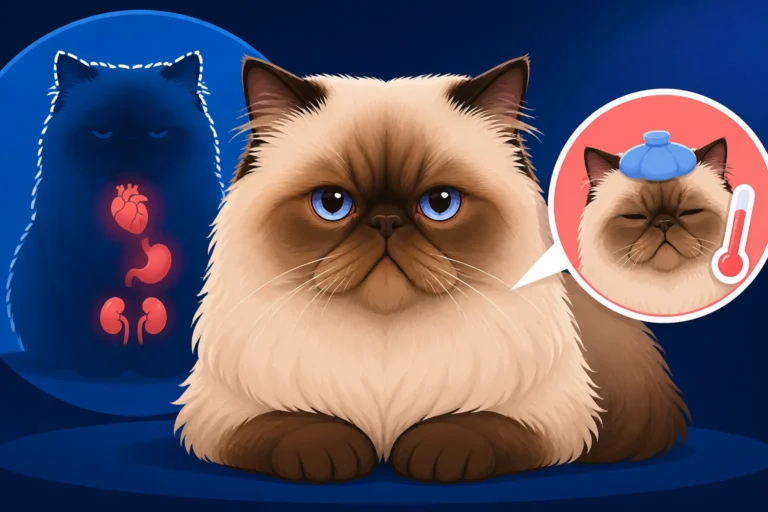
- Lethargy or changes in appetite/behavior: While not direct skin symptoms, these can often indicate your cat is in discomfort, pain, or battling a systemic infection due to the skin issue.
- Any wound or broken skin you might notice hidden by their long fur – remember, Why a Himalayan's Coat Hides a Wound for Days, making visual inspection difficult. Catching these signs early can genuinely make a world of difference in the treatment outcome.
Diagnostic Tools and Treatment Approaches
When you bring your Himalayan to the vet with a history of recurring skin issues, they won't just guess; they'll perform a thorough physical examination and likely recommend a series of diagnostic tests to pinpoint the exact cause. These tests might include superficial skin scrapes (to check for microscopic mites like Demodex), fungal cultures (to accurately identify ringworm if suspected), cytology (a microscopic examination of skin cells to identify excessive bacteria and yeast), or even blood tests (to check for underlying systemic issues, hormonal imbalances, or to further investigate allergies).
Once a diagnosis is made, treatment can vary widely. It might range from targeted topical medications like specialized medicated shampoos, sprays, or wipes designed to kill bacteria or yeast, to oral antibiotics or antifungals for more widespread or severe infections. For allergies, your vet might discuss options such as antihistamines, corticosteroids (used judiciously due to potential side effects), or even advanced immunotherapy (allergy shots or oral drops) to desensitize your cat to specific environmental allergens over time. For cats with chronic health concerns, such as kidney issues, Why a Himalayan's Annual Visit Includes Its Kidneys is essential, as general health can significantly impact skin healing and overall well-being. Having comprehensive pet insurance from a reputable company like Healthy Paws can significantly ease the financial burden of these crucial diagnostic tests and any necessary ongoing treatments, allowing you to focus on providing your cat with the best possible care without undue stress.
The Importance of a Consistent Veterinary Partnership
Managing and ultimately breaking the cycle of recurring skin infections isn't typically a one-and-done veterinary visit; it's often an ongoing process that requires patience, persistence, and, most importantly, a strong, consistent partnership with your veterinarian. They are your best resource for accurately identifying triggers, recommending the most appropriate treatment protocols, and making necessary adjustments to that plan as your cat's condition evolves.
Don't ever hesitate to ask questions, voice your concerns, or report back on what's working (or not working) at home. Your vet understands the unique challenges of the Himalayan breed and can help you develop a tailored, long-term management plan specifically designed to keep your individual cat's skin as healthy and comfortable as possible. This consistent, informed care, especially if your cat also has other chronic health concerns like Living With a Himalayan That Inherited the Persian Kidney Gene, is absolutely vital for their overall well-being and quality of life. Together, you can work towards preventing those frustrating infections from returning, ensuring your Himalayan enjoys a happier, itch-free existence.
Disclaimer
This article is intended for informational purposes only and does not constitute veterinary advice. Always consult with a qualified veterinarian for any health concerns or before making any decisions about your pet's health or treatment plan.