How Often a Himalayan’s Eyes Should Be Examined
One of the biggest worries for any Himalayan cat parent is making sure their beautiful feline companion stays healthy and comfortable. Those striking blue eyes are a hallmark of the breed, but they often come with their own set of unique challenges due to the Himalayan's distinctive facial structure. Knowing how often your Himalayan's eyes need attention, both from you and from a veterinarian, can prevent small issues from becoming serious problems, ensuring your beloved cat lives its happiest, clearest-sighted life.
The Importance of Routine Eye Checks for Himalayans
Let's be real, a Himalayan's eyes are absolutely captivating. Those deep sapphire pools are part of what makes them so special, but that same beauty often comes with a trade-off: vulnerability. The truth is, their unique "peke-face" or "doll-face" structure, while adorable, can lead to a host of eye-related issues that might not be as prevalent in other breeds. This isn't just about aesthetics; it's about their daily comfort and long-term health.
From excessive tearing that leads to unsightly rust-colored stains, to eyelashes that turn inward and irritate the delicate surface of the eye, Himalayans often face challenges that demand a bit more vigilance from us. It’s not fair to them if we don’t pay attention. Just a few moments each day can make a world of difference, catching potential problems before they escalate into something that requires more invasive and costly interventions. Think of it as preventative self-care for your furry friend.
Daily At-Home Checks: What to Look For
Your daily routine with your Himalayan cat should absolutely include a quick peek at their eyes. This isn't just a suggestion; it's a necessity. What you're looking for might seem subtle at first, but with practice, you'll become an expert in your cat's normal eye appearance.
First, observe the overall clarity of their eyes. Are they bright and sparkling, or do they seem dull or cloudy? Look for any signs of discharge. A little clear tear stain is common, but anything excessive, thick, colored (yellow, green), or crusty is a red flag. Check the whites of their eyes—they should be clear, not red or inflamed. Also, pay attention to how open their eyes are. If one eye seems squinted, held partially closed, or your cat is rubbing at it more than usual, something is definitely amiss. This could be a sign of anything from a minor irritation to something more serious like a corneal ulcer, which can be particularly nasty for a blue-eyed cat.
Next, gently part the fur around their eyes. Are the eyelids themselves red or swollen? Do you see any hairs growing inward, touching the surface of the eye? This is a classic sign of entropion, a common issue in brachycephalic breeds. Examine the area under their eyes for tear staining. While some staining is normal, an increase in severity or a sudden onset could indicate blocked tear ducts or an irritation that needs addressing. Don't forget to check the nose fold, if your cat has one; moisture trapped there can lead to skin irritation.
Early Detection: Why It Matters for This Breed
For a Himalayan, early detection isn't just a good idea, it’s critical. Because of their unique anatomy, small problems can become big ones very quickly. For instance, an eyelash rubbing against the cornea might seem minor, but over time it can cause constant irritation, pain, and eventually lead to a corneal ulcer. These ulcers can progress rapidly and, if left untreated, can even lead to vision loss. The very structure of their face, often quite flat, means that their eyes can be more exposed, and tear drainage can be inefficient. This means their eyes are inherently more prone to certain issues.
The longer you wait to address a concern, the more complicated and expensive the treatment often becomes. Something that might have been managed with a simple course of eye drops if caught early could require surgery if allowed to fester. This is also where having reliable pet insurance, like plans offered by Healthy Paws, can really make a difference. Knowing you have support for unexpected veterinary costs can alleviate the stress of seeking prompt medical attention for your cat's eyes. It ensures you can act on those early signs without hesitation. Remember, your Himalayan relies entirely on you to notice these things. They are masters at hiding discomfort, so your observant eye is their best defense.
Understanding Himalayan Eye Health Challenges
Himalayans, being a hybrid breed of Persian and Siamese cats, unfortunately inherit some of the predispositions from their Persian side when it comes to eye health. These aren't just aesthetic quirks; they are genuine medical conditions that need proper management. It’s part of the package when you bring one of these gorgeous cats into your home.
The brachycephalic, or flat-faced, conformation that makes Himalayans so endearing is also the root cause of many of their ocular issues. Their shortened skull means their eye sockets are shallower, and their eyes often appear more prominent or "bulging." This exposure makes them more susceptible to dust, debris, and injury. Additionally, the soft tissue of their eyelids and the structure of their tear ducts can be affected, leading to common problems that require ongoing care.
Breed-Specific Issues: Entropion, Tear Staining, Corneal Ulcers
Let's dive into some of the specific challenges your Himalayan might face:
- Entropion: This is a condition where a portion of the eyelid, usually the lower one, rolls inward, causing the eyelashes and fur to rub directly against the cornea. Imagine having a hair constantly poking your eye – it's incredibly uncomfortable and painful for them. It can lead to chronic irritation, excessive tearing, conjunctivitis, and corneal ulcers. You might notice your cat squinting, blinking excessively, or having a constant discharge. While some mild cases might be managed with lubricating drops, surgical correction is often necessary to provide permanent relief. If you've been wondering What Entropion Does to a Himalayan's Blue Eye, this is a prime example of a condition that really impacts their daily life.
- Tear Staining (Epiphora): This is perhaps the most visible and common issue. Due to their flat faces, Himalayans often have abnormal tear duct drainage or shallow eye sockets that cause tears to overflow onto their fur. These tears, rich in porphyrins (iron-containing molecules), react with light and air to create those distinctive reddish-brown or rust-colored streaks, especially noticeable on lighter-colored coats. While often benign, severe or sudden tear staining could indicate blocked tear ducts, an infection, or even underlying pain from another eye condition. It's a sign that their eyes are constantly moist, which can lead to skin irritation and bacterial growth in the folds. For instance, Why Tear Stains Are Worse on a Cream Bodied Himalayan details just how pronounced this issue can be for certain coat colors.
- Corneal Ulcers: As mentioned, these can be secondary to entropion, but they can also occur from trauma (like bumping into something, or a stray claw during play) or foreign bodies. Because Himalayan eyes are so exposed, they're at higher risk. An ulcer is essentially an open sore on the clear surface of the eye. They are incredibly painful, and your cat will likely squint, rub their eye, and have excessive tearing or discharge. These are veterinary emergencies. If you suspect an ulcer, don't wait; prompt treatment is crucial to prevent further damage or even loss of the eye.
How Often Do These Issues Typically Develop?
The development of these eye issues can vary widely. Tear staining, to some degree, is almost a given for most Himalayans from a young age and often continues throughout their lives. The severity, however, can fluctuate. You might notice it's worse during allergy season or if there's any environmental irritant.
Entropion can become apparent in kittens as young as a few months old, particularly as their facial features develop. Some cases might be mild and not require intervention until later in life, while others need immediate surgical correction to prevent chronic pain and damage. It's not uncommon for it to be diagnosed during their first few puppy/kitten vet visits. It’s definitely something a good breeder will be watching for and transparent about.
Corneal ulcers can happen at any age, whenever a predisposing factor (like entropion) or a traumatic event occurs. They are acute issues, meaning they pop up suddenly. However, the risk of developing them is ongoing throughout a Himalayan's life due to their facial structure and the possibility of chronic irritation. Therefore, continuous vigilance is key. It highlights why understanding How Often a Himalayan's Eyes Should Be Examined is so important throughout their lifespan.
Impact of Their Brachycephalic Flat Face on Eyes
The flat face, while undeniably cute, means their eyes are not recessed as deeply as in other cat breeds. This shallower orbit leaves the eye more exposed, making it literally stick out more. This leads to several potential problems:
- Exposure Keratitis: The eye is more prone to drying out because the eyelids may not fully cover the globe, especially during sleep. This constant exposure to air can irritate the cornea.
- Improper Tear Film Distribution: The shape of the eyelids might not allow tears to spread evenly across the eye, impacting lubrication and protection.
- Tear Duct Obstruction/Kinking: The shortened and often crooked tear ducts struggle to drain tears efficiently, leading to the overflow and staining we discussed.
- Reduced Blink Reflex: Some studies suggest brachycephalic breeds may have a less effective blink reflex, further compromising eye lubrication and protection.
All these factors combine to create an environment where a Himalayan's eyes are perpetually on a higher alert for potential problems compared to a cat with a more conventional snout. It's not just cosmetic; it's a fundamental aspect of their health that needs to be actively managed by their devoted human.
Veterinary Examination Schedule for Himalayan Eyes
Given the unique predispositions of the Himalayan breed, regular veterinary check-ups for their eyes are not just a good idea, they’re essential. You might be a pro at spotting a tear stain, but only a vet can truly assess the internal structures, corneal health, and tear duct function. They have the tools and expertise to see things we simply can't.
Think of it like getting your own annual physical; there are things only a professional can really check out. For Himalayans, those eyes are a critical area that deserves focused attention. Having a structured approach to vet visits specifically for their ocular health can head off many potential issues and maintain their quality of life.
Kittenhood: Initial Checks, Breeder's Role
The very first eye exams for your Himalayan kitten begin even before you bring them home, with the breeder. A responsible breeder will have their kittens thoroughly checked by a veterinarian. During these initial examinations, the vet will look for congenital issues such as severe entropion or any signs of trauma or infection. They'll assess the overall health of the eyes, how the eyelids sit, and the clarity of the cornea.
When you bring your Himalayan kitten home, your own vet will perform a comprehensive initial examination. This is a crucial opportunity to discuss any concerns you have and for your vet to establish a baseline of your kitten's eye health. They'll check for proper tear drainage, ensure the eyelids are positioned correctly, and look for any early signs of irritation. This is often when a discerning vet might point out the potential for tear staining or a developing entropion, allowing you to be proactive with care. Asking your breeder about Which Two Tests Belong on Every Himalayan Pedigree is also a good idea, as some eye conditions can have a genetic component.
Annual Wellness Exams: What the Vet Looks For
For adult Himalayans, annual wellness exams are your primary line of defense for eye health. Even if your cat's eyes seem perfectly fine to you, these yearly check-ups are invaluable. During these appointments, your veterinarian will typically perform a thorough ocular examination that includes:
- Visual Inspection: A close look at the eyelids, eyelashes, conjunctiva (the pink tissue surrounding the eye), and the surface of the cornea. They're checking for redness, swelling, discharge, and proper eyelid conformation.
- Schirmer Tear Test: This measures tear production, which can be important if your cat has dry eye or excessive tearing.
- Fluorescein Stain Test: This involves applying a special dye to the eye. If there's any damage or an ulcer on the cornea, the dye will adhere to it, making the lesion visible under a blue light. This is a quick and effective way to detect corneal abrasions or ulcers.
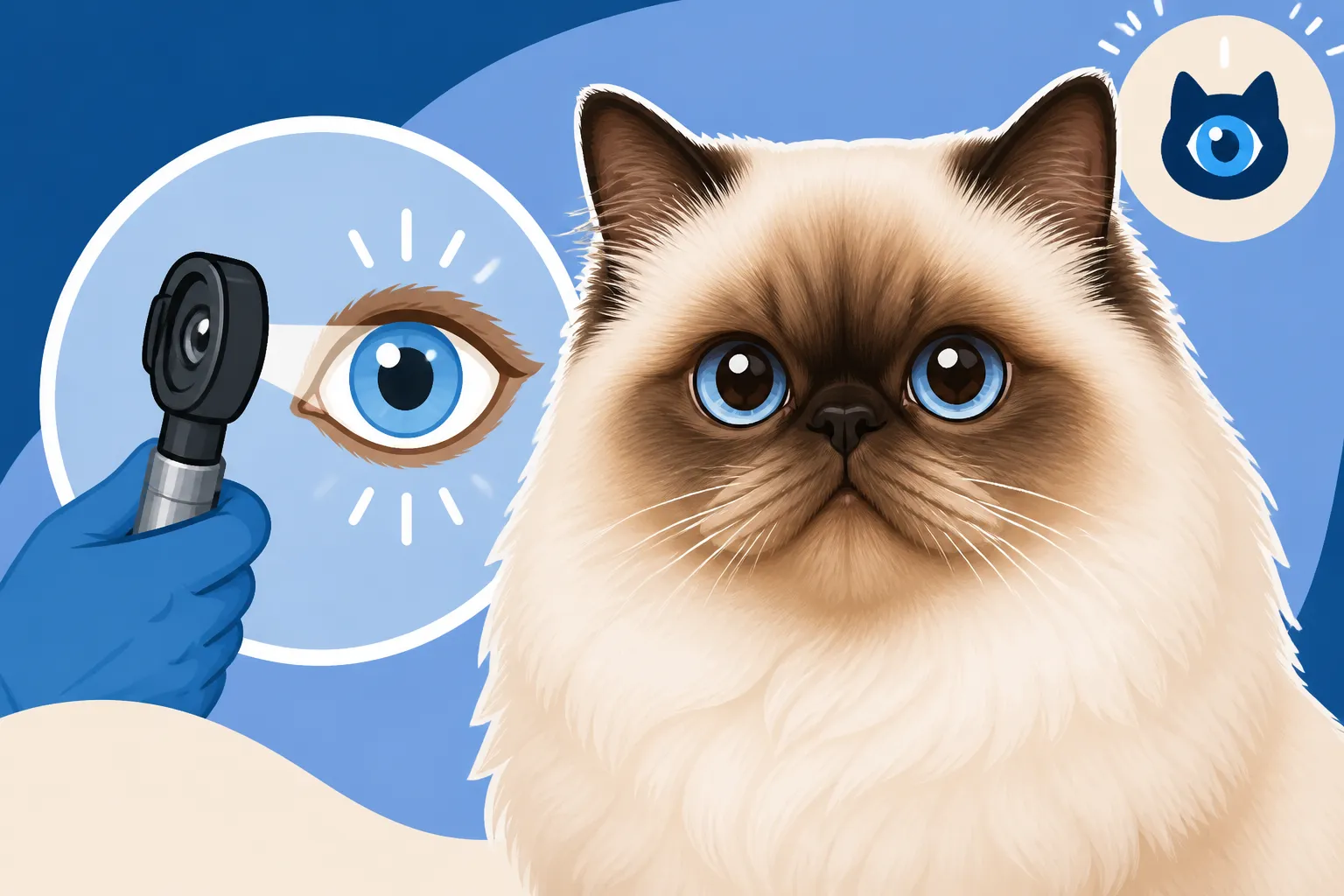
- Ophthalmoscopic Examination: Using an ophthalmoscope, the vet can look at the internal structures of the eye, including the lens and retina, though this is often more focused if there's a suspected internal issue.
- Tear Duct Flush (if indicated): If severe tear staining or discharge suggests blocked tear ducts, your vet might recommend gently flushing the ducts to clear any obstructions.
These comprehensive checks allow your vet to catch subtle changes or developing conditions before they become painful or lead to vision impairment. It’s also a great time to update your pet insurance provider, like Healthy Paws, on your cat's annual check-up, as maintaining regular vet visits is often a condition for coverage.
Signs That Warrant Immediate Vet Attention
While annual checks are for routine maintenance, there are specific signs that mean you need to get your Himalayan to the vet immediately, not wait for the next scheduled appointment. These are red flags that something serious is happening:
- Sudden squinting, holding an eye closed, or intense rubbing/pawing at the eye: This indicates pain and can be a sign of an ulcer, foreign body, or severe inflammation.
- Any sudden cloudiness or change in the color of the eye: This could signal an infection, glaucoma, or internal inflammation.
- Discharge that is thick, yellow, green, or rapidly increasing in volume: While some clear tearing is common, purulent discharge suggests a bacterial infection.
- Obvious swelling around the eye or eyelids: This could be an infection, allergic reaction, or injury.
- A visible injury to the eye itself: Any scratch, puncture, or obvious trauma needs immediate assessment.
- Sudden vision loss or bumping into objects: If your Himalayan suddenly seems disoriented or starts bumping into things, especially in familiar environments, it's an emergency. How a Himalayan Behaves as Its Sight Goes can help you recognize the signs.
Never try to self-diagnose or treat these issues at home with over-the-counter human eye drops. What might be safe for humans could be harmful or ineffective for cats, and delaying proper veterinary care can have severe consequences for their vision.
Role of Specialized Ophthalmologist Visits for Certain Conditions
Sometimes, your general veterinarian might recommend a visit to a veterinary ophthalmologist. This isn't cause for panic, but rather a step to ensure your Himalayan receives the most specialized care possible. A veterinary ophthalmologist is a specialist with advanced training and equipment dedicated solely to eye conditions.
You might be referred to an ophthalmologist if your Himalayan:
- Has a complex or recurrent corneal ulcer.
- Requires surgical correction for conditions like entropion or cherry eye (though less common in cats).
- Is suspected of having conditions like glaucoma, cataracts (rare but possible), or retinal diseases.
- Needs advanced diagnostic tests that a general practice vet might not offer.
- Has persistent or severe tear duct issues that aren't responding to conventional treatments.
These specialists can provide more in-depth diagnostics, perform delicate eye surgeries, and offer specific management plans for chronic conditions. It's an extra layer of care that can be invaluable for preserving your Himalayan's sight and comfort. When dealing with specialized care, the benefits of comprehensive pet insurance like Healthy Paws become even more apparent, helping to cover these potentially higher costs.
Proactive Care and Prevention Strategies
While regular vet visits are non-negotiable, a lot of what keeps your Himalayan's eyes healthy happens right at home. Being proactive with daily care and understanding how environmental factors play a role can significantly reduce the incidence and severity of eye issues. It's about creating a safe, clean, and comfortable environment that supports their unique needs.
Remember, prevention is always better than cure, especially when it comes to something as delicate and vital as eyesight. Integrating these practices into your daily and weekly routine will make a world of difference for your cherished feline.
Daily Cleaning Routines and Products
This is where your daily home checks seamlessly transition into action. A consistent cleaning routine is paramount for Himalayans.
- Gentle Wiping: Every morning, use a soft, damp cloth or a specialized pet eye wipe to gently clean the area around your Himalayan's eyes. Focus on removing any discharge or crusts that have accumulated overnight. Always wipe away from the eye, towards the nose. For cases of stubborn tear staining, you might consider specific tear stain remover products designed for pets. Always check the ingredients and ensure they are safe for use around feline eyes. It's worth noting that Which Wipes Are Safe Around a Himalayan's Blue Eyes are often specific, so choose wisely.
- Drying the Nose Fold: If your Himalayan has a pronounced nose fold, it’s critical to keep this area dry. Moisture trapped in the folds can lead to skin irritation, yeast infections, or bacterial dermatitis, which can exacerbate eye issues. After wiping, gently pat the area completely dry with a clean, soft tissue or cotton ball.
- Lubricating Drops (if recommended): For some Himalayans prone to dry eye due to exposure, your vet might recommend specific lubricating eye drops to be administered daily. These are not the same as medicated drops for infections, so always follow your vet's advice.
- Consistency is Key: This isn't a once-in-a-while task. Make it part of your daily bonding time. The more consistent you are, the more your Himalayan will tolerate and even appreciate the routine.
Environmental Factors That Impact Eye Health
Your home environment plays a significant role in your Himalayan's eye health. Making a few adjustments can go a long way in minimizing irritants.
- Dust and Allergens: Himalayans, with their long coats, can track in more dust and allergens, which can irritate their eyes. Regular cleaning, using air purifiers, and choosing dust-free litter can help. For instance, What Low Dust Litter Costs a Himalayan Owner might be a consideration, but it's often worth it for their comfort. Avoid smoking indoors or using strong chemical cleaners that produce fumes.
- Humidity: Extremely dry indoor air can contribute to dry eye. A humidifier, especially during winter months when heating is on, can add beneficial moisture to the air.
- Grooming: Keeping the fur around their eyes trimmed short is crucial. Long hairs can wick tears, keeping the skin constantly damp, or worse, irritate the eye directly. You might need to gently trim these hairs yourself with blunt-nosed scissors or have a professional groomer do it. This ties into the broader topic of The Daily Comb a Himalayan Cannot Skip for overall coat health.
- Scratching Posts & Toys: Ensure your cat's scratching posts are stable and don't shed excessive dust or fibers that could fly into their eyes. Be mindful of toys with small, sharp parts that could potentially cause eye injury during vigorous play.
- Sunlight: While they enjoy a warm sunbeam, excessive direct sunlight can be irritating for some cats, especially those with more exposed eyes. Provide plenty of shaded areas for them to relax.
Importance of Good Breeding Practices and Genetic Testing
This point, while not directly about your daily care, is absolutely foundational to Himalayan eye health. The choices made by breeders directly impact the health outcomes for kittens.
- Responsible Breeding: Breeders should select parent cats with good eye conformation, minimal tear staining, and no history of entropion or other inherited eye conditions. Breeding away from extreme brachycephaly can also lead to healthier eye structures.
- Genetic Health Checks: While not all eye conditions are genetic in a simple Mendelian fashion (like PKD), reputable breeders are meticulous about the overall health of their lines. They should be able to provide clear health records for the parent cats, showing that they are generally healthy and free from known predispositions to serious hereditary issues. Knowing Which Two Certificates a Himalayan Breeder Owes You is a vital piece of information when choosing a kitten.
- Early Intervention in Kittens: A responsible breeder will address any developing eye issues in kittens, like early entropion, before they go to their new homes, or at least disclose them transparently.
By adopting from a breeder who prioritizes health and good breeding practices, you significantly increase the likelihood of bringing home a Himalayan with the best possible start to their eye health, minimizing future complications and ensuring you and your cat can focus on a long, happy, and clear-sighted life together.
Conclusion
Caring for a Himalayan's eyes is undeniably a commitment, but it's a deeply rewarding one. Those stunning blue eyes are a window to their gentle soul, and keeping them healthy and comfortable is one of the greatest gifts you can give your feline friend. From those daily gentle wipes and vigilant at-home checks to scheduled veterinary visits and, if necessary, specialist care, a proactive approach is always the best path. By understanding their unique needs and staying informed, you're ensuring your Himalayan enjoys a lifetime of clear vision and minimal discomfort. It's all part of the extraordinary journey of being a Himalayan cat parent.
Disclaimer
This article is for general informational purposes only and does not constitute professional advice. Laws, prices and regulations vary by location and change over time. Consult a qualified professional for guidance on your specific situation.