What Daily Combing Costs a Himalayan Owner in Time
Oh, the majestic Himalayan! Those stunning blue eyes, that plush coat, those sweet, smooshed faces… they truly are one of a kind. But let's be real, beneath all that beauty lies a significant commitment, especially when it comes to their glorious, flowing fur. Many first-time Himalayan owners underestimate the sheer time involved in keeping that coat pristine and tangle-free. This guide is here to shed light on exactly what daily combing costs you in terms of minutes, effort, and what happens if you try to cut corners.
Understanding the Himalayan Coat: A Luxurious Challenge
Before we even pick up a comb, it's crucial to understand why the Himalayan coat demands such consistent attention. It’s not just long; it's a double coat, thick and dense, a legacy from their Persian ancestors, combined with the colorpoint pattern that adds to their unique charm. This isn't your average shorthair cat's fur; this is a serious business.
Why a Himalayan's Coat is Different
Imagine wearing a fur coat that's several inches thick, complete with a downy underlayer and a longer, silkier topcoat. That's essentially what your Himalayan is sporting, year-round. This unique structure, a combination of a fine, woolly undercoat and a longer, coarser guard hair, is designed to keep them warm. However, it’s also a magnet for tangles and mats. The density means that loose hairs don't just fall out; they get trapped within the existing fur, quickly forming knots. These aren't simple knots you can finger-comb; they become tight, painful mats that pull at the skin.
Furthermore, their cobby body type and somewhat shorter legs mean they can't always reach every spot on their back or britches effectively. They try, bless their hearts, but their physical structure just isn't designed for self-grooming a coat of this magnitude. This means you become their primary groomer, taking on a role that other breeds can manage quite well on their own. The reality is, if you choose a Himalayan, you're signing up for a very hands-on grooming partnership.
The Inevitable Problem: Matting
Left uncombed for even a day or two, especially in high-friction areas, the Himalayan coat will begin to mat. These mats start as small tangles, but quickly tighten, gathering more loose hair and dander, forming dense, felt-like clumps. Think of it like a dreadlock forming on their body. They're not just unsightly; they are genuinely painful for your cat. Mats pull on the skin, causing irritation, bruising, and even skin infections underneath where air cannot circulate and moisture can get trapped.
I’ve seen cases where a neglected coat led to severe skin issues, necessitating veterinary intervention and often a full shave under sedation. This isn't just about aesthetics; it's about their health and comfort. A matted cat can't move freely, can't regulate its temperature properly, and can develop serious skin conditions. It's a preventable suffering that daily attention can completely avoid. Understanding Why a Matted Himalayan Becomes a Medical Case really drives home the importance of this routine.
Essential Tools for the Daily Combing Ritual
You wouldn't attempt to bake a fancy cake without the right ingredients and tools, and grooming a Himalayan is no different. Skimping on quality tools or trying to make do with a basic cat brush will only lead to frustration for both you and your feline friend. Investing in the right arsenal is the first step to making daily combing a successful and even enjoyable experience.
The Right Comb for the Job
Your absolute cavalry for a Himalayan's coat is a good quality, sturdy steel comb. And I mean steel. Plastic combs just won't cut it; they create static, snag hair, and simply aren't robust enough to penetrate the dense undercoat. You'll want a comb that has both wide-set and fine-set teeth. The wider teeth are perfect for tackling the general body coat, gently teasing out larger tangles, and ensuring you're reaching down to the skin. The finer teeth are then used for more delicate areas like the face, behind the ears, and the britches.
The length of the teeth also matters. They need to be long enough to go through the entire depth of the coat, not just skim the surface. Remember, a lot of the matting happens closer to the skin, in that dense undercoat. If your comb isn't reaching the skin, you're not actually preventing mats, you're just fluffing the top layer. Think of it as raking leaves – you need to get all the way down to the grass, not just the top layer of leaves. This is why a Which Steel Comb a Himalayan's Coat Needs is so important to select correctly.
Other Grooming Essentials
Beyond the steel comb, a few other items will make your life significantly easier:
- Slicker Brush: While the comb is king for mats, a slicker brush can be wonderful for removing loose undercoat, especially during shedding seasons. Use it gently, as the wire bristles can scratch the skin if too much pressure is applied. It helps to loosen shedding hair before the comb comes in for the final polish.
- Blunt-Ended Scissors: These are not for cutting mats out entirely (which can be incredibly dangerous if you accidentally cut skin!), but for carefully snipping apart small, surface tangles that are too stubborn for the comb, or for hygiene trims around the britches or face. Always use extreme caution and point the blunt ends away from the skin.
- Grooming Powder or Cornstarch: A light dusting of cornstarch or specialized grooming powder can sometimes help to loosen very minor tangles, making them easier to comb out. It also absorbs excess oil, helping to keep the coat fresh.
- Wipes or Damp Cloths: Essential for the daily face cleaning. A Himalayan's flatter face and prominent eyes mean tear stains are a common issue, and moisture trapped in facial folds can lead to skin irritation. You can learn more about Why a Himalayan's Face Needs Cleaning Every Morning to understand the necessity.
- Grooming Table (Optional but Recommended): For serious groomers or those with multiple Himalayans, a small grooming table can save your back and teach your cat that grooming is a dedicated, elevated activity. It creates a routine and can make the process more manageable.
You can often find all these supplies readily available online, perhaps even from a trusted retailer like Chewy, where you can stock up on quality tools and even grooming-specific wipes or powders designed for sensitive feline skin.
The Daily Combing Routine: Breaking Down the Time
Now, let's get to the nitty-gritty: how much time are we actually talking about? The truth is, it varies. A young kitten with a developing coat might take less time, while a mature adult in full glorious coat will demand more. However, a consistent daily routine is the cornerstone of keeping a Himalayan healthy and happy.
The "Ideal" Daily Session
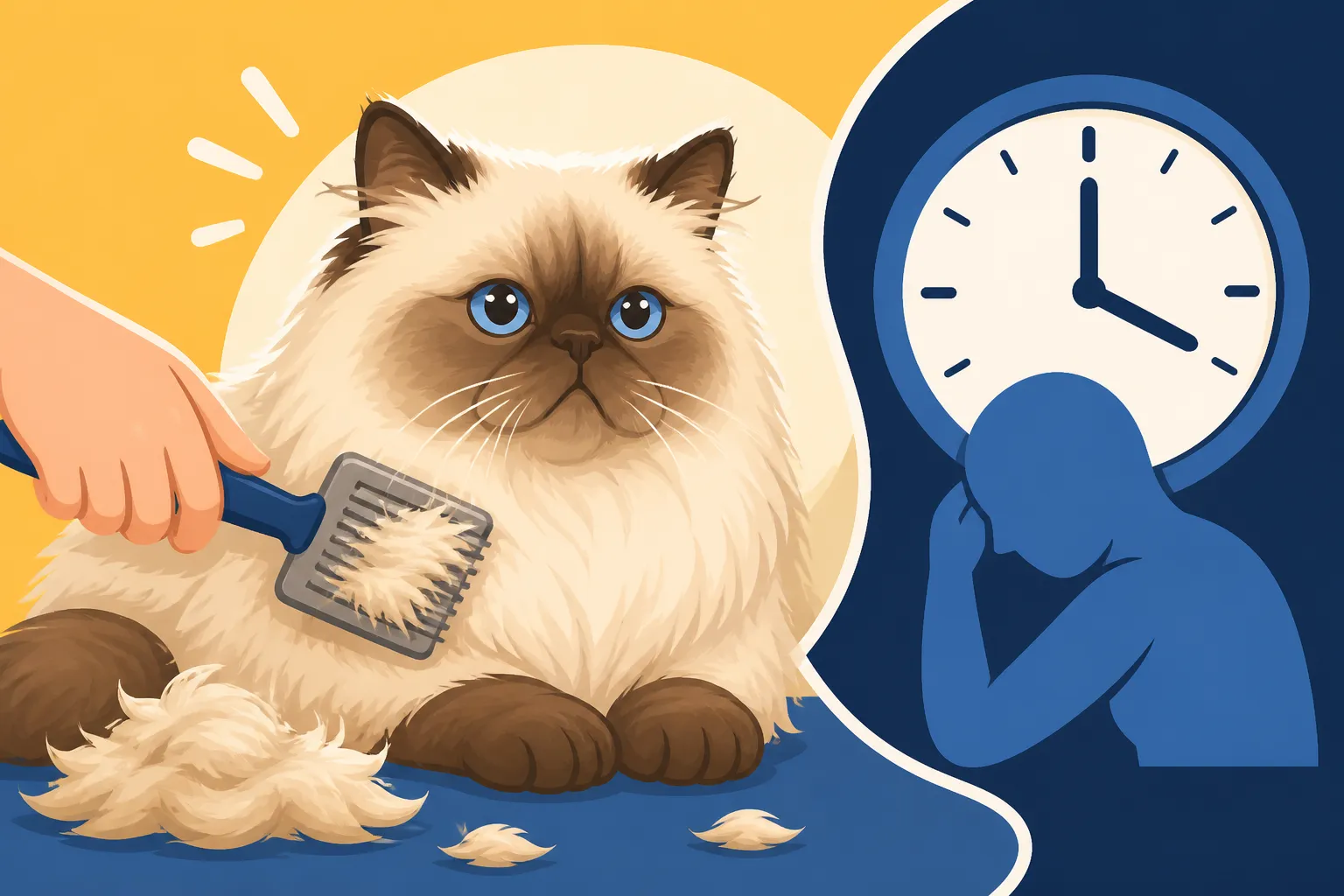
For most adult Himalayans, you should realistically budget 15-20 minutes for a thorough daily combing session. This isn't just a quick brush-over; it's a methodical process that covers their entire body.
Here’s a rough breakdown of what those minutes entail:
- Overall Body Comb (5-7 minutes): Start with the main body, working in sections. Gently part the hair and comb from the skin outwards, ensuring the comb goes all the way through. Pay special attention to the sides, back, and stomach.
- Legs and Armpits (3-5 minutes): These are prime matting zones due to movement. Be extra gentle here, as the skin is delicate. Lift each leg and work carefully through the fur.
- Ruff and Chest (2-3 minutes): The glorious ruff around their neck is a showstopper, but also a hotspot for tangles from eating and rubbing.
- Britches and Tail (3-5 minutes): The long fur around their hindquarters (britches) and tail can pick up debris and is another high-friction area. Work slowly and patiently. Combing a Himalayan's Britches Without Turning It Over is a specific skill worth mastering.
- Face and Ears (1-2 minutes): This involves wiping their tear stains, checking for dirt in their small ears, and a quick comb around the face.
This 15-20 minute estimate assumes a cooperative cat and a coat that isn't already matted. If you're dealing with existing tangles, that time commitment can easily double or triple, making early and consistent intervention key.
What Happens if You Skip a Day?
We're all human. Life gets busy, you have a terrible day, or you're just not feeling it. So, what's the real consequence of skipping a day or two? Honestly, for a Himalayan, even a single missed day can start the clock on mat formation, especially in those high-traffic areas like the armpits, behind the ears, or the britches.
One missed day might mean spending 30 minutes the next day undoing what would have been a simple 15-minute routine. Two missed days, and you could be looking at an hour of careful detangling, or worse, finding small, tight mats that might require professional intervention. The problem with a Himalayan's coat is that it rarely forgives neglect. The fine undercoat packs together quickly, and the longer guard hairs bind it. It's a cumulative effect: small tangles become larger ones, and larger ones become painful mats surprisingly fast. That's why Why a Himalayan Cannot Be Left a Week is a cardinal rule for owners. It's an investment of time, but it’s an investment that pays off in your cat’s comfort and your peace of mind.
Strategies for a Smoother Grooming Session
Okay, so we know the drill and we have the tools. Now, how do we make this daily ritual less of a chore and more of a bonding experience? It's all about technique, consistency, and positive reinforcement.
Making Grooming a Positive Experience
The key to a cooperative Himalayan is starting early and making grooming a positive, calm experience. Begin with short sessions when they are kittens, gradually increasing the time. Always use gentle strokes and stop before they get agitated. If they seem uncomfortable, take a break and try again later. Treats are your best friend here! A special treat that only appears during grooming can create a strong positive association. Soft words, gentle petting, and a calm demeanor from you will go a long way.
Establish a specific time and place for grooming – maybe on a favorite blanket on a table, or while you're relaxing on the sofa watching TV. This predictability helps them understand what's coming and reduces anxiety. Think of it as a quiet cuddle time rather than a medical procedure. If your cat is particularly resistant, talk to your vet or a professional groomer for tips on handling or desensitization techniques. Sometimes, a different approach can make all the difference. Teaching them to lie still for their daily comb, even for short periods, is incredibly beneficial.
Efficient Combing Techniques
Don't just randomly drag the comb through their fur. Be methodical.
- Section by Section: Imagine dividing your cat into invisible sections (back, sides, chest, legs, tail, ruff). Work on one section at a time, moving systematically.
- Line Combing: This is the most effective technique for Himalayans. Use your non-combing hand to part the fur against the grain, exposing the skin. Then, comb small sections of hair downwards, from the skin out to the ends. This ensures you're clearing the undercoat and catching tangles at their root.
- Gentle Detangling: If you encounter a tangle, do not pull. This is painful and will make your cat hate grooming. Instead, gently hold the fur at the base of the mat (close to the skin) to minimize pulling on the skin, and use the wide-toothed end of your comb or your fingers to carefully tease the tangle apart, working from the outer edge inwards. If it's a truly stubborn mat, a dab of grooming spray might help, or it might be time for those blunt-ended scissors (with extreme care!) or a professional groomer.
- Check All "Hot Spots": Always double-check the armpits, behind the ears, the groin area, and the tail. These areas are prone to matting due to movement and rubbing.
Consistency is key. A little bit every day prevents a lot of work later. If you maintain the coat daily, even a 15-minute session will feel less daunting and more routine for both of you.
Beyond the Daily Comb: Other Grooming Necessities
While daily combing is paramount, a Himalayan's grooming needs extend beyond just their beautiful coat. Their unique facial structure and overall Persian heritage mean other routine care tasks are just as important for their health and comfort.
Facial Care and Tear Stains
A Himalayan's signature flat face, especially the "Peke-face" variety, often comes with tear stain challenges. Their prominent, often slightly protruding eyes, combined with a shortened tear duct system, mean tears can spill onto their fur instead of draining properly. This moisture, along with naturally occurring yeast and bacteria, can lead to reddish-brown staining, particularly visible on a pale-bodied Himalayan. It's not just cosmetic; if the fur around their eyes and nose fold remains perpetually damp, it can lead to skin irritation, dermatitis, and even infection.
Every morning, as part of your routine, you'll need to gently wipe their face. Use a soft, damp cloth or specialized pet eye wipes to clean away tear stains and ensure the area around their nose fold is dry. This daily commitment is non-negotiable and usually adds another minute or two to your overall grooming time. Neglecting this can lead to uncomfortable and smelly How Fold Dermatitis Starts Beside a Himalayan's Nose conditions.
Ear Cleaning and Nail Trims
Himalayans have relatively small, low-set ears, inherited from their Persian side. While generally not prone to excessive wax buildup like some floppy-eared breeds, they still need to be checked regularly for dirt, wax, or signs of infection. A quick visual inspection daily, and a gentle wipe with a vet-approved ear cleaner on a cotton ball once every week or two, is usually sufficient. Never insert anything into the ear canal.
Nail trims are another essential part of their care, even if your Himalayan mostly stays indoors and doesn't do a lot of scratching on posts. Their claws can become quite long and sharp, getting caught in carpets or even growing into their paw pads, causing pain. Aim for a nail trim every 2-4 weeks. If you're unsure how to do this safely, ask your vet or a professional groomer to show you. It usually takes just a few minutes once you get the hang of it, and again, positive reinforcement with treats makes it much easier. You’ll want to trim their Trimming a Himalayan's Claws When It Rarely Uses a Post regularly.
Occasional Baths and Professional Grooming
While daily combing keeps mats at bay, a Himalayan will occasionally need a bath. This is usually only when they've gotten particularly dirty, have a skin condition requiring medicated shampoo, or if their coat feels greasy and needs a deep clean. Bathing a longhaired cat is an undertaking! It involves careful pre-combing, using pet-specific shampoo, thorough rinsing (crucial to prevent skin irritation), and meticulous drying to avoid mats. Always ensure they are completely dry down to the skin.
For many owners, especially during shedding seasons or if a mat has formed that they can't safely remove, a professional groomer can be a lifesaver. A groomer has specialized tools and expertise, and can offer services like de-shedding treatments, lion cuts (where most of the body fur is shaved short, leaving a ruff, "boots," and a pom-pom tail), or safely removing stubborn mats under expert care. While daily combing is your responsibility, don't hesitate to seek professional help when needed. A groomer can also provide hygiene trims around their britches, which helps keep litter and waste from clinging to their long fur.
The Long-Term Benefits of Consistent Grooming
Beyond avoiding the immediate pain of mats and skin problems, a consistent daily grooming routine offers a wealth of long-term benefits that contribute significantly to your Himalayan's overall health, happiness, and your bond with them. It truly is an investment that pays dividends.
Health Monitoring and Early Detection
One of the most underrated benefits of daily combing is the opportunity it provides for you to thoroughly inspect your cat's body. As you run the comb through their fur, you'll inevitably feel their skin and notice any changes. This close contact allows you to:
- Spot Lumps or Bumps: You might feel new growths, cysts, or swollen lymph nodes that would otherwise be hidden under their thick fur. Early detection of any suspicious lumps can be crucial for successful treatment.
- Identify Skin Issues: You'll notice dry, flaky skin, redness, rashes, or any signs of parasites like fleas or ticks (though indoor Himalayans are less prone to the latter, it's still possible). You might even notice subtle changes in their coat texture that indicate an underlying health issue.
- Monitor Weight and Body Condition: By feeling their spine and ribs through their dense coat, you can keep an eye on their weight and body condition. A sudden weight loss or gain can be an indicator of health problems. Knowing How to Find a Himalayan's Ribs Through a Persian Coat is a key skill.
- Check for Injuries: Sometimes, a small cut, scratch, or abscess can be completely hidden by their long fur. Your daily comb helps you uncover these minor injuries before they become serious infections.
This regular, hands-on examination is an invaluable preventative health measure that you, as their primary caregiver, provide every single day.
Strengthening the Bond and Building Trust
Grooming isn't just about hair; it's about connection. Those 15-20 minutes a day become dedicated one-on-one time with your cat. It's a quiet ritual where you are physically close, offering gentle touch and comfort. This consistent positive interaction helps build a deep level of trust and strengthens the bond between you and your Himalayan. They learn to associate your touch with comfort and care, not just with food or play.
A cat that is comfortable with being handled is also much easier for veterinarians to examine, making routine check-ups less stressful for everyone involved. If your cat ever needs medical procedures, being accustomed to being touched and held will make the experience significantly smoother. Think of it as trust-building through touch – a silent language of care and affection. This can even influence How a Himalayan Behaves in a Vet Waiting Room, making it a calmer experience.
Preventing Costly Veterinary Bills
While the daily combing costs you time, it ultimately saves you money. Neglected coats can lead to a cascade of expensive veterinary issues:
- Mat Removal Under Sedation: If mats become severe, a vet may need to sedate your cat to safely shave them off. This is not a cheap procedure, involving anesthesia, monitoring, and the vet's time.
- Treatment for Skin Infections: Mats can cause skin irritation, sores, and bacterial or fungal infections, requiring antibiotics, anti-fungal medications, and medicated shampoos.
- Dental Issues from Neglect: While not directly grooming-related, if you're not handling your cat's face daily, you might also be neglecting their oral hygiene. Himalayans are prone to crowded teeth, making Why a Himalayan Needs Dentals Earlier Than a Siamese a serious consideration. Dental issues can lead to painful extractions and costly veterinary bills.
- Managing Underlying Conditions: Early detection of health problems during grooming can lead to quicker intervention, often preventing conditions from becoming more severe and expensive to treat.
Considering the potential for costly interventions, the daily time investment in grooming is a small price to pay for your Himalayan's ongoing health and well-being. And while you're being proactive with care, it's always wise to consider pet insurance from providers like Healthy Paws, just in case unforeseen health challenges arise despite your best efforts.
The Time Investment in Perspective
Let's put the daily grooming commitment into a broader context. Is 15-20 minutes really that much time in the grand scheme of things? When you consider the lifespan of a Himalayan, which can be The Nine to Fifteen Years a Himalayan Usually Gets, that's a lot of combing, but also a lot of bonding and health maintenance.
Comparing to Other Daily Chores
Think about other daily habits:
- Brewing your morning coffee: 5-10 minutes
- Checking social media: 15-30+ minutes
- Preparing a meal: 20-40 minutes
- Walking a dog: 30-60+ minutes
When viewed this way, 15-20 minutes for your beloved Himalayan's health and comfort doesn't seem so overwhelming. It's a dedicated chunk of time, yes, but it’s manageable, especially if integrated into your daily routine, perhaps while you're watching your favorite show or unwinding after work. Many owners find it becomes a meditative, calming ritual for both them and their cat.
The Trade-off: Convenience vs. Care
With a Himalayan, you are actively choosing a breed that requires significant hands-on care. This is the trade-off for their breathtaking beauty and sweet, docile personalities. You might save time on high-energy play sessions (they're generally laid-back and enjoy being lap cats) or extensive training compared to some more active breeds, but that time is reallocated to their coat maintenance.
If the thought of daily, consistent grooming truly fills you with dread, or if your lifestyle simply doesn't allow for this kind of daily commitment, it might be worth considering if a Himalayan is the right breed for you. There are many wonderful shorthaired or less demanding longhaired breeds that might be a better fit. However, for those willing to embrace the daily ritual, the rewards of a happy, healthy, and stunning Himalayan are immeasurable.
Adapting to Life's Demands
Of course, life isn't always predictable. There will be days when you're sick, traveling, or overwhelmed. This is where having a backup plan comes in handy.
- Groomer Appointments: Schedule regular professional grooming appointments (e.g., every 6-8 weeks) even if you comb daily. This ensures a deep clean and allows a professional to catch anything you might have missed.
- Pet Sitters: If you travel, ensure your pet sitter understands the critical importance of daily combing and is capable of performing it. Provide them with your tools and clear instructions.
- Temporary Solutions: For very short periods, if you simply cannot comb, focus on the mat-prone areas (armpits, britches) even if it's just for five minutes. It's not ideal, but it's better than nothing.
- Dietary Support: A high-quality diet can support overall coat health, making it softer and potentially less prone to matting, though it certainly doesn't replace combing. Omega oils and good protein levels help maintain coat integrity.
In conclusion, the daily combing "cost" for a Himalayan owner is an average of 15-20 minutes of your time, every single day. It's a non-negotiable part of their care, essential for their health, comfort, and beauty. But far from being a burden, it can become a cherished ritual that strengthens your bond and provides you with countless opportunities to ensure your beloved feline friend is thriving.
Disclaimer
This article is for general informational purposes only and does not constitute professional advice. Laws, prices and regulations vary by location and change over time. Consult a qualified professional for guidance on your specific situation.