What a Flame Point Himalayan Looks Like
Many people fall deeply in love with the classic, serene beauty of a Himalayan cat, often picturing the striking contrast of dark points against a pale body. But when it comes to the specific point colors, some can be a bit of a mystery. The "Flame Point" is one such captivating color that often sparks questions: is it truly red, or something else entirely? This comprehensive guide will illuminate the beautiful and distinct appearance of the Flame Point Himalayan, helping you understand what makes this particular color pattern so uniquely charming.
The Fiery Hues of a Flame Point Himalayan
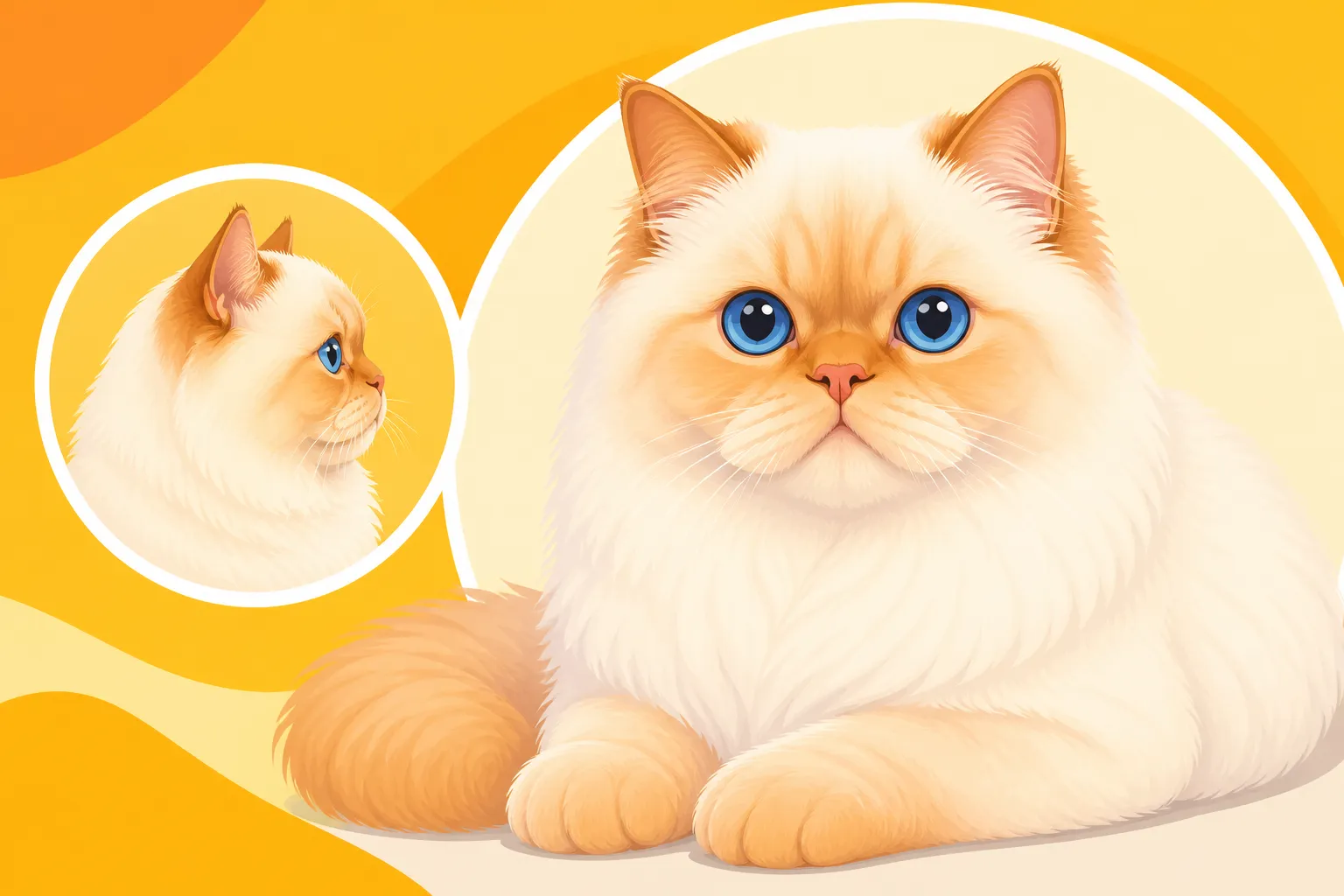
When you first hear "Flame Point," you might envision a cat with points as vivid and intense as a crackling fire. While the name conjures images of bright red, the reality is a little softer, more nuanced, and utterly beautiful. A Flame Point Himalayan isn't a solid red cat; rather, it’s a Himalayan whose extremities – face mask, ears, feet, and tail – display warm, coppery orange to reddish-cream tones, looking almost as if they've been kissed by a gentle flame.
Decoding the "Flame" in Their Points
The characteristic "flame" color in a Flame Point Himalayan is actually a manifestation of the red (or orange) gene, which is expressed in the points. Genetically, this color is a dilute version of red, often described as a reddish-cream or a warm apricot. It's not the deep, rich red you might see in some other breeds, but rather a softer, more sun-kissed orange hue. Think of a sunset, not a blazing bonfire. These points can vary in intensity, from a delicate peachy blush to a more pronounced, coppery orange. The warmth of this color truly stands out against their lighter body, giving them an almost ethereal glow. The nose leather and paw pads will typically complement this warm tone, appearing pink or rosy, often with a slight coral tint.
The Creamy Canvas for Their Warmth
Crucially, the beauty of the Flame Point isn't just in the fiery tips; it's also in the contrast with their body color. The body of a Flame Point Himalayan is a warm, creamy white or ivory. It's not a stark, brilliant white, but often has a subtle warmth to it, a soft undertone that harmonizes perfectly with their orange-red points. This creamy canvas allows the “flames” to truly pop and become the focal point of their appearance. Without this pale background, the exquisite detailing of their point coloration wouldn't be nearly as striking. Maintaining this light body color is key to the overall aesthetic, and diet can contribute to overall coat health and vibrancy, though color is primarily genetic.
A Symphony of Color: From Kittenhood to Adulthood
One of the most fascinating aspects of Himalayan cats, regardless of their point color, is the way their coloration develops. It's a journey from nearly pristine white to their full, magnificent pattern. The Flame Point Himalayan is no exception, undergoing a remarkable transformation as they grow.
Born Pale, Blossoming with Warmth
Like all Himalayans, Flame Point kittens are born almost entirely white or a very pale cream. This is due to the temperature-sensitive gene responsible for their color-point pattern. In the warm environment of the womb, the pigment doesn't develop. It's truly a marvel to watch them grow and see their points slowly emerge. Why Every Himalayan Kitten Is Born Almost White explains this phenomenon beautifully. Within the first few weeks, usually around 1-2 weeks old, the faint blush of their future "flames" begins to appear on their ears and nose. When a Himalayan Kitten's Points First Appear is a great resource if you're curious about this early development. These initial hints of color are often very subtle, a mere whisper of peach or apricot, and it takes time for them to deepen and spread.
The Deepening Palette with Age
As a Flame Point Himalayan matures, their points will gradually deepen in color and expand. This process isn't instant; it unfolds over months and even years. The cool extremities of their body – the tips of their ears, nose, paws, and tail – will accumulate more pigment, intensifying the orange-red hue. It's a continuous process, and you might notice their points looking richer after a cool winter compared to a warm summer. How Many Years a Himalayan's Points Take to Finish really highlights this long-term development. An adult Flame Point will display a beautiful contrast between their creamy body and their vivid points, with the "flame" spreading further up their legs and tail. As they enter their senior years, the points can become even more pronounced, sometimes giving the cat an almost solid appearance. Why an Old Himalayan Looks Almost Solid Colored delves into this fascinating aspect of aging in Himalayans.
Environmental Influences on Point Intensity
The expression of a Himalayan's points is directly influenced by ambient temperature. The enzyme responsible for the pigment production only functions effectively at cooler temperatures. This means that a Flame Point Himalayan kept in a cooler environment will generally develop darker, more intense points than one living in a warmer home. Conversely, a cat that spends a lot of time in a very warm house might have paler points and a less defined contrast. Even factors like body temperature can play a role; areas where the fur is clipped for medical reasons might grow back darker because the skin temperature in that area drops temporarily. How to Cool a Long Coated Himalayan in Summer can offer tips to keep your beautiful cat comfortable, which might indirectly influence their point color.
Distinguishing Your Flame Point from Similar Shades
While the Flame Point is distinct, it can sometimes be confused with other light-colored point Himalayans, particularly the Cream Point. Understanding the nuances in their appearance is key to appreciating the unique beauty of each.
Flame Point Versus Cream Point
The distinction between a Flame Point and a Cream Point lies in the intensity and undertone of their point coloration.
| Feature | Flame Point Himalayan | Cream Point Himalayan |
|---|---|---|
| Point Color | Warm orange-red, coppery, or apricot tones; more vivid | Soft, light cream, pale buff, or yellowish-beige; muted |
| Body Color | Cream or ivory, often with a warmer undertone | Palest ivory, almost white, cooler undertone |
| Intensity | Can be quite vivid, especially with age/cooler temps | Always soft, subtle; less dramatic contrast |
| Nose/Paw Pads | Pink, rosy, or coral | Pink |
| Overall Impression | Sun-kissed, fiery glow, warm | Gentle, delicate, pastel-like, cool |
A Flame Point will always have a discernible orange or reddish hue to its points, even if subtle, whereas a Cream Point will remain more on the yellow-beige spectrum without that coppery warmth. It's a subtle difference but a crucial one for discerning the true color. How Judges Score a Himalayan's Point Contrast is an interesting read for those who want to understand the finer points of color evaluation in the show ring.
The Lynx Point Distinction
Sometimes, a Flame Point Himalayan might carry the tabby gene, resulting in a "Flame Lynx Point." These cats will have the same gorgeous orange-red points, but you'll also see distinct tabby markings – stripes, rings, and pencil lines – on their mask, legs, and tail. A true Flame Point, without the "Lynx" designation, will have solid-colored points without these tabby patterns. If you're looking for the pure, unadulterated flame color, you'll want to ensure there are no visible tabby markings. The variety of point colors recognized within the breed is quite extensive, and How Many Point Colors the Himalayan Division Recognizes provides a good overview of the possibilities.
Living with the Luster: Care Considerations for Flame Points
Beyond their striking looks, caring for a Flame Point Himalayan involves understanding the needs of any long-haired, brachycephalic (flat-faced) cat. Their beautiful coat and delicate facial structure require dedicated attention to ensure they remain healthy and comfortable.
Maintaining That Bright Coat
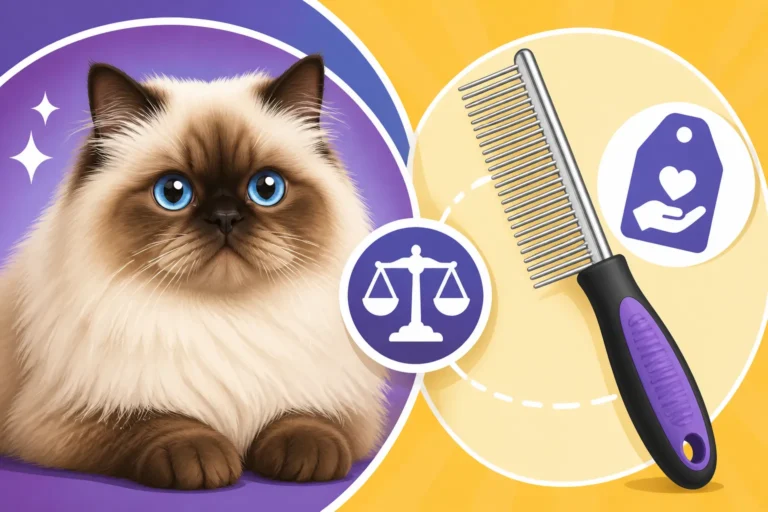
A Flame Point Himalayan's luxurious, dense coat is one of its most defining features, and it requires daily attention to prevent matting and keep it looking its best. The long, silky fur, especially around the ruff, britches, and tail, is prone to tangles. The Daily Comb a Himalayan Cannot Skip is not an exaggeration – it's a necessity! Investing in the right tools, such as a high-quality steel comb with both fine and wide teeth, is paramount. Which Steel Comb a Himalayan's Coat Needs can help you choose the best comb for effectively removing loose undercoat and preventing mats without damaging the delicate outer guard hairs. Regular grooming helps maintain the brilliant contrast between their creamy body and vibrant points, ensuring their "flame" truly shines. You can find excellent grooming tools and even specialized shampoos for pale coats on sites like Chewy.
Protecting Their Signature Blue Eyes
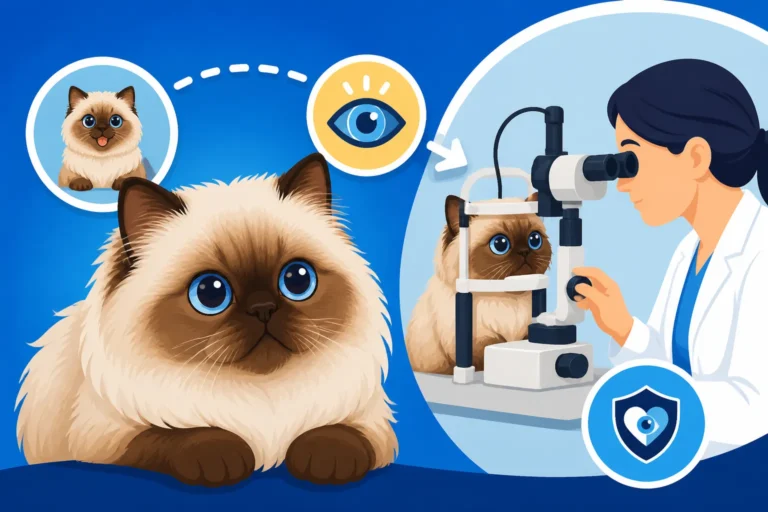
Like all Himalayans, Flame Points possess stunning, deep blue eyes. While beautiful, these eyes often come with specific care requirements due to their brachycephalic facial structure. The flatter face can lead to tear staining, especially around the inner corners of the eyes and down the nose channels. Regular, gentle wiping with a damp cotton ball or a pet-safe eye wipe is crucial to prevent unsightly rust-colored stains and potential skin irritation. Choosing products safe for sensitive eyes is important. While the blue eyes are a hallmark of the breed, it's also worth noting that Why a Himalayan's Required Blue Eyes Carry No Penalty in judging, highlighting their importance to the breed standard. Regular veterinary check-ups, potentially covered by pet insurance like Healthy Paws, are vital to monitor for any eye health issues, such as entropion or corneal abrasions, which can be more common in flat-faced breeds.
Dietary Impact on Coat Health
A well-balanced diet plays a significant role in maintaining the health and luster of a Flame Point Himalayan's coat. High-quality food rich in omega fatty acids can contribute to a shiny, healthy coat and help reduce shedding, making grooming slightly easier. While diet won't change the genetic color of their points, it can certainly affect the overall condition of their fur, keeping it soft, manageable, and vibrant. Ensuring your Himalayan receives adequate hydration is also important, as it contributes to skin and coat health. Sometimes, specialized foods formulated for long-haired breeds or customized to individual needs can be beneficial, potentially supporting optimal coat condition.
Disclaimer
This article is for general informational purposes only and does not constitute professional advice. Laws, prices and regulations vary by location and change over time. Consult a qualified professional for guidance on your specific situation.