Why the Flattest Himalayans Are the Cheapest to Produce
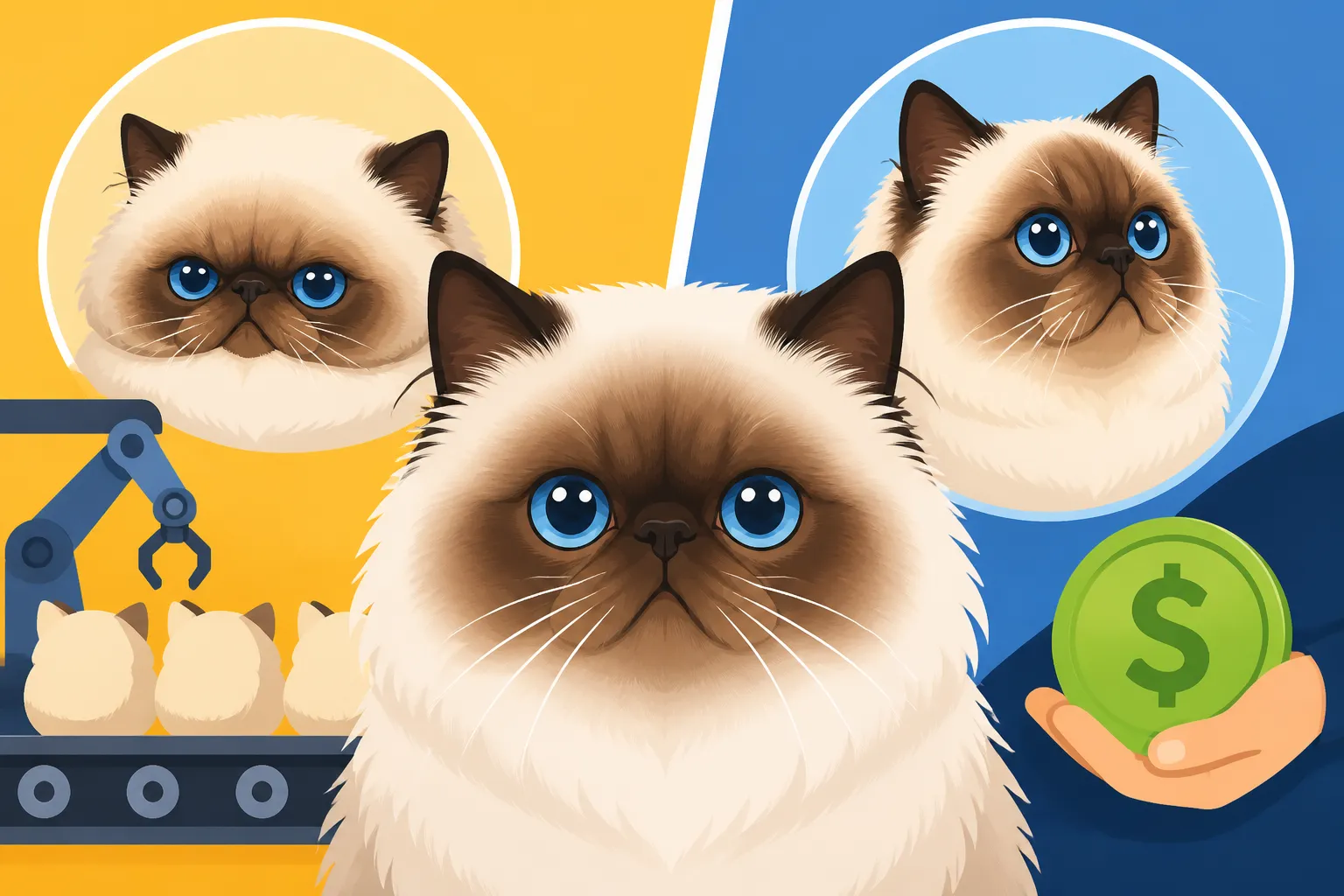
It’s a natural assumption to think that a cat bred for a highly specific, "designer" look would come with a premium price tag for the breeder to produce. You see those incredibly flat-faced Himalayans, often called "Peke-faced," and you might imagine breeders pouring money into perfecting that extreme profile. However, it's a harsh reality that, counter-intuitively, the flattest Himalayans can actually be the cheapest for certain breeders to produce, transferring the true costs and complications directly onto the unsuspecting owner. This guide will delve into why this happens and what it means for the health and happiness of these beautiful cats.
Understanding "Flatness" and Breeding Goals in Himalayans
When we talk about "flatness" in Himalayans, we're really discussing the extreme end of brachycephaly, a shortening of the skull that results in a noticeably pushed-in face. This isn't just an aesthetic choice; it has profound implications for a cat's health and the breeding practices that produce it.
The Spectrum of Himalayan Faces
Himalayans come in a range of facial types, broadly categorized as "Doll Face" and "Peke Face." A Doll Face Himalayan has a more traditional feline profile, with a discernible nose that extends somewhat from the face, open nostrils, and generally less prominent tear staining. They maintain a sweet, round-headed appearance, but with a profile that allows for better breathing and tear drainage.
The Peke Face, on the other hand, is characterized by an extremely flat, almost concave facial profile, a very short nose leather, and often deeply set eyes. This look became highly sought after in some show circles for a time, pushing breeders to select for increasingly extreme features. The drive for this intense flatness has dramatically impacted the breed, sometimes to the detriment of the cats themselves. While the aesthetic can be striking to some, the reality behind that appearance often involves compromised airways, tear ducts that can't drain properly, and dental structures that are severely overcrowded. If you're curious about the specifics, you can learn more about What a Peke Face Himalayan's Profile Measures.
Breeding for Specific Traits
Breeding for any specific trait requires careful selection, but when that trait is an extreme physical characteristic like an incredibly flat face, the process becomes even more critical. The genetic component for a flatter face can be recessive, meaning that two parents carrying the gene can produce kittens with that extreme look. A breeder aiming for such an exaggerated profile might narrow their gene pool significantly, selecting only cats that exhibit or carry the desired "flatness" to ensure a consistent outcome in their litters.
This intense focus on a single aesthetic trait can sometimes overshadow other crucial breeding considerations, like health and temperament. The temptation to produce cats that fit a particular show standard, or simply what they perceive buyers want, can lead breeders to prioritize appearance above all else. This can result in a cycle where cats with increasingly extreme features are bred together, concentrating the traits that lead to brachycephalic issues along with the desired look. It's a complex dance between genetics and aesthetics, and unfortunately, health doesn't always lead the choreography. Historically, Why Show Himalayans Drifted Toward the Flatter Face is a fascinating look into this very phenomenon.
Cost Savings in Breeding Flatter Faces
Here's where the uncomfortable truth lies. While the initial perception might be that extreme breeding costs more, certain choices made by breeders focusing on extreme flatness can actually lead to significant cost reductions for them, at the expense of the cats and future owners.
Reduced Need for Diverse Breeding Stock
A responsible breeder, one who prioritizes health and genetic diversity, will often invest heavily in their breeding program. This means acquiring new breeding stock from different lines, sometimes even importing cats, to ensure a broad gene pool. This practice helps prevent the concentration of undesirable recessive genes and maintains robust health in their kittens. These cats, chosen for their excellent health, temperament, and adherence to a balanced breed standard (often a more moderate face), come at a premium.
Conversely, a breeder focused on achieving maximum flatness might limit their breeding pool to only those cats within their own cattery that already exhibit these extreme traits. They might breed closely related cats, or repeatedly use a stud known for throwing very flat faces, even if that stud carries other genetic predispositions. This approach reduces the need to purchase expensive new cats from outside lines or pay for external stud services. Less outcrossing, fewer new acquisitions, and a more closed breeding program can significantly cut down a breeder's overhead costs. While it seems efficient for the breeder, it can inadvertently limit the genetic vitality of the line.
The Hidden "Cost" of Health Testing (or Lack Thereof)
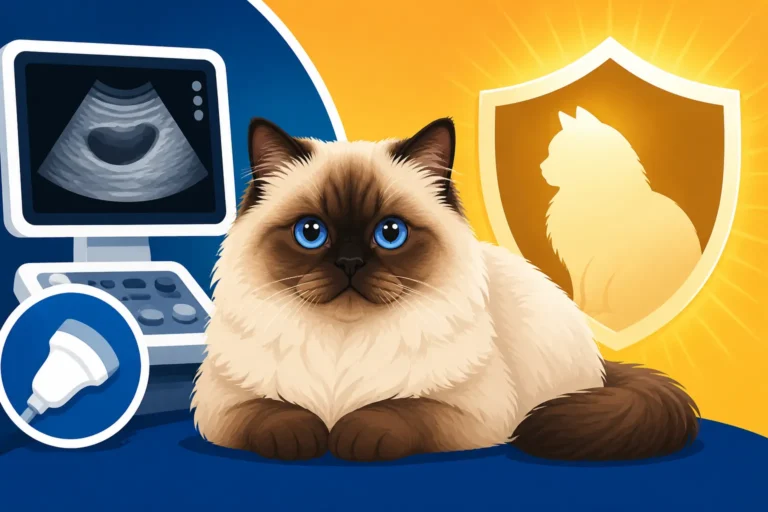
This is perhaps the most critical factor in why flat-faced Himalayans can be cheaper to produce. Comprehensive health testing is one of the most significant investments a reputable breeder makes. Himalayans, particularly those with strong Persian lineage, are predisposed to certain genetic conditions, such as Polycystic Kidney Disease (PKD) and Progressive Retinal Atrophy (PRA). Screening for these conditions involves genetic tests, ultrasounds, and specialized eye examinations, all of which come with a substantial price tag per cat. What Testing a Himalayan for PKD and the Eyes Costs details some of these expenses.
A breeder who is purely focused on producing the "flattest" faces, and perhaps selling at a lower initial price point, might skip these crucial health tests entirely. If they don't test their breeding cats for PKD or PRA, they save hundreds, even thousands, of dollars over their breeding career. This means they can sell kittens for less, attracting buyers who might not understand the long-term implications of skipping these vital screenings. However, the cost doesn't disappear; it's simply deferred. The unsuspecting buyer of an untested kitten is then left to face potential debilitating and expensive health conditions down the line. You see, Why a Cheap Himalayan Was Never Kidney Tested is a serious red flag.
When a kitten from such a line eventually develops a chronic condition like kidney failure, the owner faces immense emotional and financial strain. It's why many responsible owners turn to pet insurance, like Healthy Paws, to help manage these unforeseen veterinary expenses. While insurance can be a lifesaver, it's a cost the original breeder avoided by not testing.
Lower Standards for Airway and Eye Health
For a breeder prioritizing extreme flatness, a certain degree of compromise in airway function and eye health might be considered "normal" for the type, rather than a fault to be bred away from. A very flat face almost inherently means a shorter muzzle, which can lead to narrowed nostrils (stenotic nares) and an elongated soft palate that obstructs breathing. Similarly, the facial structure can impact tear duct drainage, leading to chronic weeping and staining. The position of the eyes can also make them more prone to issues like entropion, where the eyelid rolls inward, causing irritation.
A breeder who focuses solely on the "flattest" look might not consider these issues serious enough to remove a cat from their breeding program. They might not invest in the costly veterinary assessments needed to identify sub-optimal breathing or eye issues in their breeding stock, or to perform corrective surgeries on kittens born with severe problems. Corrective surgeries, such as widening the nostrils (nares resection) or shortening an elongated soft palate, can be very expensive. Whether Widening a Himalayan's Nostrils Helps is a common question, but these procedures are not cheap. By accepting these issues as part of the "look," they avoid these significant veterinary costs, further reducing their production expenses.
The Long-Term Consequences for Owners
While the breeder might save money upfront, the long-term consequences for the owners of these extremely flat-faced Himalayans are often considerable, both financially and emotionally.
Increased Veterinary Bills for Brachycephalic Issues
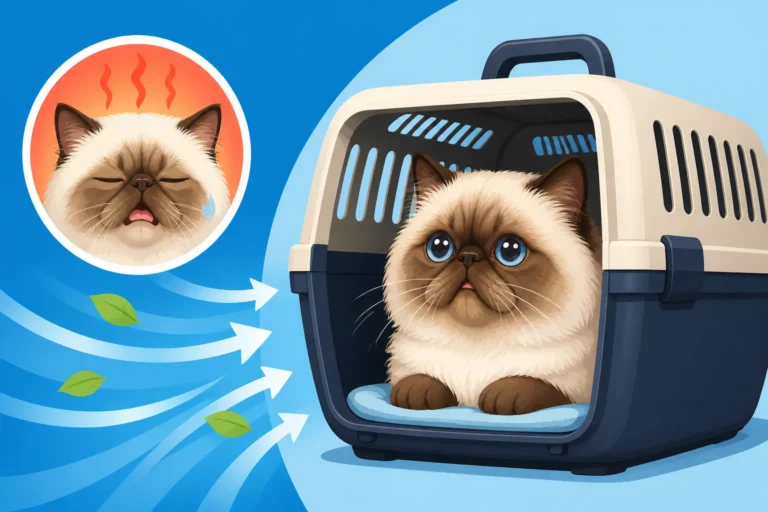
Owning a flat-faced Himalayan from a line bred without health as a primary concern often means a future filled with veterinary visits. Brachycephalic Airway Syndrome (BAS) is a common cluster of issues, including stenotic nares, elongated soft palate, and everted laryngeal saccules, all of which hinder normal breathing. This can lead to chronic snoring, noisy breathing, and even episodes of respiratory distress, especially in warm weather or during exercise. Why a Himalayan Overheats Twice as Fast as a Siamese highlights just how quickly these cats can struggle.
Beyond breathing, dental problems are almost universal in flat-faced cats. Their shortened jaws simply don't have enough room for all their teeth, leading to severe crowding, malocclusions, and accelerated dental disease. Regular dental cleanings, often requiring anesthesia, become a necessity much earlier and more frequently than in cats with normal jaw structures. Eye issues, from chronic tear staining due to blocked ducts to ulcers caused by eyelids rubbing against the cornea, also require ongoing veterinary attention and medication. Each of these conditions contributes to a significantly higher lifetime vet bill.
Daily Care Demands and Grooming Challenges
The aesthetic appeal of a flat face often comes with a demanding daily care routine. The deep folds around their noses and the constant tear overflow create damp environments perfect for yeast and bacterial infections. This means owners must commit to daily cleaning and drying of these facial folds and tear tracks to prevent painful skin irritations and foul odors. The Morning Face Routine Every Himalayan Needs isn't just a suggestion; it's a necessity.
Many owners find themselves constantly wiping away the rust-colored tear stains that mark their cat's beautiful pale coat. Why a Himalayan's Eyes Water All Day explains the mechanics behind this frustrating reality. This constant vigilance requires specific, gentle wipes or solutions, often an added expense to the monthly budget. For those who choose to provide their flat-faced cat with specialized foods that might be easier to eat, Chewy offers a wide range of options, from smaller kibble sizes to wet food formulated for sensitive stomachs. Some owners even explore fresh food options if their cat struggles with traditional kibble due to dental crowding. These specialized diets can add to the ongoing ownership costs.
Reduced Quality of Life for the Cat
Perhaps the most heartbreaking consequence of breeding for extreme flatness is the potential reduction in the cat's quality of life. Chronic breathing difficulties can make even simple play exhausting, limiting their natural feline behaviors. They can't run and jump with the same abandon as cats with healthy airways, and severe heat intolerance means they are always at risk in warmer climates or even during normal summer days indoors.
The constant discomfort from tear-stained skin, dental pain, or breathing struggles can lead to a more lethargic, less interactive cat. While Himalayans are known for their calm demeanor, this should stem from their placid nature, not from being too breathless or uncomfortable to engage. Owners find themselves grappling with the emotional toll of watching their beloved pet struggle, knowing that these issues could have been avoided with responsible breeding choices. It's a heavy burden, far exceeding any initial saving on the purchase price.
Comparison of Breeding Costs vs. Ownership Costs
To truly understand the dynamic, let's look at how the breeder's choices directly impact the owner's expenses and the cat's well-being.
| Feature | Responsible Breeder (Doll/Moderate Face) | Breeder Prioritizing Extreme Flatness (Peke Face) |
|---|---|---|
| Breeding Stock Costs | Higher investment in diverse, healthy lines, potentially including imports. | Lower, often breeding within a closed, in-house gene pool to concentrate traits. |
| Health Testing | Comprehensive screening for PKD, PRA, HCM, and general health assessments. | Often minimal or completely skipped, saving significant upfront costs. |
| Culling/Spaying | Will spay or neuter cats with genetic health concerns from breeding program. | Less likely to remove cats with mild brachycephalic issues if they possess desired look. |
| Vet Checks on Kittens | Thorough checks for open nostrils, clear eyes, good bite alignment, healthy palate. | May overlook minor issues if they contribute to the desired "flat" aesthetic. |
| Owner's Purchase Price | Generally higher, reflecting the breeder's investment in health and care. | Often lower, appealing to buyers on a budget who may be unaware of hidden costs. |
| Owner's Vet Bills | Generally lower, focusing on routine preventative care. | Significantly higher due to chronic respiratory, dental, and eye issues. |
| Owner's Daily Care | Moderate grooming and face cleaning. | High-intensity daily face cleaning, eye care, specialized feeding, cooling measures. |
| Cat's Quality of Life | High, comfortable breathing, active within breed norms, robust health. | Potentially compromised by chronic discomfort, breathing difficulties, limited activity. |
Conclusion
The allure of a unique, extremely flat-faced Himalayan can be strong, but it's crucial to understand the economic realities behind its production. While it may seem counterintuitive, breeders focused solely on achieving the most exaggerated "Peke face" can often produce these cats more cheaply by cutting corners on essential health testing, reducing genetic diversity, and accepting compromised health as part of the breed standard. This decision directly impacts the longevity and quality of life for the cat, placing a heavy burden of ongoing veterinary care and intensive daily maintenance on the unsuspecting owner.
Ultimately, a lower initial purchase price for an extremely flat-faced Himalayan is often a strong indicator that corners were cut, and those "savings" are simply deferred costs that will inevitably land squarely on your shoulders. When seeking a Himalayan, prioritize reputable breeders who are transparent about their health testing protocols, proud of their moderate-faced lines, and committed to producing healthy, well-adjusted companions. Insist on seeing parental health certificates, and remember that a truly beloved pet's well-being is priceless. For more insights on choosing wisely, consider reading What Nobody Tells You Before Buying a Himalayan.
Disclaimer
This article is for general informational purposes only and does not constitute professional advice. Laws, prices and regulations vary by location and change over time. Consult a qualified professional for guidance on your specific situation.