Why a Himalayan Budget Is Mostly Comb and Cotton
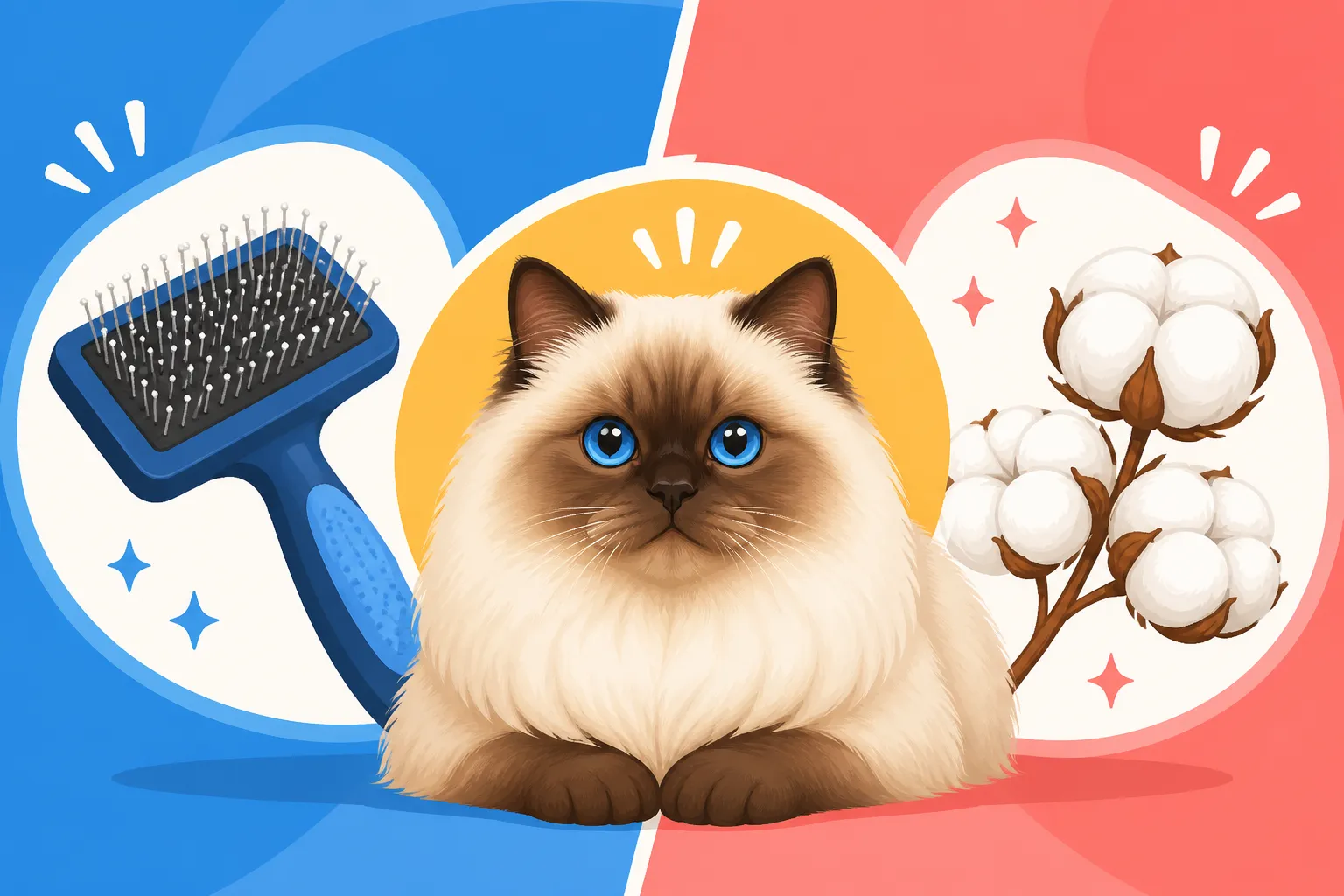
When you dream of bringing a beautiful Himalayan cat into your home, it's natural to think about the initial purchase price, maybe a fancy new bed, and a few toys. But let me tell you, as someone who’s lived with and loved these magnificent felines for years, the real day-to-day budget for a Himalayan isn't about grand expenses or unexpected emergencies in the early days. It's a steady, ongoing commitment, and you'll quickly discover that a significant portion of your financial outlay goes directly into two seemingly simple things: a good comb and a steady supply of cotton pads. This guide is going to walk you through exactly why these everyday items, and the routine they represent, become the true cornerstone of Himalayan ownership costs.
The Unseen Costs of That Glorious Coat
That luxurious, flowing coat is undoubtedly one of the Himalayan's most striking features, drawing admirers from all corners. But behind every perfectly coiffed show cat or comfortably purring lap cat lies a meticulous and demanding grooming routine that simply cannot be skipped. This isn't just about aesthetics; it's fundamental to their health and comfort.
The Daily Combing Commitment
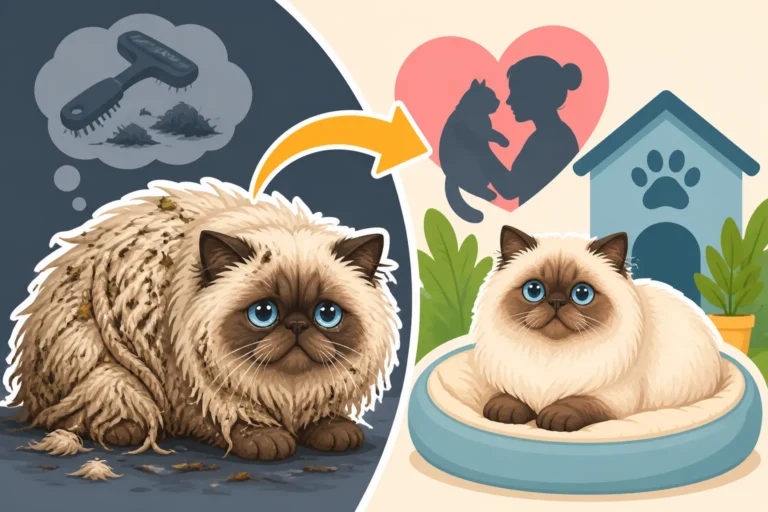
Many new Himalayan owners, perhaps used to shorter-haired breeds or even other long-haired cats, often underestimate the sheer dedication required for their coat. This isn't a "once a week if you remember" kind of situation. This is a daily commitment, often taking anywhere from 15 minutes to half an hour, sometimes even more if you're dealing with a particularly thick undercoat or an uncooperative mood. You need the right tools: a sturdy metal comb with both wide and fine teeth is indispensable, and perhaps a specialized rake for the undercoat. These aren't necessarily one-time purchases; good quality combs can last, but you might find yourself replacing them or trying different types to find what works best for your cat's specific coat texture. The cost here isn't just the price of the comb, though quality tools are an investment; it's the invaluable commodity of your time.
Ignoring this daily ritual, even for a few days, can lead to serious trouble. That soft, dense undercoat, inherited from their Persian ancestors, is a magnet for mats. These aren't just cosmetic; mats can pull on the skin, causing discomfort, pain, and even skin infections if moisture gets trapped underneath. A small mat can quickly turn into a large, impenetrable felted area. When this happens, a simple comb won't do the trick. You're looking at professional grooming fees, or in severe cases, a trip to the vet for sedation and a full shave down, which can be an unexpected and significant expense. This is why I always say, an hour a week of devoted combing saves you a much bigger vet bill down the line. It's a constant, small expenditure of time and a recurring mental note to keep those brushes handy. How Many Minutes a Day a Persian Coat Takes on a Himalayan delves deeper into this daily time commitment.
When Combing Isn't Enough: Professional Grooming
Even with the most diligent daily combing, many Himalayan owners find themselves turning to professional groomers at least a few times a year. This might be for a thorough "de-shedding" session, a sanitary trim around the britches, or perhaps a full "lion cut" during warmer months to help manage their incredible coat and keep them comfortable. A professional groomer understands the nuances of a Himalayan's coat, can spot potential problem areas you might miss, and has specialized tools and techniques to handle even the most challenging tangles without causing stress or injury to your cat.
The cost of professional grooming varies widely depending on your location, the groomer's experience, and the specific services required. However, it's a recurring expense that should absolutely be factored into your annual budget. For example, a lion cut might seem like a drastic step, but it can be a lifesaver for cats who struggle with mats, overheat easily, or for older Himalayans who can no longer groom themselves effectively. These professional sessions, while not daily like your combing, add up over time, demonstrating that even with the best at-home care, external services often become part of the Himalayan ownership experience. What a Groomer Charges for a Himalayan Lion Cut can give you a better idea of what to expect for these specialized services.
The Delicate Dance of the Himalayan Face
Beyond the magnificent coat, the Himalayan's distinctive flattened face, a characteristic inherited from their Persian lineage, brings its own set of unique care requirements and associated costs. This charming feature, while undeniably adorable, demands daily attention to prevent common issues that can lead to discomfort, infection, and higher vet bills.
The Essential Daily Face Routine
The beautiful, round, blue eyes of a Himalayan are prone to excessive tearing due to the structure of their face, where tear ducts can become slightly kinked or simply overflow because of the shallow eye sockets. This leads to those characteristic tear stains, especially noticeable on paler body coats. It’s not just about aesthetics; that constant dampness can create a breeding ground for bacteria and yeast, leading to skin irritation, foul odors, and even painful infections in the folds around their nose.
This is where the "cotton" part of your budget truly comes into play. Every single morning, without fail, you'll need to gently wipe your Himalayan's face, paying special attention to the areas around the eyes and in the nose folds. You'll go through a surprising amount of cotton balls, soft gauze, or specialized pet facial wipes. While plain warm water can work, many owners opt for gentle, non-irritating, vet-approved cleaning solutions to tackle the rust-colored staining that often accompanies the tearing. You might explore brands that offer specific pet-safe wipes and solutions, though it's important to consult with your vet to ensure suitability for your particular cat. This daily ritual, like combing, is a non-negotiable part of responsible Himalayan ownership, and the supplies, though individually inexpensive, become a consistent line item on your shopping list. Why a Himalayan's Eyes Water All Day explains more about the causes of this constant moisture.
Eye and Dental Care: Beyond the Basics
The unique facial structure of a Himalayan also makes them more susceptible to specific health issues related to their eyes and teeth, which translates into more frequent and specialized veterinary care. For their eyes, the constant dampness can lead to conditions like fold dermatitis, where the skin folds around their nose become inflamed. Sometimes, the eyelids themselves can roll inward (entropion), causing eyelashes to rub against the cornea, leading to irritation, pain, and even corneal ulcers – which are serious emergencies that require immediate veterinary attention. Regular check-ups with your vet will often include a thorough eye examination.
When it comes to dental health, the flattened face often means a shortened jaw, which can lead to crowded teeth. This crowding makes it incredibly difficult for your Himalayan to clean their own teeth effectively and for you to do so with a toothbrush. Food particles and bacteria can easily get trapped, accelerating plaque and tartar buildup, leading to gum disease, painful infections, and eventual tooth loss. Unlike many other breeds, Himalayans often require more frequent professional dental cleanings under anesthesia, sometimes starting at a younger age. These procedures, including potential extractions, are significant veterinary expenses. Dental treats or specialized dental diets can help somewhat, but they are rarely a substitute for professional veterinary dental care. Proactive care, like regular home brushing if your cat tolerates it (good luck!), and vigilant observation for signs of dental distress, is paramount. How Crowded a Himalayan's Lower Jaw Gets details these dental challenges.
The Broader Lifestyle Costs for a Himalayan
While comb and cotton might dominate the daily routine, owning a Himalayan also involves a broader set of considerations and adjustments that factor into your overall budget. These relate to specialized nutrition, environmental management, and preventative health measures, all influenced by their unique physical characteristics.
Specialized Food and Water Solutions
Feeding a Himalayan isn't just about picking any cat food off the shelf. Their brachycephalic (flattened) facial structure means they can struggle with traditional deep, round bowls. They need wide, shallow dishes, or even tilted bowls, to comfortably eat without bending their whiskers excessively or pushing food out. You might even notice them using their paws to scoop food out of a bowl, which is a common adaptive behavior for a flat-faced cat. This can mean investing in specific feeding dishes that cater to their needs.
Beyond the bowl, the type of food can also impact their health and the appearance of their coat and tear stains. Some owners find that certain ingredients can exacerbate tear staining, leading them to choose higher quality, often more expensive, limited-ingredient diets. Because Himalayans are also generally less active than their Siamese ancestors, being more akin to their Persian side in their love for lounging, they are prone to weight gain. This means carefully portion-controlled meals and potentially specific formulations to manage their caloric intake, which can sometimes come at a premium. Why a Himalayan Pushes Food Out of a Round Bowl talks more about the impact of bowl choice. Exploring tailored nutrition plans might be part of your approach to ensuring they get the right balance without overfeeding.
Environmental and Preventative Measures
Himalayans, with their dense coats and flattened faces, are not built for extreme temperatures. They overheat very quickly, much faster than a Siamese, and need a consistently cool indoor environment. This might mean higher air conditioning bills in summer or ensuring they always have access to cool spots in the house. A cooling mat can be a good investment.
Their long coats also mean you need to be mindful of litter. Fine, dusty litter can cling to their britches and get tracked through the house, or worse, irritate their respiratory system. Many Himalayan owners opt for low-dust, larger granule litters, which can sometimes be more expensive. They also need a low-sided litter box that's easy for their short legs to step into, especially as they get older.
From a preventative health standpoint, regular vet check-ups are crucial. Beyond the daily grooming and face wiping, annual visits should include a thorough examination of their eyes and teeth, and for older Himalayans, blood work to monitor kidney function, especially considering the prevalence of Polycystic Kidney Disease (PKD) in Persian lines. Reputable breeders will provide Which Two Tests Belong on Every Himalayan Pedigree for PKD and PRA (Progressive Retinal Atrophy), but ongoing monitoring is still important. Investing in pet insurance from providers like Healthy Paws can also be a wise decision, as it can help mitigate the costs of unexpected health issues or the more frequent dental procedures they may require.
Here's a quick look at how those "comb and cotton" costs, and related expenses, add up:
| Category | Daily/Weekly Action | Typical Supplies/Services | Frequency | Impact on Budget |
|---|---|---|---|---|
| Coat Care | Daily Combing | Steel comb, slicker brush | Daily | Consistent time investment, occasional tool replacement |
| Professional Grooming | Lion cut, de-matting, sanitary trim | 2-4 times/year | Significant recurring expense | |
| Face Care | Daily Face Wiping | Cotton balls/pads, pet facial wipes | Daily | Constant consumable cost, preventing vet issues |
| Eye Drops/Solutions (if needed) | Vet-prescribed or recommended | Daily/As needed | Additional consumable cost | |
| Dental Care | Home Brushing (if possible) | Pet toothbrush, enzymatic toothpaste | Daily/Weekly | Small consumable cost |
| Professional Dental Cleanings | Vet services (anesthesia, scaling, extractions) | Annually/Bi-annually | Major recurring vet expense | |
| Food & Water | Specialized Bowls | Wide, shallow, or tilted dishes | One-time/As needed | Initial investment |
| Quality Food/Dietary Supplements | Vet-recommended kibble, wet food, treats | Monthly | Ongoing significant expense (can be higher) | |
| Litter & Environment | Low-Dust Litter | Specific litter types | Monthly | Ongoing higher consumable cost |
| Cooling Solutions | A/C, cooling mats | Seasonal | Utility cost increase, initial item cost | |
| Preventative Vet Care | Routine Check-ups & Screenings | Annual exams, blood work, eye/dental checks | Annually | Essential recurring health expense |
| Pet Insurance | Monthly premiums | Monthly | Mitigates unexpected large vet bills |
In conclusion, while the upfront cost of a Himalayan kitten can feel like a big investment, it's truly just the beginning. The long-term financial commitment is largely driven by the daily, meticulous care required for their unique coat and delicate facial structure. Those seemingly humble items – the comb and the cotton pads – represent not just a few dollars at the pet store, but a consistent, conscious allocation of your time, effort, and budget to ensure your beautiful companion lives a comfortable, healthy, and happy life. Being prepared for these ongoing needs is the key to truly enjoying your time with a Himalayan. What Fifteen Years of a Himalayan's Coat and Face Costs can help you visualize the full picture.
Disclaimer
This article is for general informational purposes only and does not constitute professional advice. Laws, prices and regulations vary by location and change over time. Consult a qualified professional for guidance on your specific situation.