What a Himalayan Costs a Year Once the Face Is Counted
Oh, the allure of a Himalayan cat! Those stunning blue eyes, that luxurious flowing coat, and that sweet, often doll-like face – it’s easy to fall head over heels for their charm. But beneath all that magnificent fluff and serene demeanor, there are specific, ongoing care needs that translate directly into significant annual costs. This guide is going to walk you through the true financial commitment of owning a Himalayan, going beyond the initial purchase price to reveal the consistent expenses driven by their unique physical characteristics, particularly their coat and face.
The Daily Grooming Investment: More Than Just a Pretty Coat
Let's be real, a Himalayan's coat is a showstopper. It's also a full-time job. Many new owners, enchanted by the beauty, underestimate the sheer volume of grooming required. This isn't just about keeping them looking good; it's absolutely vital for their health and comfort. Neglect here isn't just a bad hair day; it's a fast track to painful mats and potential skin infections, which quickly become expensive vet visits.
Comb Through the Undercoat, Not Just the Top Layer
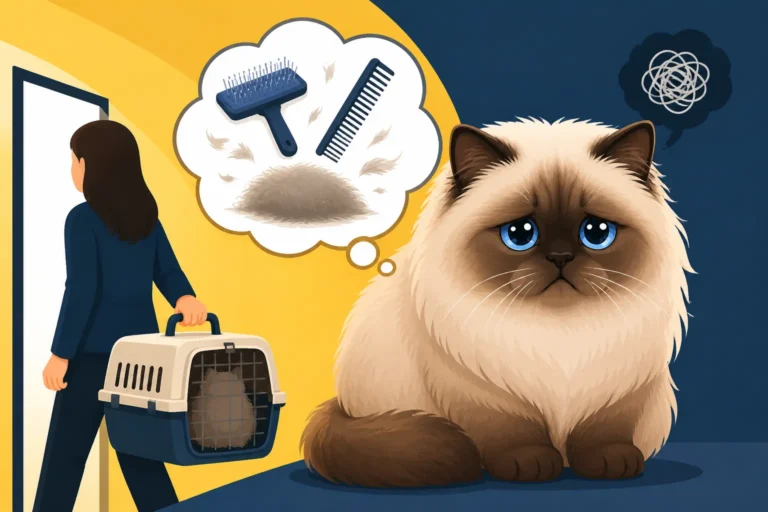
A Himalayan's coat is a double layer of dense undercoat and long, silky guard hairs. It's truly a marvel, but it's also a matting machine. You can't just run a brush over the top and call it a day; you need to get deep down to the skin, through all that glorious fluff, every single day. Skipping even one day can mean the start of tangles, which then tighten into mats that pull at their delicate skin.
This daily ritual usually takes a good 15-30 minutes, sometimes more if your cat isn't thrilled about it or if you've missed a spot. You'll need specialized tools, too: a high-quality steel comb with both wide and fine teeth is non-negotiable, and many owners find a good detangling spray helpful to prevent breakage. These tools might seem like a one-time purchase, but they wear out, combs lose teeth, and sprays run out. Think of it as a recurring supply expense. Remember, the goal is to prevent mats, not to try and remove them once they're already tight and painful. Understanding How Much Undercoat a Himalayan Carries Under Its Points really drives home why this daily commitment is so critical.
Face Wipes, Tear Stains, and Nose Fold Care
That adorable flat face, whether a traditional Doll Face or the more extreme Peke Face, comes with its own set of daily maintenance needs. Their eyes, often large and round, tend to water more than other breeds due to their facial structure. This constant moisture, combined with the folds around their nose, creates an ideal breeding ground for yeast and bacteria, leading to unsightly (and potentially smelly) tear stains and skin irritation known as fold dermatitis.
So, every morning, after that first coffee, you'll be dedicating time to gently wiping their eyes and cleaning around their nose fold. This isn't a quick swipe; it often involves specialized, gentle wipes or cotton pads soaked in a vet-approved cleaning solution. You might even need to follow up with a dry pad or tissue to ensure the area is completely dry, preventing moisture buildup. Over time, those wipes and solutions add up. If you let it go, you're looking at medicated creams or even antibiotics from the vet to treat infections. This daily routine, which we delve into in The Morning Face Routine Every Himalayan Needs, is a non-negotiable part of responsible Himalayan ownership.
Specialized Health and Vet Care: Beyond the Basics
While all cats need regular vet care, Himalayans, because of their unique breed characteristics, often require more specialized attention and, consequently, higher veterinary expenses throughout their lives. It's not about them being 'sickly,' but rather that their charming features can predispose them to certain conditions that need proactive management.
Eye Care: Keeping Those Blue Eyes Clear
Those captivating blue eyes are a hallmark of the Himalayan, but their prominent placement and the breed's facial structure can lead to ongoing eye challenges. Many Himalayans experience epiphora, which is excessive tearing. This isn't just about tear stains; it can also lead to secondary infections if the area around the eyes remains constantly damp. They can also be prone to conditions like entropion, where the eyelid rolls inward, causing eyelashes to rub against the cornea, leading to irritation and potential ulcers.
Routine vet visits will always include a thorough eye exam, but for a Himalayan, you might find yourself at the vet more frequently for specific eye concerns. Prescribed eye drops to lubricate the eyes or address minor irritations become a regular purchase. In more severe cases, surgical correction for entropion can be a significant expense. It's a testament to their delicate nature that even something as seemingly minor as why Why a Himalayan's Eyes Water All Day can lead to ongoing costs and specialist consultations to ensure their comfort and prevent serious issues.
Dental Health: The Crowded Mouth Challenge
Just like their flat faces affect their breathing, they also impact their dental anatomy. Himalayans often have shortened jaws, which means their teeth can be crowded and misaligned. This crowding creates nooks and crannies where food particles and bacteria can easily accumulate, leading to plaque, tartar buildup, and a higher risk of periodontal disease from a younger age.
This means you'll likely need to be more diligent about at-home dental care, attempting to brush their teeth with a cat-specific toothbrush and toothpaste, which many Himalayans find challenging due to their facial structure. More critically, professional dental cleanings under anesthesia become a more frequent necessity than for many other breeds. These procedures are not inexpensive, often involving X-rays and potential extractions. Understanding How Crowded a Himalayan's Lower Jaw Gets really highlights why dental care is such a major and recurring annual cost for these cats, sometimes starting earlier in their lives compared to other felines.
Respiratory Concerns: Breathing Easy Isn't Always Easy
The endearing flat face that gives the Himalayan its distinct look is also a brachycephalic feature, shared with breeds like the Persian. While adorable, this facial structure means they have shortened nasal passages, and sometimes an elongated soft palate or stenotic nares (narrow nostrils). These anatomical differences can restrict their airflow, making breathing harder, especially when they're excited, stressed, or hot.
You might notice your Himalayan snores quite loudly, which is often a sign of restricted airflow, as explored in Why a Himalayan Snores Louder Than Its Siamese Ancestors. This can mean higher risks during anesthesia for any procedure, as they require closer monitoring. In severe cases, some Himalayans may require corrective surgeries, such as widening the nostrils or shortening the soft palate, to improve their breathing. These surgeries are complex and carry a substantial price tag. Beyond that, general care might include air purifiers or humidifiers to support their respiratory health. Staying vigilant for signs of respiratory distress, such as open-mouth breathing or excessive panting, is crucial and often means a quick trip to the vet.
Nutrition and Environment: Tailoring for a Flat Face and Fluffy Coat
A Himalayan's unique build and dense coat mean their daily living environment and diet need careful consideration. What works for a typical house cat might not be ideal for these special felines, leading to specific choices and, yes, additional costs.
Food Bowl Choices and Dietary Needs
Imagine trying to eat with a flat face out of a deep, narrow bowl – it's just not comfortable or efficient for a Himalayan. Their brachycephalic structure means they often struggle with traditional food and water bowls, pushing food out, getting their faces messy, or straining to reach the bottom. This isn't just an annoyance; it can lead to frustration, reduced food intake, or even issues like chin acne if food constantly gets stuck in their facial folds.
That's why specialized wide, shallow bowls or elevated dishes are often a better choice, minimizing strain and mess. You can find excellent options on sites like Chewy that cater to flat-faced breeds. Many Himalayan owners also find that wet food is easier for their cats to consume than kibble, which can be challenging to pick up with their short jaws. If you opt for wet food, the cost per year can be significantly higher than dry food. Furthermore, their luxurious coats thrive on good nutrition, often benefiting from diets rich in omega fatty acids to maintain skin health and minimize matting, sometimes necessitating supplements that add to the monthly grocery bill. Given their generally sedentary lifestyle, careful portion control is also important to prevent obesity, as discussed in What a Himalayan's Cobby Frame Should Weigh.
Climate Control and Comfort
Himalayans, with their incredibly dense double coats, are not built for heat. They can overheat much faster than other breeds, making summer months or warmer climates a real concern. Their compromised respiratory system, due to their flat faces, further exacerbates this issue, as they cannot pant as effectively to cool themselves down.
This means maintaining a comfortable, cool indoor environment is essential, which can translate into higher electricity bills if you live in a warm area. Air conditioning becomes a necessity, not a luxury. Beyond that, you might invest in cooling mats or elevated beds that allow for better airflow. A Himalayan should never be an outdoor cat, not only due to their grooming needs but primarily because of their inability to regulate their body temperature in warmer weather. This sensitivity is so pronounced that even The Temperature a Himalayan Starts to Struggle At is quite low compared to other cats. Think about the energy costs, especially in regions with hot summers, and factor that into your yearly budget for their well-being.
The Unforeseen and Insurable: Planning for the "What Ifs"
Even with the best daily care and preventative measures, life happens, and cats can get sick or have accidents. For a Himalayan, whose breed predisposes them to certain conditions, having a financial safety net is particularly wise.
Pet Insurance: A Safety Net for Breed-Specific Issues
Given the potential for breed-specific health challenges like Polycystic Kidney Disease (PKD), respiratory issues related to their brachycephalic face, and dental problems, pet insurance can be a genuine lifesaver. While it's another monthly expense, it can significantly mitigate the financial shock of an unexpected illness or emergency surgery.
When choosing a policy, it's crucial to read the fine print. Some insurers might have exclusions for pre-existing conditions or even breed-specific ailments related to their flat face or genetic predispositions. Research policies carefully; companies like Healthy Paws offer various plans, but understanding what is covered (and what isn't) is paramount. A comprehensive policy can help cover the costs of diagnostics, treatments, medications, and even specialist visits, turning a potentially crippling bill into a manageable co-pay. Asking questions like Whether a Himalayan Policy Excludes the Flat Face is absolutely vital before committing to coverage. It’s an investment in peace of mind.
Emergency Vet Visits and Specialist Consultations
Despite all your best efforts, emergencies can still arise, and for a Himalayan, these can sometimes be more complex due to their unique physiology. An eye injury, for example, cannot wait. Why a Himalayan's Eye Injury Cannot Wait Until Monday isn't just a dramatic statement; it's a stark reality for these cats, as corneal ulcers can rapidly worsen and threaten their vision. Such an emergency will likely involve an after-hours vet visit, specialist consultation, and potentially intensive treatment, all of which come at a premium.
Similarly, an unexpected respiratory crisis, a sudden severe mat that needs professional removal under sedation, or an unforeseen kidney issue can lead to rapid accumulation of veterinary bills. These are costs that are difficult to predict but must be accounted for in a responsible ownership budget. Setting aside an emergency fund or ensuring robust pet insurance coverage is not just prudent; for a Himalayan, it's almost a necessity to ensure you can provide them with the best possible care when they need it most. Over the lifespan of a Himalayan, from kittenhood to their senior years, which can often stretch to fifteen years or more, the accumulated costs for specialized care related to their coat and face can be substantial, as explored in What a Himalayan Costs From Kitten to Fifteen.
Disclaimer
This article is for general informational purposes only and does not constitute professional advice. Laws, prices and regulations vary by location and change over time. Consult a qualified professional for guidance on your specific situation.