Why a Himalayan Is Livelier Than People Expect
It’s a common scenario: you’ve seen pictures of magnificent Himalayan cats, all fluffy and serene, perhaps lounging gracefully on a silk pillow, and you imagine a tranquil companion who spends their days in quiet contemplation. You might even hear breeders or owners describe them as "lap cats" or "four-footed rugs." But then you bring your own Himalayan home, and lo and behold, you discover a mischievous spark, a playful streak, and even a vocal opinion that catches you completely off guard. This guide is for those of you who've been pleasantly, or sometimes comically, surprised by the hidden vivacity of your beloved Himalayan, and for those considering bringing one into their lives, ready to shed the myth of the perpetually sleepy kitty.
The Siamese Spark in the Himalayan Soul
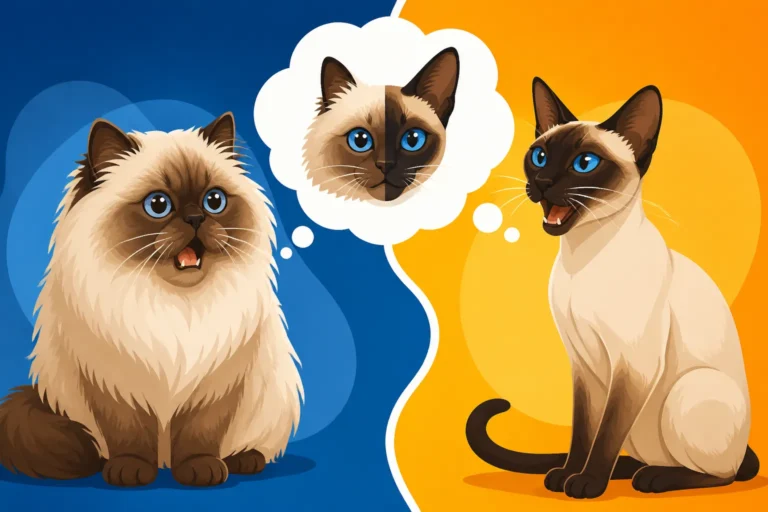
The Himalayan cat, with its stunning color points and luxuriant coat, is often seen as a quieter, more subdued version of its Persian lineage. While the Persian influence certainly lends a certain dignified calm, it’s easy to forget the other half of the equation: the spirited Siamese. This genetic blend creates a cat that truly embodies the best, and sometimes most surprising, traits of both its parent breeds. Many people are simply not prepared for the bursts of energy and the conversational nature that peek through the fluffy exterior.
Echoes of an Ancestor's Energy
Think of the Siamese cat, known for its boundless energy, sleek physique, and highly communicative nature. Now, imagine that vibrant personality filtered through the more substantial, cobby body and long, flowing coat of a Persian. What you get is a Himalayan! They might not zip around the house quite as frenetically as a purebred Siamese, but that underlying zest for life is undeniably there. You'll often see them suddenly leap up from a nap, stretch with surprising agility, and then engage in a brief, intense play session as if the spirit of a Siamese has briefly taken over their stately form. This inherent drive for activity comes directly from their Siamese ancestry, providing a delightful contrast to their calm appearance. It's a reminder that beneath all that fur, there's a strong, playful heart beating. Where the Himalayan's Voice Came From is a great read if you want to understand more about their vocal heritage.
Playfulness That Comes in Bursts
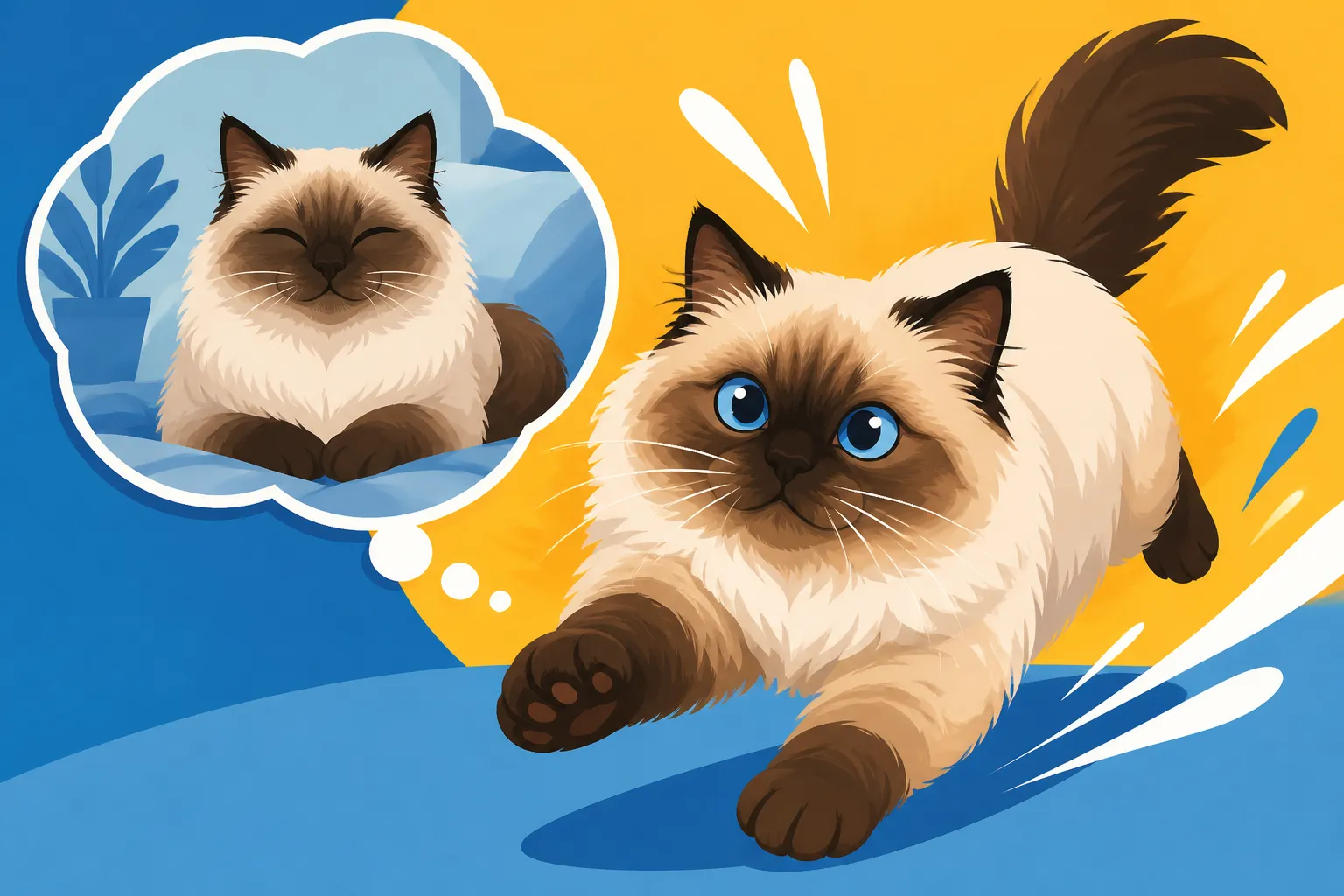
Unlike some high-energy breeds that demand constant interaction and playtime, the Himalayan’s play style is more akin to a series of enthusiastic sprints rather than a marathon. They will engage fully, batting at toys, chasing a laser dot, or pouncing on a crinkle ball with surprising speed and focus. However, these sessions are typically shorter. You might find them intensely engaged for five to ten minutes, only for them to suddenly flop down, panting gently, ready for a nap right in the middle of the game. It’s not that they don’t want to play, it’s just that their physiology, particularly their unique facial structure, means they tire more quickly than other cats. This means you need to be observant of their cues to know when to start and when to respectfully end a play session. Why a Himalayan Plays Longer Than a Persian and Less Than a Siamese delves deeper into their specific play habits.
Vocalizations Beyond a Purr
Another delightful surprise for many new Himalayan owners is their tendency to "talk." While they certainly don't possess the piercing yowl or constant chatter of a purebred Siamese, they are far from silent. They often have a softer, more melodious voice, expressing their opinions with chirps, trills, and gentle meows. They'll tell you when they're hungry, when they want attention, or when they disapprove of a change in their routine. It's not uncommon to find yourself having full-blown conversations with your Himalayan, as they seem to genuinely respond to your words with their own varied vocalizations. This communicative nature adds another layer to their unexpected liveliness, proving they’re not just beautiful to look at, but also engaging conversationalists. If you've never heard a cat chirp, prepare to be charmed. How Much More a Himalayan Talks Than a Persian explains just how much they love to voice their thoughts.
Why Their Energy Can Be Misjudged
It’s completely understandable why someone might initially underestimate a Himalayan’s activity levels. Their physical characteristics and the common perception of long-haired breeds often lead to assumptions of extreme placidness. However, a deeper look reveals why these assumptions, while rooted in some truth, don't tell the whole story of their lively personalities.
The Persian Coat's Deception
The most striking feature of a Himalayan is undoubtedly its magnificent, thick, flowing coat. This luxurious fur creates an illusion of bulk and stillness. When you see a Himalayan draped elegantly across a sofa, looking like a living, breathing cloud, your brain naturally registers "calm" and "sedentary." Their sheer volume of fur can make them appear heavier and less agile than they truly are. It’s hard to imagine a creature that looks like a walking Persian rug suddenly darting across the room or leaping playfully for a feather wand. This visual bias can lead owners to expect a truly motionless companion, only to be surprised when their fluffy friend decides it's zoomie time, however brief. How Long a Himalayan's Coat Actually Grows helps explain the sheer volume of fur they possess.
Heat Sensitivity and Short Playtimes
The truth is, while Himalayans are lively, their physical structure places some natural limitations on their stamina. Their brachycephalic (flat) faces, inherited from their Persian side, can make breathing less efficient, especially during strenuous activity. Coupled with their dense, long coats, this means they can overheat relatively quickly. This isn't a sign of laziness, but rather a physiological reality. A Himalayan might engage in an enthusiastic play session, only to stop abruptly, seeking a cool spot or panting softly. This natural need to conserve energy and avoid overheating contributes to their pattern of short, intense bursts of activity rather than prolonged play. Understanding this is key to interpreting their energy levels accurately and ensuring their safety. You'll learn to recognize The Signal a Himalayan Gives Before It Overheats.
The Art of Observation
Himalayans are often described as observers. They might not always be physically running and jumping, but they are constantly taking in their environment, watching, and processing. They often perch on a favored chair or window ledge, silently observing the world around them, their intelligent blue eyes missing nothing. This quiet vigilance can be mistaken for a lack of interest or energy. However, if you watch closely, you’ll see their ears twitch, their eyes track a fly, or their tail give a subtle flick – all signs of an engaged and mentally active cat. Their preference for strategic observation over constant physical exertion is another facet of their unique blend of Persian calm and Siamese curiosity. They are far from bored; they are simply absorbing. What a Himalayan Does All Day in One Chair explores this behavior in depth.
Engaging Your Surprisingly Lively Himalayan
So, you’ve discovered your Himalayan isn't just a static display of fluff – they have a playful side! The key is to engage them in ways that respect their unique physiology while still fulfilling their need for mental and physical stimulation. This means thoughtful toy selection, appropriate play sessions, and an understanding of how they prefer to interact.
Tailoring Play to Their Stamina
Because Himalayans have those short bursts of energy and can overheat, it's crucial to tailor play sessions to their stamina. Instead of expecting a half-hour chase, aim for multiple shorter sessions throughout the day – perhaps five to ten minutes each, scattered between naps and meal times. Interactive toys are fantastic for this, as they allow you to control the pace. Think wand toys with feathers or soft lures that you can drag along the floor, encouraging pounces and short chases without sustained running. Avoid activities that involve excessive jumping or prolonged exertion. Observe your cat closely; if they start to pant, slow down or end the session. Remember, mental engagement is just as important as physical, so toys that involve problem-solving, even if they're stationary, can be very rewarding. I've found many great Which Wand Toys a Himalayan Can Actually Follow options on Amazon, which can really spark their interest without overdoing it.
Mental Stimulation for the Couch Potato
Even when your Himalayan is in full "couch potato" mode, their mind can still be active. Puzzle feeders are excellent for this, encouraging them to "work" for their food and engaging their problem-solving skills. Look for shallow, wide puzzle feeders that accommodate their brachycephalic face, as deeper bowls can be frustrating. Rotate toys regularly to keep their interest piqued; even simple things like hiding treats around the room can turn mealtime into a fun scavenger hunt. Some Himalayans also respond well to catnip – not all do, but for those who do, it can provide a delightful, albeit temporary, surge of playful energy or blissful relaxation. Experiment to see what your particular kitty prefers. Whether Catnip Moves a Himalayan at All is a fascinating read on this topic. Even a simple cardboard box can become a source of immense joy and mental challenge for a Himalayan as they explore its new dimensions.
Creating an Enriching Indoor Environment
A Himalayan doesn't typically crave heights or elaborate multi-story cat trees, often preferring to stay closer to the ground. Their cobby build and luxurious coat aren’t designed for agile leaps to the top of the bookshelf. Instead, focus on enriching their ground-level environment. Provide comfortable, soft beds in various locations throughout the house, especially in cooler spots during warmer months. Cat tunnels or low-lying scratching posts can offer opportunities for exploration and stretching without demanding significant vertical effort. A window perch, even a low one, where they can observe the outside world, is often a favored spot. Remember, for a Himalayan, comfort and a sense of security are paramount, so designing a space that caters to their preferred activity levels and physical needs will foster both happiness and a subtle, quiet engagement with their surroundings. They usually prefer Why a Himalayan Picks the Sofa Over the Windowsill.
Navigating the Balance: Docile Companion, Active Mind
Living with a Himalayan means understanding that their energy isn’t always overt. It’s a delicate dance between their calm Persian demeanor and the lively whispers of their Siamese heritage. They offer a unique companionship that balances peaceful presence with surprising flashes of playfulness, and truly appreciating this balance is key to a happy life together.
Understanding Their Unique Activity Cycle
The Himalayan cat operates on its own distinctive rhythm. They are masters of relaxation, often spending long hours napping in a sunbeam or nestled on your lap. But don’t let this fool you; within that calm exterior lies an internal clock that dictates bursts of activity. These aren't random; they often coincide with prime hunting times in the wild – dawn and dusk – or simply when they've stored up enough energy to engage their playful side. You might notice them stir from a deep sleep, stretch, give a soft meow, and then suddenly be chasing their tail or batting at a dust bunny under the sofa. Learning to recognize these cycles and being ready to engage with them during their "active" periods, however brief, will deepen your bond. It's about meeting them where they are in their energy ebb and flow. How Many Hours a Day a Himalayan Is Actually Awake might surprise you.
The Importance of Routine and Interaction
Himalayans, like many cats, thrive on routine. Predictable mealtimes, consistent play sessions, and regular grooming not only contribute to their well-being but also help them feel secure enough to express their playful side. Even though their energy comes in bursts, knowing when those bursts might be welcomed and encouraged creates a happy balance. Beyond structured play, simple daily interactions are crucial. A gentle chin scratch, a quiet conversation, or even just sharing a peaceful moment on the sofa validates their presence and strengthens their bond with you. They might not always demand your attention with insistent meows, but their subtle nudges or quiet gazes are their way of asking for connection. Being available for these moments makes all the difference.
When Inactivity Is a Concern
While a certain level of placidness is normal for a Himalayan, it’s vital to distinguish between a naturally calm cat and one whose inactivity signals a health issue. A truly healthy Himalayan will still show some interest in their environment, respond to play, and maintain a healthy appetite. If your typically playful cat suddenly becomes unusually lethargic, hides more than usual, loses interest in food or water, or stops grooming, these are red flags. Given their predispositions to certain health challenges, like breathing difficulties due to their facial structure or kidney issues, any significant change in activity level warrants a prompt vet visit. Trust your instincts as an owner; you know your cat best. Observing What a Himalayan Does When It Is Unsettled can help you recognize subtle changes that might indicate a problem.
Disclaimer
This article is for general informational purposes only and does not constitute professional advice. Laws, prices and regulations vary by location and change over time. Consult a qualified professional for guidance on your specific situation.