Why a Himalayan Gives Way to a Faster Cat
It can be perplexing, and sometimes a little heartbreaking, to watch your majestic Himalayan consistently step aside when a quicker, more boisterous feline companion wants the prime sunbeam or the favorite toy. Many Himalayan owners notice their cat's gentle nature often translates into a surprising passivity in multi-cat homes, leading to questions about why their sweet, fluffy companion seems to always yield. This guide will explore the unique combination of physical traits and inherited temperament that explains why your Himalayan often chooses to gracefully give way to a faster, more assertive cat, and how to ensure their well-being in a diverse feline family.
The Physical Realities of a Himalayan's Build
One of the most significant factors influencing a Himalayan's social dynamics, especially when sharing a home with more agile cats, lies squarely in their physical build. These aren't your lithe, springing acrobats; they are built for comfort, not speed, and their body simply isn't designed for quick maneuvers or sustained athletic feats. Understanding these physical limitations helps us appreciate why they often opt for a peaceful retreat rather than a vigorous chase or confrontation.
The Cobby Body and Short Legs Aren't Built for Speed
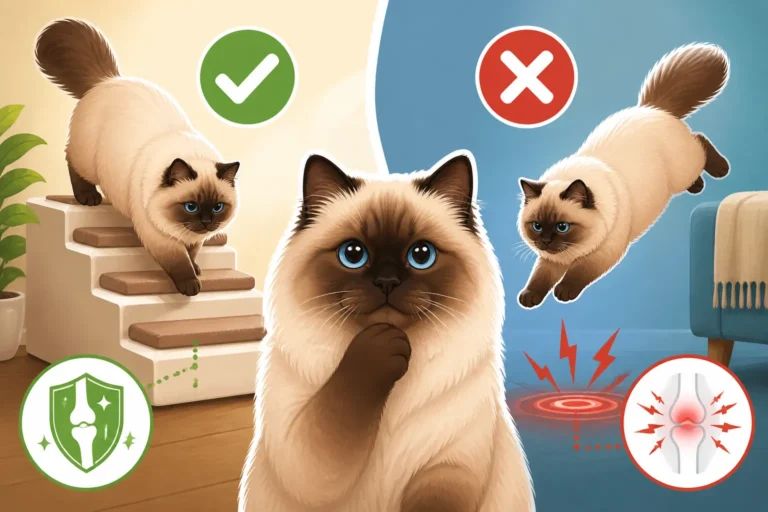
The Himalayan inherits its characteristic "cobby" body type from its Persian lineage. This means they are sturdy, compact, and quite heavy for their size, with a broad chest and a stocky frame. Their legs are notably short and thick, designed to support their substantial body, but not to propel them into sudden bursts of speed or impressive leaps. Think of a powerful, compact sedan compared to a sleek sports car – both are beautiful, but they serve different purposes.
When you observe a Himalayan attempting to chase a fast-moving toy, like a laser pointer dot, you'll notice their movements are more deliberate, less fluid than, say, a Siamese or an Abyssinian. They might make a few enthusiastic pounces, but sustained, rapid pursuit quickly becomes taxing. They struggle to gather themselves for a high jump onto a countertop or the top tier of a cat tree, often preferring to use steps or find lower, more accessible vantage points. In a household where another cat is a blur of motion, easily scaling furniture or dashing through rooms, the Himalayan's physical limitations become a clear reason why they simply opt out of the race.
Breathing Challenges and the Risk of Overheating
Another crucial physical trait contributing to the Himalayan's less competitive nature is their brachycephalic, or "flat," face. While undeniably adorable and a hallmark of the breed, this facial structure leads to shortened nasal passages and sometimes an elongated soft palate. The consequence is that their breathing can be less efficient compared to cats with longer muzzles. They might exhibit audible breathing, sometimes a soft snore, even at rest. Why a Himalayan Snores Louder Than Its Siamese Ancestors goes into more detail on this.
When a Himalayan engages in strenuous activity, their already compromised airway can struggle to keep up with the increased oxygen demand. They tire more quickly and are significantly more prone to overheating. A short session of playful wrestling or a brisk chase might lead to open-mouth panting, which is a clear signal that they've reached their physical limit and need to cool down. In a multi-cat dynamic, a Himalayan instinctively avoids situations that would lead to this discomfort. Why fight for a toy or a prime spot if the exertion means struggling for breath or feeling uncomfortably hot? It's a matter of self-preservation and comfort, leading them to yield to the faster cat that can run circles around them without breaking a sweat. It's often said that Why a Himalayan Overheats Twice as Fast as a Siamese compared to their lithe ancestors, highlighting this vulnerability.
The Insulating Persian Coat as a Natural Brake
Adding to their physical considerations is the magnificent, dense, double-layered coat, another stunning inheritance from their Persian forebears. While beautiful to behold and wonderfully soft to touch, this luxurious fur is designed for insulation. In colder climates, it's a blessing, keeping them warm and cozy. In an active play scenario, however, it acts as a very effective blanket, trapping heat against their body.
Imagine trying to run a sprint while wrapped in a thick winter coat; that's somewhat analogous to what a Himalayan experiences during sustained activity. The combination of their inefficient breathing and this insulating coat means their internal thermostat quickly goes into overdrive. They will naturally seek out cooler, shaded spots to rest and avoid any activity that might exacerbate this feeling of being too warm. This makes them less inclined to engage in high-energy play or stand their ground in a territorial dispute if it means raising their body temperature. Therefore, if a faster, shorter-haired cat dashes by, demanding attention or a shared resource, the Himalayan often makes the pragmatic decision to let them have it, preferring their cool, quiet corner. Knowing How to Cool a Long Coated Himalayan in Summer is essential for their comfort.
A Temperament That Values Peace Over Pursuit
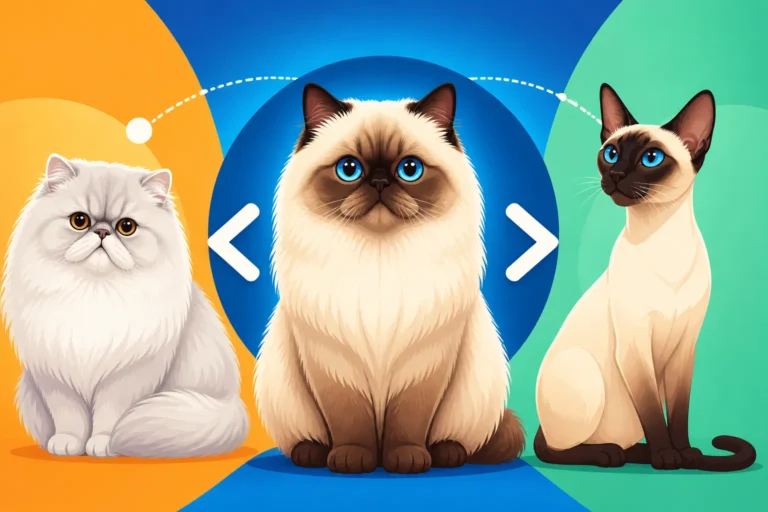
Beyond their physical build, the Himalayan's unique temperament plays an enormous role in their tendency to give way to more energetic feline companions. They are a blend of two distinct personalities – the tranquil, laid-back Persian and the more vocal, sometimes mischievous Siamese. However, in the Himalayan, the Persian's calm demeanor tends to be the dominant influence, shaping their approach to social interactions and their overall energy levels.
The Strong Persian Influence on Activity Levels
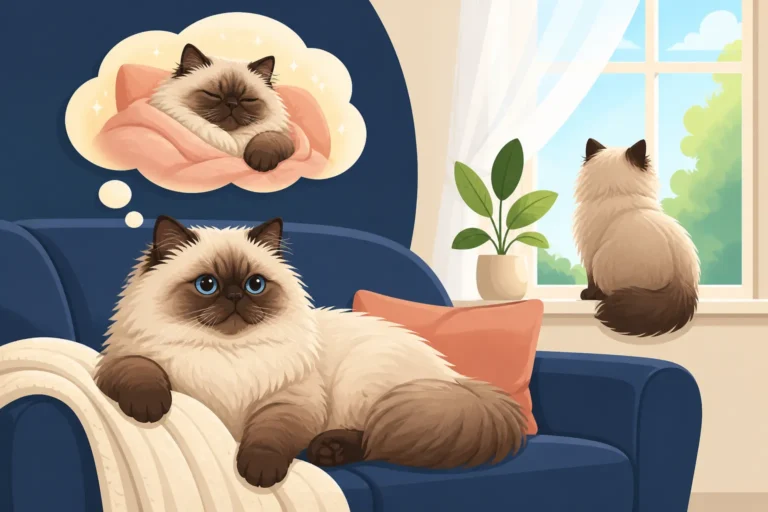
The Persian cat is renowned for its placid, gentle, and often sedentary nature. They are often described as "furniture with fur" – content to recline on a soft cushion, observing the world with calm detachment. This strong Persian influence is unmistakable in the Himalayan. They are typically much calmer and less demanding of constant attention or vigorous play than many other breeds. Their idea of a perfect afternoon usually involves a long nap in a sunny spot, followed by a gentle petting session, perhaps a quiet chat with their favorite human, and then another nap.
This inherent tranquility means they simply don't possess the same drive or desire for high-octane pursuits that a more active cat might. They aren't looking for a race or a wrestling match; they are looking for comfort, predictability, and peace. If a quicker, more energetic cat bursts into the room, full of playful aggression or demanding a chase, the Himalayan's natural inclination isn't to join in or challenge, but to find a quieter corner. Their temperament leads them to prioritize a serene environment, making yielding a natural and low-stress response to a boisterous housemate.
The Muted Siamese Playfulness
While the Siamese contribution to the Himalayan breed is significant, lending them their striking point coloration and beautiful blue eyes, it also subtly influences their personality. Himalayans do possess a voice, albeit a far less strident one than their Siamese ancestors, often communicating with soft chirps and trills. How Often a Himalayan Uses the Voice It Inherited can give you an idea of their vocal nature. They also have a spark of playfulness that you might not always see in a purebred Persian. Why a Himalayan Plays Longer Than a Persian and Less Than a Siamese details this unique balance.
However, this Siamese-derived playfulness is definitely "muted" in the Himalayan. Their play sessions tend to be shorter, less intense, and often involve more batting and gentle pouncing from a semi-recumbent position rather than high-speed dashes and acrobatic leaps. They might bat at a wand toy for a few minutes with enthusiasm but quickly retreat to rest. When a faster cat wants to engage in a rough-and-tumble game, the Himalayan's preference for calm, gentle interaction means they're unlikely to be an equal match. They're not going to be the instigator of high-energy antics, and they're usually content to let the more energetic cat burn off steam on their own or with another suitable playmate.
Observing, Not Participating: A Choice for Harmony
For many Himalayans, watching the action unfold from a comfortable distance is perfectly acceptable. They are content observers, taking in their surroundings without feeling the need to be at the center of every event. This behavior is often misunderstood as shyness or timidity, but for a Himalayan, it's frequently a conscious choice for harmony and self-preservation. They've assessed the situation, weighed the effort versus the reward, and decided that peace is the preferable outcome.
If another cat claims a favorite sunbeam, the Himalayan will often simply find another patch of light. If a toy is snatched away, they might glance at it, perhaps sigh softly, and then settle back into their nap. This isn't a sign of weakness; it's a testament to their easygoing nature and their preference for avoiding conflict. They instinctively understand that a direct confrontation might lead to physical exertion, potential overheating, and a disruption of their cherished tranquility. In a multi-cat household, a Himalayan acts as a natural peacekeeper by simply "giving way," allowing the more assertive cat to dominate while they find their own serene space. They truly value their routine and comfort, as detailed in Why a Himalayan Minds Its Routine More Than Its Address.
Creating a Harmonious Multi-Cat Household
Living with a Himalayan alongside faster, more assertive cats can be a truly enriching experience, but it requires thoughtful consideration from you, the human companion. Understanding their natural inclinations and physical limits is the first step; the next is creating an environment where both your gentle giant and your speedy sprite can thrive without constant friction or stress for the Himalayan.
Ensuring Ample Resources for Everyone
One of the most fundamental ways to reduce conflict and prevent your Himalayan from constantly feeling the need to yield is by providing an abundance of resources, strategically placed. This means having more than enough of everything so that no single cat feels deprived or has to "fight" for essentials. Think multiple food bowls, water dishes, litter boxes, and distinct sleeping areas.
For example, if you have two cats, aim for at least three litter boxes in different, easily accessible locations. Your Himalayan, with its cobby build and short legs, needs a low-sided litter box that's easy to enter and exit. Why a Himalayan Will Not Cross the House to a Box explains why proximity and ease of access are key for them. Place food and water bowls in separate areas, perhaps even on different levels or in different rooms, to prevent competition. You might find great multi-packs of sturdy, shallow food bowls suitable for their flat faces on platforms like Amazon. Having several comfy beds and blankets scattered around ensures that even if one cat claims a favorite spot, your Himalayan has many equally appealing alternatives to retreat to.
Designated Playtime and Enrichment for Each Personality
Since Himalayans and more active cats have vastly different play styles and energy levels, a "one size fits all" approach to playtime simply won't work. Instead, consider scheduling designated playtime for each cat, or at least for each type of cat. For your faster, more energetic cats, provide plenty of opportunities for vigorous play that mimics hunting – chase games, jumping after feather wands, or interactive puzzle toys that challenge them physically and mentally. This helps burn off their excess energy, making them less likely to harass your Himalayan for play.
For your Himalayan, focus on gentler, lower-impact activities. Feather wands that they can bat at from a comfortable lounging position are often a hit. They enjoy interactive play that doesn't require sustained running or jumping. Consider toys that encourage observation and gentle pawing, perhaps a kicker toy infused with catnip. You can find a huge variety of appropriate toys on Amazon, from simple crinkle balls to intricate puzzle feeders. Recognizing Which Wand Toys a Himalayan Can Actually Follow can help you select the best options for engaging them without over-exertion. These separate, tailored playtimes allow each cat to fulfill their innate needs without overwhelming or intimidating the other.
Providing Safe Retreats and Low Perches
Even in the most harmonious multi-cat homes, every cat benefits from having their own "safe space" – a place where they can retreat and feel completely undisturbed. For Himalayans, these safe spaces are particularly crucial, as they offer an escape from potential overwhelm or unwanted attention from a faster housemate. While many cats love high perches, your Himalayan is more likely to use lower, more accessible options. Why a Himalayan's Cat Tree Should Be Waist High at Most highlights their preference for ease of access.
Provide cozy cubbies, soft cat beds tucked away in quiet corners, or even a simple cardboard box where your Himalayan can feel secure. A cat tree with wide, sturdy platforms at a lower height is perfect; your Himalayan might not scale the very top, but they'll appreciate a slightly elevated perch that's easy to reach. Platforms like Amazon offer a wide selection of cat furniture, including ground-level hideaways and multi-tiered trees suitable for less agile climbers. Since Why a Himalayan Stays on the Floor and the Sofa is a common observation, ensure these safe havens are primarily at their preferred levels. These personal sanctuaries give your Himalayan the option to remove themselves from any perceived conflict or overstimulation, allowing them to relax and recharge in peace.
Choosing Compatible Companions and Managing Introductions
If you are considering adding another cat to a household with a Himalayan, careful consideration of the new cat's personality is paramount. While a Himalayan will often tolerate a more active cat, their differences in energy and demeanor can sometimes lead to an imbalanced dynamic where the Himalayan is constantly ceding ground. Ideally, another cat with a calm, gentle disposition, or one that is mature and less inclined to boisterous play, would be the most compatible companion. Which Cats Move Slowly Enough for a Himalayan could offer guidance here.
Regardless of the new cat's personality, a slow, patient introduction process is absolutely vital. Never simply throw two cats together and hope for the best. Use techniques like scent swapping, sight-unseen introductions, and gradual supervised meetings to allow both cats to adjust at their own pace. Ensure your Himalayan always has an escape route and safe zones during these introductions. The goal is for them to co-exist peacefully, respecting each other's space, rather than for them to become best playmates. With careful planning and a mindful approach to their unique needs, a multi-cat home with a Himalayan can indeed be a haven of contentment for all its feline residents.
Disclaimer
This article is for general informational purposes only and does not constitute professional advice. Laws, prices and regulations vary by location and change over time. Consult a qualified professional for guidance on your specific situation.