Why a Himalayan Sleeps on Your Chest
Many Himalayan cat owners find themselves waking up with a furry, purring weight settled comfortably on their chest. It’s a common and often cherished ritual, but it leaves many wondering about the specific reasons behind this endearing, if sometimes slightly restrictive, behavior. This guide will delve into the various factors—from instinctual drives and physical comfort to deep emotional connections and established routines—that lead your beloved Himalayan to choose your chest as their favorite sleeping spot, offering insights into what this special bond truly means.
The Irresistible Allure of Your Body Heat
Let's face it, your body is a walking, breathing, perfectly calibrated heating pad, and your Himalayan knows it. For a cat whose ancestors hail from colder climates (even if the breed itself was developed in a lab, they carry those ancient genes!), warmth is a primary driver for comfort and security. Your chest, tucked under blankets or simply radiating heat, becomes a luxurious, stable source of warmth that’s hard to beat.
The Thermal Advantage of Being Next to You
Himalayans, with their incredibly dense, long Persian coats, are designed to retain heat. While we might think this means they're always toasty, they are still masters at finding the most efficient and comfortable sources of warmth. Your body provides a consistent, living heat that is far more appealing than a cold floor or even a static pet bed. Imagine snuggling under a plush duvet on a chilly night; that’s the equivalent feeling your Himalayan gets from curling up against you. It's not just about being warm; it's about being perfectly warm, without any effort on their part.
They might seek out these warm spots because their thick coats can sometimes make them prone to overheating during strenuous activity, meaning they appreciate a stable, moderate warmth when at rest. This desire for thermal comfort is primal, tracing back to kittens huddling together for survival. Your chest offers that same sense of reliable warmth, an almost biological imperative for comfort. It’s why you’ll notice them gravitating to sunbeams or warm laps, and your sleeping body provides a steady, radiant heat source throughout the night.
Your Chest: The Ultimate Padded Nest
Beyond just warmth, your chest offers an unparalleled level of comfort. It's soft, it's yielding, and it subtly conforms to their unique, cobby body shape. Unlike a rigid cat bed, your body provides a dynamic surface that gently cradles them, moving with your every breath and shift. This creates a natural, plush nest that feels incredibly secure and cozy.
Think about how much effort it takes for a cat to find a truly comfortable sleeping position. They knead, they turn, they search for the perfect spot. Your chest eliminates much of that work. The gentle rise and fall of your breathing provides a subtle, rhythmic motion, almost like a natural rocking, which can be incredibly soothing. For a breed like the Himalayan, known for its preference for relaxed, low-to-the-ground activity, as discussed in Why a Himalayan Stays on the Floor and the Sofa, a perfectly soft, elevated cushion like your chest is an absolute dream. It supports their body perfectly, reducing any strain and ensuring deep, uninterrupted sleep. You might find them sinking into that spot with a contented sigh, entirely at ease.
Building Bonds and Seeking Security
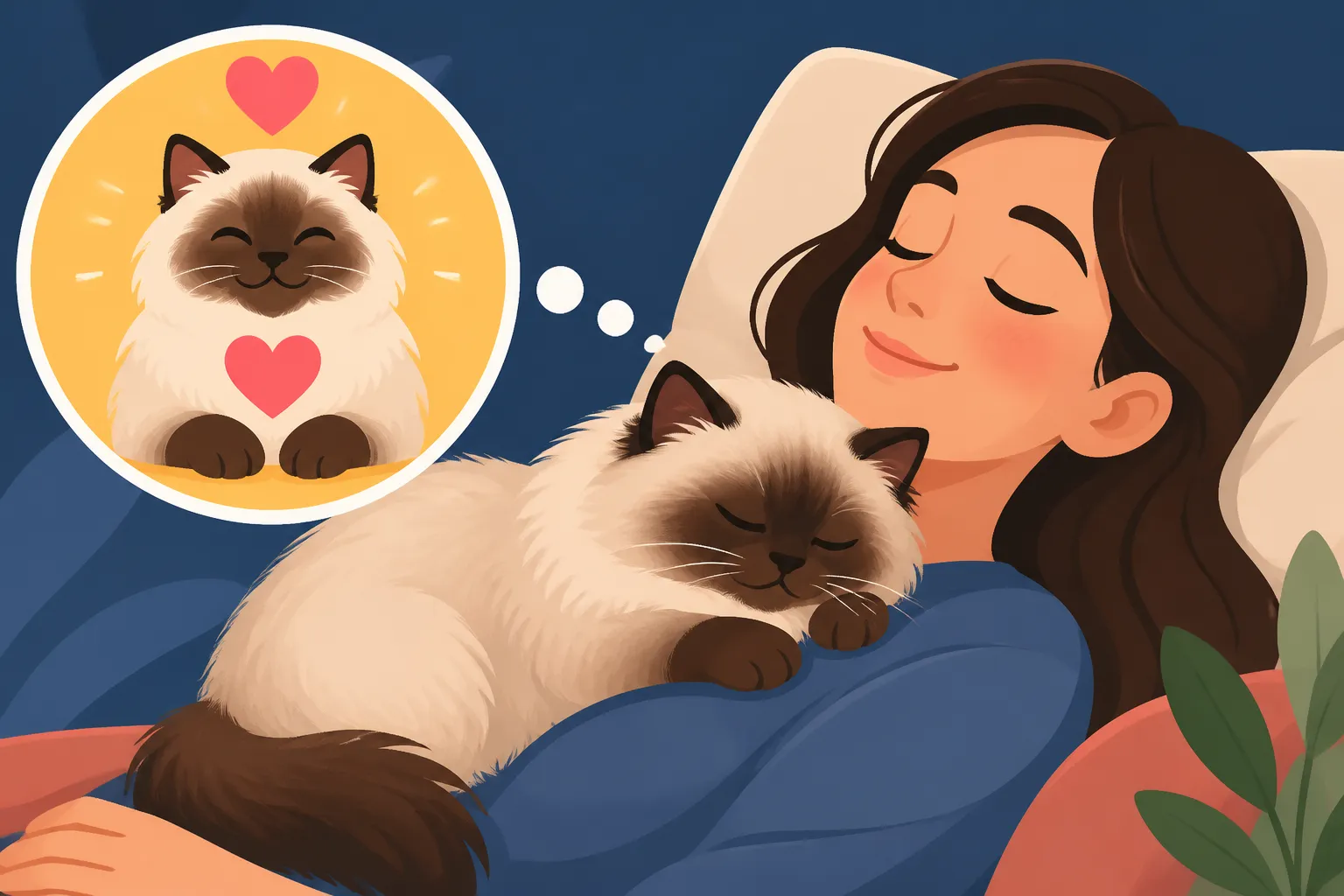
Beyond physical comfort, a Himalayan choosing to sleep on your chest is a profound declaration of trust, affection, and a deep need for security. It's not just about finding a warm spot; it's about finding their person and cementing that special connection.
Your Heartbeat: A Symphony of Safety
When your Himalayan curls up on your chest, they are literally positioned to feel the steady rhythm of your heartbeat. For cats, especially those with a strong bond to their human, this consistent thump-thump-thump can be incredibly reassuring. It harks back to their earliest days as kittens, nestled against their mother, feeling her heartbeat and breathing. It's a primal sound of life and safety, and being pressed against it provides a deep sense of calm and well-being.
This isn't just a quirky habit; it’s a powerful expression of their trust. They are placing themselves in a vulnerable position, relying entirely on you for protection and comfort while they sleep. This level of intimacy speaks volumes about the bond you share. Your chest becomes their personal safe haven, a sanctuary away from any perceived threats or disturbances in the environment. It reinforces their feeling that they are utterly protected and loved.
The Ultimate Expression of Trust and Affection
Himalayans are renowned for their affectionate nature, often described as "lap cats" with a twist, as explored in The Himalayan Is a Lap Cat That Answers Back. When they choose your chest as their sleeping place, it's an elevated form of this affection. It signifies a profound level of trust and emotional attachment. They’re not just seeking warmth; they are seeking you. This behavior is a clear sign that you are their chosen person, their anchor in the world.
This intimate sleeping arrangement is a cat's way of marking you as an essential part of their existence. It's a quiet, purring testament to the strength of your relationship. They feel safe enough to completely let their guard down, to enter deep sleep in your personal space. This deep connection is often why a Himalayan will gravitate towards one specific individual in a household, as evidenced by Why a Himalayan Follows One Person Around the House. It’s a silent conversation, a declaration of love and belonging that transcends words.
The Power of Routine and Familiar Scents
Cats are creatures of habit, and their sleeping preferences are no exception. Once a comfortable and rewarding routine is established, they tend to stick to it. Your chest can become an integral part of their nightly ritual, reinforced by the comforting presence of your unique scent.
Habits Are Hard to Break
Just like humans, cats thrive on routine. If your Himalayan started sleeping on your chest one night and found it to be a wonderful experience – warm, safe, and close to you – they're highly likely to try it again the next night. Over time, this behavior becomes a deeply ingrained habit, a cherished part of their nightly ritual. For a breed that appreciates predictability, as seen in Why a Himalayan Expects to Be Fed at the Same Hour, establishing this routine provides immense comfort.
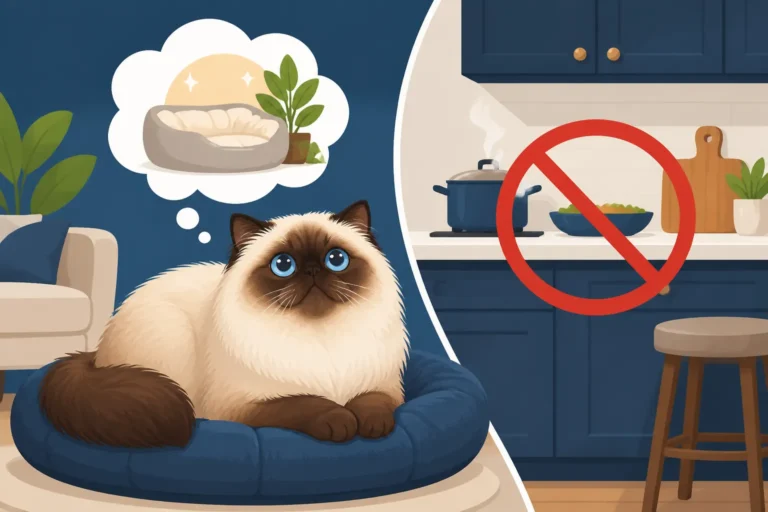
The power of habit means that even if you try to encourage them to sleep elsewhere, they might insist on their preferred spot. Cats, especially Himalayans, aren't easily dissuaded from a comfort they've grown accustomed to. They’ll wait patiently, or perhaps nudge you with their head until you make space. It’s a testament to how quickly they integrate desirable experiences into their daily lives, and your chest-sleeping arrangement often falls squarely into that category. For those rare moments when your chest isn't available, having another comfortable, warm spot is key – perhaps a heated pet mat that you can order from Amazon.
The Comforting Cloud of Your Scent
Cats rely heavily on scent to navigate and understand their world. Your unique scent is a powerful identifier and a source of immense comfort for your Himalayan. When they sleep on your chest, they are enveloped in your smell, which acts as a constant, reassuring presence throughout the night. It reinforces their sense of belonging and security, reminding them that they are with their family.
Being so close to your head and neck, where your scent is strongest, creates a comforting "scent bubble" around them. This familiar aroma tells them they are safe, loved, and exactly where they are supposed to be. It’s part of how they know you're their person. This deep immersion in your scent contributes significantly to their ability to relax completely and enter a deep, peaceful sleep. It's a non-verbal confirmation of your bond, a constant, gentle reassurance throughout the darkest hours.
Physical Traits and Behavioral Quirks at Play
Certain physical characteristics and behavioral tendencies unique to the Himalayan breed also contribute to their propensity for chest-sleeping, making it a perfectly natural choice for them.
Cobby Build and Seeking Support
Himalayans are known for their "cobby" body type – short, sturdy legs and a broad, heavy-boned frame. While beautiful, this build can sometimes make acrobatic leaps or balancing on narrow surfaces a bit more challenging. They generally prefer stable, well-supported resting spots. Your chest offers exactly that: a firm yet soft base that perfectly supports their substantial body without requiring any effort from them to maintain balance. This is especially true as they get older, and might become less inclined to jump around, preferring calm environments as they How a Himalayan Divides Its Day Between Sleep and Lap.
This desire for stable support means your chest is far more appealing than a wobbly perch or a crowded cat tree. It's a natural fit for their physical structure, allowing them to fully relax without any concern about shifting or falling. They can completely sprawl out, feeling fully grounded and secure, which leads to a deeper, more restorative sleep. Consider investing in a sturdy, low-profile cat tree, easily found on Amazon, with wide platforms that cater to a Himalayan's less agile build if you want to provide alternatives.
Your Breathing: A Soothing Lullaby
The gentle, rhythmic motion of your chest rising and falling with your breathing provides a subtle, continuous lullaby. This steady rhythm can be incredibly calming for a cat, almost like a constant, gentle rocking sensation. It’s a natural, built-in white noise machine combined with a comforting physical sensation. This constant, predictable motion can help them drift off to sleep and stay asleep, feeling utterly content.
For a breed that sometimes experiences respiratory nuances due to their flattened facial structure, as mentioned in Why a Himalayan Snores Louder Than Its Siamese Ancestors and Why a Himalayan Sleeps With Its Neck Stretched Out, the steady, unobstructed flow of your breath might be subtly reassuring. It creates a tranquil environment, allowing them to breathe easily and peacefully alongside you. This close proximity means they are completely in tune with your natural rhythms, fostering a deeper sense of peace and connection during their slumber. This deep level of comfort is also why Himalayans are known to purr more than they meow, as explored in Why a Himalayan Purrs More Than It Meows, expressing their profound contentment in these moments.
Summary of Why Your Himalayan Loves Your Chest
| Reason | Explanation | Himalayan Trait Connection |
|---|---|---|
| Consistent Warmth | Your body provides a stable, living heat source. | Dense Persian coat, instinctual quest for optimal temperature. |
| Soft Comfort | Your chest is plush, yielding, and conforms to their shape. | Cobby build, preference for cushioned, stable resting spots. |
| Security & Trust | Elevated position, proximity to heartbeat, deep trust in their person. | Instinctual need for safe havens, strong emotional bonds with owners, often loyal to one individual. |
| Familiar Scent | Immersed in your unique, calming aroma. | Scent-driven communication, reinforces belonging and security. |
| Soothing Rhythm | Gentle rise and fall of your breathing, steady heartbeat. | Calming effect of rhythmic motion and sound, potentially reassuring for respiratory comfort. |
| Established Routine | Once experienced as positive, becomes a cherished nightly habit. | Cats thrive on predictability and routine, reinforcing desired behaviors. |
| "Lap Cat" Nature | Their inherently affectionate and relaxed temperament predisposes them to close contact. | The Himalayan Is a Lap Cat That Answers Back, enjoyment of stillness and proximity, less demanding of constant activity. |
Many owners find that a warm, soft cat bed can offer a good alternative if your chest isn't always available, perhaps one you found on Amazon with a self-warming feature. To encourage independent sleeping, you might place a blanket that smells like you (or a new, cozy blanket from Amazon) in a designated cat bed. However, for most Himalayan owners, the gentle weight and purr on their chest is a welcome sign of love and contentment, a truly unique and cherished aspect of living with this wonderful breed. If excessive purring or snoring near your ear becomes an issue, some people use white noise machines (also available on Amazon) to help them sleep, allowing both of you to rest peacefully.
Disclaimer
This article is for general informational purposes only and does not constitute professional advice. Laws, prices and regulations vary by location and change over time. Consult a qualified professional for guidance on your specific situation.