Whether a Solid Himalayan Can Exist
A solid Himalayan cat coat appearance and genetics differ, explaining why a dark colorpoint feline can look uniform.
Is this the right one for you?
Origins and temperament, size and coat, what living with one is actually like, and how it compares to the breeds people weigh against it.

A solid Himalayan cat coat appearance and genetics differ, explaining why a dark colorpoint feline can look uniform.
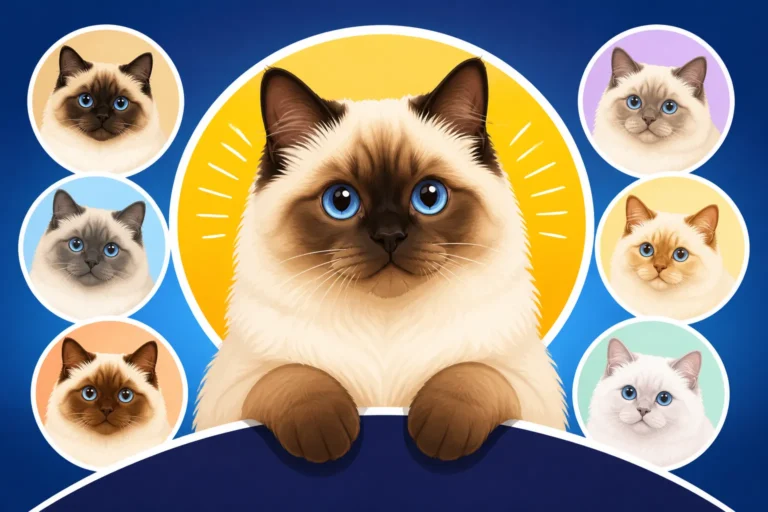
Ten commonly listed base point color categories define Himalayan cats, with additional named varieties for pattern combinations.
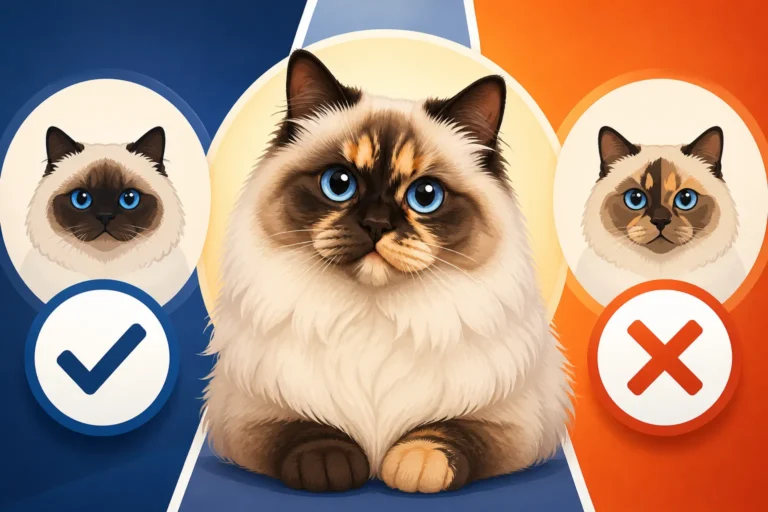
A tortie point Himalayan classification depends on registry standards, combining pointed color patterns with tortoiseshell markings.
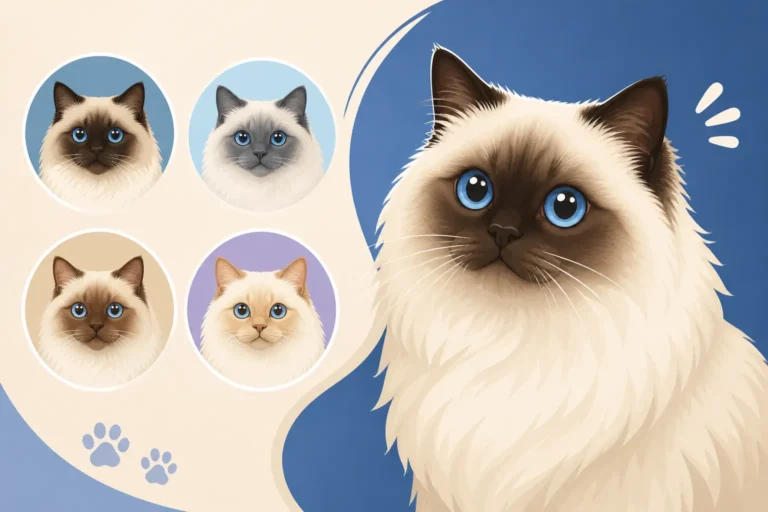
Himalayan point colors and patterns, including solid shades and lynx markings, explained by registry standards.

Lynx point Himalayan kittens feature tabby markings on dark areas and blue eyes, but buyers should check registration records for official recognition.
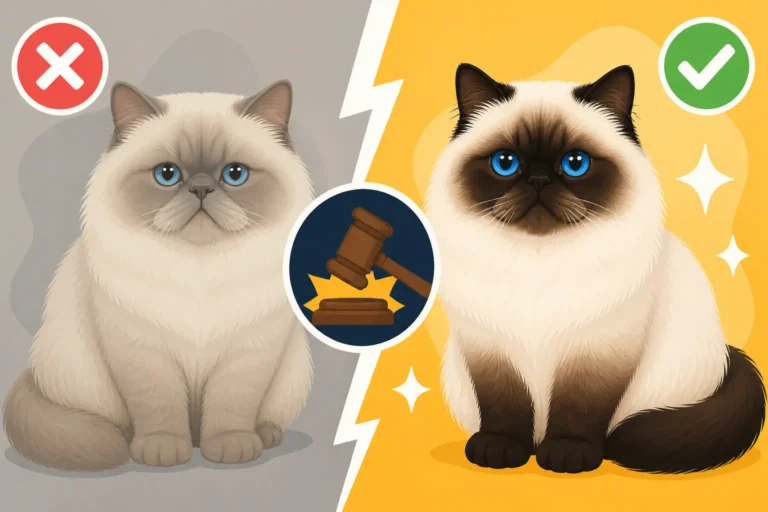
Himalayan cat point contrast relies on the relationship between dark markings and the pale body coat assessed by judges.

A Himalayan neck ruff varies with age, sex, and season, requiring regular combing to remove loose shed hair and prevent tangles.

Himalayan cat faults, ranging from scoring deductions to formal disqualifications, and what exhibitors must check before entering competitions.
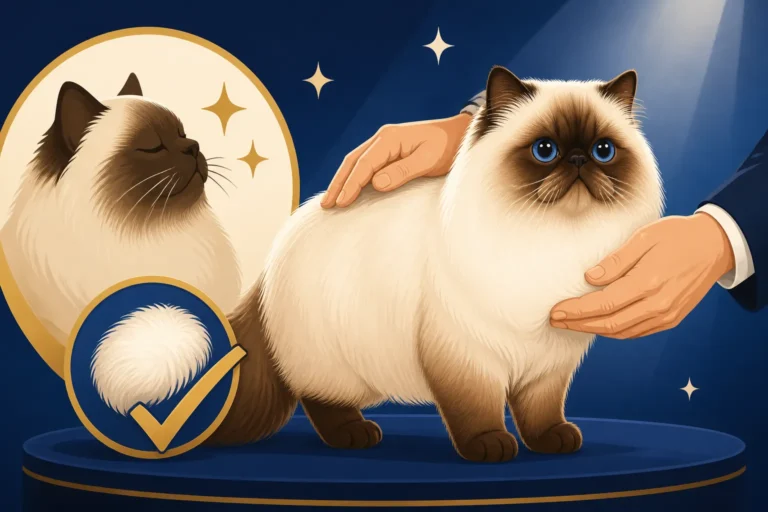
Himalayan cat coat texture standards, judge expectations, and methods to assess fur length, density, and body at home.
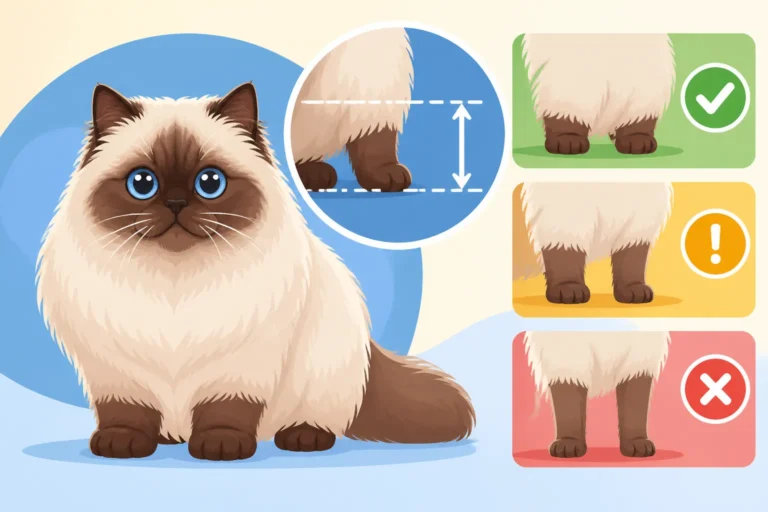
Himalayan leg proportions and movement, explaining balanced builds, how coat length affects appearance, and signs requiring veterinary care.