How Litter Works Its Way Into a Himalayan’s Coat
If you're a proud parent to a magnificent Himalayan, you know the unparalleled joy (and sometimes, the unique challenges!) that come with their luxurious, flowing coats. One particular frustration that almost every Himalayan owner faces is the seemingly impossible task of keeping litter from becoming a permanent fixture in their cat's beautiful fur. It’s a messy, uncomfortable, and often baffling problem that can leave you wondering if you'll ever have a truly pristine home or a litter-free cat again. This comprehensive guide is here to walk you through exactly why litter becomes so embedded in a Himalayan's coat, the common areas affected, the potential health risks, and most importantly, the practical steps you can take to minimize this daily struggle and keep both your cat and your home cleaner and happier.
The Unique Challenges of a Himalayan's Magnificent Coat
Himalayans are renowned for their stunning, dense, and long coats, a direct inheritance from their Persian ancestry. While undeniably beautiful, this magnificent fur, along with their distinctive body shape, presents some very specific grooming and hygiene hurdles, especially when it comes to keeping litter from migrating. It's not just a superficial annoyance; it's a constant battle against physics and feline nature.
Understanding the Double Layer of Trouble
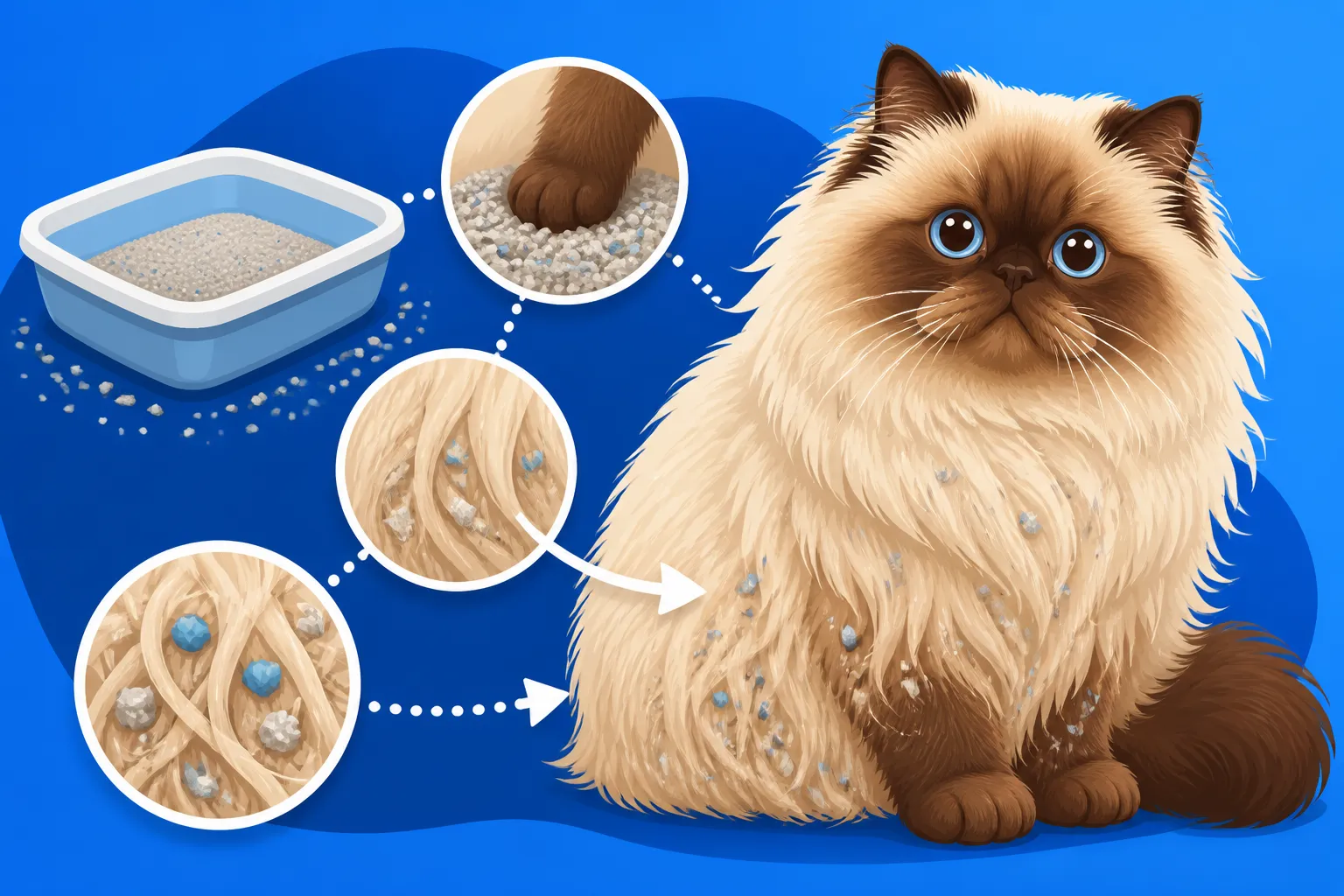
Unlike many short-haired breeds, or even some other long-haired cats, Himalayans boast a luxuriant double coat. This means they have a soft, fluffy undercoat that provides insulation, overlaid by longer, coarser guard hairs. This combination is what gives them their incredible volume and plush feel, but it's also a trap for anything that comes into contact with it. Imagine trying to sift fine sand out of a dense wool rug – that's essentially what you're dealing with when litter gets into a Himalayan's undercoat. The fine particles cling to the individual strands of the undercoat, and then the longer guard hairs act like a protective barrier, making it difficult for the litter to fall out naturally.
The length of a Himalayan's coat is truly impressive. It's not uncommon for their fur to grow several inches long, particularly around their ruff, britches, and tail. You might be surprised to learn just How Long a Himalayan's Coat Actually Grows over their lifetime. This extended length means there's simply more surface area for litter to adhere to, and more places for it to become deeply tangled. When a Himalayan steps into a litter box, their long fur, especially around their hindquarters, acts like a magnet, drawing in and holding onto the granules. This isn't just about the visible top layer either; remember that incredibly soft How Much Undercoat a Himalayan Carries Under Its Points – that's where the real trouble often begins, trapping the finer particles close to the skin.
The Physics of Litter Attraction
It’s not just the length and density of the coat; the actual mechanics of how a cat uses a litter box play a huge role. When a Himalayan steps in, digs, eliminates, and then attempts to cover their waste, their entire lower body can become involved. The friction of digging and covering can static charge their fur, making litter literally jump and stick to it. Fine dust particles from some litters can also become airborne and settle onto their coat, creating an even larger problem.
Consider the act of "covering." Many cats are quite enthusiastic in this endeavor, often kicking litter far and wide, and inadvertently flicking it onto their own bodies. A Himalayan's low-slung, cobby body type means their belly and chest fur are closer to the ground, increasing the likelihood of direct contact with the litter. As they squat and move within the box, their long fur sweeps the litter, giving it ample opportunity to cling. It's almost as if their beautiful coat is designed to be the perfect litter collector, which, as an owner, feels incredibly ironic given how much effort goes into maintaining it.
Common Culprits: How Litter Sticks and Spreads
While litter can seemingly find its way into every nook and cranny of a Himalayan's coat, there are certainly some high-traffic zones that bear the brunt of the problem. These areas are particularly challenging due to their location and the specific type of fur they carry. Understanding these hotspots is the first step in tackling the issue effectively.
The Perils of the "Britches" and "Pants"
Without a doubt, the area around a Himalayan's hindquarters, often affectionately (or exasperatedly!) called the "britches" or "pants," is the primary battleground for litter. This fur is exceptionally long, dense, and typically grows quite thick, forming a luxurious skirt-like appearance. When your Himalayan squats to use the litter box, this voluminous fur hangs down, often making direct contact with the litter. The fine granules easily get caught and tangled within the long strands, adhering to both the topcoat and the dense undercoat beneath.
The situation is exacerbated by the fact that this area is also prone to getting damp or soiled during elimination, especially with softer stools. Wet fur, combined with litter, quickly turns into a clumpy, cemented mess that is incredibly difficult to remove. Not only is it unsightly, but it can become a breeding ground for bacteria and cause significant discomfort for your cat. This is why trimming the fur in this region is not just for aesthetics; it's a vital part of hygiene. It truly helps to understand why a Himalayan's britches need trimming to prevent these kinds of issues. Ignoring this area, even for a day, can quickly lead to painful mats and skin irritation.
The Tail: A Furry Broom
A Himalayan's tail is another magnificent feature, often long, plumed, and carried gracefully. However, much like the britches, it also serves as an unintended litter-sweeper. As your cat moves around the litter box, covering their waste or simply stepping out, their tail can drag through the litter, picking up granules with every sweep. The fur on the tail is often just as dense and long as the britches, making it an excellent trap for all kinds of particulate matter.
Imagine a soft, feathered duster being dragged through a bowl of tiny pebbles – that’s essentially what happens with your Himalayan’s tail. The litter not only sticks to the surface but can also become embedded deep within the fur, especially if the tail has been swished or pressed against damp litter. Once caught, it can be surprisingly difficult to dislodge without careful combing. The tail is also a harder area for cats to groom themselves thoroughly, meaning that embedded litter often remains until a human intervenes.
Paws and Toe Tufts: Unsuspecting Carriers
Don't let the elegance of those furry paws fool you; they are stealthy litter transporters! Himalayans, like many long-haired breeds, have delightful tufts of fur that grow between their paw pads. While these "toe tufts" are adorable, they are also incredibly effective at picking up and holding onto litter granules. Every step your cat takes in the litter box presses these tufts into the litter, capturing small pieces between the pads and within the fur itself.
When your Himalayan exits the litter box, these embedded litter pieces travel with them. They might then track these granules throughout your home, leaving a trail on carpets, furniture, and even your bed. Beyond the tracking issue, persistent litter between the paw pads can cause irritation, especially if the litter is sharp or dusty. It can even lead to discomfort when walking or, in worse cases, skin inflammation or infection if left unchecked. A good mat placed right outside the litter box can help, but regular inspection and cleaning of those precious toe tufts are essential to prevent widespread tracking and maintain paw health.
The Health and Hygiene Risks of Embedded Litter
Beyond the sheer mess and frustration for you, the owner, embedded litter poses several significant health and hygiene risks for your beloved Himalayan. It's not just about looking clean; it's about their comfort and well-being. Ignoring the issue can lead to more serious problems down the line, turning a minor inconvenience into a veterinary visit.
Skin Irritation and Infections
When litter becomes trapped in a Himalayan's dense coat, especially around the sensitive areas of the britches and belly, it can quickly lead to skin problems. The granules can rub against the skin, causing chafing and irritation, similar to how sand can irritate human skin when trapped in clothing. This is particularly true for harsher, clumping litters that can form sharp edges when dry. This constant friction can break down the skin's natural barrier, leading to redness, inflammation, and discomfort.
Moreover, if litter becomes damp and then dries, it can effectively "cement" itself to the fur, pulling on the skin and creating tight mats. These mats prevent air circulation, trapping moisture and heat against the skin, creating an ideal environment for bacterial or fungal infections to flourish. A cat might also lick or chew at the irritated area, exacerbating the problem and potentially introducing more bacteria. Over time, untreated skin irritation can develop into painful dermatitis, requiring veterinary intervention with medicated washes or antibiotics. Remember, Why a Matted Himalayan Becomes a Medical Case is not just about the fur; it’s about what those mats do to the skin underneath.
Ingesting Litter During Grooming
Himalayans are fastidious groomers, spending a significant portion of their day meticulously cleaning their magnificent coats. This natural instinct, however, becomes a double-edged sword when litter is embedded in their fur. As they lick and nibble to remove tangles and debris, they inevitably ingest some of the litter particles. This can be particularly concerning with clumping litters, which are designed to absorb moisture and form hard clumps.
Ingesting small amounts of litter frequently can lead to digestive upset, including vomiting or diarrhea. In more severe cases, especially if a cat ingests a larger quantity of clumping litter, it can cause gastrointestinal blockages. The absorbed moisture can swell inside their digestive tract, creating a solid mass that their body cannot pass, leading to a life-threatening emergency. While most cats only ingest tiny amounts, the cumulative effect over time, coupled with the potential for sudden larger ingestion, makes this a serious health concern that owners need to be aware of and actively work to prevent.
Tracking Litter Through Your Home
While not a direct health risk to your cat, litter tracking is a major hygiene concern for your home environment. Those tiny granules and dust particles, carried out of the box on paws, tails, and britches, don't just stay in one spot. They get deposited on carpets, hard floors, furniture, and even your bed. This means you're constantly walking on, sitting on, and sleeping near dirty litter particles.
Beyond the grit and grime, litter can carry bacteria from your cat's waste. This spread of bacteria throughout your living space can compromise household hygiene, particularly in areas where food is prepared or consumed. For families with young children or individuals with compromised immune systems, this can be an even greater concern. The continuous cleanup effort is also a major drain on time and energy, turning the joy of pet ownership into a constant battle against mess. It's a common reason Why a Himalayan Is Surrendered Over Its Grooming – the daily upkeep can simply become overwhelming if not managed effectively.
Proactive Solutions for a Cleaner Himalayan and Home
The good news is that while you can't eliminate litter tracking entirely with a Himalayan, you can drastically reduce it with a few strategic adjustments to your litter box setup and grooming routine. It's all about making informed choices and being consistent.
Choosing the Right Litter for a Longhaired Cat
The type of litter you use is arguably the most impactful choice you can make. Not all litters are created equal, especially when dealing with a long, flowing coat.
- Avoid fine-grained, dusty litters: While some cats prefer the feel of fine-grained litter, these are a Himalayan's worst enemy. The tiny particles are prone to creating dust clouds, which settle on fur, and are incredibly adept at clinging to every strand. They also track much further.
- Opt for larger, heavier granules: Look for litters with larger, heavier pellets or crystals. These are less likely to stick to fur and toe tufts, and what does get caught is generally easier to dislodge. Silica gel crystals or paper pellets are often excellent choices for Himalayans. While initially more expensive, they can be highly effective in reducing tracking and cling.
- Consider low-dust or dust-free formulas: Minimizing dust is crucial. Even if the granules are larger, a dusty litter will still coat your cat's fur and increase the amount of debris tracked. Many brands, including those found on Chewy or Amazon, offer specific "low-dust" or "dust-free" formulations that make a noticeable difference.
Here’s a quick comparison of litter types and their suitability for Himalayans:
| Litter Type | Pros for Himalayans | Cons for Himalayans |
|---|---|---|
| Clay (Fine-grained) | Affordable, good clumping | High dust, very high cling to fur, tracks everywhere |
| Clay (Large granules) | Better tracking, still good clumping | Can still be dusty, heavier |
| Silica Gel Crystals | Excellent odor control, low dust, good anti-cling | More expensive, some cats dislike texture |
| Paper Pellets | Biodegradable, very low dust, low cling | Less odor control, doesn't clump, needs frequent changing |
| Pine Pellets | Natural, good odor control, low dust, low cling | Doesn't clump, can be heavier, strong scent for some |
| Corn/Wheat Litters | Natural, good clumping, moderate dust | Can be prone to mold, some cling |
The key is finding Which Litter Does Not Cling to a Himalayan's Britches through a bit of trial and error for your specific cat, as every cat has their own preferences!
Selecting the Perfect Litter Box Design
The box itself can make a world of difference. Think about how your Himalayan interacts with their litter box and choose a design that minimizes contact with their fur.
- High-sided boxes: A high-sided litter box is your best friend. It helps contain the kicked-out litter within the box, rather than letting it scatter onto the floor. This immediately reduces the amount of loose litter available to stick to your cat's fur as they exit. There are many options available through retailers like Chewy that are specifically designed with higher walls.
- Top-entry boxes: For some Himalayans, a top-entry litter box can be a game-changer. Cats enter from the top, and the lid often has a textured surface that helps dislodge litter from their paws as they jump out. This can significantly reduce paw-tracked litter. However, ensure your Himalayan is agile enough and comfortable jumping in and out, and that their flat face doesn't make breathing harder inside a more enclosed space.
- Large boxes: Don't skimp on size. A larger litter box gives your Himalayan more room to maneuver, reducing the likelihood of their body rubbing against the sides or directly into soiled areas. This extra space can mean their fur has less chance to make contact with the litter, especially the long britches and tail.
- Low-entry point with high sides: While high sides are good, ensure there's still a comfortable, low-entry point for your cobby Himalayan to get in and out easily, especially as they age. Some boxes feature a partial cutaway on one side to facilitate entry while maintaining high walls elsewhere. In fact, you should look for Why a Himalayan's Box Needs a Cutaway Front to cater to their shorter legs and cobby frame, preventing unnecessary stress on their joints.
The Essential Grooming Routine
No matter how perfect your litter and box setup, a Himalayan's coat demands a rigorous grooming routine. This isn't just for aesthetics; it's preventative care that directly addresses litter-related issues.
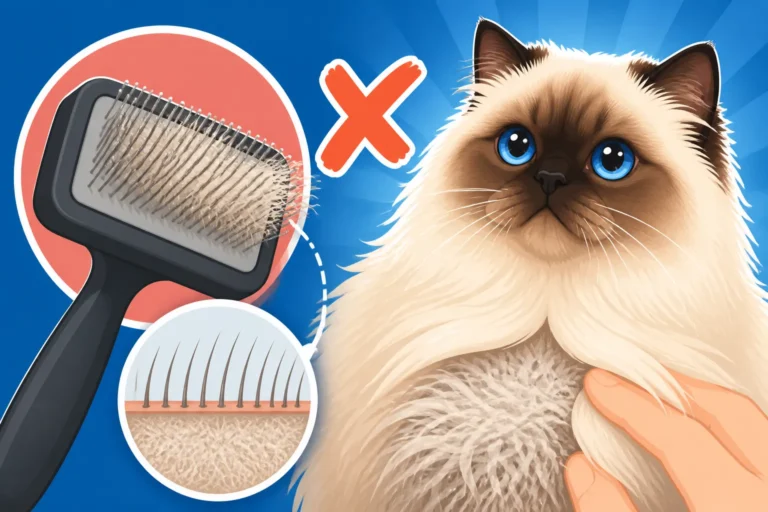
- Daily Combing is Non-Negotiable: This is the absolute cornerstone of Himalayan care. You must commit to daily combing. Their long, dense fur, especially the undercoat, mats incredibly quickly. Even one missed day can mean mats that are difficult to remove. Regular combing removes loose fur, tangles, and crucially, any litter particles that have become embedded. A good quality steel comb is essential. It's helpful to know Which Steel Comb a Himalayan's Coat Needs to effectively penetrate both the topcoat and undercoat without snagging.
- Focus on High-Traffic Zones: Pay extra attention to the britches, tail, and paw tufts during your daily grooming session. Gently comb these areas thoroughly to dislodge any trapped litter. This is also where mats are most likely to form, and removing litter often means preventing a mat from cementing into place.
- Consider "Sanitary Trims": As mentioned, trimming the fur around your Himalayan's hindquarters (the britches) can dramatically reduce litter cling and mess. This "sanitary trim" creates a shorter, cleaner area less likely to pick up waste or litter. You can often do this yourself with blunt-nosed scissors or electric clippers, or have a professional groomer handle it.
- Wiping Paws After Litter Box Use: For particularly persistent paw-trackers, a quick wipe of their paws with a pet-safe wipe or a damp cloth after they use the litter box can be incredibly effective. This removes any clinging particles before they get spread throughout the house.
Remember, a How Often a Himalayan Must Be Combed is not a suggestion, it's a requirement for their health and hygiene. It takes time – a solid How Long a Himalayan's Daily Comb Takes – but it's an investment in their comfort and your sanity.
Strategic Placement and Ancillary Tools
A few extra tricks can go a long way in your fight against litter tracking.
- Litter Mats: Place a litter mat directly outside the litter box. These mats are designed with textured surfaces or grooves that help catch and remove litter from your cat's paws as they step out. Look for large, deep-grooved mats that cover a wide area. You can find excellent options on Amazon or specialized pet stores.
- Vacuuming/Sweeping Schedule: Even with the best preventive measures, some litter will escape. Establish a regular cleaning schedule around the litter box, whether it's daily vacuuming or sweeping, to remove any stray granules before they get spread further.
- Consider an Enclosed Space (Carefully!): For some Himalayans, placing the litter box in a dedicated, easy-to-clean space, such as a laundry room or a large cabinet with a cat-door entry, can help contain the mess. However, always ensure proper ventilation and enough space, especially for a flat-faced cat that might struggle with air circulation in overly enclosed areas.
What to Do When Litter Gets Embedded
Despite all your best efforts, there will be times when litter does get embedded deeply in your Himalayan's coat. When this happens, a calm and gentle approach is key to removing it safely and without causing your cat distress or injury.
Gentle Removal Techniques
When you spot embedded litter, resist the urge to pull or yank at it. This can be painful for your cat, damage their delicate skin, and make them fearful of future grooming.
- Assess the Situation: First, determine how deeply embedded the litter is and if it has formed a mat. If it’s just loose granules, a simple comb-through might suffice. If it’s clumped and stuck to the fur, you’ll need a more careful approach.
- Use a Steel Comb: For loose or lightly embedded litter, a good quality steel comb with both wide and narrow teeth is your best friend. Start with the wide-toothed side to gently work through the fur, moving slowly and patiently. Hold the fur closest to the skin with one hand to minimize pulling. Then, switch to the finer-toothed side to catch smaller particles.
- Break Up Clumps Gently: If the litter has clumped and hardened within the fur, do not try to comb it out directly with force. Instead, try to break the clump apart into smaller pieces using your fingers. Sometimes, a very blunt tool like the end of a comb handle can help carefully chip away at the edges of the clump.
- Consider a Damp Cloth (with caution): For very stubborn, hardened clumps that might have absorbed moisture, a slightly damp cloth can sometimes help soften the clump, making it easier to break apart. However, be extremely cautious with this, as adding more moisture to clumping litter can sometimes make it even harder. Only use a very slightly damp cloth, and immediately follow up with thorough drying of the fur to prevent further matting or skin issues.
- Small Scissors for Trimming (Last Resort): If a piece of litter is truly cemented into a mat that you cannot break up, and it's causing discomfort, you might need to carefully trim it out. This should always be a last resort. Use blunt-nosed scissors specifically designed for pet grooming. Always point the scissors away from the skin, and slip a comb between the skin and the mat as a barrier before cutting. It's often safer to cut into the mat, rather than trying to cut under it. If you are at all unsure, or if the mat is large and close to the skin, please consider professional help.
Consistency is key here. Regular, gentle combing prevents these deep-seated issues from developing in the first place.
When to Call in Professional Help
There are definitely times when it's best to admit defeat and call in the cavalry – your trusted groomer or veterinarian.
- Large, Hardened Mats: If the embedded litter has formed a large, hard, tight mat close to your Himalayan's skin, especially in a sensitive area like the armpits or hindquarters, attempting to remove it yourself can be risky. You could easily cut your cat's skin, which is very thin and delicate. A professional groomer has the tools and expertise to safely shave or carefully remove these mats.
- Skin Irritation or Infection: If you notice any signs of skin redness, soreness, swelling, discharge, or if your cat is constantly licking or chewing at an area where litter has been embedded, it's time for a vet visit. The skin might be irritated or infected, and your cat could need medication.
- Your Cat is Stressed or Aggressive: If your Himalayan becomes overly stressed, agitated, or even aggressive when you try to remove embedded litter, stop immediately. Forcing the issue will only make future grooming sessions more difficult and stressful for both of you. A professional groomer might have techniques or tools that make the process less traumatic, and in some extreme cases, a vet might be able to sedate your cat for a full shave down if mats are severe.
- Lack of Proper Tools: If you don't have the right grooming tools, trying to remove deeply embedded litter can be ineffective and frustrating. A professional groomer's toolkit includes specialized combs, dematting tools, and clippers that can tackle even the toughest situations.
It's a testament to the special care Himalayans require that professional grooming is often not just a luxury, but a necessity to keep them comfortable and healthy. Don't feel like a failure for seeking help; you're simply prioritizing your cat's well-being.
Disclaimer
This article is for general informational purposes only and does not constitute professional advice. Laws, prices and regulations vary by location and change over time. Consult a qualified professional for guidance on your specific situation.