Why the Warmest Parts of a Himalayan Stay Palest
If you've ever admired a beautiful Himalayan cat, you've probably noticed their striking coloration: a lovely, pale body contrasted with darker "points" on their ears, face, paws, and tail. It's truly one of their most captivating features, but it often leaves new owners scratching their heads. Why is the body so light while the extremities are so deeply colored? It's not just a random genetic roll of the dice; it's a fascinating biological marvel directly linked to temperature, and understanding it helps us appreciate these gorgeous felines even more. This guide will explore the science behind this unique phenomenon and what it means for your furry friend.
The Genetic Blueprint Behind the Himalayan's Unique Coat
The stunning color pattern we adore in Himalayans isn't some artistic whim of nature; it's a direct result of a very specific genetic instruction set. It's rooted in their heritage, a beautiful blend of Persian luxuriance and Siamese precision. This genetic trait governs where and how pigment develops on their bodies, and it’s all tied to one fascinating factor: temperature.
The Temperature-Sensitive Tyrosinase Enzyme
At the heart of a Himalayan's distinct coat pattern lies a special enzyme called tyrosinase. This enzyme is absolutely crucial for the production of melanin, which is the pigment responsible for all those lovely colors we see in cat coats, from black and chocolate to red and cream. However, in Himalayan cats, this particular tyrosinase enzyme isn't like others. It's a mutated version, and it has a significant quirk: it's temperature-sensitive.
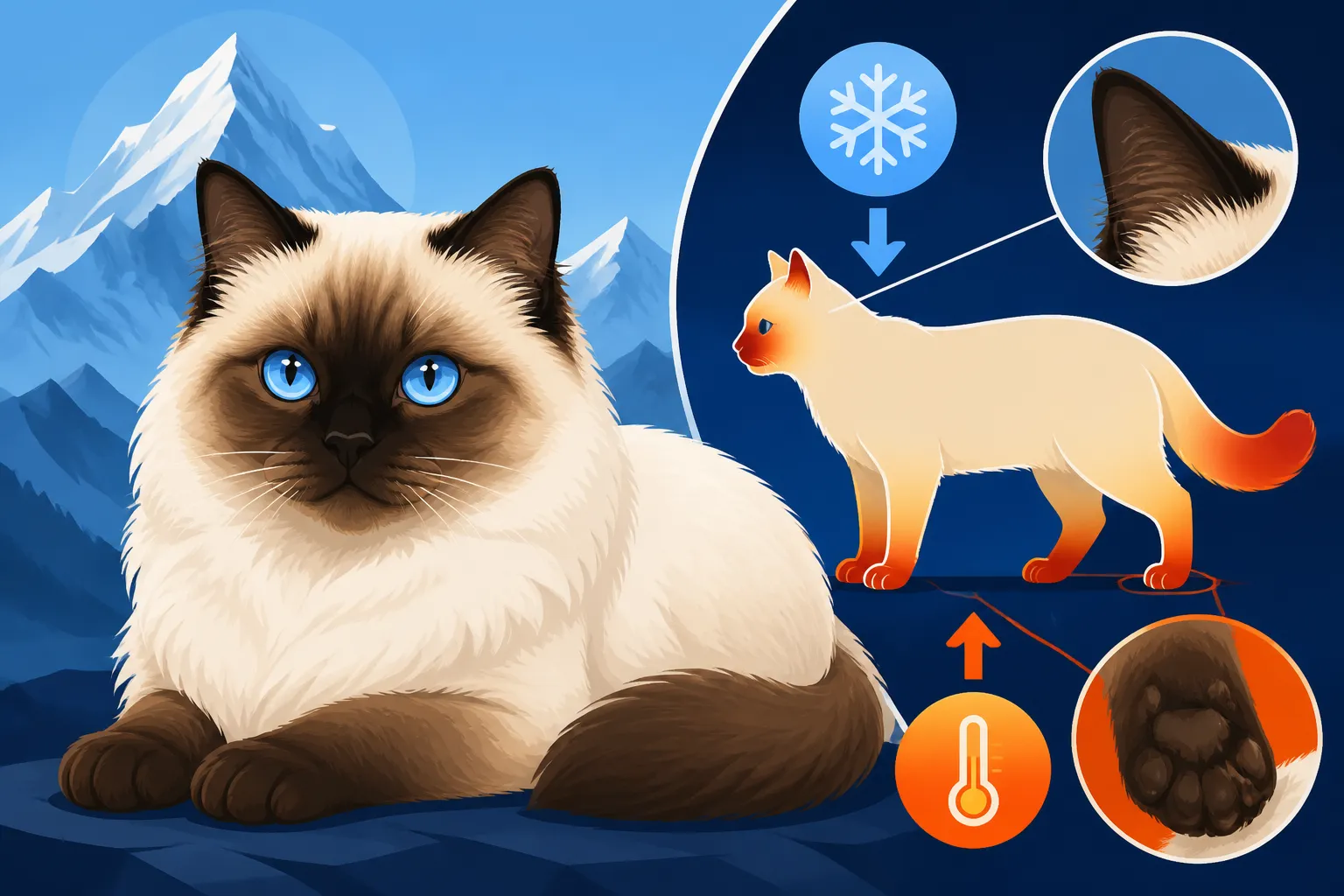
What does "temperature-sensitive" mean in practice? It means that this enzyme can only function efficiently and produce pigment when the ambient temperature is cooler. When the temperature rises, the enzyme becomes less active, or even inactive, and pigment production slows down or stops altogether. Think of it like a delicate machine that only works optimally within a specific cool environment. In the warmer core of the cat's body, this enzyme is largely switched off, resulting in less melanin and thus a paler coat. Conversely, in the cooler extremities, the enzyme is fully operational, churning out pigment to create those rich, dark points.
Inheriting the Pointed Pattern
Every Himalayan kitten starts life as a little marshmallow of white or very pale cream. This might seem surprising given their eventual dark points, but it makes perfect sense once you understand the temperature-sensitive gene. While they are developing in the relatively warm environment of their mother's womb, their body temperature keeps the tyrosinase enzyme inactive. Therefore, no pigment is produced, and they are born without any visible points. It’s a bit like a blank canvas waiting for the brushstrokes of the outside world.
As soon as these adorable kittens are born and exposed to the cooler air of the outside world, the magic begins. The colder parts of their tiny bodies – their ears, noses, paws, and tails – start to activate that temperature-sensitive enzyme. Slowly but surely, over the first few weeks and months of their lives, their points begin to emerge and deepen in color. It's a gradual process, but it's truly remarkable to watch their unique pattern unfold right before your eyes. You can tell a lot about the genetic makeup just by observing this transformation; it's why every Himalayan has this particular coloring, directly inherited. Which Gene Makes a Himalayan Pointed explains this in more detail.
What "Points" Actually Mean for Coat Color
When we talk about a Himalayan's "points," we're specifically referring to those areas of the body that are naturally cooler due to less insulation, greater exposure, or lower blood flow compared to the torso. These are precisely the parts where the temperature-sensitive tyrosinase enzyme can get to work. Imagine standing in the snow; your nose, ears, fingers, and toes are the first to get cold, right? It's a similar principle for our feline friends.
These cooler regions include the ears, which are thin and exposed; the facial mask, encompassing the nose, muzzle, and sometimes extending around the eyes; the paws, which are distal to the main body and have less muscle mass; and the tail, another extremity with less core body heat. These are the areas where the pigment-producing enzyme thrives, leading to the rich, dark coloration. The rest of the cat's body, being closer to the internal core temperature, remains warm enough to suppress the enzyme's activity, resulting in the creamy, snowy, or sometimes slightly shaded body coat that provides such a stunning contrast. Why the Cold Parts of a Himalayan Grow Dark Fur delves deeper into this.
Environmental and Internal Factors Influencing Point Coloration
While genetics lay the groundwork, the Himalayan's coat color is not a static painting. It's a living canvas, constantly influenced by their environment and even their own body's internal workings. Understanding these dynamic shifts can help you appreciate just how unique your Himalayan truly is.
The Impact of Ambient Temperature on Your Himalayan's Coat
This is perhaps the most noticeable way the environment plays a role in your Himalayan's appearance. If your Himalayan lives in a consistently cooler environment, you might notice their body coat taking on a slightly deeper shade over time, and their points becoming exceptionally rich and dark. The enzyme simply has more opportunities to activate across slightly larger areas of their body. Conversely, a Himalayan living in a warmer climate or a particularly warm house might have a paler body and points that aren't quite as intensely colored.
This isn't about deliberately trying to change your cat's color, of course! It's simply an observation of how their unique genetics interact with their surroundings. Owners who live in colder regions often marvel at the depth of color their cats achieve, especially if their kitty loves to curl up near a cool window or on a tile floor. Conversely, if your home tends to be warmer, your Himalayan might maintain a brighter, more pristine body coat. It's all part of the charm. Why a Himalayan in a Cold House Darkens All Over has more insights.
Age-Related Darkening: A Natural Process
Just like us, cats change as they age, and for Himalayans, this often includes a gradual deepening of their coat color. It's a completely natural part of their maturation. As a Himalayan cat grows older, their metabolism can slow down slightly, and their body's ability to regulate temperature might shift. This can lead to a slight overall lowering of their average body surface temperature.
Over the years, this subtle change means the temperature-sensitive enzyme gets a little more active across a wider area of their body, even their core. It's not a dramatic shift overnight, but a slow, steady progression. You might notice your once cream-bodied cat developing more shading, or their points becoming almost black or deeply chocolate, extending further up their legs or flanks. An older Himalayan can sometimes look almost solid-colored compared to their youthful, starkly contrasted appearance. It's a beautiful evolution, showcasing a lifetime of temperature exposure. Why an Old Himalayan Looks Almost Solid Colored explains this common occurrence.
Temporary Color Changes Due to Shaving or Injury
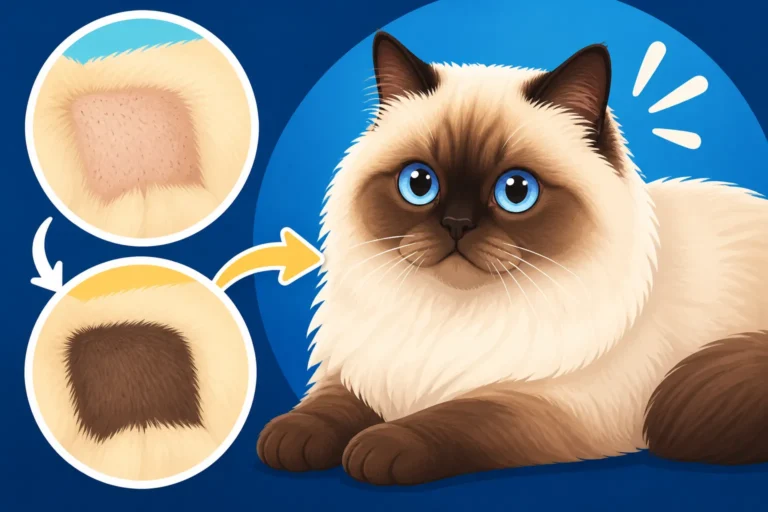
Here's where things get really interesting and can sometimes cause a bit of confusion or even concern for new Himalayan owners. If your Himalayan ever needs to be shaved for a medical procedure, or if they experience an injury that requires a patch of fur to be removed, don't be surprised if the new hair that grows back in that spot is significantly darker than the surrounding body coat. This is a classic example of the temperature-sensitive gene at work.
When an area of fur is shaved, that patch of skin is suddenly exposed to the ambient air and loses the insulating warmth of the long coat. This localized cooling activates the tyrosinase enzyme, prompting the new hair growth to be heavily pigmented. It's a temporary effect, of course; once the fur grows back and provides insulation again, subsequent hair growth will likely return to the paler body color. Similarly, if your cat has to wear a cast or a bandage, the trapped heat underneath might temporarily prevent pigment from developing in that area, resulting in lighter fur when the cast comes off, only to darken later. Why a Shaved Patch Grows Back Dark on a Himalayan illustrates this phenomenon well.
| Factor | Effect on Body Color | Effect on Point Color | Reason |
|---|---|---|---|
| Kittenhood | Very Pale/White | Barely Visible | Warm womb environment inactivates enzyme |
| Cool Home | Slightly Deeper Cream | Very Dark, Rich | Enzyme more active in cooler air |
| Warm Home | Very Pale/White | Lighter, Softer | Enzyme less active in warmer air |
| Aging | Deeper Shading | Intense, Spreading | Slower metabolism, lower body surface temps |
| Shaved Patch | Darker New Growth | N/A | Localized cooling activates enzyme |
| Injury/Cast | Lighter (under cast) | N/A | Trapped heat suppresses enzyme |
Living with and Appreciating Your Himalayan's Dynamic Coat
Understanding the science behind your Himalayan's stunning coat adds another layer of appreciation for these magnificent creatures. Their coat is not just beautiful; it's a dynamic, living testament to their unique genetic heritage, constantly interacting with the world around them.
Maintaining Coat Health and Color Contrast
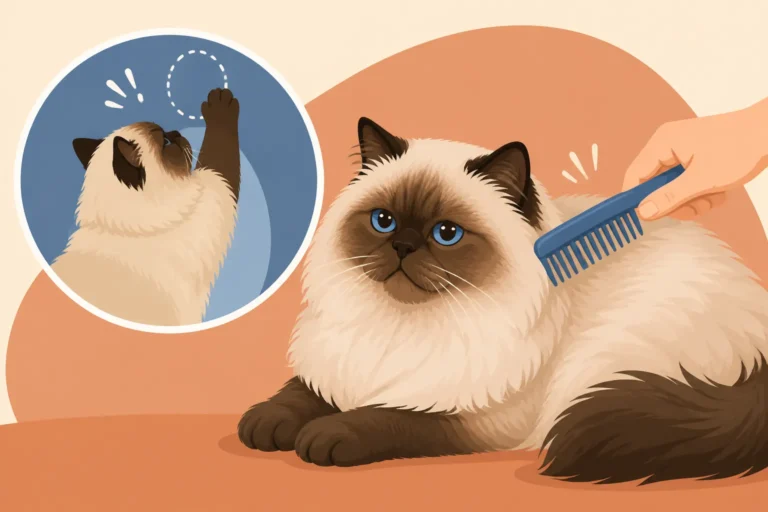
While you can't drastically alter your Himalayan's genetically determined color pattern, you can certainly help maintain the health and beauty of their coat, which in turn enhances that lovely contrast. Regular grooming is paramount. Those long, luxurious Persian coats are prone to matting, especially in the areas where points meet the paler body fur, like the "britches" (the long fur on their hind legs) or under their chin. A daily gentle combing session with a good steel comb helps prevent tangles and ensures air circulates, allowing their natural temperature regulation to work effectively. The Daily Comb a Himalayan Cannot Skip is a vital read for any owner.
Diet also plays a role in overall coat health. Feeding a high-quality, balanced diet rich in essential fatty acids (like Omega-3s and Omega-6s) can contribute to a lustrous, healthy coat that truly shines. Brands like Chewy or Amazon offer a wide range of premium cat foods and supplements specifically formulated for coat health. While these won't change the underlying color genetics, a healthy coat displays its colors more vibrantly. Keeping their pale body coat clean, particularly around the face where tear stains can be an issue, also helps maintain that striking contrast.
The Beauty of Their Ever-Changing Palette
One of the most charming aspects of owning a Himalayan is witnessing the subtle (and sometimes not-so-subtle) shifts in their coat color over their lifetime. From the pristine white of kittenhood to the deepening points and shading of maturity, and even the almost solid hue of an elder cat, it's all part of their unique journey. Don't be alarmed by these changes; embrace them as a testament to your cat's individual story.
The subtle changes tell a story. Perhaps your cat spent a particularly long summer lounging in a sunbeam, and their points softened just a touch. Or maybe a cold winter brought out an incredible depth of color you hadn't seen before. These variations are a testament to the fascinating biological process happening beneath their glorious fur. Breeders, for instance, often pay close attention to point contrast and depth, especially in show cats. How Judges Score a Himalayan's Point Contrast is a great resource if you're interested in the finer details. Ultimately, whether they are a light cream body with dark seal points or have a richer shading, every Himalayan is a marvel to behold. Even caring for an older cat whose points have gone very dark, as explored in Caring for a Himalayan Whose Points Have Gone Dark, becomes part of the journey. Their dynamic coats are a constant reminder of the beautiful interplay between genetics and environment.
Disclaimer
This article is for general informational purposes only and does not constitute professional advice. Laws, prices and regulations vary by location and change over time. Consult a qualified professional for guidance on your specific situation.