How Long a Himalayan Lives Against Its Persian Half
It’s a natural worry for any cat parent: how long will my beloved feline companion be with me? For Himalayan owners, this question often comes with an added layer of complexity. Our beautiful, fluffy friends are a unique blend of Persian majesty and Siamese charm, and sometimes, trying to figure out their health and longevity feels like decoding a genetic puzzle. This guide is here to shed light on the typical lifespan of a Himalayan, breaking down the influences from their Persian ancestry and offering actionable insights on how to foster a long, healthy life for your special cat.
Understanding the Himalayan Lifespan: What to Expect
When you bring a Himalayan into your home, you're not just getting a cat; you're getting a commitment to years of purrs, playful antics (when they feel like it!), and those signature soulful blue eyes. But just like people, not all cats are created equal in terms of how long they'll grace our lives. Understanding the general expectations can help you prepare and provide the best possible care.
The Typical Lifespan Range for Himalayans
Generally speaking, a well-cared-for Himalayan can expect to live anywhere from 9 to 15 years, with many reaching the higher end of that spectrum, and some even surpassing it. It's truly a testament to good breeding practices and dedicated ownership when you hear stories of Himalayans living to 18 or even 20 years old! This range places them squarely in line with many purebred cats, including their Persian relatives. While 9 years might seem on the shorter side, it often reflects a cat that may have succumbed to an inherited condition or faced significant health challenges. Conversely, those that live to 15 or more typically come from health-tested lines and receive exceptional daily care and veterinary attention. The article The Nine to Fifteen Years a Himalayan Usually Gets delves further into this typical age range.
It’s important to remember that these are averages. Every cat is an individual, and their unique genetic makeup, coupled with their environment and lifestyle, will ultimately write their story. However, knowing this range gives us a benchmark to work towards, motivating us to do everything we can to nudge our furry friends towards those golden senior years.
Factors That Influence Longevity
So, what truly makes the difference between a Himalayan living a good, long life and one whose journey is cut short? It boils down to a blend of genetics and good old-fashioned care. On the genetic side, a Himalayan's inherited predisposition to certain conditions, primarily from their Persian lineage, plays a significant role. We'll dive much deeper into those specific challenges shortly, but knowing your cat's family history and the health testing done by their breeder is a huge first step.
Beyond genetics, their day-to-day life greatly impacts their health and longevity. This includes the quality of their diet – proper nutrition is paramount for energy, a healthy coat, and strong organs. Regular, gentle exercise helps maintain a healthy weight and muscle tone, something particularly important for a cat that naturally leans towards being a couch potato. Living indoors, safe from outdoor dangers like traffic, predators, and contagious diseases, is non-negotiable for a Himalayan. Furthermore, consistent veterinary care, including preventative measures and early detection of any health issues, acts as a cornerstone for a long life. All these elements combined create a robust foundation for your Himalayan’s health journey.
The Persian Influence on Himalayan Longevity
It’s impossible to talk about the Himalayan cat without acknowledging their Persian heritage. Himalayans are, after all, a long-haired, pointed Persian type, meticulously bred to combine the Persian's luxurious coat and docile temperament with the Siamese's striking blue eyes and color points. But this genetic blending also means they inherit the Persian's predispositions to certain health challenges, which can, unfortunately, impact their lifespan.
Inherited Health Challenges from the Persian Parentage
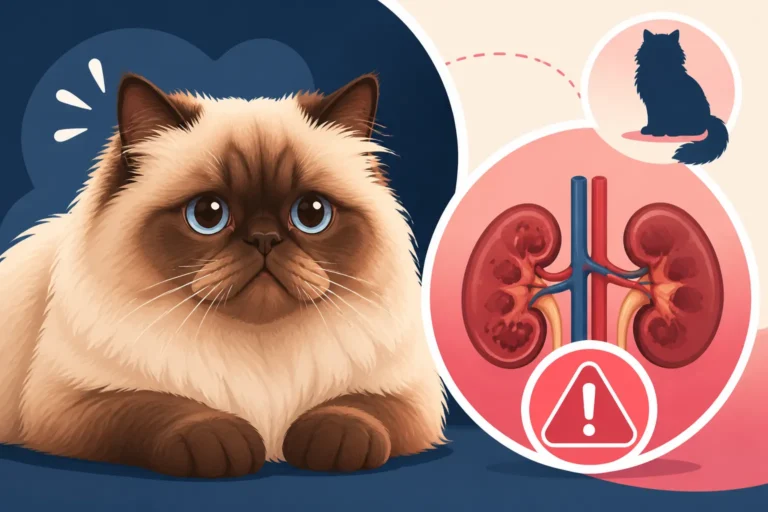
The most commonly discussed health concern passed down from the Persian side to the Himalayan is Polycystic Kidney Disease (PKD1). This is a genetic condition where cysts form in the kidneys, gradually growing larger and multiplying, eventually leading to kidney failure. It's a progressive disease, and while cats can live for years with it, it's a significant factor in their long-term health. The good news is that thanks to DNA testing, responsible breeders can screen for this gene, making it largely avoidable in kittens from tested lines. The article PKD1 Came Down the Persian Side of a Himalayan offers more detailed insights into this condition.
Another critical area of concern, stemming directly from the Persian's distinctive facial structure, is Brachycephalic Airway Syndrome (BAS). This refers to a set of anatomical abnormalities in brachycephalic (flat-faced) breeds that obstruct the upper airway. Think about those adorable squished faces – while endearing, they can lead to narrow nostrils, an elongated soft palate, and a hypoplastic trachea, all of which make breathing difficult. This isn't just about snoring; it affects their ability to cool themselves, limits their exercise tolerance, and significantly increases anesthetic risks. A cat constantly struggling to breathe will experience chronic stress on its heart and lungs, which can absolutely shorten its lifespan and severely diminish its quality of life. The challenges of BAS are further explored in Why a Himalayan Snores Louder Than Its Siamese Ancestors.
Beyond PKD and BAS, Himalayans can also inherit other issues from their Persian side. These include Hypertrophic Cardiomyopathy (HCM), a heart disease that thickens the heart muscle, and various eye conditions such as Progressive Retinal Atrophy (PRA), which can lead to blindness, or entropion, where the eyelid rolls inward, irritating the eye. Dental overcrowding due to their shortened jaw is also a common problem that requires vigilant care. Retinal Atrophy Reached the Himalayan From the Persian Too details one of these eye conditions specifically.
How Persian Traits Affect Quality of Life and Health
These inherited conditions don't just exist in a vacuum; they profoundly impact a Himalayan's daily life and overall health trajectory. A cat with severe BAS, for instance, might be constantly panting, unable to play for more than a few minutes without gasping, and more susceptible to heatstroke, especially in warmer climates. Imagine the constant effort of just breathing – it drains their energy and affects their mood. This chronic struggle can lead to secondary heart problems over time, as the heart works harder to oxygenate the body.
Similarly, a Himalayan with PKD, even if managed, requires regular veterinary visits, special diets, and potentially medications or fluid therapy as the disease progresses. This is not only a financial burden on the owner but also a source of ongoing stress for the cat, impacting their general vitality. When you factor in the dental problems that require frequent cleaning, or even extractions, the quality of life can diminish significantly if not addressed proactively. These conditions, while sometimes manageable, are chronic and require dedicated attention, which can certainly influence how comfortably and how long a Himalayan lives. Organizations like Healthy Paws can be invaluable here, helping to mitigate the financial strain of managing chronic conditions, allowing owners to focus on their cat's well-being without undue stress.
Direct Comparison: Himalayan vs. Persian Lifespans
Given that the Himalayan is often considered a variant of the Persian breed by many registries, it's natural to wonder if there's any significant difference in their lifespans. Are the Siamese genes responsible for the 'points' also subtly altering their longevity?
Similarities in Lifespan Expectations
For the most part, the lifespan expectations for Himalayans and Persians are remarkably similar. Both breeds generally fall within that 9-15 year range, with many reaching 15 years and beyond with excellent care. This makes sense because their genetic makeups are so closely intertwined. The "Persian half" of the Himalayan provides the long coat, the cobby body, and, crucially, the facial structure. Therefore, the genetic predispositions for conditions like PKD, HCM, and brachycephalic issues are shared.
Ethical breeders on both sides, whether breeding solid Persians or pointed Himalayans, strive to eliminate hereditary diseases through rigorous health testing. When both breeds come from reputable lines with clear health panels, their chances of living a long, healthy life are practically identical. The fundamental care requirements – diet, grooming, indoor living, and regular vet check-ups – are also very much alike, reinforcing the similar longevity prospects.
Nuances and Potential Differences
While broadly similar, there can be subtle nuances. Some might argue that the Siamese influence could potentially introduce slightly more robust genetics, as Siamese cats are generally known for their athletic builds and often longer lifespans (sometimes 15-20 years). However, the dominant genetic traits for conformation and health issues in the Himalayan heavily lean towards the Persian side. The Siamese contribution is primarily the colorpoint gene and perhaps a slightly more vocal and active personality, but these do not seem to significantly counteract the core health predispositions from the Persian lineage regarding major lifespan-limiting diseases.
One area where there might be minor differences is in the severity of brachycephalic features. Within the Himalayan breed, there's a spectrum from the more extreme "Peke-face" (ultra-flat) to the more moderate "Doll-face" (traditional Persian look with a visible nose). Cats with more extreme brachycephaly often face more severe breathing issues, which could, over many years, place more strain on their systems and potentially lead to a slightly shorter lifespan compared to their Doll-face counterparts. This is why some owners consider the question, Whether a Doll Face Himalayan Outlives a Peke Face One. This isn't a guaranteed outcome, but rather a higher risk factor. It's less about the "Himalayan" versus "Persian" distinction and more about the specific facial structure present in individual cats from either breed.
Here's a quick comparison of common inherited health issues:
| Health Condition | Primary Origin | Impact on Lifespan | Care/Management |
|---|---|---|---|
| Polycystic Kidney Disease (PKD) | Persian | Significant, kidney failure | Genetic testing, diet, hydration, regular vet checks |
| Brachycephalic Airway Syndrome | Persian (flat-face) | Moderate, chronic respiratory | Weight management, environmental cooling, surgery (if needed) |
| Hypertrophic Cardiomyopathy (HCM) | Persian/Genetic predisposition | Significant, heart failure | Regular cardiac screenings, medication |
| Progressive Retinal Atrophy (PRA) | Persian | None directly, but reduces quality of life by blinding | Genetic testing, managing environment for blind cats |
| Dental Overcrowding | Persian (shortened jaw) | Mild, but leads to infection/pain | Frequent dental cleanings, extractions (if necessary) |
Proactive Care and Management for a Longer, Healthier Life
While genetics play a hand in predispositions, it’s truly the proactive, loving care you provide that will give your Himalayan the best shot at living a full and vibrant life. It's about being vigilant, consistent, and working hand-in-paw with your veterinarian.
The Importance of Genetic Testing and Ethical Breeding
This cannot be stressed enough: the single biggest step you can take to ensure your Himalayan has a healthy start is to choose a breeder who prioritizes genetic health testing. A reputable breeder will screen their breeding cats for PKD using DNA tests and, ideally, perform regular cardiac ultrasounds for HCM and eye exams for PRA. They will be transparent about their cats' health histories and able to provide certificates for these tests. For example, knowing Which Two Certificates a Himalayan Breeder Owes You is essential when choosing a kitten.
By acquiring a kitten from parents who have been certified clear of known genetic diseases, you significantly reduce the risk of your cat developing these inherited conditions later in life. This initial investment in a well-bred cat can save you immeasurable heartache and substantial veterinary bills down the line. It truly lays the foundation for a long, healthy future. Understanding What Testing a Himalayan for PKD and the Eyes Costs will also give you perspective on why ethical breeders charge what they do.
Daily Care and Environmental Enrichment
Your Himalayan’s daily routine is crucial. Nutrition is foundational: feed a high-quality, balanced diet appropriate for their age and activity level. Since Himalayans aren't typically high-energy cats, it's easy for them to become overweight, which exacerbates breathing issues and joint problems. Regular, gentle exercise – think short play sessions with a wand toy or laser pointer – is important to keep them active without over-exertion. Always be mindful of their breathing during play; stop if they start panting excessively.
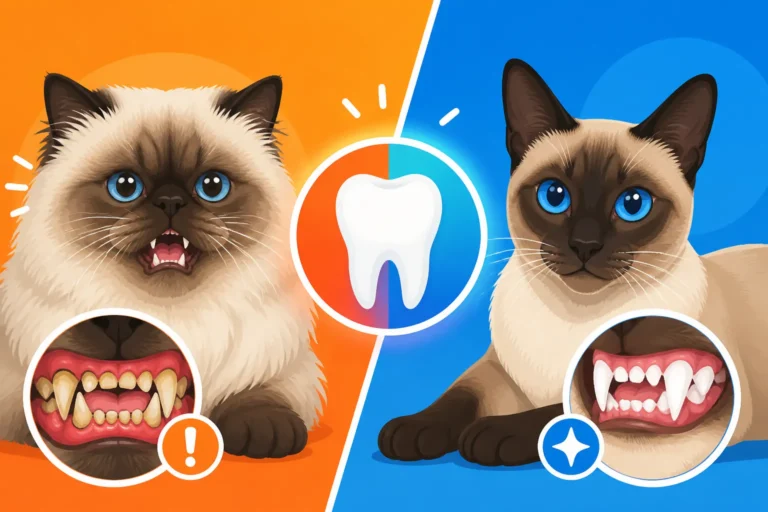
Grooming is another daily ritual for these long-haired beauties. Their luxurious double coat mats easily, especially in areas like the armpits, britches, and behind the ears. Daily combing prevents painful mats, which can lead to skin infections and discomfort. Alongside coat care, dental care is paramount. Due to their crowded mouths, Himalayans are prone to dental disease, so regular brushing (if your cat tolerates it) and professional cleanings are essential. You can learn more about this in Why a Himalayan Needs Dentals Earlier Than a Siamese.
Finally, indoor living is non-negotiable for a Himalayan. Their long coats and brachycephalic faces make them highly susceptible to overheating, and they are not equipped to handle the dangers of the outdoors. Maintaining a cool, comfortable home environment is key, especially during warmer months. Remember, Why a Himalayan Only Reaches Fifteen Indoors highlights the protective nature of an indoor lifestyle.
Regular Veterinary Check-ups and Early Intervention
Even with the best breeding and daily care, regular veterinary attention is vital. Annual check-ups allow your vet to monitor your cat's overall health, catch any subtle changes, and provide preventative care. As your Himalayan ages, these check-ups become even more critical, often including blood work to monitor organ function. Knowing What a Himalayan's Yearly Bloods Should Cover After Eight can help you discuss appropriate screening with your vet.
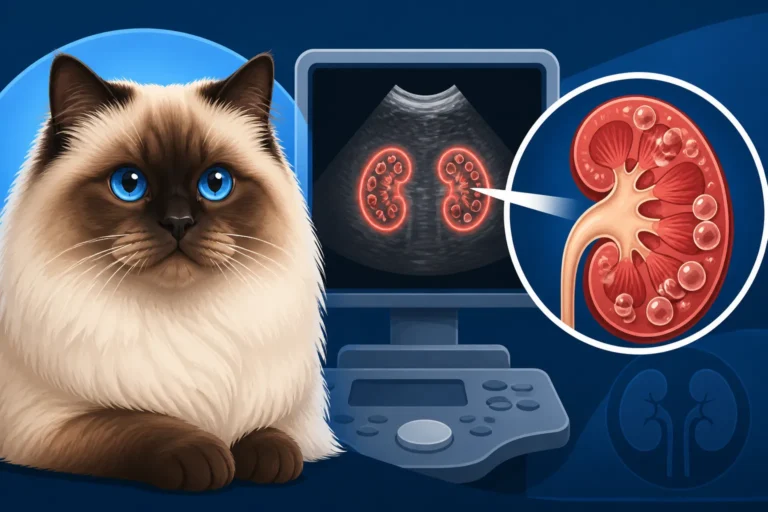
Early detection of any health issue is always the best strategy. For example, regular kidney scans can track the progression of PKD if your cat happens to be positive, as detailed in How Early Cysts Show on a Himalayan's Kidney Scan. Being proactive means you can implement management strategies sooner, potentially slowing disease progression and maintaining your cat's quality of life for longer. This is also where pet insurance, like a policy from Healthy Paws, can be incredibly beneficial. It provides financial peace of mind, ensuring you can afford the best diagnostic tests and treatments without hesitation, especially when facing chronic conditions or unexpected emergencies.
Specific Health Concerns and Their Impact on Lifespan
While we've touched on them, let's really dig into the most common health concerns affecting Himalayans, primarily inherited from their Persian lineage, and understand how they can impact their overall longevity.
Managing Polycystic Kidney Disease (PKD)
Polycystic Kidney Disease is a particularly insidious genetic condition because it's progressive and often silent until it's quite advanced. It's characterized by the development of multiple fluid-filled cysts within the kidneys, which gradually enlarge and eventually displace healthy kidney tissue, leading to kidney dysfunction and ultimately failure. Because the disease progresses slowly, symptoms like increased thirst, increased urination, lethargy, and decreased appetite often don't appear until the kidneys are significantly compromised, typically in middle to older age.
The good news, as mentioned, is that PKD is inherited in an autosomal dominant fashion, meaning only one copy of the defective gene is needed for a cat to develop the disease. This also means it's straightforward to test for using a simple cheek swab DNA test. If you have a cat whose lineage wasn't tested, or if you adopted a rescue, an ultrasound can detect cysts even before symptoms appear, often from a young age. Managing PKD involves a specific renal diet, ensuring constant access to fresh water, and sometimes medications to support kidney function or manage symptoms. While there's no cure, early diagnosis and diligent management can significantly extend a Himalayan's comfortable life, sometimes for years. Having a robust pet insurance plan, such as one from Healthy Paws, can be a game-changer for covering the ongoing costs of these treatments, making it feasible to provide the best care for your furry family member.
Addressing Brachycephalic Airway Syndrome (BAS)
Brachycephalic Airway Syndrome is a complex of upper airway abnormalities that are the direct result of the selective breeding for the flat, "peke-face" look. Imagine trying to breathe through a perpetually pinched nose and a swollen throat – that's often what a severely brachycephalic cat experiences. The primary components of BAS include:
- Stenotic Nares: Narrowed nostrils that restrict airflow.
- Elongated Soft Palate: A soft palate that is too long, extending into the airway and obstructing airflow, especially during inhalation.
- Everted Laryngeal Saccules: Small sacs in the larynx that can get pulled inward during strenuous breathing, further blocking the airway.
- Hypoplastic Trachea: A windpipe that is narrower than normal.
These issues lead to a range of symptoms, from noisy breathing and snoring to reverse sneezing, gagging, and difficulty exercising. A Himalayan with BAS struggles to take in enough oxygen and to dissipate heat effectively, making them highly prone to overheating, especially in warm weather or during stress. This constant respiratory effort puts a strain on their cardiovascular system over time, potentially impacting their overall health and lifespan.
Management involves careful environmental control (keeping them cool, avoiding stress), weight management (less weight means less strain on the respiratory system), and sometimes surgical intervention to correct the stenotic nares or trim the elongated soft palate. While surgery can significantly improve breathing, it doesn't always completely eliminate all issues. Understanding When a Himalayan's Open Mouth Breathing Needs a Vet is crucial for owners, as this can indicate a serious respiratory crisis.
Other Common Health Issues Affecting Longevity
Beyond PKD and BAS, several other conditions can influence a Himalayan's lifespan and quality of life, often with roots in their Persian lineage:
- Hypertrophic Cardiomyopathy (HCM): This is the most common heart disease in cats, characterized by a thickening of the heart muscle, especially the left ventricle. While not exclusively a Persian or Himalayan problem, certain lines can be predisposed. HCM can lead to heart failure, blood clots, and sudden death. Regular screening by a veterinary cardiologist (via echocardiogram) is recommended for breeding cats. For pet Himalayans, watch for signs like lethargy, difficulty breathing, or sudden weakness.
- Eye Conditions: Besides PRA (which we mentioned, leading to blindness), Himalayans can suffer from entropion, where the eyelids roll inward, causing the eyelashes to rub against the cornea, leading to irritation, pain, and potentially ulcers and infections. This often requires surgical correction. Their prominent, round eyes can also be more susceptible to injury.
- Dental Disease: Their charmingly flat faces often come with a shortened jaw that doesn't quite have enough room for all 30 teeth. This crowding can lead to malocclusion, trapped food particles, and an increased risk of periodontal disease, tooth resorption, and painful infections. Left untreated, chronic dental issues can lead to systemic infections affecting other organs.
While not always immediately life-threatening, these conditions contribute to the overall health burden, require diligent management, and can certainly affect how well and how long your Himalayan lives. Being aware of these potential issues and working closely with your vet, potentially utilizing resources like Healthy Paws for treatment costs, ensures that you can address them promptly and effectively, giving your cherished Himalayan the best chance at a long, happy life.
Disclaimer
This article is for general informational purposes only and does not constitute professional advice. Laws, prices and regulations vary by location and change over time. Consult a qualified professional for guidance on your specific situation.