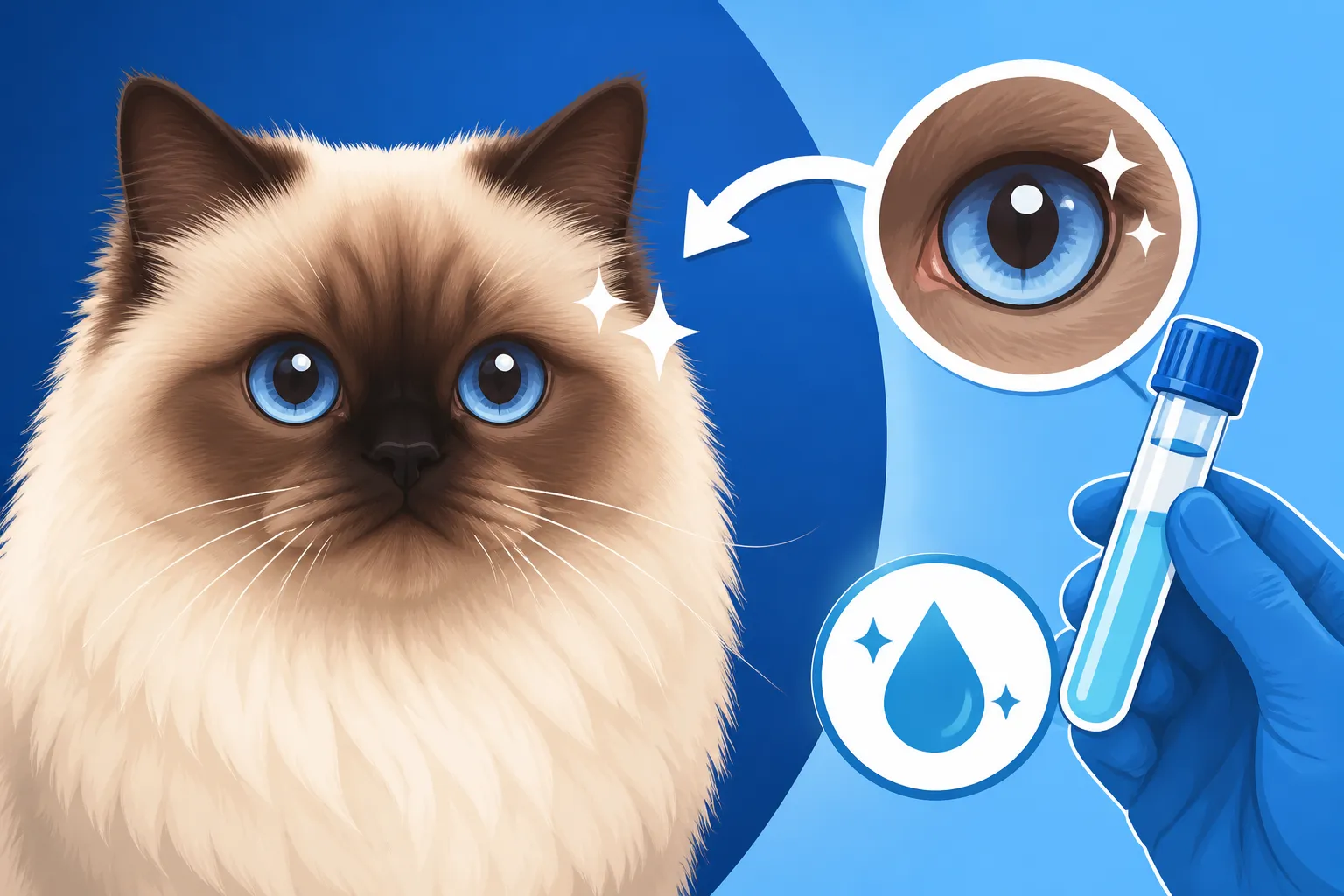
Which Test Clears a Himalayan’s Eyes
It’s a heartbreaking reality to discover your beloved Himalayan might be predisposed to a condition that could slowly steal their sight. The worry, the uncertainty, and the feeling of helplessness can be truly overwhelming. Many of us fall in love with their stunning blue eyes and gorgeous long coats, but beneath that beauty can lie inherited health challenges. This comprehensive guide will walk you through the specific genetic test designed to clear a Himalayan's eyes from Progressive Retinal Atrophy, detailing what it involves, why it’s so important, and how to best protect your furry family member.
Unpacking Progressive Retinal Atrophy in Himalayans
When we talk about inherited eye conditions in Himalayans, one of the most significant and concerning is Progressive Retinal Atrophy, often abbreviated as PRA. This isn't just about tear stains or an occasional blink; it's about the very structure and function of your cat's vision. The Himalayan's striking blue eyes are undoubtedly one of their most captivating features, but it's vital for prospective and current owners to understand the potential genetic vulnerabilities these beautiful eyes can carry.
The Silent Threat of PRA-pd
Progressive Retinal Atrophy (PRA) isn't a sudden, dramatic blindness, but rather a sneaky, degenerative disease that quietly and relentlessly destroys the photoreceptor cells in the retina. These are the cells responsible for detecting light and sending signals to the brain, essentially how your cat sees the world. The "pd" in PRA-pd stands for "Persian Derived," a crucial distinction that points directly to the genetic roots of this particular form of PRA. As the name suggests, this specific variant of the disease is inherited from the Persian side of the Himalayan's ancestry, a heritage that brought with it both beauty and certain genetic predispositions.
The insidious nature of PRA-pd lies in its progression. It often begins with subtle signs, like your cat becoming a bit more hesitant in dimly lit rooms or bumping into furniture they usually navigate with ease. Owners might initially dismiss these as age-related quirks or a cat simply being clumsy. However, as the disease advances, the photoreceptor cells continue to die off, leading to a gradual and irreversible loss of vision, typically starting with night blindness and eventually progressing to complete blindness. This gradual onset means that by the time you notice overt signs, a significant amount of damage has already occurred, and the condition is usually well past its early stages.
How PRA-pd Manifests in Your Beloved Himalayan
Imagine your sweet Himalayan, usually so confident and graceful, starting to hesitate before jumping onto their favorite chair, or perhaps they become startled more easily by unexpected movements. These could be early indicators that their vision is deteriorating due to PRA-pd. Initially, cats lose their night vision, a symptom that can be hard for owners to spot, especially if their cat is primarily an indoor pet with consistent lighting. You might notice them bumping into things in a darkened hallway, or their pupils might appear more dilated than usual, especially in bright light, as their eyes try to gather every last bit of light.
As the disease progresses, day vision also starts to decline. The retina, which is at the back of the eye, literally atrophies, or wastes away. This means that the light signals aren't being properly converted into images for the brain, leading to a blurry, then absent, world for your cat. It's a heartbreaking journey for both the cat and their human companions. While some cats adapt remarkably well to blindness, especially when it happens slowly, it undeniably impacts their quality of life, their ability to play, and their general sense of security. Recognizing these subtle shifts and understanding the potential underlying cause is crucial for timely intervention and ensuring your cat's comfort. For more detail on this, you might want to read about What Retinal Atrophy Does Behind a Himalayan's Blue Eyes.
Why the Persian Lineage is Key to Understanding PRA
The Himalayan cat, as many devoted owners know, is a stunning blend of the Persian's luxurious coat and docile temperament with the Siamese's striking point coloration and vocal personality. While this combination created an incredibly beautiful and popular breed, it also meant inheriting a genetic blueprint from both sides. When it comes to PRA-pd, the Persian lineage is the specific link. Many Persian lines historically carried, and some still do, the recessive gene responsible for this form of Progressive Retinal Atrophy.
This genetic inheritance is why responsible breeders focus so heavily on testing their breeding stock. The gene for PRA-pd is an autosomal recessive trait, which means a cat must inherit two copies of the defective gene (one from each parent) to actually develop the disease. If a cat inherits only one copy, they won't show symptoms themselves but will be a "carrier" and can pass the gene on to their offspring. This is exactly why simply looking at a cat's eyes isn't enough; the gene can hide silently for generations. Understanding that Retinal Atrophy Reached the Himalayan From the Persian Too is fundamental to grasping why genetic testing is so paramount for Himalayan eye health.
The Definitive Eye Test: What You Need to Know
Given the silent and progressive nature of PRA-pd, simply waiting for symptoms to appear is not an option for responsible cat ownership, especially if you're considering breeding. The good news is that scientific advancements have provided us with a definitive tool to identify this genetic predisposition long before any visual signs emerge. This proactive approach allows breeders to make informed decisions and helps owners prepare for or prevent the heartache of progressive blindness.
The Specific Genetic Test for PRA-pd
The gold standard for "clearing" a Himalayan's eyes of Progressive Retinal Atrophy (PRA-pd) is a specific DNA test that identifies the mutated gene responsible for the condition. This isn't a general eye exam performed by a vet, though those are also important for overall eye health. This is a targeted genetic test, typically offered by specialized veterinary diagnostic laboratories, that looks directly at your cat's genetic code. It's often referred to as a "PRA-pd DNA test" or a "PK-LRAPRA" test, depending on the lab and specific gene mutation it targets.
Unlike physical examinations, which can only confirm existing problems, the DNA test can definitively tell you if your cat is genetically predisposed to developing PRA-pd, if they are a carrier of the gene, or if they are completely clear. This genetic insight is invaluable, particularly for breeders who want to ensure they are not inadvertently passing on this devastating trait to future generations. For a condition where How Retinal Atrophy Blinds a Himalayan by Five can be a reality, early genetic screening is the most powerful preventative measure available.
The Simple Process of Collecting a Sample
One of the great advantages of the PRA-pd genetic test is how incredibly straightforward the sample collection process is. You won't need to put your cat through any stressful procedures or invasive examinations. The most common method involves a simple cheek swab. That's right, a small brush, similar to a soft toothbrush, is gently rubbed on the inside of your cat's cheek to collect epithelial cells. These cells contain your cat's DNA, which is all the lab needs to perform the analysis.
Your veterinarian can easily perform this swab during a routine check-up, or in some cases, you might even be able to order a kit directly from a reputable lab and collect the sample yourself at home, following their detailed instructions. It's a quick, painless, and non-stressful procedure for your cat, usually taking mere seconds. Once collected, the swab is sent off to the laboratory, and typically, within a few weeks, you'll receive a detailed report outlining your cat's genetic status regarding PRA-pd. This simple act can provide a lifetime of answers and peace of mind.
Interpreting Your Himalayan's Eye Test Results
When your test results arrive, they will typically categorize your Himalayan into one of three distinct genetic statuses regarding PRA-pd:
-
Clear (or N/N): This is the best possible outcome. A "Clear" result means your Himalayan does not carry the mutated gene for PRA-pd and, therefore, will not develop the disease itself, nor will it pass the gene on to any offspring. If both parents are clear, all their kittens will also be clear. This provides incredible reassurance for owners and is the goal for all breeding programs.
-
Carrier (or N/PRA-pd): A "Carrier" means your Himalayan has inherited one copy of the mutated gene but does not have two copies. Therefore, they will not develop PRA-pd themselves. However, they can pass that single copy of the gene on to approximately 50% of their offspring. This is a critical result for breeders, as mating a carrier with another carrier significantly risks producing affected kittens. Mating a carrier with a clear cat will only produce carriers or clear kittens, never affected ones.
-
Affected (or PRA-pd/PRA-pd): An "Affected" result means your Himalayan has inherited two copies of the mutated gene (one from each parent) and will develop Progressive Retinal Atrophy-pd. The severity and age of onset can vary, but the disease is inevitable. This outcome is devastating but highlights the absolute necessity of genetic testing in breeding lines to prevent such occurrences. If you receive an affected result, it's crucial to work closely with your veterinarian to monitor your cat's vision and provide the best possible supportive care as their sight declines. Knowing in advance allows for preparation and adjustments to their environment, making the transition to blindness smoother for them.
It's important to understand these distinctions because they dictate not only your cat's personal health prognosis but also any future breeding decisions. A reliable pet insurance provider like Healthy Paws often covers diagnostic testing if related to a covered condition, so it’s always wise to check your policy for genetic testing clauses.
Beyond the Test: Implications for Breeding and Ownership
Understanding the genetic test results for PRA-pd is just the first step. The true value lies in how this knowledge empowers breeders and owners to make responsible decisions that safeguard the health and well-being of the Himalayan breed. This information shapes everything from selecting breeding pairs to the daily care of your cherished companion.
Why Breeders Must Prioritize PRA-pd Testing
For anyone serious about breeding Himalayans, comprehensive genetic testing for PRA-pd is not just recommended, it’s absolutely non-negotiable. Reputable breeders understand that their primary responsibility is to produce healthy, happy kittens. Ignoring the potential for inherited diseases like PRA-pd is not only unethical but also irresponsible, as it perpetuates suffering within the breed. Testing every breeding cat ensures that no "Affected" kittens are produced.
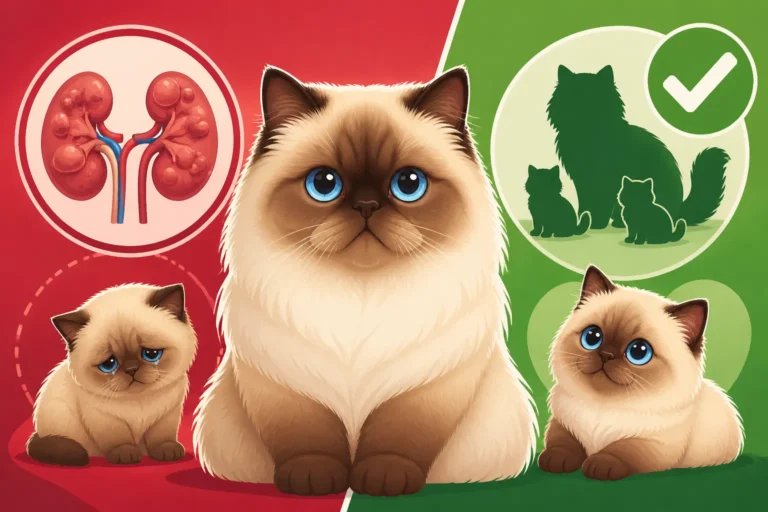
By consistently testing all breeding stock, breeders can meticulously plan pairings to eliminate the gene from their lines over time. For instance, a "Carrier" cat can still be part of a breeding program if paired exclusively with a "Clear" cat. While some of the offspring might still be carriers, none will be affected by the disease. This careful genetic management is how breeders make progress towards healthier generations. This proactive approach is part of the larger commitment to health, which often includes testing for other hereditary conditions, such as Polycystic Kidney Disease (PKD), hence the advice for Why a Himalayan Breeder Should Test Eyes as Well as Kidneys. When seeking a kitten, always ask to see the genetic test results for both parents.
Securing Your Kitten's Future: What to Ask Your Breeder
As a prospective Himalayan owner, you hold a powerful position. Your questions and demands for transparency drive responsible breeding practices. When you’re looking for a kitten, asking about PRA-pd testing is one of the most crucial inquiries you can make. Do not hesitate to ask for physical proof of the genetic testing results for both the sire (father) and dam (mother) of the litter. A reputable breeder will be proud to share these documents and explain them to you.
Specifically, you want to see that both parents are "Clear" for PRA-pd. If one parent is a "Carrier," ensure the other is "Clear," and ask the breeder what their plan is for testing the kittens and ensuring affected kittens are not born. A breeder who cannot or will not provide these test results, or who dismisses their importance, is a red flag. This transparency isn't just about PRA-pd; it extends to ensuring overall health. Remember that even though a Himalayan's Why a Himalayan's Required Blue Eyes Carry No Penalty in terms of show standards, it doesn't mean they are immune to genetic eye issues. Good breeders invest in these tests because they care deeply about the longevity and health of their kittens and want to minimize the chances of future heartbreak for their adoptive families.
Navigating a "Positive" or "Carrier" Diagnosis
Receiving a "Positive" (Affected) or "Carrier" diagnosis for your Himalayan can be unsettling, but it’s far from a death sentence. For a "Carrier" cat, it means they won't develop the disease themselves, but if you were considering breeding them, you'd need to carefully select a "Clear" mate to avoid passing the full disease on. For a "Positive" (Affected) cat, the diagnosis provides invaluable time to prepare. Knowing that your cat will eventually lose their sight allows you to take proactive steps to make their environment safe and comfortable.
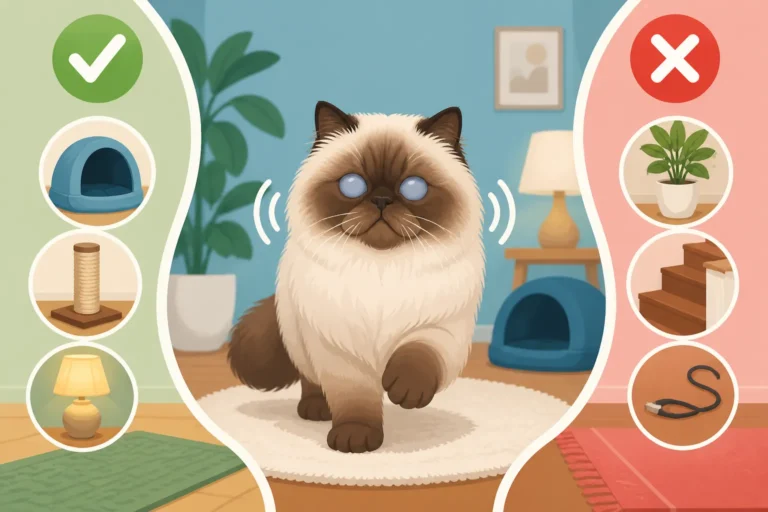
This might involve not moving furniture around too much, keeping their food, water, and litter box in consistent, easy-to-find locations, and introducing them to textures or sounds that can help them navigate. You can also start working with your vet on a plan for regular eye check-ups to monitor progression and manage any secondary issues that might arise. Pet insurance plans like those from Healthy Paws can be incredibly helpful in covering these ongoing vet visits and specialized care, easing the financial burden during an emotionally challenging time. Understanding Whether a Blind Himalayan Notices the Change can help you empathize and support your cat through this transition.
Comprehensive Eye Care for Your Himalayan
While genetic testing is paramount for identifying and preventing inherited conditions like PRA-pd, a Himalayan's eye health extends far beyond genetics. Their unique facial structure and long, flowing coats can sometimes predispose them to other issues that require consistent, diligent care. A holistic approach ensures their beautiful blue eyes remain as healthy and comfortable as possible throughout their lives.
Routine Eye Examinations and Early Detection
Even if your Himalayan has tested "Clear" for PRA-pd, regular veterinary check-ups that include a thorough eye examination are incredibly important. These routine visits allow your vet to spot any non-genetic issues that might arise, such as infections, corneal abrasions, or even the early stages of other conditions not covered by genetic tests. For instance, Himalayans, due to their brachycephalic (flat-faced) structure, are sometimes prone to issues like entropion, where the eyelid rolls inward, causing eyelashes to rub against the cornea. What Entropion Does to a Himalayan's Blue Eye can be incredibly irritating and even lead to ulcers if not addressed promptly.
During these exams, your vet will look for signs of irritation, discharge, cloudiness, or any changes in the eye's appearance. They might use specialized tools to examine the retina, lens, and cornea. Catching these problems early often means simpler, more effective treatment and prevents minor issues from escalating into painful or vision-threatening conditions. Consistent professional oversight, coupled with your attentive daily observation, forms the best defense against a myriad of eye problems. For information on the frequency of these visits, explore How Often a Himalayan's Eyes Should Be Examined.
Addressing Other Common Himalayan Eye Concerns
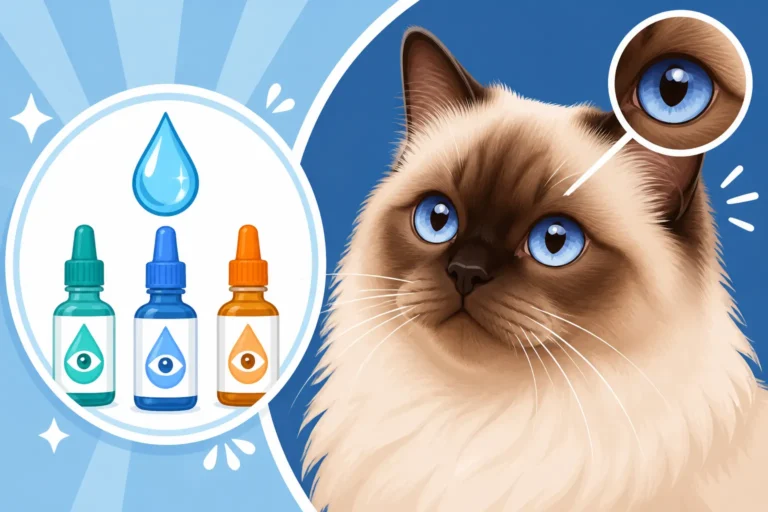
Beyond PRA-pd and entropion, Himalayans are particularly susceptible to certain other eye-related issues, primarily due to their breed-specific characteristics. The most noticeable of these is often excessive tearing and tear staining. Due to their flat faces and often prominent eyes, their tear ducts can sometimes be slightly kinked or unable to drain tears effectively. This leads to tears overflowing onto their facial fur, which can then oxidize and create reddish-brown stains, especially noticeable on lighter-colored coats. This also explains Why a Himalayan's Eyes Water All Day.
Regular cleaning of the face, especially the area around the eyes and in the nose fold, is crucial. This often involves gentle wiping with a damp cloth or specialized pet-safe eye wipes every single day to prevent irritation, skin infections (fold dermatitis), and unsightly staining. In some cases, if the tearing is severe or persistent, your vet might investigate for blockages in the tear ducts or other underlying causes. While not vision-threatening like PRA-pd, these issues can cause discomfort and impact your cat's overall cleanliness and well-being. Keeping on top of this daily routine is a hallmark of responsible Himalayan ownership.
Supporting a Himalayan Living with Vision Loss
If, despite all precautions, your Himalayan is diagnosed with or develops vision loss, it's a profound challenge, but one you can absolutely navigate with love and care. Cats are remarkably adaptable creatures, and with your support, a blind Himalayan can continue to live a full and happy life indoors. The key is consistency and creating a predictable, safe environment.
Firstly, avoid rearranging furniture. Your cat creates a mental map of their home, and sudden changes can disorient and distress them. Keep food, water, and litter boxes in the same spots. Use different textures on the floor to help them recognize specific areas – a small rug by the water bowl, for example. Talking to them as you approach can prevent startling them. Many owners find that enrichment toys that make sounds, like crinkly balls or toys with bells, become favorites for engaging their other senses. A strong bond and consistent routines are your greatest tools in helping your vision-impaired Himalayan thrive. Remember, their sense of smell and hearing are acutely refined and will compensate significantly for their lost sight.
The Financial and Emotional Investment in Eye Health
Caring for a Himalayan, with their unique needs and potential genetic predispositions, involves a significant investment—both financially and emotionally. From the initial purchase to lifelong care, every decision you make impacts their health and happiness. Understanding these costs upfront helps you budget effectively and ensures you can provide the best possible care for your treasured companion.
Understanding the Costs of Genetic Testing and Care
The cost of genetic testing for PRA-pd in a Himalayan is a relatively small investment when weighed against the potential heartbreak and expense of managing a blind cat. Typically, a single genetic test through a reputable laboratory might range from $50 to $150. Many breeders will include the cost of these tests in the kitten's purchase price, or provide proof that the parents were tested. For an owner wanting to test their adult cat, this is a very manageable expense.
However, the financial investment in eye health doesn't stop there. Regular veterinary eye exams, discussed earlier, are part of routine preventative care. Should your Himalayan develop issues like entropion, surgical correction could cost several hundred to over a thousand dollars, depending on the severity and location. Daily supplies for tear stain management, such as wipes and cleaning solutions, represent an ongoing, albeit smaller, expense. This is where pet insurance, such as a comprehensive plan from Healthy Paws, can be invaluable. Many plans can help offset the costs of unexpected treatments or long-term management of conditions, providing a financial safety net for your cat’s health. It’s important to budget for Why a Himalayan Budget Needs a Line for Its Blue Eyes, considering these potential expenses.
The Peace of Mind a Clear Test Brings
Beyond the financial considerations, the emotional return on investment from genetic testing is immeasurable. Knowing that your Himalayan is "Clear" for PRA-pd brings a profound sense of relief and peace of mind. It means you don't have to live with the constant worry that their beautiful eyes will eventually fail them due to this specific genetic condition. This allows you to fully enjoy every purr, every playful swat, and every moment of cuddles without that underlying anxiety.
For breeders, having a "Clear" result for their breeding cats isn't just about ethical practice; it's about building a reputation for health and integrity. It allows them to confidently offer kittens knowing they have done everything in their power to prevent a preventable disease. This peace of mind extends to the new owners, fostering trust and ensuring a positive start to their journey with their new family member. It truly transforms the relationship, allowing it to blossom without the shadow of a known, lurking genetic disease.
Preparing for Long-Term Eye Health Management
Regardless of genetic test results, long-term eye health for a Himalayan requires ongoing vigilance. Their unique features, while beautiful, demand a proactive approach to care that many other breeds might not need. This means embracing a daily routine of face cleaning, understanding the subtle signs of eye discomfort, and maintaining a close relationship with your veterinarian.
If your cat is a "Carrier," while they won't develop PRA-pd, understanding their genetic status helps you make informed decisions if you ever consider breeding (though most pet owners would ideally spay/neuter). If, in the rare instance, you own an "Affected" Himalayan, your focus shifts to supportive care, ensuring their environment is safe, and consulting with your vet regularly about their comfort and any potential secondary issues. The goal is always to maximize their quality of life. This dedication to their well-being ensures that the joy and companionship your Himalayan brings are maximized, and their beautiful blue eyes, whether seeing or not, remain a source of wonder.
Disclaimer
This guide provides general information about Progressive Retinal Atrophy in Himalayan cats and the relevant genetic testing. It is not a substitute for professional veterinary advice. Always consult with a qualified veterinarian for any health concerns or before making any decisions regarding your pet's care, diagnosis, or treatment. Genetic testing interpretations and recommendations can evolve, so staying updated with your vet is crucial.