How Fold Dermatitis Starts Beside a Himalayan’s Nose
Oh, the sheer joy and exasperation of owning a beautiful Himalayan! Their squishy, adorable faces are undeniably one of their most charming features, but let's be real, they also come with a whole host of very specific challenges. One of the most common, and often frustrating, issues many Himalayan parents face is the development of fold dermatitis right there, beside their sweet little noses. This comprehensive guide is here to walk you through exactly how this irritating skin condition starts, why our beloved Himalayans are so prone to it, and what you can do to prevent it from becoming a major headache for both you and your furry companion.
The Unique Challenge of the Himalayan's Beloved Face
When you look at a Himalayan, it's hard not to fall in love with that sweet, flat face and those big, round, blue eyes. But that distinctive "Peke-face" or "doll-face" profile, while incredibly endearing, is also the root cause of several potential health issues, with skin fold dermatitis being a prime example. It's not just a cosmetic feature; it's a structural reality that requires careful attention.
Understanding the Brachycephalic Structure
Our Himalayans, much like their Persian cousins, are a brachycephalic breed. This fancy word simply means "short-headed." Think about it: instead of a long, flowing muzzle like a Siamese, their faces are quite compressed. This compression isn't just external; it affects their internal anatomy too, including their airways and the structure around their eyes and nose. The skin on their faces doesn't just lie flat; it often forms prominent folds, especially around the nose and sometimes under the eyes. These folds, while adding to their unique charm, create little hidden pockets and crevices that are just begging for trouble if not meticulously cared for. For a deeper dive into their facial structure, you might be interested in understanding What a Peke Face Himalayan's Profile Measures and how that influences their care.
How Moisture Gets Trapped in Facial Folds
Imagine wearing a heavy coat in a humid climate – that's a bit like what these folds create for your cat's skin. Because of their flat faces, Himalayans are often prone to excessive tearing, a condition known as epiphora. Their tear ducts can be a bit more twisted or narrowed, and their eyelids might not always sit perfectly against the eyeball, leading to tears spilling out onto the fur. This is exactly Why a Himalayan's Eyes Water All Day. These tears, combined with saliva, tiny food particles, and environmental dust, naturally drain into the deep crevices created by their facial folds.
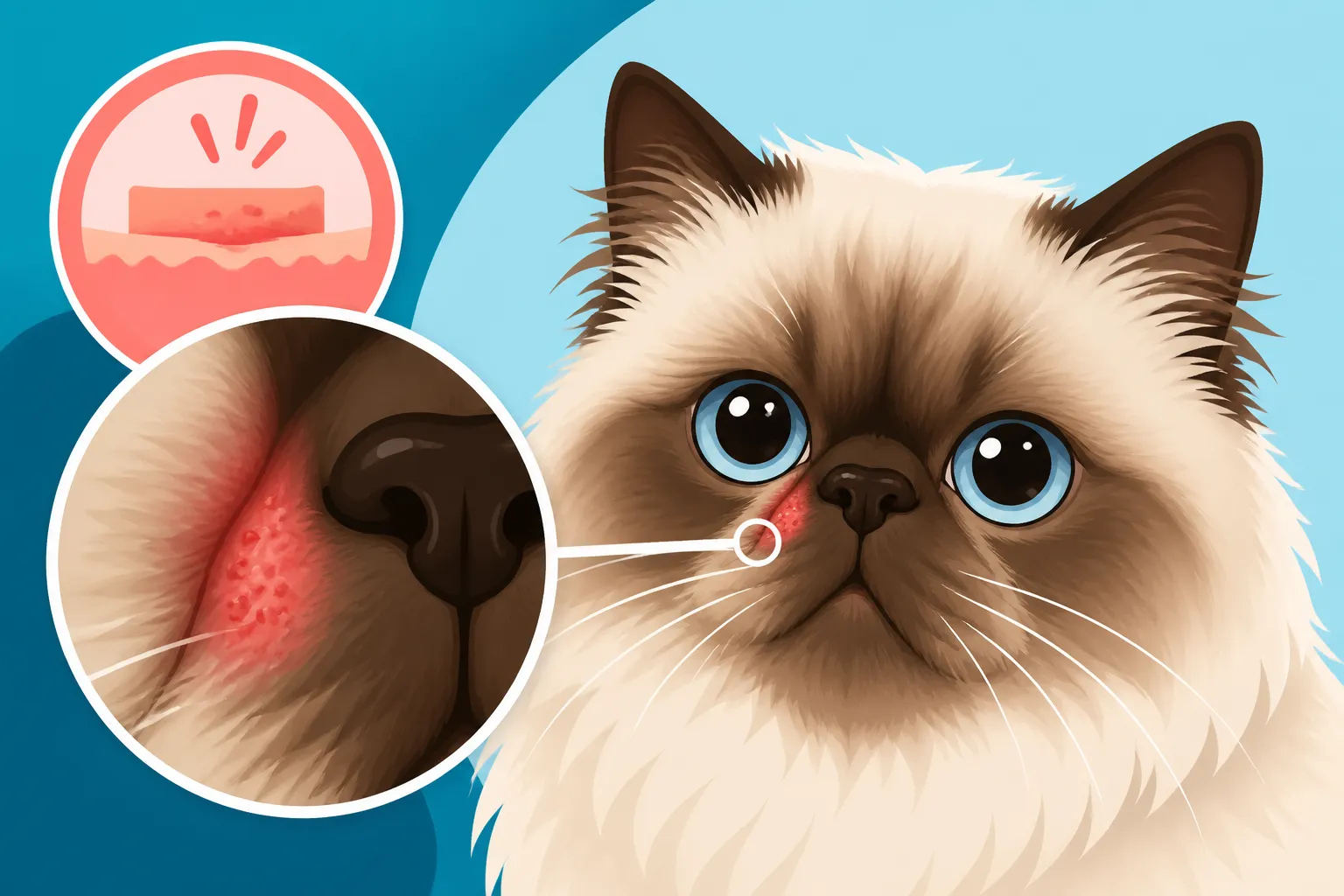
The problem is, these folds are like miniature, warm, dark, and often humid microclimates. Air circulation is minimal, making it very difficult for the moisture to evaporate naturally. So, instead of drying, these areas stay perpetually damp. This constant dampness isn't just unsightly; it creates the perfect breeding ground for bacteria and yeast, which are naturally present on the skin. When these microorganisms thrive unchecked, that's when fold dermatitis, a fancy term for skin inflammation, decides to set up shop.
The Silent Onset: Early Indicators of Dermatitis
One of the trickiest things about fold dermatitis is that it doesn't always announce itself with flashing lights. Often, by the time you notice something is truly wrong, the condition might already be quite advanced. This is why regular, close inspection of your Himalayan's face is absolutely paramount – it's not just for beauty; it's for their health.
Rust-Colored Staining and Persistent Dampness
The very first, most common sign you'll likely notice is staining. Himalayan cats are renowned for their beautiful point coloration, often with a pale body coat. This pale fur makes any staining incredibly obvious. You'll see reddish-brown or rust-colored streaks running from the corners of their eyes, down beside their nose, and into those deep folds. This staining isn't just dirt; it's often a tell-tale sign of yeast and bacterial proliferation. The tears themselves contain porphyrins, iron-containing molecules that turn reddish-brown when exposed to light and air. You can learn more about this in What Turns a Himalayan's Tear Stains Rust Colored.
Beyond the discoloration, simply feeling the area will tell you a lot. If the fur in the folds feels perpetually damp, even shortly after you've wiped it, that's a red flag. It might even feel a bit sticky or greasy to the touch. This persistent moisture is the precursor to inflammation and infection. It's a sign that the delicate skin barrier is being compromised.
Subtle Changes in Smell and Texture
As the condition progresses, a subtle but distinct odor often develops. It's not usually a pleasant smell; some describe it as yeasty, musty, or even slightly sour. This unpleasant scent is a direct result of the bacterial and yeast overgrowth flourishing in the warm, moist environment of the skin folds. It's often one of the strongest indicators that inflammation is beginning, even before visible irritation. If you find yourself wondering "What is that smell?" when cuddling your cat, especially near their face, it's time for a closer inspection.
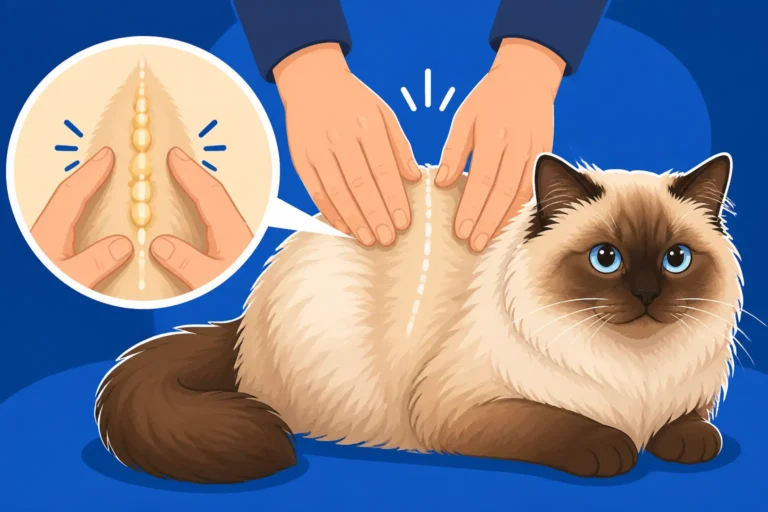
Beyond the smell, pay attention to the texture of the skin itself. Healthy skin folds should be soft and supple, much like the rest of their skin. However, if dermatitis is setting in, the skin might start to feel thicker, rougher, or even slightly crusty. You might notice small bumps or scabs forming within the folds. The fur in these areas might also appear matted or clumped together due to the constant moisture and discharge. These changes signal that the skin is irritated and reacting to the bacterial and fungal challenge.
Behavioral Cues to Watch For
Our cats are masters at hiding discomfort, but even the stoic Himalayan will often give subtle hints when something isn't quite right. If your cat starts rubbing its face more frequently with its paws or against furniture, this could indicate itchiness or irritation in the nose folds. They might also shy away when you try to touch or clean their face, a departure from their usual calm demeanor during their The Morning Face Routine Every Himalayan Needs.
Another behavioral cue might be an increased desire to groom the area excessively, leading to even more moisture and further irritation from their tongue's rough texture. Conversely, if the area is very painful, they might completely abandon grooming that specific spot, leading to mats and worsening skin conditions. Observing these subtle shifts in their normal routine is crucial for early detection and intervention.
When Harmless Dampness Becomes a Problem
It’s one thing to have a little tear staining; it’s another for that dampness to escalate into a full-blown skin infection. The transition often happens slowly, insidiously, until you realize you’re dealing with something far more serious than just a cosmetic issue.
The Role of Bacteria and Yeast
Our cats, like us, have a natural flora of bacteria and yeast living on their skin. This is completely normal and healthy. However, when the skin's environment shifts—becoming persistently warm and moist, as it does in those deep Himalayan nose folds—this delicate balance is thrown off. The moisture acts like an open invitation for these microorganisms to multiply rapidly, well beyond their normal levels.
Specifically, common culprits include Staphylococcus bacteria and Malassezia yeast. These opportunistic pathogens seize the chance to overgrow in the damp, airless environment. Their rapid multiplication leads to inflammation, which in turn causes more skin irritation, more discharge, and a vicious cycle of worsening dermatitis. The skin becomes red, itchy, and sometimes even painful, making your poor kitty miserable. It's a constant battle against these invisible invaders when the conditions are just right for them to thrive.
Irritation from Tears and Food Debris
Beyond the microbial imbalance, the tears themselves can be irritating. While tears are mostly water, they also contain salts, proteins, and other compounds that, when constantly bathing the skin without adequate drying, can break down the skin's natural protective barrier. This makes the skin more permeable and vulnerable to infection. Think of how your own skin feels after being wet for too long; it gets soft and delicate. The same happens for your cat.
Add to this the occasional food debris or water that splashes into those folds when your Himalayan eats or drinks. This organic matter provides additional nutrients for bacteria and yeast, essentially feeding the problem. If you’ve ever noticed your cat’s kibble crumbs or wet food residue lingering around their nose after a meal, you know exactly what I mean. Even dust and environmental allergens can get trapped, contributing to the irritation. These foreign bodies, combined with the constant dampness, create a perfect storm for inflammation and infection to take hold.
The Cycle of Inflammation and Infection
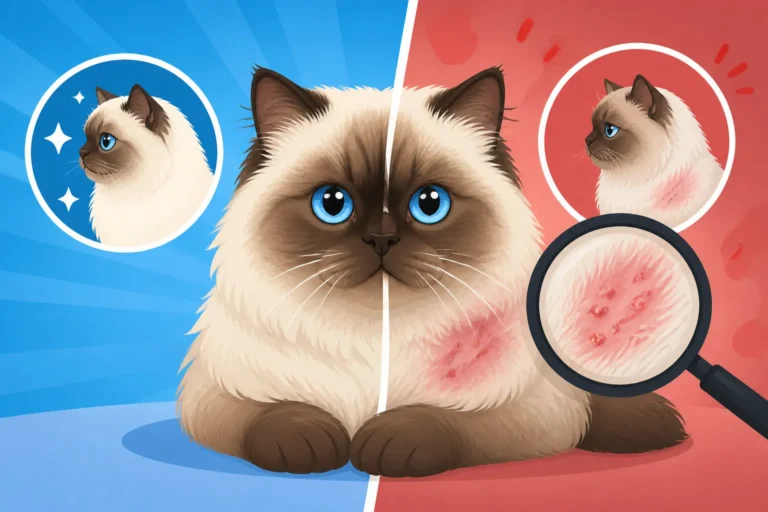
Once bacteria and yeast start to proliferate, the cat's immune system kicks in, trying to fight off the invaders. This leads to inflammation – redness, swelling, heat, and pain in the affected area. The skin, already compromised by dampness and irritation, becomes even more fragile. As the inflammation progresses, it can lead to breaks in the skin, allowing for even deeper bacterial infections.
This creates a cycle that is very difficult to break without intervention. The infection causes more discharge and dampness, which fuels more microbial growth, which in turn leads to more inflammation, and so on. It can escalate from a mild, aesthetic concern to a full-blown, painful skin infection, complete with oozing sores, scabbing, and a foul odor. In severe cases, these infections can even cause significant discomfort and require intensive veterinary treatment. It's a progressive problem, and it reinforces why early detection and diligent care are so important.
Proactive Steps for Prevention and Daily Care
Preventing fold dermatitis in Himalayans isn't about magic; it's about consistency and understanding their unique needs. Think of it as a commitment to their health that pays off in comfort and happiness for your furry friend. Establishing a solid routine is your best defense.
Establishing a Consistent Daily Face Routine
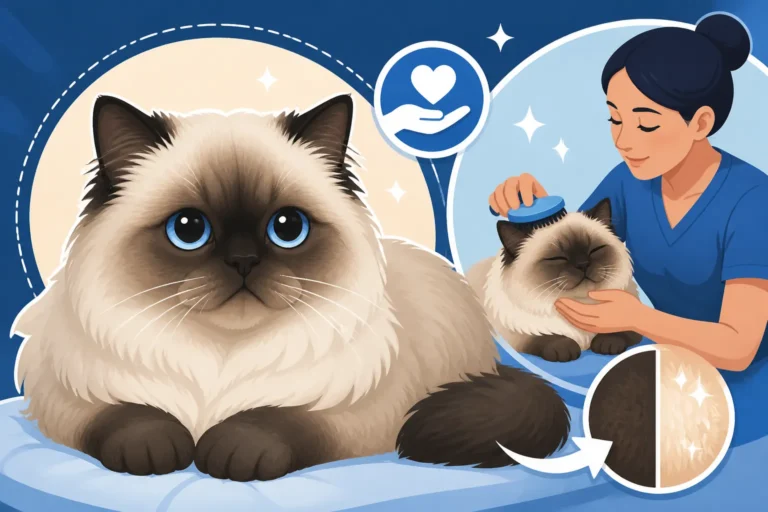
The single most impactful thing you can do is establish a consistent, daily face cleaning routine. This isn't optional for a Himalayan; it's essential. Just like you brush your teeth every day, your Himalayan needs its face attended to. The goal is simple: keep the folds clean and dry. Every morning, and perhaps again in the evening if your cat is particularly prone to dampness or staining, gently wipe the areas around their eyes and within their nose folds.
Use a soft, damp cloth or a specialized pet wipe. Make sure to get into the folds, not just on the surface. You'll be surprised what you find in there! This regular cleaning removes fresh tears, saliva, food debris, and any nascent bacterial buildup before it has a chance to turn into a problem. Consistency is key here; missing a day or two can be enough for the cycle of dermatitis to begin. Many find that incorporating this into their general morning routine, maybe after breakfast, makes it easier to remember. For a detailed guide, check out Cleaning the Fold Beside a Himalayan's Flattened Nose.
Choosing the Right Cleaning Products and Tools
When it comes to cleaning your Himalayan's delicate face, not just any wipe will do. Avoid human baby wipes, which often contain fragrances, alcohol, or other chemicals that can irritate feline skin or be harmful if ingested during grooming. Instead, opt for veterinary-approved, fragrance-free, hypoallergenic pet wipes specifically designed for facial cleaning or tear stains. Brands like Earthbath, Petkin, or similar gentle formulations are often good choices. These wipes are designed to be safe around the eyes and are formulated to help break down porphyrins and inhibit microbial growth without harsh chemicals. It's vital to know Which Wipes Are Safe Around a Himalayan's Blue Eyes.
After cleaning, it's equally important to gently dry the folds. A soft, clean cotton pad or tissue can be used to absorb excess moisture. You want the area to be completely dry, not just wiped clean. In some cases, your vet might recommend a thin layer of a cornstarch-based powder (unscented) to help keep the area dry, but always consult with them first, as powders can sometimes clump and cause more irritation. A fine-toothed flea comb can also be helpful for gently combing out any matted fur or debris from the folds, though extreme care must be taken not to poke or injure the delicate skin.
The Importance of Regular Vet Check-ups and Early Intervention
Even with the most diligent home care, regular veterinary check-ups are crucial. Your vet can assess the depth of your Himalayan's facial folds, evaluate their tear production, and help you determine the best preventative regimen. They can also perform a thorough examination for any early signs of irritation that you might miss. Remember, it's not always easy for us to differentiate between normal tear staining and the beginning of an infection, so a professional eye is invaluable. Telling Ordinary Himalayan Tear Staining From an Infection is something your vet can certainly help you with.
If you suspect dermatitis is starting, or if your cat is experiencing recurring issues, don't hesitate to reach out to your vet. Early intervention is key to preventing a minor irritation from escalating into a severe, painful infection. They might recommend specific medicated wipes, topical creams, or even special dietary considerations if allergies are suspected to be contributing factors. Investing in a good pet insurance plan, like one from Healthy Paws, can also provide peace of mind, knowing that you're covered for potential veterinary costs associated with managing ongoing conditions like fold dermatitis or other breed-specific issues.
Knowing When to Seek Veterinary Help
Despite our best efforts, sometimes fold dermatitis will progress or flare up, and it's essential to recognize when it's time to call in the professionals. Ignoring advanced symptoms can lead to significant discomfort for your cat and more complicated, expensive treatments down the line.
Recognizing Signs of Infection
While mild redness and staining can be managed at home with consistent cleaning, certain signs point to an active infection that requires veterinary attention. If you observe any of the following, pick up the phone:
- Intense Redness and Swelling: Beyond a slight pinkness, if the skin in the folds is markedly red, swollen, or inflamed.
- Pus or Discharge: Any yellow, green, or thick white discharge emanating from the folds is a clear sign of a bacterial infection.
- Open Sores or Ulcers: Breaks in the skin, raw spots, or weeping lesions indicate a severe problem.
- Increased Pain or Sensitivity: If your cat cries out, hisses, or becomes aggressive when you try to touch their face, the area is likely very painful.
- Foul Odor: A strong, putrid, or intensely yeasty smell that persists despite cleaning.
- Lethargy or Loss of Appetite: These general signs of illness can sometimes accompany severe infections, indicating your cat is truly unwell.
Remember, a simple sniff test as part of your monthly routine can be very telling. Why a Himalayan's Nose Leather Should Be Checked Monthly for any signs of trouble is a good habit to get into.
The Vet's Approach to Diagnosing and Treating Fold Dermatitis
When you take your Himalayan to the vet for suspected fold dermatitis, they'll perform a thorough examination of the affected area. This usually involves gently separating the skin folds to get a good look at the underlying skin. They might take a swab or a skin scraping to send to a lab for cytology, which means looking at the cells under a microscope. This helps them identify whether bacteria, yeast, or both are present and in what quantities, guiding their choice of medication.
Treatment typically involves a combination of approaches. Your vet might prescribe:
- Topical medications: These could include antibiotic or antifungal creams, ointments, or medicated wipes to apply directly to the folds.
- Oral antibiotics or antifungals: For more severe or widespread infections, systemic medications might be necessary.
- Pain relief: If the area is very inflamed and painful, your vet might prescribe anti-inflammatory medication to keep your cat comfortable during treatment.
- Specialized cleaning solutions: They may recommend a specific antiseptic wash or rinse to use at home to keep the area clean.
In rare, chronic cases where the folds are extremely deep and prone to constant, untreatable infections, your vet might even discuss a surgical procedure called a fold excision. This involves carefully removing the excess skin to eliminate the deep pocket that traps moisture. However, this is usually a last resort after all other medical treatments have been exhausted. It's reassuring to know that reliable pet insurance providers, like Healthy Paws, often cover necessary medical procedures like these, making it easier to afford the best care for your cat.
Long-Term Management and Lifestyle Adjustments
Even after an infection clears, the underlying predisposition to fold dermatitis remains. This means long-term management is crucial. You'll need to commit to that daily cleaning routine indefinitely. Your vet might suggest specific preventative wipes or solutions to use regularly, even when there are no active symptoms.
Consider their living environment: ensure their sleeping areas are clean and dry. Pay attention to their diet as well. Some cats with skin sensitivities can benefit from hypoallergenic diets or supplements rich in Omega fatty acids, which support skin health. While Himalayans are not known for being high jumpers, their shortened airways can also contribute to overall stress in some cases, impacting their immune response to skin issues. You might have noticed Why a Himalayan Snores Louder Than Its Siamese Ancestors, which is another facet of their brachycephalic nature to be mindful of.
Finally, stay vigilant. Any return of redness, dampness, or odor should prompt you to restart a more intensive cleaning regimen or contact your vet. The key to successfully managing fold dermatitis in a Himalayan cat is consistent, proactive care and a strong partnership with your veterinarian. It might seem like a lot of work, but seeing your beautiful Himalayan comfortable and free from irritation makes every moment of effort entirely worth it.
Disclaimer
This guide is intended for informational purposes only and does not substitute for professional veterinary advice. Always consult with a qualified veterinarian for any health concerns or before making any decisions related to your pet's medical care.