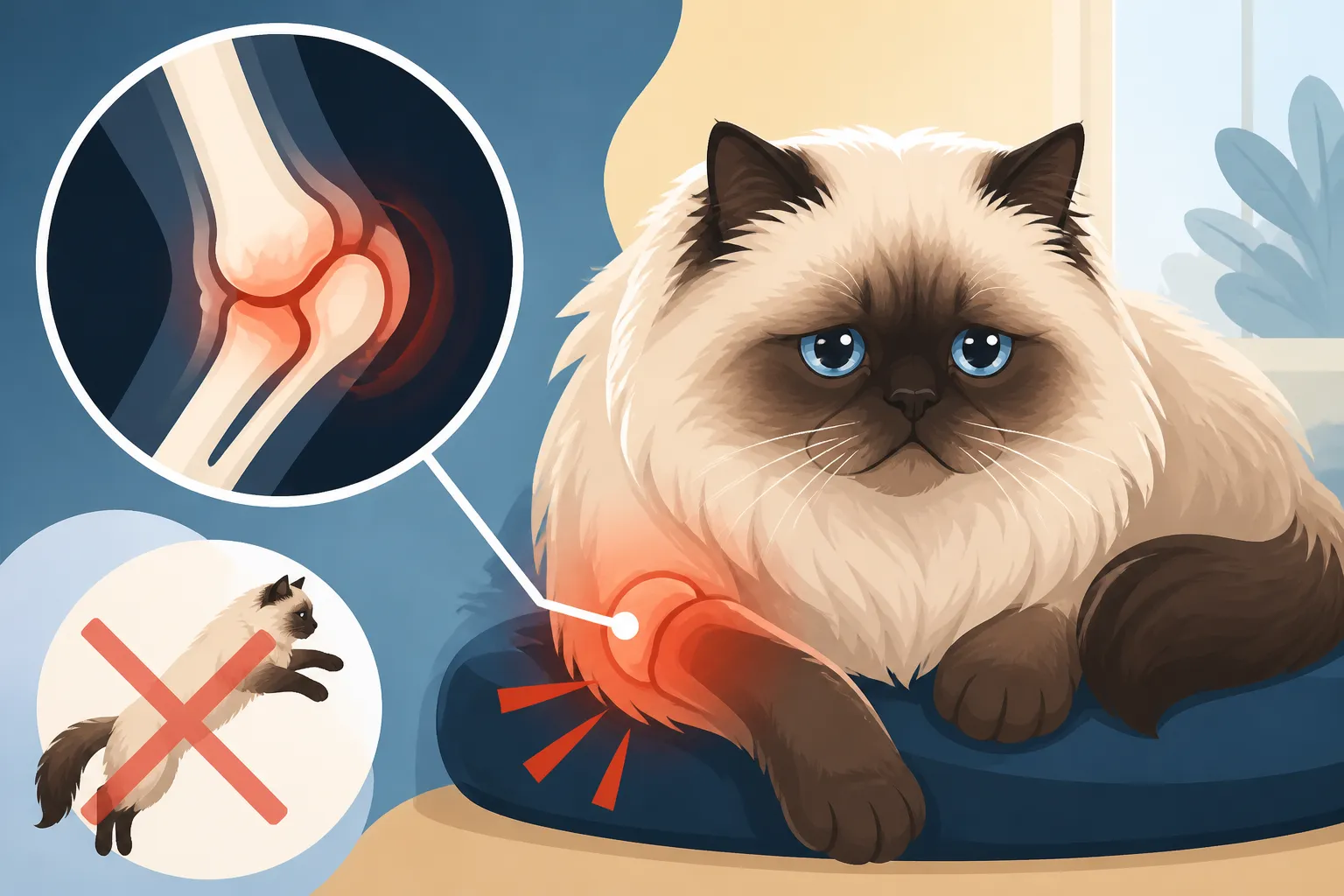
How Arthritis Shows in a Himalayan That Never Jumped
It's a common misconception that our laid-back Himalayan companions, who seem perfectly content to reign from the sofa and rarely perform Olympic-level jumps, are immune to the aches and pains of aging joints. Many owners are genuinely perplexed when their seemingly placid cat starts acting "off," attributing it to old age rather than a diagnosable condition. This guide will help you understand the subtle, often overlooked, signs of arthritis in a Himalayan, even one who's never been much of a jumper.
The Subtle Nature of Arthritis in Himalayans
When we think of arthritis, our minds often conjure images of active dogs limping after a run, or perhaps a cat struggling to leap onto a high shelf. Himalayans, with their inherently calm and often sedentary nature, don't typically fit this active stereotype, which can make diagnosing arthritis particularly tricky. Their preference for low-key lounging can mask the early symptoms of joint discomfort, leading many owners to believe their feline friend is simply "getting old."
Why "Never Jumping" Doesn't Mean No Arthritis Risk
The idea that a cat needs to be a vigorous jumper or climber to develop arthritis is a myth, especially when it comes to breeds like the Himalayan. While high-impact activities can certainly contribute to wear and tear on joints, they aren't the sole cause. Arthritis, or osteoarthritis (OA), is a degenerative joint disease that involves the breakdown of cartilage cushioning the joints, leading to pain, stiffness, and reduced mobility.
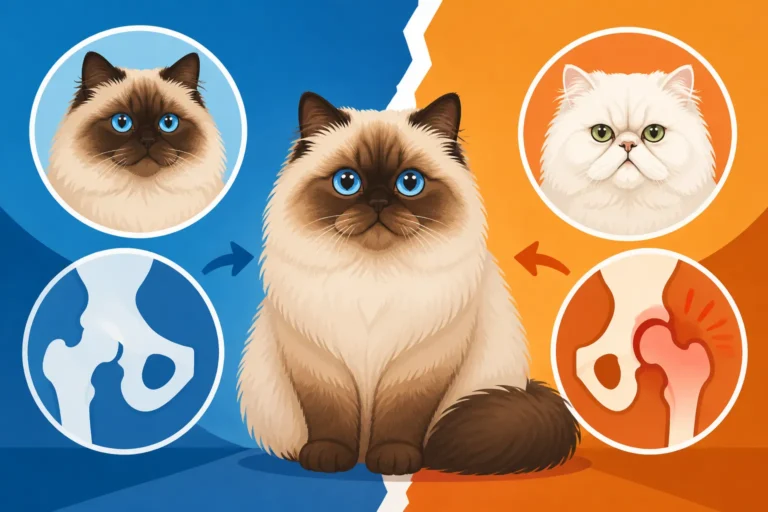
For Himalayans, several factors contribute to their arthritis risk, even without a history of athletic feats. Firstly, genetics play a significant role. Like their Persian ancestors, Himalayans have a cobby body type – that wonderfully dense, rounded physique – coupled with relatively short, heavy-boned legs. This structure, while charming, can put extra strain on their joints over time, particularly the hips, knees, and spine. Imagine carrying a sturdy little barrel around all day; those joints are working harder than a svelte, long-legged cat's. Secondly, age is the biggest risk factor. As a Himalayan reaches its golden years, typically starting around eight to ten years old, the natural wear and tear on cartilage accumulates. You might be surprised at the average The Nine to Fifteen Years a Himalayan Usually Gets, so they have plenty of time for these issues to develop. This process happens regardless of how high they've jumped. Thirdly, weight management is critical. An overweight Himalayan carries even more stress on its joints, accelerating cartilage degradation. Even a few extra pounds can make a significant difference, and it can be hard to tell What a Himalayan's Cobby Frame Should Weigh under all that glorious fur. And finally, previous injuries, even minor ones that went unnoticed, or congenital joint abnormalities can predispose a cat to early-onset arthritis. It's a progressive disease, meaning it tends to worsen over time, silently developing even in the most relaxed of felines.
The Challenge of Spotting Early Signs
Himalayans are notorious for their stoic nature when it comes to pain. They are masters of disguise, often internalizing discomfort rather than vocalizing it or showing obvious lameness. This makes early detection a real challenge. Their naturally calm, almost sedate demeanor can easily be confused with the desire to simply rest, rather than a need to avoid movement due to pain. You might think your cat is just being "lazy," when in reality, they're protecting sore joints.
Adding to this complexity is their magnificent, dense coat. A Himalayan's luxurious fur can effectively hide subtle muscle atrophy or swelling around a joint, making visual assessment difficult. What might be obvious in a short-haired breed could be completely obscured in a Himalayan. Owners might mistakenly attribute their cat's reduced activity to merely "getting older" or "slowing down," rather than recognizing it as a symptom of pain. It’s crucial to remember that aging isn't a disease itself, but rather a time when underlying health issues like arthritis are more likely to manifest. Being attuned to these subtle shifts, rather than dismissing them, is key to providing timely intervention and improving your cat's quality of life.
Behavioral Changes to Watch For
Since Himalayans are so good at hiding their discomfort, the earliest and most telling signs of arthritis often come in the form of subtle behavioral shifts. These aren't always obvious limps but rather changes in routine or interaction that, when pieced together, paint a clearer picture of their struggle.
Altered Movement Patterns
One of the first things you might notice isn't a dramatic limp, but a change in how your Himalayan navigates their world. Perhaps they used to effortlessly hop onto their favorite armchair or the lowest step of a cat tree, but now they seem to hesitate, or take a more circuitous route. They might even opt to use Why a Himalayan Uses Steps Rather Than Jump where they once easily cleared the height. Look for stiffness, especially after they've been napping for a while. When they first get up, do they move a bit more slowly, or seem to "warm up" to their normal gait? This "morning stiffness" is a classic sign of arthritis.
You might observe a reluctance to engage in even gentle play that involves stretching or quick movements. Maybe they used to enjoy a slow chase after a feather wand, but now they prefer to just watch it from their favorite spot. Instead of a fluid, continuous motion, their movements might appear segmented or labored. Getting into or out of the litter box, especially one with higher sides, might become a struggle, leading to awkward postures. They might even begin eliminating outside the box if the act of stepping in and out becomes too painful, though this is usually a later, more concerning sign. Their overall gait might become a bit slower, less confident, or they might shift their weight subtly to avoid putting pressure on a painful limb, which can be hard to detect under their flowing coat.
Changes in Grooming Habits
A Himalayan's magnificent coat requires significant self-grooming to stay pristine, and changes in this routine are a huge red flag for arthritis. If your cat is experiencing joint pain, reaching certain parts of their body becomes difficult, if not impossible. You might notice matting appearing more frequently in areas they can no longer reach, such as the base of their tail, their lower back, or their hindquarters – often referred to as their "britches." This is a common indicator, and one reason Why an Old Himalayan Stops Washing Its Own Face and other areas can point to underlying issues.
Conversely, some cats may over-groom painful areas, almost compulsively licking or chewing at a particular joint in an attempt to alleviate discomfort. This can lead to skin irritation, hair loss, or even open sores in those specific spots. The fur in these areas might look duller or greasy, contrasting with the well-maintained parts of their coat. A formerly meticulous groomer might suddenly look a bit disheveled, with a less glossy coat or persistent tangles. If left unchecked, these grooming difficulties can quickly escalate. A cat that stops washing its points, especially its hindquarters, can develop severe matting that can lead to skin infections and discomfort, making it a medical issue where Why a Matted Himalayan Becomes a Medical Case. This seemingly minor change in appearance can signify real, chronic pain affecting their daily self-care.
Shifts in Personality and Interaction
Arthritis isn't just a physical ailment; it can profoundly impact a cat's emotional state and personality. A cat in chronic pain often becomes more withdrawn, irritable, or less tolerant of interaction. Your once cuddly Himalayan might suddenly resent being picked up, or might flinch or hiss if you try to pet them in a sensitive area, like their back or hips. They might spend more time isolated, choosing to nap in quiet, out-of-the-way spots rather than joining the family in the living room.
You might notice a general decrease in their enthusiasm for things they once enjoyed. That gentle batting at a toy or a slow "hunt" for a treat might cease. They might be less inclined to greet you at the door or solicit attention. Some cats might even exhibit subtle changes in their vocalizations, becoming quieter, or occasionally letting out a low growl or moan when moving. While it's important to rule out other causes, a persistent change in demeanor, especially if accompanied by physical signs, should prompt a vet visit. Sometimes, even their breathing can be affected by overall discomfort, and you might notice How an Old Himalayan's Flat Faced Breathing Worsens as they try to settle comfortably. Any unexplained shifts in mood, sociability, or enthusiasm could be a silent plea for help from a cat experiencing chronic pain.
Physical Indicators Beyond Movement
Beyond the behavioral cues, there are more direct physical indicators of arthritis in Himalayans that, while sometimes hard to spot under all that fur, are important to look for.
Palpable Joint Changes
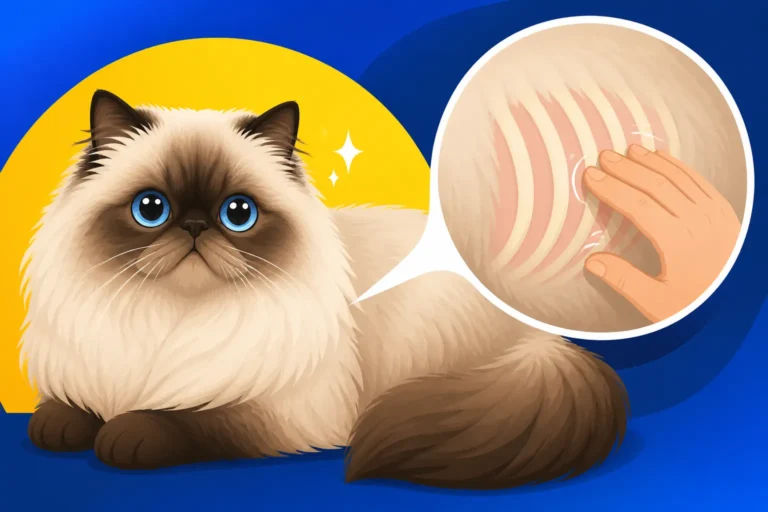
If you're gently accustomed to handling your Himalayan, you might be able to feel some changes in their joints. This takes a delicate touch and a cooperative cat, but it can be very insightful. Carefully and gently palpate their joints – especially the hips, knees, and elbows. What you might be feeling for is warmth around a joint, which can indicate inflammation. You might also notice subtle swelling, though this can be particularly challenging to detect under their dense coat. In more advanced cases, you might even feel a slight "crepitus" – a crackling or grinding sensation – as the joint moves. This is a clear sign of bone-on-bone friction due to lost cartilage.
It's important to remember that this should be done very gently and only if your cat is comfortable. If they show any signs of pain or discomfort, stop immediately. Never force a joint to move. Because of their heavy Persian coat, it can be tricky to even get a good sense of their underlying structure, like trying to How to Feel a Himalayan's Spine Through Its Ruff. This is where your veterinarian's trained hands are invaluable, as they can more accurately assess joint health and range of motion. Regular, gentle petting and grooming, however, give you a chance to feel for any new lumps, bumps, or tender spots that warrant further investigation.
Muscle Atrophy and Weight Changes
Muscle atrophy, or the wasting away of muscle tissue, is another key physical sign of arthritis, particularly in the hindquarters. When a cat experiences pain in a joint, they naturally try to avoid using that limb as much as possible. Over time, the muscles supporting that joint will weaken and shrink due to disuse. This can be challenging to see in a fluffy Himalayan, but you might notice their hind legs looking thinner, or their overall rear end appearing less muscular than before. A good way to assess this is to compare the muscle mass on both sides of their body, or to gently feel the bulk of the muscles in their thighs.
Weight changes also play a critical, often cyclical, role in arthritis. Himalayans, being less active by nature, are prone to weight gain, and even a little extra weight can significantly increase the load on their already compromised joints. If your Himalayan is struggling with arthritis, their reduced activity levels mean they're burning fewer calories, making weight gain even more likely. This creates a vicious cycle: pain leads to less movement, less movement leads to weight gain, and weight gain exacerbates the pain. It’s vital to know How to Find a Himalayan's Ribs Through a Persian Coat and regularly monitor their weight to prevent this. Conversely, a cat in severe pain might lose its appetite and lose weight, but this is usually a later, more severe sign. Keeping your Himalayan at a healthy weight is one of the most impactful things you can do to manage or prevent arthritis, as excess weight dramatically stresses their joints and can make it harder for Why a Heavy Himalayan Stops Grooming Its Points.
Getting a Diagnosis and Managing Arthritis
If you've noticed any of these subtle signs in your Himalayan, it's absolutely crucial to consult your veterinarian. Early diagnosis and intervention can make a world of difference in managing the pain and slowing the progression of arthritis, ensuring your beloved cat enjoys their golden years with comfort and dignity.
The Veterinary Examination
When you suspect arthritis, your vet visit will be thorough. Your veterinarian will start by asking you a detailed history of the changes you've observed, no matter how small or seemingly insignificant. Be prepared to discuss your cat's activity levels, how they move, their grooming habits, appetite, and any shifts in their personality. This is your chance to really paint the full picture.
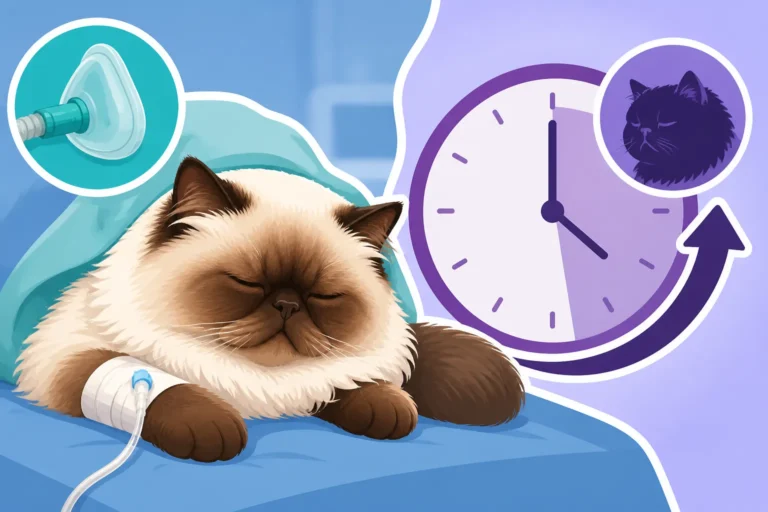
Next comes the physical examination. Your vet will carefully palpate your Himalayan's joints, assessing for pain, swelling, warmth, and crepitus. They will gently manipulate your cat's limbs to check their range of motion, looking for stiffness or discomfort. This might involve extending and flexing joints to see how far they can comfortably move. In many cases, X-rays will be recommended. While X-rays don't show cartilage directly, they can reveal changes in bone structure around the joints, such as bone spurs (osteophytes) or narrowing of joint spaces, which are indicative of osteoarthritis. Sometimes, additional diagnostics like blood tests might be performed to rule out other underlying conditions, especially since a Himalayan's What a Himalayan's Yearly Bloods Should Cover After Eight should cover a comprehensive panel.
Treatment Options and Lifestyle Adjustments
While arthritis is not curable, it is highly manageable. The goal of treatment is to alleviate pain, reduce inflammation, improve mobility, and slow the progression of the disease. Your veterinarian will work with you to create a tailored treatment plan, which often involves a multi-modal approach.
Pain management is usually central to the plan. This can include non-steroidal anti-inflammatory drugs (NSAIDs) specifically formulated for cats, which help reduce both pain and inflammation. There are also newer medications available, such as monoclonal antibody injections (like Librela or Solensia), which target nerve growth factor involved in pain pathways, offering effective and convenient long-term pain relief. Joint supplements containing ingredients like glucosamine, chondroitin, and omega-3 fatty acids can help support cartilage health and reduce inflammation, though their efficacy can vary. You should always discuss Which Pain Relief a Himalayan With Cysts Can Take or for arthritis with your vet, as appropriate medication is crucial.
Beyond medication, environmental modifications at home are incredibly important. Provide ramps or pet stairs for your Himalayan to easily access favorite high spots, like the sofa or bed. Ensure their litter box has low sides, as a Why a Short Legged Himalayan Needs a Low Sided Box makes entering and exiting much easier. Invest in orthopedic beds that provide better support for aching joints. Keep food and water bowls easily accessible, perhaps elevated slightly to reduce neck strain. Maintaining a healthy weight is paramount; your vet can help you devise a diet plan if your cat is overweight. This kind of ongoing care can factor into What Fifteen Years of a Himalayan's Coat and Face Costs, but it's essential for their comfort. Physical therapy, including gentle massage, passive range of motion exercises, or even hydrotherapy, can also be beneficial in improving flexibility and muscle strength.
Proactive Care for Senior Himalayans
The best offense is a good defense, and this holds true for arthritis in our aging Himalayans. Even if your cat isn't showing obvious signs of discomfort, proactive care can significantly delay the onset and severity of arthritis. Regular veterinary check-ups are non-negotiable, especially as your Himalayan moves into their senior years. These routine visits allow your vet to catch subtle changes early and implement preventative strategies.
Maintaining a healthy weight throughout your Himalayan's life is perhaps the most crucial preventative measure. Discuss appropriate portion sizes and diet with your vet, and monitor their weight regularly. Encourage gentle, low-impact exercise to keep their joints mobile and muscles strong. This might involve short, slow play sessions rather than vigorous activity. Consider starting joint supplements proactively, under veterinary guidance, as your Himalayan approaches their senior years. These early interventions can help preserve cartilage and support joint health for longer. Providing a comfortable, low-stress environment with easy access to all their needs will also go a long way in supporting their overall well-being as they age. Reputable pet insurance providers like Healthy Paws can also offer peace of mind, helping to cover the costs of ongoing care and medications for chronic conditions like arthritis. Being vigilant and proactive means your beloved Himalayan can enjoy a comfortable, happy life well into their senior years.
Disclaimer
Please note that this guide provides general information and should not replace professional veterinary advice. Always consult with a qualified veterinarian for any health concerns or before making any decisions about your pet's medical care.