What a Himalayan Bred to the Extreme Profile Costs
Bringing home a Himalayan cat with an extreme, flattened profile is often a dream come true for many cat lovers, drawn in by their unique, sweet expressions. However, beneath that adorable, squished face can lie a significant financial commitment due to a range of health issues stemming from their distinctive facial structure. This guide will meticulously break down the various costs associated with owning a Himalayan bred for an extreme profile, helping you understand the true long-term investment.
The Appeal and Hidden Costs of the Extreme Himalayan Profile
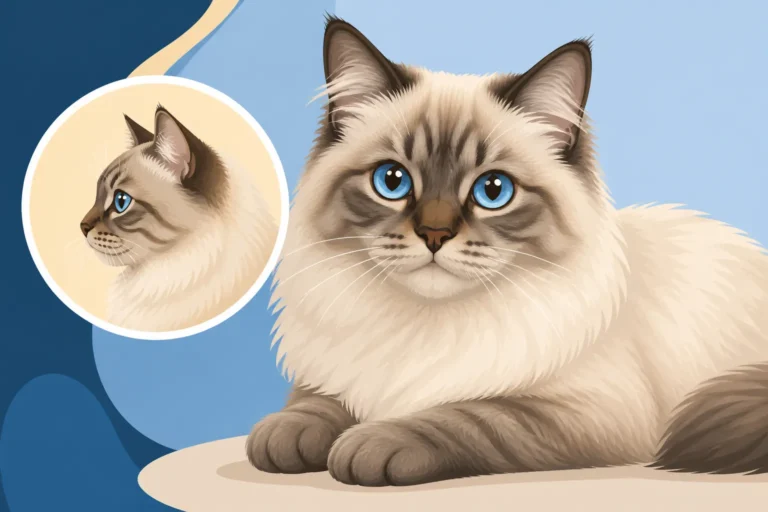
There's no denying the magnetic charm of a Himalayan with an extremely flat face. That broad, round head, those large, soulful blue eyes, and the almost non-existent nose give them an endearing, doll-like appearance that many find irresistible. This specific look, often referred to as "Peke-face" or "ultra-typed," became increasingly popular in show rings over the decades, pushing breeders to select for these pronounced features. But what might seem like a desirable aesthetic often comes hand-in-hand with anatomical challenges that can translate directly into higher veterinary bills and specialized daily care. It’s not just about the purchase price; it’s about the lifetime cost of keeping these beautiful, but sometimes struggling, companions comfortable and healthy.
Understanding the 'Extreme Profile' and its Origins
When we talk about an "extreme profile" in Himalayans, we're referring to a face that has been bred to be exceptionally flat, with a very short nose and a distinct "stop" (the indentation between the eyes). This is a result of selective breeding that aimed to achieve a certain look, often seen in the show world. While stunning, this extreme brachycephaly (short-nosed condition) impacts more than just appearance. It fundamentally alters the cat's cranial structure, affecting everything from their airways to their tear ducts and jaw alignment. It’s a classic example where beauty, or a specific aesthetic ideal, can inadvertently lead to significant physical burdens for the animal. Why a Flatter Face Shows More on a Pale Himalayan explores how this facial structure influences their appearance, but the implications go far beyond skin deep.
Many owners fall in love with this look without fully realizing the anatomical compromises it entails. They might notice a kitten’s adorable snorting or open-mouth breathing and chalk it up to a cute quirk, unaware that these are often early signs of significant respiratory difficulties. Breeders who prioritize this extreme look might also charge a premium for their kittens, especially if they come from champion lines, leading prospective owners to believe that a higher price guarantees health, when in fact, it often guarantees a certain look that carries its own inherent health risks.
The Initial Price Tag Versus Long-Term Financial Commitment
The upfront cost for a Himalayan kitten, especially one from a reputable breeder focusing on show-quality or specific profiles, can vary widely. A Himalayan bred to an extreme profile might command a higher initial price, reflecting the breeder's investment in particular lines and the demand for this distinct appearance. You might see prices that are significantly higher than for a doll-face Himalayan, for example. However, this initial investment is just the tip of the iceberg. The true cost of owning an extreme-profile Himalayan unfolds over their lifespan, encompassing specialized veterinary care, daily grooming routines, and potential emergency treatments.
It's easy to focus on the adoption fee, but savvy prospective owners need to project the costs over a decade or more. A high-quality cat food, annual vet check-ups, regular grooming supplies, and routine vaccinations are standard for any cat. For an extreme-profile Himalayan, you're likely adding costs for regular eye cleansers, specialized dental care, potential allergy medications, and possibly even surgery to improve breathing. These cumulative expenses can easily overshadow the initial purchase price within just a few years, making a comprehensive budget plan essential.
Medical Expenses Tied to Brachycephalic Features
The defining feature of an extreme-profile Himalayan – its flattened face – is unfortunately also the source of its most common and costly health challenges. These cats are prone to what is known as Brachycephalic Obstructive Airway Syndrome (BOAS), a collection of anatomical abnormalities that obstruct the upper airway. This isn't just about sounding a bit snorty; it can severely impact their quality of life and lead to significant medical interventions. Beyond breathing, their eyes and teeth are also directly affected by their unique facial structure, requiring consistent and often expensive care.
Respiratory Challenges and Their Veterinary Solutions
One of the most immediate and impactful issues for an extreme-profile Himalayan is their compromised respiratory system. Their shortened snout means they often have narrowed nostrils (stenotic nares), an elongated soft palate that can block the airway, and a hypoplastic (underdeveloped) trachea. This makes breathing a constant effort. You might hear them snoring loudly even when awake, Why a Himalayan Snores Louder Than Its Siamese Ancestors, or notice them panting after minimal exertion, a clear sign they are struggling to get enough oxygen. When a Himalayan's Open Mouth Breathing Needs a Vet is a critical read for any owner, as it outlines when these struggles become an emergency.
Veterinary interventions for these issues can range from conservative management, like avoiding heat and strenuous play, to surgical procedures. Nostril widening surgery (nares resection) can dramatically improve airflow, but it's a specialized procedure that comes with a significant price tag. Soft palate resection, which shortens an elongated soft palate, is another common surgery. These surgeries, while often life-changing for the cat, require specialized veterinary expertise and a longer recovery time than routine procedures. Moreover, the anesthetic protocol for brachycephalic cats is inherently riskier, leading to higher monitoring costs and extended recovery periods, as discussed in Why a Himalayan's Anesthetic Needs a Longer Recovery.
Eye Care: A Constant Need for the Flatter Face
The large, round eyes that contribute to the Himalayan's sweet expression are also more vulnerable due to their flattened facial structure. The shallow eye sockets and prominent eyes mean they are less protected and more exposed to irritants. Their tear ducts often don't follow a straight path, leading to chronic epiphora, or excessive tearing. Why a Himalayan's Eyes Water All Day explains this common issue in detail. This constant moisture can stain the fur beneath their eyes, particularly noticeable on pale-bodied Himalayans, and can lead to skin irritation and infections in the folds around their nose.
Daily cleaning with specialized wipes or solutions is non-negotiable, and these products add up over time. Some cats may even require eyelid surgery to correct entropion (inward rolling of the eyelid) or ectropion (outward rolling), which can cause eyelashes to rub against the cornea or leave the eye even more exposed. Corneal ulcers, which are painful and can lead to blindness if not treated promptly, are also more common in these cats, necessitating immediate veterinary attention and expensive medications. An eye specialist may recommend regular prophylactic eye drops to keep their eyes lubricated and protected.
Dental Woes from a Crowded Jaw
A shortened face doesn't just impact breathing and eyes; it also affects the structure of the mouth and jaw. While Himalayans have the same number of teeth as other cats, an extreme profile means these teeth are crammed into a much smaller space. This crowding can lead to misalignment, rotated teeth, and increased food and plaque accumulation. How a Shortened Jaw Crowds a Himalayan's Teeth details the anatomical challenges these cats face.
As a result, extreme-profile Himalayans are highly susceptible to periodontal disease, including gingivitis and tooth resorption, often at a younger age than other breeds. Why a Himalayan Needs Dentals Earlier Than a Siamese highlights this accelerated dental decay. Regular professional dental cleanings under anesthesia become even more crucial, and these procedures are often more complex and costly due to the increased risk of anesthesia for brachycephalic cats. Extractions are common, further adding to the expense. It’s not unusual for these cats to require annual or biannual dental work, significantly impacting your annual budget.
Daily Care: More Than Just Brushing a Beautiful Coat
Beyond the more severe medical interventions, the day-to-day care for an extreme-profile Himalayan also demands a greater investment of time and money. Their luxurious long coats, combined with their unique facial structure, necessitate specific grooming routines, tailored feeding approaches, and a carefully managed environment to ensure their comfort and health. This isn't just about aesthetics; it's about preventing complications that can lead to even higher vet bills.
Specialized Grooming for the Face and Beyond
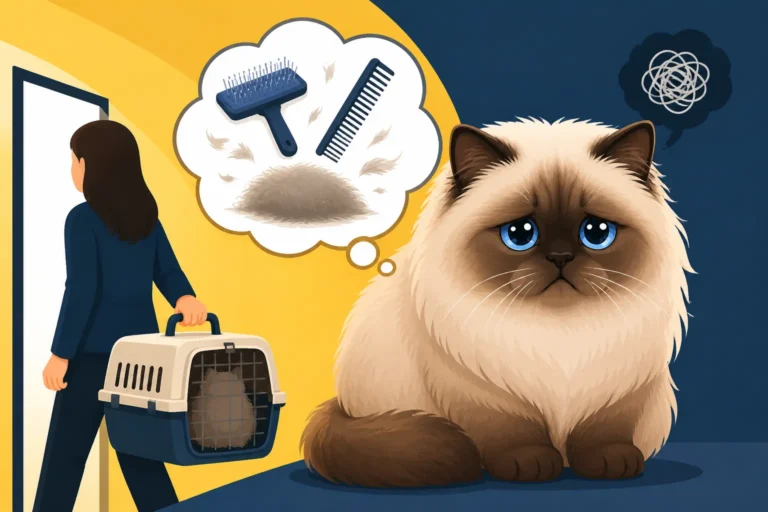
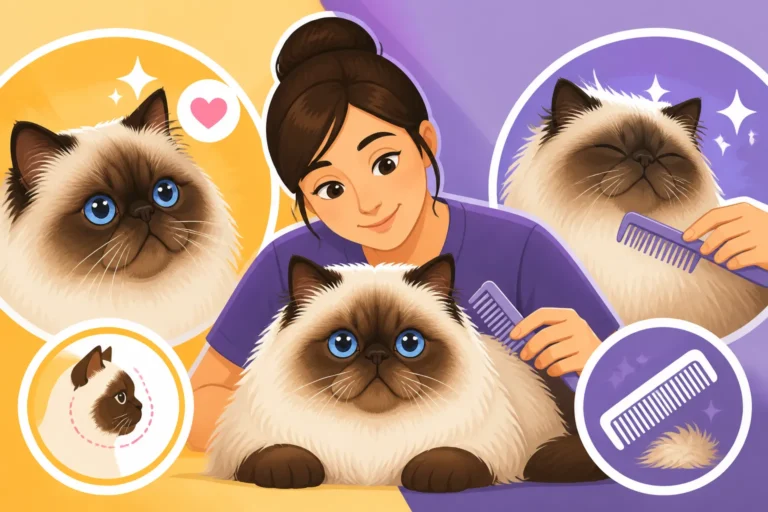
The Himalayan's long, dense coat requires daily grooming to prevent mats and tangles, but the extreme profile adds another layer of complexity. The folds around their nose and eyes need meticulous attention to prevent moisture build-up, yeast infections, and bacterial dermatitis. This means daily wiping with gentle, vet-approved solutions, followed by thorough drying. Ignoring this can lead to painful skin conditions that require costly medicated creams or oral antibiotics.
Furthermore, the long fur around their face and chin can get soaked when they drink and soiled when they eat, necessitating more frequent spot cleaning. Some owners opt for professional grooming, including a "lion cut" in warmer months, which can cost a significant amount. What a Groomer Charges for a Himalayan Lion Cut gives insight into these expenses. Even with regular home grooming, you’ll be investing in specialized combs, gentle wipes, and possibly tear-stain removers, all of which are ongoing expenses.
Food and Hydration: Adapting to Unique Eating Habits
Feeding an extreme-profile Himalayan can also present challenges. Their flattened faces and sometimes undershot jaws can make it difficult to pick up kibble from traditional bowls. They might struggle with deeply recessed bowls, leading to frustration and inefficient eating. This often results in food being pushed out of the bowl or consumed messily, coating their face and ruff. Which Bowl Shape a Flat Faced Himalayan Can Use offers practical advice on selecting appropriate dishes. Shallow, wide bowls or even elevated feeders are often recommended to make eating more comfortable and hygienic.
Some owners find wet food is easier for their extreme-profile Himalayans to eat, but this can be a more expensive feeding option than dry kibble. Special considerations for hydration also arise. Their flat faces can make drinking from standard water bowls or fountains awkward, leading to less water intake, which is especially concerning if they have underlying kidney issues. Wide, shallow water bowls that don't bend their sensitive whiskers are key. Brands like Chewy offer a vast selection of these specialized bowls, as well as high-quality wet foods that cater to these unique needs. For those looking for fresh, pre-portioned options, customized meal plans can be particularly helpful for cats with specific dietary challenges.
Environmental Adjustments to Keep Them Comfortable
Because of their compromised airways, extreme-profile Himalayans are very sensitive to heat and humidity. They struggle to cool themselves effectively through panting, making them highly susceptible to overheating. Why a Himalayan Overheats Twice as Fast as a Siamese is a critical piece of information for all owners. This means living in a climate-controlled environment is not just a luxury, but a necessity. Air conditioning is often essential during warmer months, and keeping the house cool adds to electricity bills.
Travel is another area where costs can escalate. Airlines often have restrictions or outright bans on brachycephalic breeds flying in cargo due to the risk of respiratory distress at altitude. Why a Flat Faced Himalayan Should Never Fly in the Hold underscores this danger. This limits travel options and often means higher costs for in-cabin travel if permitted, or necessitates alternative arrangements like pet sitting or specialized ground transport, which can be significantly more expensive than standard pet boarding.
Insurance and Planning for the Future
Given the inherent health predispositions of extreme-profile Himalayans, proactive financial planning, particularly through pet insurance, becomes not just advisable but almost essential. The cumulative costs of specialized care, potential surgeries, and ongoing medications can quickly become overwhelming without a safety net.
Why Pet Insurance Becomes a Lifeline
Pet insurance can be a game-changer for owners of extreme-profile Himalayans. While no one wants to imagine their beloved pet needing extensive medical care, the reality is that these cats are predisposed to conditions that can result in thousands of dollars in veterinary bills. Respiratory surgeries, recurring eye treatments, and frequent dental procedures are just a few examples. A good pet insurance policy can help offset these substantial costs, allowing you to prioritize your cat's health without facing devastating financial decisions.
When choosing a policy, it's crucial to read the fine print regarding pre-existing conditions and breed-specific exclusions. Some policies might have limitations on conditions common in brachycephalic breeds. Companies like Healthy Paws are known for their comprehensive coverage, but it's vital to inquire specifically about coverage for brachycephalic airway syndrome, dental issues, and chronic eye conditions. Whether a Himalayan Policy Excludes the Flat Face is an excellent resource for understanding what to look for and what questions to ask when considering insurance for your extreme-profile Himalayan.
Budgeting for a Lifetime of Specialized Care
Creating a realistic budget for an extreme-profile Himalayan means looking beyond the monthly food bill. It means allocating funds for routine preventative care, but also for potential emergencies and specialized treatments.
| Expense Category | Typical Frequency | Potential Annual Cost (Estimated) | Notes |
|---|---|---|---|
| Initial Purchase | One-time | High, Varies Widely | Can be premium for show lines or specific profiles. |
| Vet Check-ups | Annual | Moderate | Standard for all cats, but consider brachycephalic considerations. |
| Specialized Eye Care | Daily/Weekly | Low-Moderate | Wipes, solutions, potential prescribed drops. |
| Dental Cleanings | Annual/Bi-annual | High | Often requires anesthesia, prone to more extractions. |
| Respiratory Surgeries | One-time (if needed) | Very High | Nares resection, soft palate resection – can be thousands. |
| Medications | As needed/Ongoing | Varies | For allergies, infections, post-surgery. |
| Specialized Food/Bowls | Ongoing | Moderate | Wet food, elevated/shallow dishes to aid eating. |
| Grooming Supplies | Ongoing | Low-Moderate | Steel combs, face wipes, shampoos. |
| Professional Grooming | Bi-annual/Quarterly | Moderate | If opting for lion cuts or professional mat removal. |
| Pet Insurance Premiums | Monthly | Moderate-High | Essential for covering unexpected high vet bills. |
| Climate Control | Seasonal/Ongoing | Moderate | Increased electricity for AC during warm months. |
| Emergency Fund | Ongoing savings | Varies | Crucial for uncovered costs or deductibles. |
It's a lot to consider, but forewarned is forearmed. Understanding these potential costs upfront allows you to make an informed decision and prepare financially, ensuring your beautiful extreme-profile Himalayan receives all the love and care they need to live the happiest, healthiest life possible. They truly are wonderful companions, and with proper planning, you can ensure their well-being is never compromised by unforeseen expenses.
Disclaimer
This article is for general informational purposes only and does not constitute professional advice. Laws, prices and regulations vary by location and change over time. Consult a qualified professional for guidance on your specific situation.