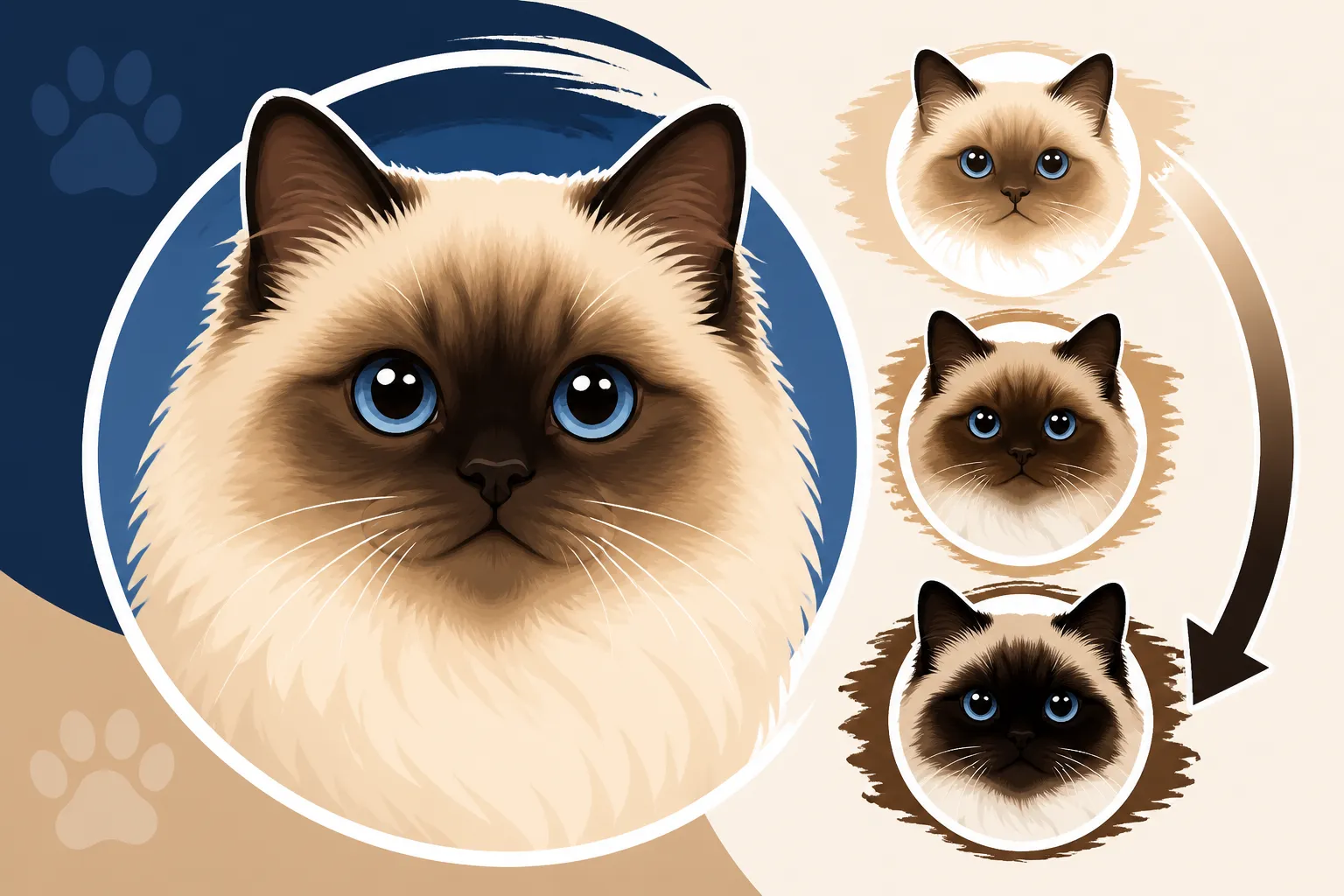
How Dark a Seal Point Himalayan’s Mask Runs
One of the most captivating features of a Himalayan cat is their stunning point coloration, and for Seal Points, that deep, rich mask is often the first thing people notice. If you’re a new Himalayan owner, or even a seasoned one, you might find yourself wondering just how dark that beautiful mask is supposed to get, or why it seems to change over time. It's a common question, and it speaks to the unique beauty and sometimes puzzling nature of these incredible felines. This guide is here to unravel the mystery behind the depth of a Seal Point Himalayan's mask, exploring the fascinating genetics and environmental factors that play a role.
The Genetics Behind Himalayan Point Coloration
To truly understand why a Seal Point Himalayan's mask runs dark, we first need to take a little dive into genetics. It's not nearly as complicated as it sounds, I promise! It all comes down to a very special gene that gives Himalayans, and other colorpoint breeds, their distinctive look.
The Tyrosinase Enzyme and Temperature Sensitivity
At the heart of the Himalayan's colorpoint pattern is a specific gene that produces a temperature-sensitive enzyme called tyrosinase. This enzyme is crucial for melanin production – melanin being what gives hair its color. But here's the kicker: this tyrosinase enzyme only works efficiently at cooler body temperatures.
Think of it like this: your Himalayan’s body acts like a little internal thermometer. The warmest parts of their body, like their torso and belly, keep the enzyme mostly inactive, resulting in pale, creamy, or even pure white fur. But in the cooler extremities – their ears, paws, tail, and of course, their adorable mask – the enzyme kicks into high gear, producing melanin and leading to those beautiful, darker "points." This is also why every Himalayan Kitten's Points First Appear as they are born almost white; they've been warm inside their mama! This fascinating genetic quirk means that their coat color is literally a living map of their body temperature.
Why Seal Points Are a Deeper Pigmentation
Now, within the world of colorpoints, there are different shades. A Seal Point Himalayan is essentially a genetically black cat whose pigment expression is limited by that temperature-sensitive enzyme. So, where that enzyme can work – in those cooler areas – it's producing a dense, dark pigment that would be black if it were active over the entire body.
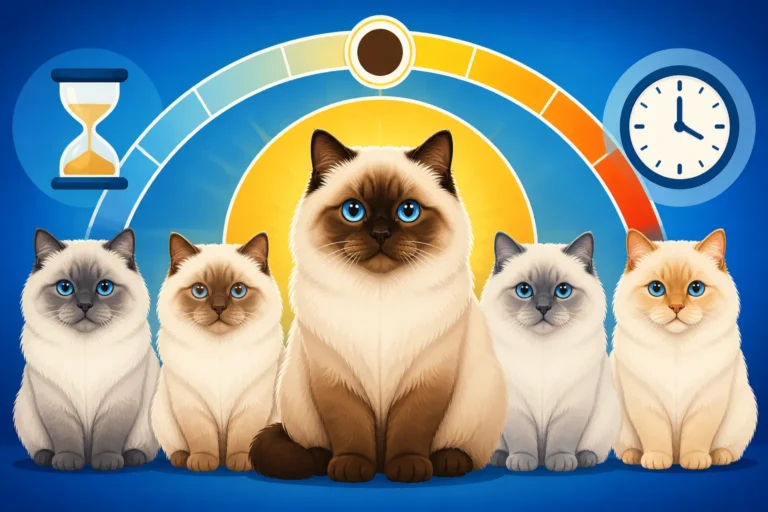
This is why Seal Points are often considered the classic, most recognizable Himalayan color. Their pigment is intense, leading to a rich, dark brown, almost black, coloration on their points. Compare this to a Blue Point, which is a diluted black, or a Chocolate Point, which has a different genetic modifier. The Seal Point gene instructs for the deepest possible pigmentation in the cooler regions, making their masks particularly striking and dark. It’s a testament to the power of genetics and how they create such stunning variations in our beloved feline friends.
Factors Influencing a Seal Point Himalayan's Mask Darkness
While genetics lay the foundation for a Seal Point's mask, it's not the only player in the game. Several factors can influence just how dark that mask will become, and sometimes, even how quickly it develops. It's a dynamic process, and understanding these influences can help you appreciate the subtle shifts in your cat's beautiful coat.
Age and Maturation of Points
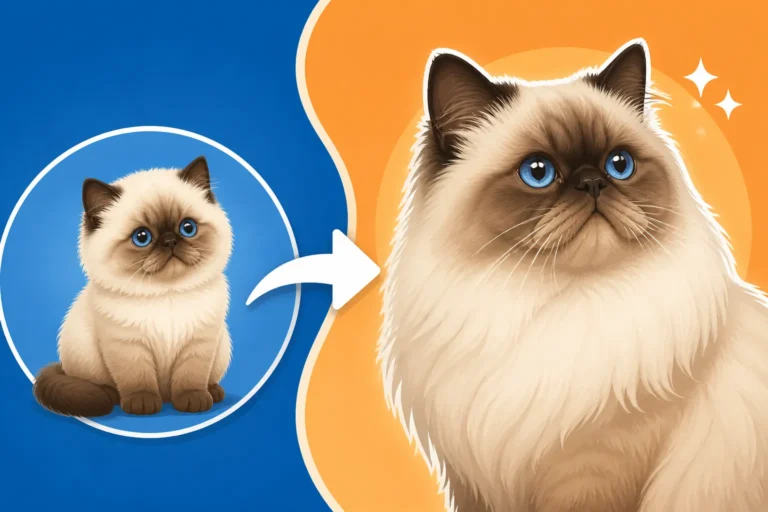
When a Himalayan kitten is born, their points are incredibly pale, often barely perceptible. This is because they've been toasty warm in their mother's womb. As they grow and are exposed to the ambient temperature of the world, their points slowly begin to emerge and deepen. The mask, being one of those cooler areas, will gradually fill in.
However, the process isn't instant. A Seal Point's mask isn't fully set in stone when they reach adulthood. In fact, many Himalayans continue to deepen in point color throughout their lives. It's not uncommon for a young adult cat to have a rich, defined mask, only for it to become even more intensely dark and robust as they enter their senior years. Think of it like a fine wine, deepening and developing character with age! The Age a Himalayan's Points Stop Changing can actually be quite advanced, well into their middle years.
Environmental Temperature and Lifestyle
This is a big one! Since the point coloration is temperature-sensitive, the ambient temperature of your home, and even your cat's preferred sleeping spots, can significantly impact how dark their mask, and all their points, become. A Himalayan living in a consistently cooler environment will generally develop darker points than one kept in a very warm house.
I've seen it firsthand – a Seal Point who loves to curl up near a cool window in the winter might have a slightly darker mask than their sibling who prefers to bake in the sunniest spot all day. It's a subtle effect, not a dramatic overnight change, but over months and years, consistent exposure to different temperatures can contribute to the depth of their point coloration. This also explains Why a Himalayan in a Cold House Darkens All Over, not just their mask. It’s also why, if your cat has ever had a shaved patch for surgery, that patch will often grow back darker initially, because the skin underneath was exposed to a cooler temperature as the fur grew back.
Individual Genetic Variation
Even within the Seal Point category, there's a spectrum of darkness. Just like human hair color varies from person to person, so too does the intensity of pigment in cats. Some Seal Point Himalayans are genetically predisposed to have incredibly dark, almost black masks right from a younger age, while others might retain a slightly softer, very deep brown shade throughout their lives.
This individual variation is part of what makes each cat unique. A reputable breeder will often be able to tell you about the general point intensity of their lines, but even within a single litter, there can be subtle differences. It's not a flaw; it's just nature's way of adding a little extra character! When evaluating your cat's mask, it's important to appreciate their individual beauty rather than comparing them strictly to an idealized "perfect" shade.
What to Expect from Your Seal Point's Mask Over Time
So, you've brought home a Seal Point Himalayan kitten, and you're curious about its future mask development. Or perhaps you have an adult cat and you're noticing changes. It's a journey, and their mask will tell a story over the years.
From Kitten to Adult
As mentioned, a Seal Point kitten starts off almost entirely white or a very pale cream. Over the first few weeks, you'll see faint hints of color begin to emerge on their nose and ear tips. By the time they are 8 to 12 weeks old, that mask will be clearly defined, a beautiful soft brown. However, it won't be as deep and rich as it will become.
During their first year, as they grow into adolescence and young adulthood, the mask will continue to deepen steadily. The contrast between their dark points and their pale body will become more pronounced. This is a crucial period for their coat development, and good nutrition can support overall coat health and vibrancy, even if the genetic program for color is already set.
Aging and Overall Darkening
It's a common observation among Himalayan owners that their cats' points continue to darken even into old age. An elderly Seal Point Himalayan can have points that are almost uniformly black, with very little distinction between the mask and the rest of their darkened extremities. Their body coat, too, might yellow or darken with age, reducing the striking contrast that was present in their youth. Why an Old Himalayan Looks Almost Solid Colored is a phenomenon many owners encounter.
This gradual darkening is a natural part of the aging process for colorpoint cats. Their metabolic rate changes, and their body temperature regulation might shift slightly, allowing the tyrosinase enzyme to be more active over a larger area of their body. It's not something to be concerned about; it's just another fascinating aspect of living with these beautiful felines.
Coat Health and Grooming's Role
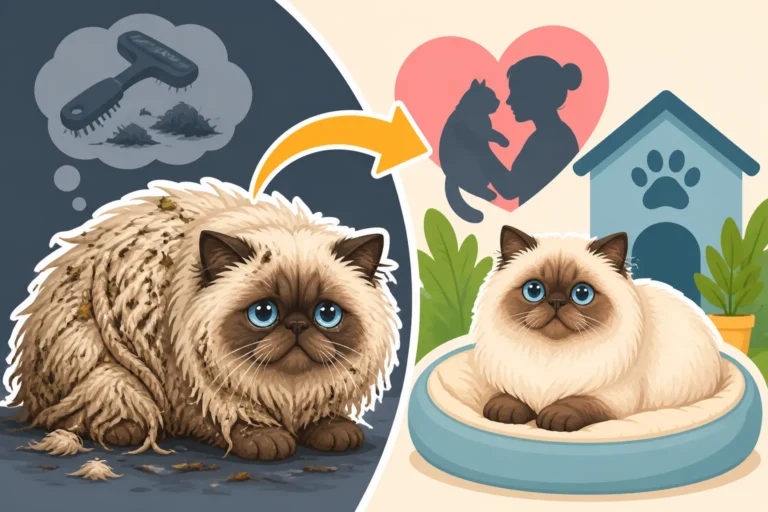
While coat health doesn't change the genetic color a Seal Point's mask should be, it absolutely affects how dark and vibrant it appears. A dull, dirty, or matted coat can make the mask look less defined and less appealing.
Regular grooming, especially around the face, is vital for Himalayans. Their flat faces mean tear stains are common, and these stains, if left uncleaned, can create a reddish-brown discoloration that obscures the natural beauty of the mask. A consistent routine of gentle wiping with a damp cloth or specialized wipes can keep the mask area pristine. You can find all the necessary grooming tools and even specialized flat-faced bowls on sites like Chewy to help with this daily care. A healthy, well-maintained coat, free from mats and stains, will always show off the true, deep color of a Seal Point's mask best.
Understanding the Spectrum of Seal Point Mask Shades
It's helpful to remember that there isn't one single "correct" shade of darkness for a Seal Point Himalayan's mask. While breed standards exist, there's always a natural spectrum within any color division. Understanding this spectrum can help you appreciate your cat's unique beauty and know what to look for if you're ever considering a show cat.
Acceptable Variations in the Show Ring
In the show ring, judges look for a rich, deep seal brown color on the points, including the mask. The color should be dense and uniform, with a good contrast against the body color. However, there's a certain tolerance for variation. A mask that is exceptionally dark, almost black, would likely be prized for its intensity, provided the contrast with the body remains.
What's more important than reaching an exact shade of darkness is the overall quality of the color – its depth, richness, and clarity – and the contrast it provides against the paler body. A dull or faded mask, or one that isn't clearly defined, might be considered less ideal. If you're looking for a show-quality kitten, a good breeder will be able to show you how previous generations of their cats matured and how their points developed, giving you a better idea of what to expect from your own kitten's mask. How Judges Score a Himalayan's Point Contrast is a complex art that considers many factors.
When a Mask Is Too Dark or Light for the Standard
Sometimes, a Seal Point's mask might deviate from what is generally considered ideal.
- Too Light: If a Seal Point's mask never develops into a rich, deep brown, remaining pale or faded even into adulthood, it might indicate a weaker genetic expression of the seal point gene or perhaps consistent exposure to unusually warm environments. While still beautiful, it might not meet the intense color depth expected in show standards.
- Appearing "Too Dark": A mask that appears excessively dark, to the point where it blends indistinguishably with the darkest black, can sometimes be seen in very old cats, where the entire point set has intensified. In younger cats, if the mask seems almost entirely black with no discernible brown undertone, it could still be a perfectly healthy Seal Point, just one with particularly strong pigment expression. However, sometimes certain dietary factors or environmental elements can cause staining around the mask area that makes it appear darker than its natural pigment, so regular cleaning is key.
Ultimately, for a pet owner, the absolute shade of the mask is less important than the cat's overall health and happiness. If you have any concerns about unusual coat changes or skin issues around the mask, especially those that don't seem like normal point darkening, it's always wise to consult your veterinarian. Comprehensive pet insurance, like a policy from Healthy Paws, can offer peace of mind for unexpected vet visits.
Here's a simple overview of how various factors can influence your Seal Point's mask:
| Factor | Influence on Mask Darkness | Expected Outcome |
|---|---|---|
| Genetics (Primary) | Inherited intensity of the Seal Point gene | Ranges from deep brown to almost blackish-brown |
| Age | Points deepen as the cat matures | Kittens have pale masks, adults have rich masks, seniors have very dark, almost black masks |
| Environmental Temp. | Cooler temps activate pigment enzyme more | Cats in cooler homes tend to have darker points |
| Sun Exposure | Excessive sun can sometimes "bleach" points | Can lead to slightly faded appearance over time |
| Diet & Nutrition | General coat health impacts vibrancy (indirect) | Healthy coat appears richer and more defined |
| Grooming/Tear Stains | Uncleaned stains can obscure natural color | Regular cleaning reveals true mask color and depth |
| Health Conditions | Underlying illness can affect coat quality | May result in duller, less vibrant points (rarely darker) |
Just like a good meal contributes to their overall wellness, proper care ensures their beautiful coat shines. Observing these changes in your own cat is part of the joy of owning a Himalayan. Their points are a dynamic part of their beauty, evolving right along with them through every stage of their life. Enjoy the journey and the unique charm of your Seal Point’s ever-deepening mask!
Disclaimer
This article is for general informational purposes only and does not constitute professional advice. Laws, prices and regulations vary by location and change over time. Consult a qualified professional for guidance on your specific situation.