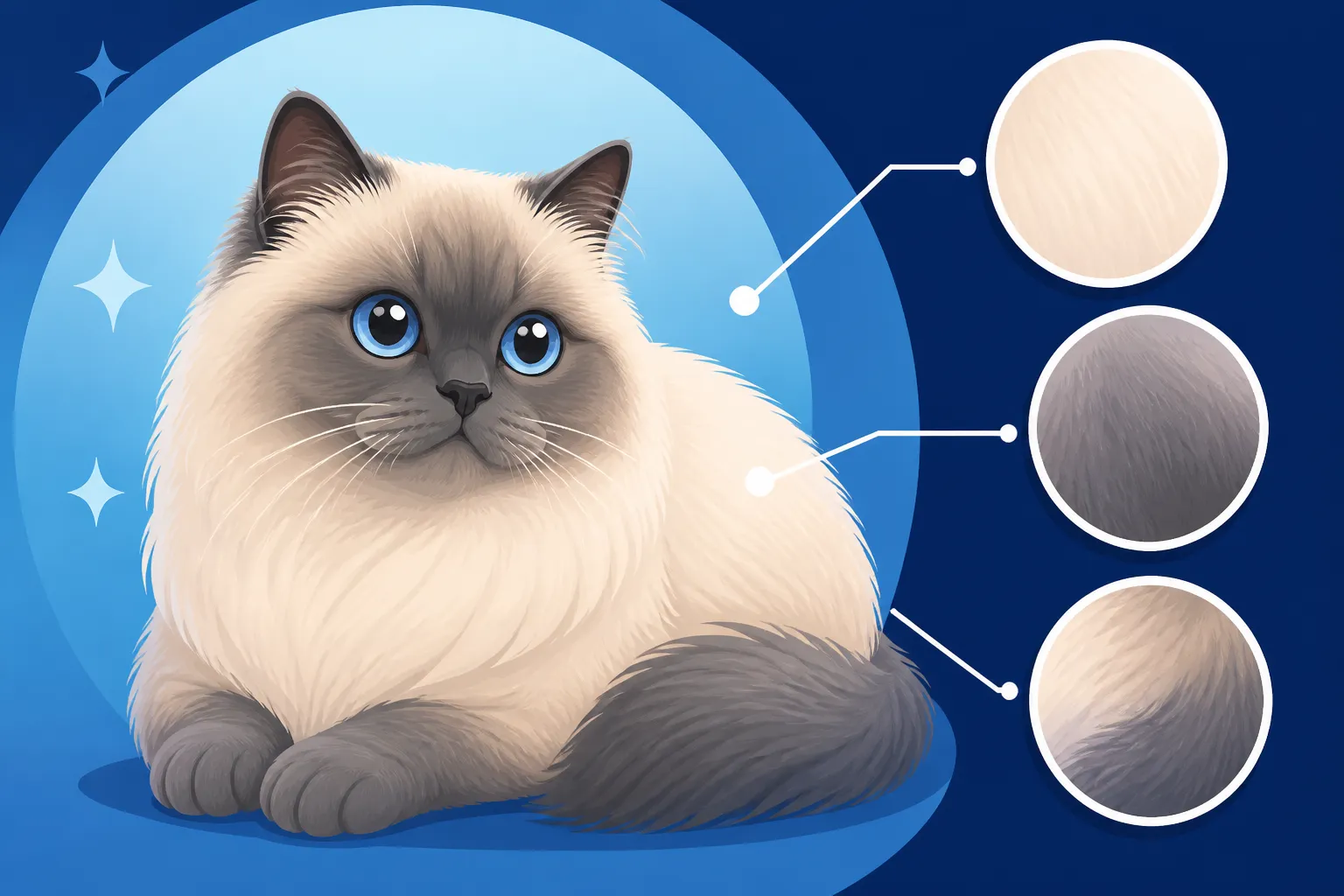
How a Blue Point Himalayan’s Body Coat Reads
Bringing a beautiful Blue Point Himalayan into your home is an absolute joy, but it also comes with a unique set of responsibilities, particularly when it comes to their magnificent coat. Many new owners, and even some seasoned ones, might look at their cat's fur and only see its stunning color, missing the subtle cues it's constantly giving about their cat's health, comfort, and the effectiveness of their care routine. This guide is here to help you truly read your Blue Point Himalayan's body coat, understanding what it's telling you about everything from temperature to diet, and how that impacts your ownership journey.
The Ideal Blue Point Himalayan Body Coat: What It Should Really Look Like
When you first bring home a Blue Point Himalayan, or even if you've admired them for years, there's an image in your mind of that perfect, pristine coat. But what exactly makes a Blue Point's body coat ideal? It's more than just a pretty shade; it's a testament to good genetics, diligent care, and a healthy life.
Understanding the Colorpoint Gene's Influence
The Himalayan's signature "point" coloration, including the beautiful blue, is due to a fascinating temperature-sensitive gene. This gene restricts pigment development to the cooler extremities of the body – the face, ears, paws, and tail – leaving the main body coat a lighter shade. For a Blue Point, this means those extremities should display a cool, slate-blue tone, while the body coat itself should be a delicate, cool-toned off-white or cream. It's all about contrast, you see. The clearer the distinction between the dark points and the pale body, the more striking and "correct" the coat is considered.
Think of it like a finely painted watercolor; you want distinct, yet blended, shades. The body coat isn't meant to be pure white, but rather a soft, gentle canvas that highlights the deeper blue points. The science behind it is quite captivating, as the cooler areas of your cat's body allow the pigment to express itself, resulting in that gorgeous pointed pattern. This is why How Temperature Decides a Himalayan's Point Color is so crucial to understanding their appearance.
Texture and Condition: Beyond Just Color
Beyond the color, the texture and overall condition of your Blue Point Himalayan's coat are paramount. This isn't just a single layer of fur; it's a dense, luxurious double coat. The outer guard hairs should be long, silky, and flowing, while underneath, there's a soft, thick undercoat providing insulation. When you run your fingers through an ideal Blue Point coat, it should feel incredibly soft and dense, almost like spun silk, with no snagging or resistance. It should move freely, without clumping or tangles, and have a natural luster that speaks of health.
There should be no dullness, dryness, or excessive oiliness. A healthy coat has a certain resilience to it. The length of the coat, particularly the magnificent ruff around their neck, the britches on their hind legs, and their plumed tail, contributes to their majestic appearance. It's a lot of fur, to be sure, and understanding How Long a Himalayan's Coat Actually Grows helps you appreciate the sheer volume you're dealing with. When it's in top condition, it’s truly a sight to behold, framing their expressive blue eyes beautifully.
Environmental and Lifestyle Factors That "Read" on the Coat
Your Himalayan's coat is a living canvas, constantly reacting to its environment and your cat's daily life. It's like a subtle barometer, giving you clues about how well certain aspects of their care are meeting their needs.
Temperature's Role in Coat Development and Maintenance
One of the most significant influences on your Blue Point Himalayan's coat color is temperature. Because of that unique gene we talked about, colder ambient temperatures can cause the non-pointed areas of the body to darken slightly over time. You might notice an older Himalayan, especially one that enjoys lounging in cooler spots or whose home is kept a bit chilly, will have a less distinct contrast between its points and its body coat. The cream body might take on a faint, smoky hue, blending more subtly into the blue points. This isn't necessarily a bad thing, but it's a direct 'read' of their environment.
Conversely, a cat kept in a consistently warmer indoor environment might maintain a paler body coat throughout its life, with sharper contrast. This is why Why a Himalayan in a Cold House Darkens All Over is something every owner should understand. It's a natural phenomenon for the breed, and it means if you want to maintain that crisp contrast, regulating your home's temperature is a silent, ongoing factor in their appearance. This also explains why shaved patches, like after a trip to the vet, might grow back darker – the skin is cooler without the insulating fur.
Diet and Nutrition: The Inner Glow of a Blue Point
What goes into your Himalayan absolutely shows on the outside, especially in their coat. A diet rich in essential fatty acids, particularly Omega-3 and Omega-6, makes a profound difference to coat luster and health. These nutrients contribute to the natural oils in the skin and fur, which in turn keep the coat soft, shiny, and less prone to breakage and matting. A dull, dry, or brittle coat can often be one of the first indicators that a cat's diet isn't quite hitting the mark.
If your Blue Point's coat isn't reading as vibrant and soft as it should, consider its nutrition. High-quality cat food, including options made with fresh ingredients, can provide the necessary building blocks for a truly magnificent coat. Poor nutrition can also sometimes lead to a yellowish tinge on the pale body coat, rather than that desirable creamy hue. Focusing on a diet with a good balance of nutrients, including a sufficient What Protein Level a Himalayan's Coat Needs, is an investment that pays dividends in coat health.
Grooming Regimen: The Daily Investment
Let's be real, that glorious Persian coat isn't low-maintenance. A Blue Point Himalayan's coat demands a daily commitment to grooming, and any lapse will be clearly 'read' in its condition. Skipping even a few days can lead to tangles, which quickly escalate into painful mats. Mats pull on the skin, cause discomfort, and can lead to skin infections hidden beneath the thick fur. A well-groomed coat, free of mats, looks fuller, feels softer, and has that characteristic flow that makes Himalayans so beautiful.
The daily comb isn't just about aesthetics; it's a health check, a bonding experience, and a preventative measure against costly vet visits. The Daily Comb a Himalayan Cannot Skip is not just a suggestion, it's a fundamental pillar of Himalayan care. Without it, the coat becomes a tangled mess, losing its silky texture and picking up dirt and debris, which will make it 'read' as neglected, regardless of how much you love your cat. This daily investment of time ultimately saves you money and heartache in the long run.
Decoding Deviations: When Your Blue Point's Coat Sends a Message
Sometimes, your Blue Point Himalayan's coat might not look quite right. These deviations aren't just cosmetic; they're often important signals about your cat's health and well-being. Learning to read these messages can help you address potential issues before they become serious.
Unwanted Darkening and Discoloration
One common concern for Himalayan owners is unwanted darkening or discoloration of the body coat. We've discussed how environmental temperature can lead to a general smoky appearance, but other factors can cause more specific issues. Sometimes, certain areas of the pale body coat, particularly around the face or areas of friction, can develop a yellowish tinge. This can be due to natural oils, diet, or even simply not drying properly after a drink of water, and it's definitely something you want to keep an eye on. Why a Himalayan's Pale Body Coat Yellows goes into more detail on how this happens.
Another fascinating, yet sometimes startling, phenomenon is when a shaved patch of fur (perhaps for surgery or an ultrasound) grows back darker than the surrounding body coat. This is, again, due to the temperature-sensitive gene; the skin is cooler when shaved, encouraging darker pigment to develop as the new fur grows in. How a Shaved Patch Regrows Darker on a Himalayan explains this perfectly. While often harmless, these changes are a clear 'read' of external or internal factors influencing pigment.
Matting, Dullness, and Poor Texture
Perhaps the most alarming 'read' your Himalayan's coat can give is matting, dullness, or a noticeably poor texture. Mats are more than just ugly; they are painful, restricting movement, pulling on the skin, and creating ideal breeding grounds for bacteria and parasites. A heavily matted cat isn't just uncomfortable; they can become seriously ill. If you find your cat's coat is becoming dull, greasy, or brittle, and mats are forming despite your best efforts, it's a red flag. Why a Matted Himalayan Becomes a Medical Case underscores the seriousness of this issue.
A dull coat can indicate nutritional deficiencies, internal parasites, or even chronic stress. A greasy coat could point to skin issues or an inability for the cat to groom itself properly due to pain or obesity. These are clear signals that something is amiss and requires attention. Ignoring these signs can lead to more severe problems and much higher veterinary bills for professional dematting under sedation, or treating secondary skin infections.
What a Changed Coat Can Tell You About Health
Beyond visible mats and discoloration, subtle changes in your Blue Point's coat can be early indicators of underlying health problems. A sudden, unexplained change in coat quality, such as excessive shedding, a sparse appearance, or a change in texture (too dry, too oily) can sometimes signal metabolic diseases like thyroid imbalance or kidney issues. If an older Himalayan's coat becomes unkempt and they're no longer grooming effectively, it could be a sign of arthritis, dental pain, or even cognitive decline, making it painful or difficult for them to reach certain areas.
Your cat's coat is intrinsically linked to its overall health. A healthy cat usually has a healthy coat. If you notice persistent changes that don't respond to improved grooming or diet, it's time for a vet visit. Regular check-ups, especially for older cats, often include blood work that can catch these issues early. What a Himalayan's Yearly Bloods Should Cover After Eight is invaluable for monitoring their health as they age, and changes in coat condition can prompt these investigations. Sometimes, a seemingly minor coat issue can be the first 'read' of a much deeper health concern, which is why Why a Himalayan's Coat Hides a Wound for Days is also something to be mindful of.
Practical Steps for Nurturing Your Blue Point's Coat (and Your Wallet)
Maintaining that glorious Blue Point Himalayan coat isn't just about vanity; it's about health, comfort, and smart financial planning. Proactive care truly is the best approach.
Choosing the Right Tools and Products
The right tools are half the battle when it comes to keeping your Himalayan's coat in prime condition. A good quality stainless steel comb, with both wide and fine teeth, is non-negotiable. It's the primary instrument for detangling and removing loose undercoat. Slicker brushes are fine for surface fluff but won't get down to that dense undercoat where mats truly begin. You also want to invest in gentle, cat-specific shampoos if bathing is necessary, and soft cloths or wipes for daily face cleaning, especially around those beautiful, but often watery, blue eyes.
When you're shopping for supplies, reputable online retailers like Chewy offer a wide selection of grooming tools, shampoos, and nutritional supplements that can support coat health. Remember, don't skimp on quality here; cheap tools can pull and damage the coat, making the grooming experience unpleasant for your cat. Investing in a good comb, like those mentioned in What a Steel Comb for a Himalayan's Coat Costs, is a small upfront expense that saves you much more in the long run.
Proactive Care: Investing in Prevention
The single biggest investment you can make in your Blue Point Himalayan's coat health is consistent, daily grooming. As discussed in How Long a Himalayan's Daily Comb Takes, it's not a huge time commitment if done regularly, but the benefits are enormous. Regular combing prevents mats, distributes natural oils, stimulates circulation, and keeps the coat looking its best. This proactive approach significantly reduces the chances of costly visits to the vet for sedation and shaving due to severe matting, or treating skin infections that fester beneath neglected fur.
Consider pet insurance, too. While routine grooming isn't typically covered, a plan from a provider like Healthy Paws can be a lifesaver if an undetected health issue manifests, leading to coat problems that require extensive veterinary care. Prevention is always cheaper than cure, and that applies just as much to your cat's coat as it does to its internal health. A well-maintained coat reads as a loved, healthy cat, and that's the best outcome for everyone.
Dietary Considerations for a Pristine Coat
A premium diet is another crucial component of coat care that many owners underestimate. Feeding your Blue Point Himalayan high-quality food, rich in animal protein and beneficial fats, provides the foundational nutrients for healthy skin and a lustrous coat. While specific brands will vary in price, the investment in a superior diet often leads to fewer health issues down the line, potentially reducing veterinary expenses.
If you're considering dietary changes to boost coat health, consulting with your vet is always a good idea. They might recommend specific supplements or suggest a specialized diet. Some owners find that fresh food options provide noticeable improvements in coat quality, though these often come with a higher price point. Remember to ensure your cat has constant access to fresh water too, as hydration plays a key role in skin and coat health. A well-fed cat with a balanced diet will have a coat that 'reads' healthy from the inside out.
Disclaimer
This article is for general informational purposes only and does not constitute professional advice. Laws, prices and regulations vary by location and change over time. Consult a qualified professional for guidance on your specific situation.