Teaching a Child to Hold a Cobby Himalayan Properly
Bringing a new kitten or even an adult Himalayan into a home with children is an exciting time, filled with dreams of cuddles and playful moments. However, the reality often hits when you realize that children, with their boundless energy and sometimes clumsy enthusiasm, don't instinctively know how to handle a delicate, cobby cat like a Himalayan. This guide is here to walk you through the essential steps and patient lessons needed to teach your child how to properly, safely, and lovingly interact with your Himalayan, ensuring a happy and harmonious home for everyone.
Understanding the Himalayan's Unique Physique for Gentle Handling
Before we even get to the "how-to" of holding, it’s absolutely critical that both parents and children understand why Himalayans need special handling. These aren't your average barn cats! Their distinctive physical traits, while incredibly charming, also make them quite vulnerable to rough play or improper handling. Explaining these nuances to a child, in an age-appropriate way, is the first step toward fostering respect and gentleness.
The Cobby Body and Short Legs: More Than Just "Fluffy"
Himalayans are known for their "cobby" bodies – meaning they are stocky, compact, and often surprisingly heavy for their size. Their legs are quite short, especially compared to their overall body mass. This isn't a cat built for agile leaps or quick escapes from a playful child's grasp. Instead, their build means they need full support when lifted. Imagine trying to pick up a small, fluffy brick; if you don't support it completely, it feels awkward and might even hurt if it's dropped or jostled incorrectly.
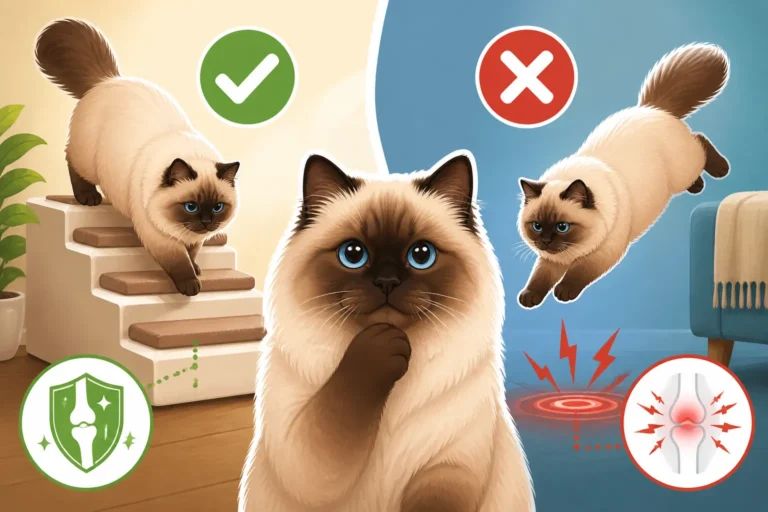
This cobby structure also means their spine and joints can be vulnerable. A child who grabs a Himalayan around the middle or by their front legs, leaving their hindquarters dangling, puts immense strain on their delicate back. It’s akin to picking up a toddler by their armpits only – it's uncomfortable and potentially damaging. We need to teach children that a Himalayan's body is precious and requires a "full cradle" approach. We want to avoid any position that could lead to discomfort or, in the worst-case scenario, injury to their back or hips. Think about how you would carefully lift a very full, heavy basket; you'd use both hands and support the bottom completely, right? It's the same principle for our furry friends. Lifting a Cobby Himalayan Without Straining Its Back is a key skill to master for any owner, and especially for teaching young hands.
The Delicate Flat Face and Sensitive Airways
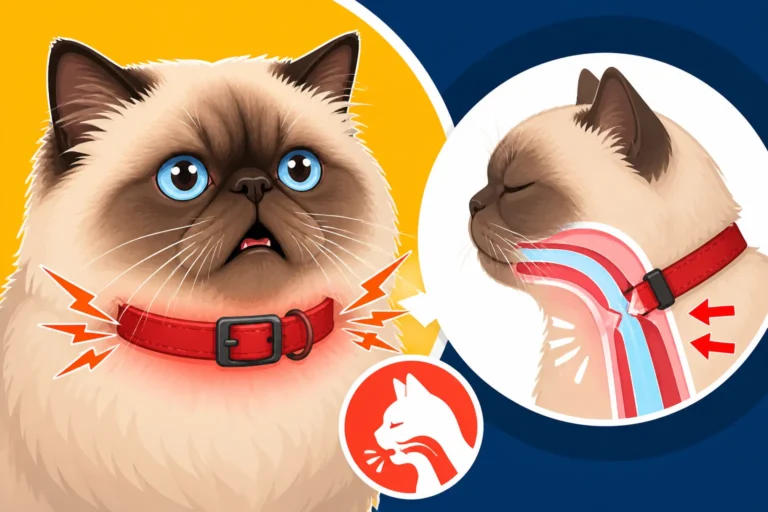
One of the most defining and beloved characteristics of many Himalayans is their strikingly flat face, often referred to as a "Peke-face." While incredibly cute, this brachycephalic (short-nosed) structure comes with important considerations. Their nostrils can be very narrow, and their airways are often more restricted than those of a longer-nosed cat. This means that any pressure on their chest, neck, or even their face can impede their breathing. A child hugging a Himalayan too tightly around the chest or pressing their face into the cat's can inadvertently cause distress or even make it difficult for the cat to breathe.
Furthermore, their prominent, often watery eyes, set within that flat face, are also sensitive. Children need to understand that poking or rubbing the face is absolutely off-limits. Their small, low-set ears are also part of this delicate facial structure. We want to ensure that children understand these areas are “no-touch zones” for anything but the gentlest, adult-supervised petting. If you notice your cat consistently having issues, a vet check-up might be in order, as even minor issues can become painful for them. Ear infections can sometimes be related to the facial structure and grooming challenges.
The Luxurious, Long Coat: A Magnet for Mats and Tangles
That magnificent, flowing coat is another hallmark of the Himalayan, but it’s also a feature that requires careful handling. A child's grabby hands, even if well-intentioned, can easily pull and tug on this long fur, causing pain and creating mats. Mats aren't just cosmetic issues; they can pull on the skin, causing discomfort, irritation, and even skin infections if left untended. What might seem like a simple tug to a child can be genuinely painful for the cat.
It's important to explain to children that the Himalayan's fur needs to be treated like a very delicate, long blanket – not something to pull on or yank. This is a great opportunity to introduce them to the idea of gentle grooming, perhaps letting them carefully brush the cat's back with a soft, child-friendly brush under supervision. Even if it's just for a minute, it reinforces the concept of gentle interaction. Regular grooming is not just for beauty; it's a vital part of their comfort and health. The Daily Comb a Himalayan Cannot Skip is a rule for a reason, and it's something a child can eventually learn to appreciate and even assist with in a small way.
The Art of the Gentle Lift and Hold: Step-by-Step for Kids
Once your child understands why Himalayans need special care, it’s time to teach them how to do it properly. This isn't a one-time lesson; it's an ongoing process that requires patience, repetition, and constant supervision. The goal is to make the experience positive for both the child and the cat, building a foundation of trust and respect.
Ground Rules Before Lifting: Permission and Calmness
The very first rule, non-negotiable, is that a child should always ask a parent or supervising adult before attempting to pick up the cat. This isn't just about safety; it teaches respect for boundaries and ensures an adult is present to guide and intervene if needed.
Next, teach them to approach the cat calmly. No running, no loud noises, no sudden movements. A Himalayan is generally a laid-back cat, but sudden actions can startle them. Encourage the child to speak in a soft, quiet voice. Have them sit down on the floor near the cat, offering a hand for the cat to sniff. If the cat rubs against them or seems receptive, that's their cue to gently proceed. If the cat walks away, that's its way of saying "not right now," and the child must respect that. How a Himalayan Shows Displeasure Without Moving is often subtle, so teaching kids these cues is invaluable.
The "Scoop and Support" Method: A Two-Handed Embrace
This is the core technique for safely lifting a Himalayan. It emphasizes full body support to prevent strain on their cobby frame.
- Preparation: Have the child sit on the floor if the cat is already there. This makes the lift much easier and reduces the height of a potential fall.
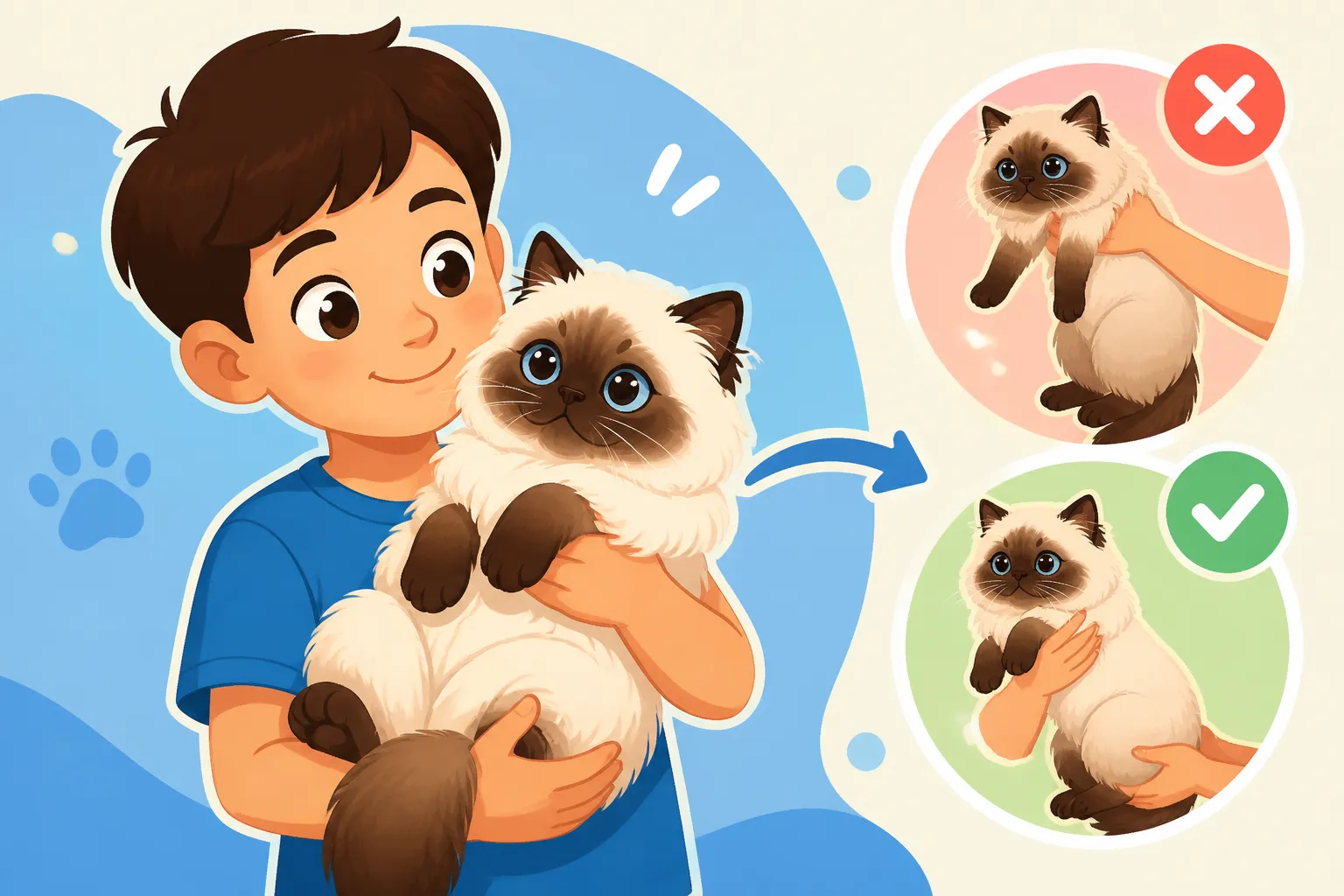
- First Hand Under the Chest: Guide the child to place one hand under the cat's chest, right behind its front legs. Explain this hand is like a "shelf" for the front half of the cat's body.
- Second Hand Under the Hindquarters: Instruct the child to place their other hand under the cat's bottom and hind legs. This is the "main support" that takes the bulk of the cat's weight. Emphasize that all four paws should be supported.
- Gentle Lift Close to the Body: As the child gently lifts, they should bring the cat close to their chest. This makes the cat feel secure and reduces the chance of struggling or wiggling. It also minimizes the distance if the cat decides to jump down.
An analogy that often works for children is to imagine carrying a sleeping baby or a very precious, heavy teddy bear. You wouldn't just grab its head or its legs; you'd cradle it completely. For our Himalayans, it’s about that full, secure cradle.
Proper Holding Positions: Secure But Never Squeezing
Once the cat is lifted, the holding position is just as important. The best way for a child to hold a Himalayan is usually while sitting down.
- Lap Cuddles: Have the child sit on the floor or a sofa, and gently place the cat in their lap. The cat's body should be supported by the child's lap and perhaps one arm, leaving the other hand free for gentle petting. This reduces the risk of the cat falling and ensures it feels secure. This is also a wonderful opportunity for bonding, with the child able to stroke the cat's soft fur gently.
- Against the Chest (Supervised): If standing, the cat should be held securely against the child's chest, with both hands still supporting its entire underside. The child's arms should form a secure "basket" for the cat, but never squeeze. Remind them that the cat needs to breathe easily. Why a Himalayan Should Never Be Squeezed is a vital lesson for their delicate airways and cobby build.
A good way to check if a child is holding too tightly is to ask them if they can still feel the cat's breathing. If the cat is struggling or trying to wiggle free, it's a sign that the hold is either too tight, too insecure, or the cat simply isn't in the mood. In these cases, the adult should calmly assist the child in putting the cat gently back down.
Setting Boundaries and Supervising Interactions for Safety
Even with the best intentions and clear instructions, children and pets need careful boundaries and consistent supervision. This isn’t about discouraging interaction; it’s about making sure all interactions are positive and safe for both your child and your beloved Himalayan.
Designated "Cat Time" and Quiet Spaces
Establish specific times for children to interact with the cat. This doesn't mean the cat is off-limits at other times, but it sets expectations for structured, supervised play and cuddling. During these "cat times," ensure that an adult is actively present, guiding the child and monitoring the cat's reactions. Short, positive interactions are far more beneficial than long, potentially overwhelming ones. Five minutes of gentle petting and quiet talk can be much better than an unsupervised half hour that ends in tears or a stressed cat.
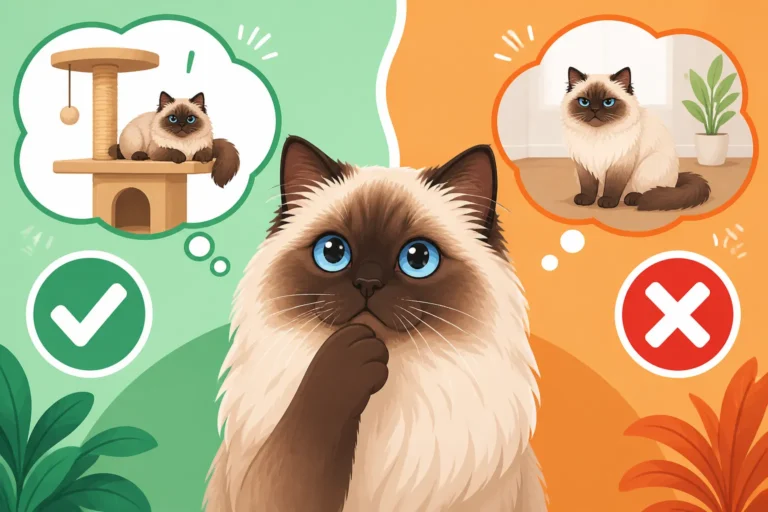
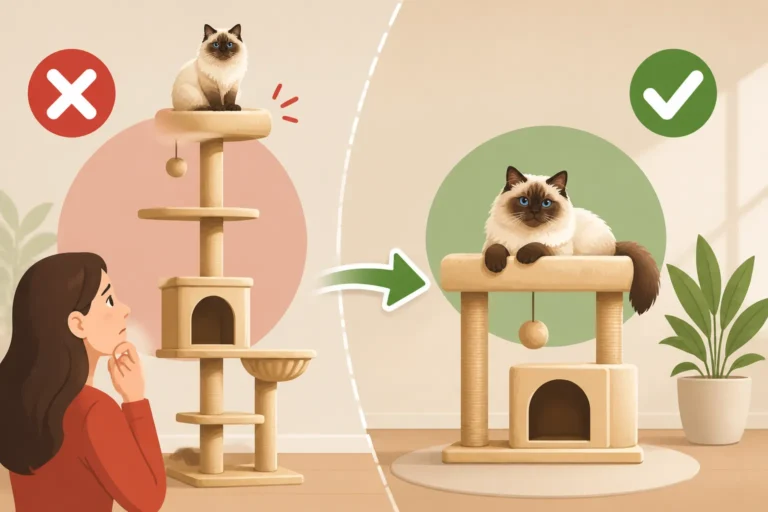
It's also crucial to provide your Himalayan with safe, quiet retreats where they can go when they need a break. This could be a cat bed under a table, a cozy perch on a Why a Himalayan's Cat Tree Should Be Waist High at Most, or even just a room that's off-limits to children for certain periods. Teach your children that if the cat goes into its safe space, it's asking for solitude and should not be disturbed. This teaches children to respect animal autonomy and boundaries. A tired cat, or one seeking quiet, is less likely to be patient with a child's antics.
Understanding When Not to Disturb the Cat
This is a fundamental lesson in respecting any animal. Children need to learn that there are times when the cat should simply be left alone, regardless of how much they want to play or cuddle.
- Sleeping: A sleeping cat should never be woken up or disturbed. This can startle them, leading to an unpleasant reaction. "Let sleeping cats lie" is a rule that applies universally.
- Eating: When the cat is eating, it should have its space. Food is a high-value resource for animals, and disturbing them can lead to possessive behavior.
- Using the Litter Box: This is a private moment for any creature, and a cat deserves its privacy. Disturbing them here can lead to stress or even reluctance to use the litter box, causing bigger problems down the line. A wide, shallow litter box is perfect for a Himalayan, making it easy for them to get in and out without fuss.
- Grooming: While light petting during grooming can be okay, aggressive interaction while they're tending to their fur should be avoided.
By teaching these boundaries, you're not just protecting your cat; you're also instilling empathy and respect in your child, valuable lessons that extend far beyond pet ownership.
Reading Your Himalayan's Signals: Teaching Empathy and Respect
Cats, especially Himalayans who tend to be more reserved than some other breeds, communicate their feelings through subtle body language. Teaching children to "read" these signals is paramount to ensuring safe and positive interactions. It helps them understand when the cat is happy and enjoying the interaction, and more importantly, when it's feeling uncomfortable, stressed, or needs space.
Happy Cat vs. Stressed Cat: Decoding Body Language for Kids
For children, complex feline body language can be a mystery. Break it down into simple, easy-to-understand cues:
- Happy Cat Signals:
- Purring: A soft, rumbling purr is usually the clearest sign of contentment.
- Relaxed Body: The cat's body will be loose, not stiff. It might stretch out or gently knead its paws.
- Soft Eyes: Pupils might be slightly dilated, and their gaze will be soft, not staring.
- Upright Tail (Gentle Sway): A tail held high with a slight curve or a gentle, slow sway indicates happiness and confidence.
- Rubbing and Bunting: If the cat rubs its head or body against the child, it's a sign of affection and comfort.
- Stressed/Uncomfortable Cat Signals:
- Flattened Ears: Ears pinned back or turned sideways are a clear sign of irritation or fear.
- Tail Swishing Rapidly: Unlike a dog's happy wag, a cat's fast, low tail swish often means "I'm annoyed" or "leave me alone."
- Wide Eyes/Staring: Large, unblinking eyes can indicate fear or aggression.
- Stiff Body: The cat's body might become tense and rigid, indicating it's preparing to flee or defend itself.
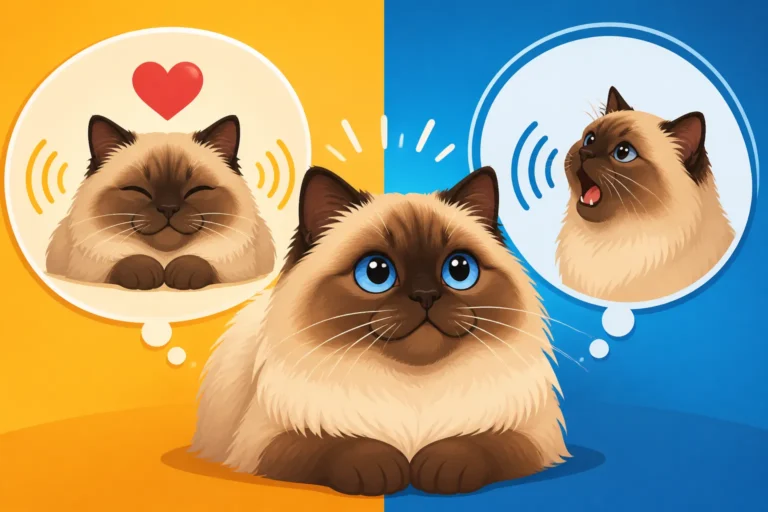
- Hissing or Growling: These vocalizations are explicit warnings and mean the cat needs immediate space. While Himalayans are typically quiet, they do have a voice, inherited from their Siamese ancestors, even if it's less voluminous. What Is Left of the Siamese Voice in a Himalayan is usually reserved for specific communication.
- Flicking Tail Tip: A small, twitching tip of the tail can be a subtle sign of irritation before the full tail swish begins.
You can use simple visual aids, like drawings or even photos of your own cat, to help your child identify these cues. Practice identifying them during normal interactions. "Look, Mittens' ears are flat – that means she wants to be left alone right now."
Respecting "No": The Ultimate Lesson in Pet Etiquette
The most important lesson of all is teaching a child to respect the cat's "no." If the cat moves away, struggles, or displays any of the stress signals, the interaction must end immediately. This isn't a game of chase; it's about respecting a living being's right to choose when and how it interacts.
- "If the cat walks away, let it stay away." This simple mantra can be incredibly effective.
- No Chasing: Never allow a child to chase a cat that is trying to escape. This can create fear and resentment in the cat, leading to a breakdown of trust.
- Gentle Release: If a cat is struggling while being held, guide the child to gently lower the cat to the ground, rather than dropping it or allowing it to jump from a height.
By teaching children to be observant, patient, and respectful of their Himalayan's signals, you're not only ensuring the cat's well-being but also nurturing a child's capacity for empathy and responsible pet ownership. These skills are invaluable for any animal lover and will serve them well throughout their lives. Consider looking for cat-themed children's books on platforms like Amazon that teach gentle animal handling, to reinforce these lessons in a fun, engaging way.
| Interaction Type | Good Practice | Things to Avoid |
|---|---|---|
| Lifting | Always ask an adult first. Use two hands to scoop under the chest and hindquarters, supporting the whole body. Bring close to your chest. Sit down to hold. | Grabbing by the middle, front legs, or tail. Lifting from a high surface. Squeezing too tightly. |
| Petting | Gentle strokes on the back or head (if the cat permits). Use a soft touch. | Poking, pulling fur, touching the belly (unless the cat explicitly invites it), or grabbing paws. Rubbing roughly against the fur grain. |
| Playing | Use wand toys, feather teasers, or soft balls (from a distance). Allow the cat to "catch" the toy. | Using hands or feet as toys. Chasing the cat. Forcing play when the cat isn't interested. |
| Boundaries | Let the cat approach you. Offer a hand to sniff. Respect the cat's need for space or quiet time. Leave the cat alone when eating, sleeping, or using the litter box. | Chasing a cat that walks away. Disturbing a sleeping cat. Making loud noises or sudden movements near the cat. |
| Observation | Watch for relaxed body language, purring, slow tail swishes. | Ignoring flattened ears, a rapidly swishing tail, hissing, or growling. Forcing interaction when the cat is stiff or trying to get away. |
Disclaimer
This article is for general informational purposes only and does not constitute professional advice. Laws, prices and regulations vary by location and change over time. Consult a qualified professional for guidance on your specific situation.