Making One Room Comfortable for a Himalayan Left Alone
Leaving your beloved Himalayan cat home alone can bring on a unique mix of guilt and anxiety. These aren't your average, independent felines; Himalayans are deeply sensitive to their environment and thrive on routine, which means being left to their own devices can sometimes be a little unsettling for them if their space isn't perfectly curated. This guide will walk you through exactly how to transform one room in your home into a sanctuary, ensuring your flat-faced, long-coated companion remains comfortable, safe, and content even when you're not right there beside them.
Understanding Your Himalayan's Solitude Needs
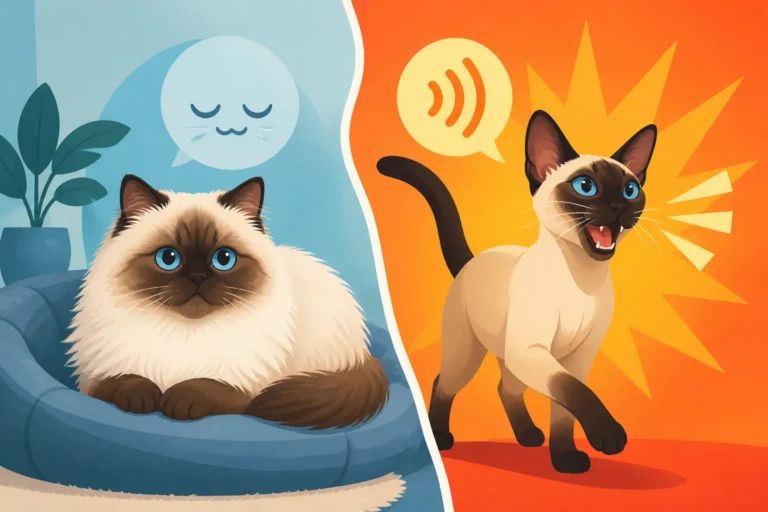
Before we even start talking about specific items, it’s crucial to understand why Himalayans need a particular approach when left alone. Their unique blend of Persian tranquility and Siamese vocalization means they have distinct preferences and physical limitations that influence how they experience solitude. Ignoring these can lead to unnecessary stress or discomfort.
The Himalayan Temperament: A Creature of Comfort and Routine
Himalayans are, by and large, wonderfully sedate and affectionate cats. They aren't generally the type to scale your curtains or tear through the house like a furry tornado. Instead, they prefer the plush comfort of a favorite chair, a quiet lap, or a warm sunbeam. This inherent preference for calm and predictability means they are often quite sensitive to changes in their environment or routine. Being left alone, even for a few hours, can feel like a significant shift in their carefully constructed world.
They're not necessarily clingy, but they are observant. They notice when you leave, and they definitely notice when things aren't "just so." A sudden noise, an unfamiliar scent, or a shift in temperature can be more unsettling for a Himalayan than for a more robust or high-energy breed. They spend a good portion of their day napping or simply observing, and their preferred activities are often low-impact, like watching the world outside a window or slowly kneading a soft blanket. How a Himalayan Divides Its Day Between Sleep and Lap gives you a better idea of their daily rhythm. Therefore, creating a dedicated, controlled space helps to minimize any potential anxieties they might feel when their human companions are out. It reinforces a sense of security and familiarity that they deeply crave.
Physical Considerations for an Independent Himalayan
Beyond their gentle temperament, a Himalayan's physical characteristics demand specific attention when setting up their solo space. Their most defining features – the long, luxurious coat and that adorable, flattened face – are also their greatest vulnerabilities when it comes to self-sufficiency. You can’t just toss them a toy and expect them to be fine; their body literally needs specific accommodations.
Their brachycephalic (flat) face, while endearing, means they can struggle with proper airflow and temperature regulation. They can overheat much faster than cats with longer muzzles, and their breathing can become labored if the air is too warm or stuffy. This isn't just about comfort; it's a health concern. Additionally, that magnificent double coat, a legacy from their Persian lineage, is a matting magnet. Even a few hours of neglect, or vigorous rolling on a rough surface, can start the irreversible process of mat formation, which can quickly become painful and require professional intervention. Lastly, their "cobby" body type, characterized by short, sturdy legs and a broad chest, means they are not natural acrobats. High shelves, tall cat trees, or precarious climbing spots are usually ignored or avoided, so focusing on ground-level comfort is far more effective. A Himalayan is generally much happier stretched out on a cool tile floor or a low, plush bed than trying to balance on a cat tree. Understanding Why a Himalayan Sleeps With Its Neck Stretched Out can also give you insight into their breathing needs.
Designing the Ultimate Himalayan Retreat Room
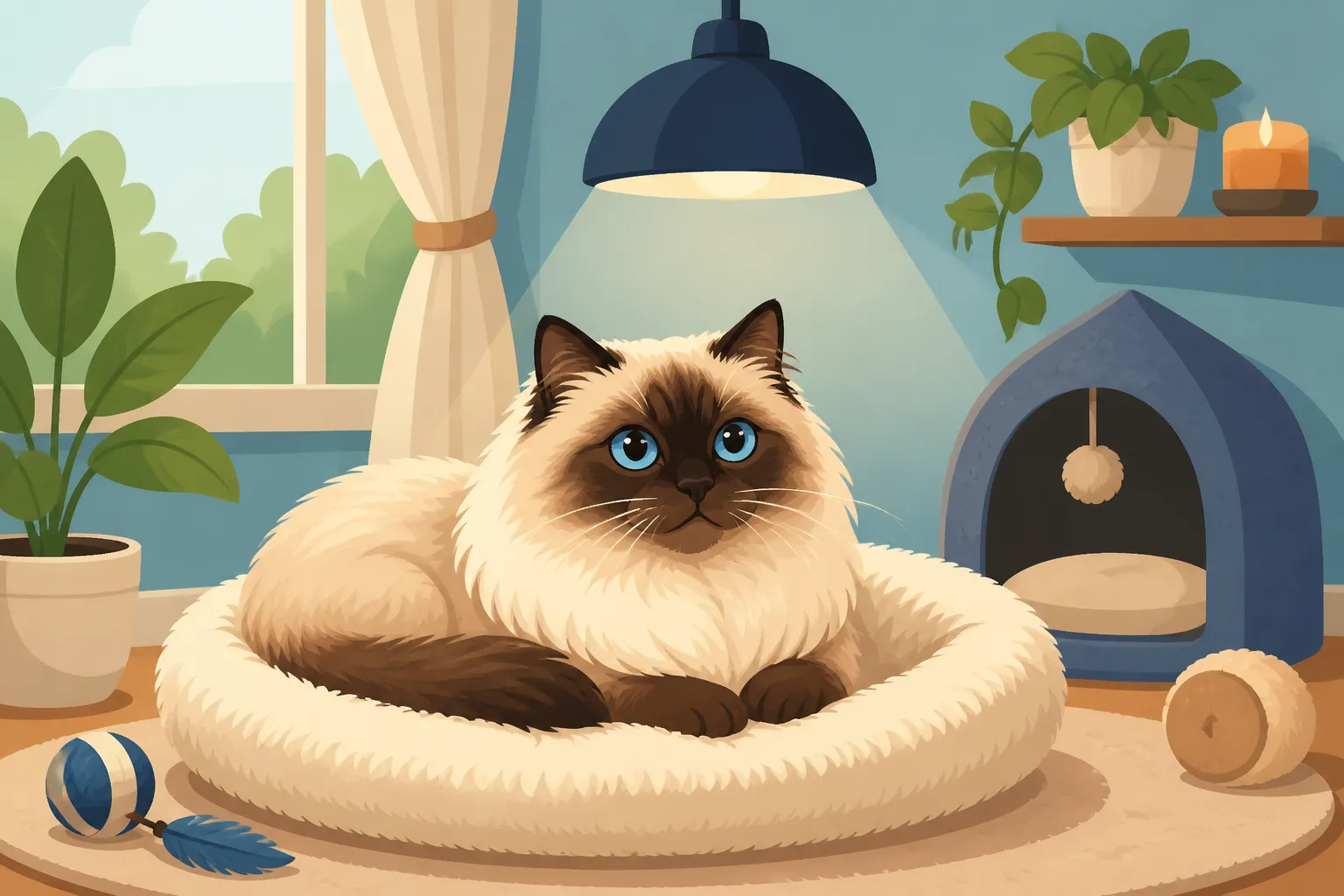
Now that we understand the 'why,' let's delve into the 'how.' The goal is to create a room that caters to every one of your Himalayan's unique needs, turning it into a haven where they can truly relax and feel safe in your absence. This isn't about extravagance, but about thoughtful consideration.
Temperature Control and Airflow Are Paramount
This cannot be stressed enough: Himalayans are incredibly sensitive to heat. Due to their flattened facial structure, they have a harder time panting effectively to cool themselves down compared to other cat breeds. Their dense double coat acts like an insulating blanket, which is lovely in winter but a real challenge in warmer weather or even a poorly ventilated room. When you're gone, there's no one to notice if they're starting to get too warm.
Therefore, ensuring optimal temperature and excellent airflow in their dedicated room is absolutely non-negotiable. Aim for a consistently cool, comfortable temperature. If you have air conditioning, keep it set to a level that feels pleasant to you, or even a degree or two cooler. If AC isn't an option, strategically placed fans can help circulate air, but always ensure they are directed away from your cat, providing indirect airflow to cool the room rather than blowing directly onto them, which can be irritating. Never leave a Himalayan in a room where the sun streams in all day without adequate shade and cooling. They will instinctively seek out the coolest spot, often a tile floor or a bathtub, but providing a comfortable, cool environment preemptively is best. For more on this, check out The Temperature a Himalayan Starts to Struggle At and How to Cool a Long Coated Himalayan in Summer.
Low-Level Comfort Zones and Safe Exploration
Forget towering cat condos or wall-mounted shelves. Your Himalayan prefers the grounded approach to comfort and exploration. Their cobby build and generally placid nature mean they get very little joy from scaling great heights; in fact, a fall from a high perch could be quite serious. Instead, focus on creating multiple, inviting low-level comfort zones within the room.
Think plush, supportive cat beds placed in various spots: one near a window for observation, another tucked away in a quiet corner for deep naps, and perhaps a cooling mat (easily found on Amazon) in a warmer area for those inevitable heat-seeking moments. Ensure any furniture you provide, such as small ottomans or low chairs, is stable and easy for them to jump onto and off of without strain. Scratching posts should be horizontal or low-lying, stable, and covered in carpet or sisal. A wobbling, tall scratching post is more likely to be ignored or feared than used. They need to feel secure and grounded. Consider a comfortable, low-profile window perch from Amazon that lets them observe the outside world without requiring a dangerous leap. For further reading, Why a Himalayan Stays on the Floor and the Sofa and Why a Himalayan's Cat Tree Should Be Waist High at Most offer excellent insights into their preferences.
Essential Provisions for a Content Himalayan
Beyond the physical setup of the room, what you provide inside it is just as important. Himalayans have specific needs when it comes to eating, drinking, and bathroom habits, all influenced by their unique anatomy.
Food and Water Stations Tailored for a Flat Face
The flat face that makes your Himalayan so endearing also presents challenges at mealtime. Traditional deep, narrow bowls can be frustrating, leading to messy eating, bent whiskers, and difficulty reaching food. When they're alone, you want to minimize any struggles they might have.
The ideal food and water bowls for a Himalayan are shallow and wide. This design allows them to access their food and water without pushing their nose into the bowl's sides or bending their sensitive whiskers. Ceramic or stainless steel bowls are excellent choices, easy to clean and non-porous. Consider an elevated feeding station that raises the bowls a few inches off the ground; this can aid digestion and make eating more comfortable, reducing strain on their neck. For water, multiple sources are always a good idea. A wide, shallow ceramic bowl (again, easily found on Amazon) filled with fresh water is essential, but a pet drinking fountain can also encourage hydration, as many cats prefer running water. Just ensure the fountain design allows easy access for their flat face. It's also worth noting Which Bowl Shape a Flat Faced Himalayan Can Use and Why a Himalayan Soaks Its Ruff Drinking to truly understand their eating and drinking mechanics.
Litter Box Accessibility and Hygiene
Their short legs and long coat make the litter box a particular consideration for Himalayans. A high-sided litter box might be manageable for a more agile cat, but for your cobby companion, it can be an obstacle course.
Always opt for a low-sided litter box. The front lip should be low enough for them to step in and out comfortably without having to jump or strain. This is especially important for older Himalayans or those with any joint stiffness. Size matters too: ensure the box is large enough for them to turn around comfortably. As for litter, a soft, fine-grained, low-dust option is usually best. Their long fur can easily pick up coarser litter, tracking it through the house and potentially causing irritation or mats in their britches. Even when you're away, it's vital that the litter box is clean. If you're leaving them for an extended period (more than a day), consider having a second litter box in the room, or arranging for someone to scoop daily. A dirty litter box can deter a cat from using it, leading to accidents. More on this can be found in Why a Short Legged Himalayan Needs a Low Sided Box and Why Litter Ends Up in a Himalayan's Britches.
| Item Type | Standard Recommendation | Himalayan-Specific Need | Why It Matters |
|---|---|---|---|
| Cat Bed | Any comfortable bed | Plush, low-profile, multiple spots | Prefers ground level comfort, easily overheats |
| Scratching Post | Tall, vertical, cat tree | Horizontal or low, stable, sisal/carpet | Cobby build, not a jumper, security, avoids injury |
| Food Bowl | Standard depth, any material | Shallow, wide, elevated, ceramic/stainless steel | Flat face and bent whiskers make deep bowls difficult, prevents chin acne |
| Water Source | Single bowl | Multiple wide, shallow bowls or flat-face friendly fountain | Encourages hydration, keeps ruff dry, prevents chin issues |
| Litter Box | Covered, high-sided | Low-sided, large, open, fine-grain low-dust litter | Short legs, long coat, avoids discomfort and tracking |
| Enrichment | Complex puzzles, climbing toys | Soft, low-effort toys, accessible puzzle feeders | Less active, needs accessible mental stimulation |
| Temperature | Room temperature | Cool, well-ventilated, access to cold surfaces | Prone to overheating, breathing difficulties with heat |
Enrichment and Engagement (Even When You're Not There)
While Himalayans aren't usually high-energy cats, they still need mental stimulation and opportunities for engagement, even when left alone. A bored cat can become a destructive cat, or worse, a stressed cat. The key is to provide enrichment that suits their gentle, often less athletic nature and, of course, their unique facial structure.
Soft, lightweight toys are always a hit. Think crinkle balls, plush mice, or soft fabric wands that they can bat around with minimal effort. Laser pointers can be fun for supervised play, but always end with a tangible toy to prevent frustration. Puzzle feeders are excellent for mental stimulation, but you need to be very selective. Many puzzle feeders are designed for cats with longer muzzles, requiring them to dig or scoop food out of deep crevices, which is impossible for a Himalayan. Look for flat, open-tray puzzle feeders (many options on Amazon) where they can easily nudge food around with their paw or tongue without much difficulty. A secure, low window perch can provide hours of entertainment as they watch birds, squirrels, or passersby. Just make sure the window is securely closed and screened. You might also consider leaving a cat-friendly music channel or soft classical music playing quietly, as background noise can be comforting. For a deeper dive into suitable play, consider Which Puzzle Feeder a Himalayan Can Get Its Face Into and Why a Himalayan Watches a Toy Rather Than Chase It.
Maintaining Well-being and Routine
Creating the perfect room isn't a one-and-done deal. It requires ongoing attention and a commitment to maintaining their well-being, especially when you're not there to personally cater to their every need. Consistency is the name of the game for a Himalayan.
Grooming Maintenance in Your Absence
A Himalayan's coat is a thing of beauty, but it comes with a high-maintenance tag attached. When you're not home, the daily comb goes by the wayside, and this can be a real concern. Even a few days without proper grooming can lead to the formation of mats, especially in high-friction areas like the armpits, britches, and behind the ears. These mats aren't just unsightly; they pull on the skin, causing discomfort and pain, and can even hide skin infections.
While you obviously can't comb them while you're out, there are strategies to minimize problems. First, ensure they are thoroughly combed before you leave, especially if you anticipate a longer absence. Secondly, ensure the surfaces they rest on in their dedicated room are smooth rather than rough, which can snag their fur. Soft blankets and beds are ideal. If you are going to be away for more than a couple of days, seriously consider having a trusted pet sitter come in not just to feed and play, but to also give them a quick, gentle comb-through. Even 5-10 minutes can make a huge difference in preventing a major matting catastrophe. Never underestimate The Daily Comb a Himalayan Cannot Skip or the consequences of Why a Missed Day Costs a Himalayan a Mat.
Monitoring and Adjusting the Environment
Even after you've painstakingly set up the perfect Himalayan retreat, the work isn't quite over. Animals, like people, change their preferences, and seasons shift. What works perfectly in spring might need tweaks in summer or winter. Continuous monitoring and adjustment are key to ensuring long-term comfort.
A pet camera (easily found on Amazon) can be an invaluable tool for peace of mind. Many modern cameras allow you to check in on your cat, listen, and even speak to them, which can be comforting for both of you. You might observe patterns you weren't aware of – perhaps they always choose the darkest corner in the afternoon, or they only play with a specific toy. When you return home, pay close attention to your Himalayan's behavior. Do they seem relaxed and content? Are their food and water bowls empty, indicating they've eaten and drunk sufficiently? Are there any signs of stress, such as excessive grooming (not the good kind!), hiding, or unusual vocalizations? Based on your observations, be prepared to make adjustments. Perhaps the fan needs to be moved, a new bed needs to be added, or a different type of toy introduced. Their needs aren't static, and a little flexibility on your part will ensure their designated room remains their happy place, no matter the circumstances.
Disclaimer
This article is for general informational purposes only and does not constitute professional advice. Laws, prices and regulations vary by location and change over time. Consult a qualified professional for guidance on your specific situation.