Which Carrier Gives a Himalayan Enough Air
If you've ever tried to get your beautiful, fluffy Himalayan into a standard pet carrier, you know the struggle is real. It’s not just about fitting their cobby little body inside; it’s about making sure they can actually breathe comfortably, especially if they’re prone to getting a bit stressed or overheated. This guide is all about helping you navigate the world of pet carriers to find one that truly gives your flat-faced friend enough air, ensuring their travels are as calm and safe as possible.
Understanding the Himalayan's Unique Breathing Challenges in a Carrier
Our darling Himalayans are, let's be honest, not built like your average cat. Their distinctive flat faces, inherited from their Persian lineage, are absolutely adorable but come with some unique anatomical considerations, particularly when it comes to breathing. This brachycephalic (or "flat-faced") structure means their nasal passages can be shorter and their soft palates potentially elongated, which can restrict airflow. In a small, enclosed space like a carrier, this becomes even more critical.
Imagine trying to breathe through a damp sponge while wearing a heavy winter coat in a stuffy room. That's a bit like what a Himalayan might experience in a carrier that lacks adequate ventilation. They can overheat quickly because their natural cooling mechanism – panting – isn't as efficient as in cats with longer muzzles. The stress of travel alone can elevate their body temperature and breathing rate, exacerbating any pre-existing respiratory quirks. It's a double whammy: a heavy, dense coat designed for colder climates, combined with a facial structure that makes effective heat dissipation a challenge. This is why choosing the right carrier isn't just about convenience; it's a vital part of their welfare during any kind of transport. For these reasons, you should always understand Why a Himalayan Should Not Fly in Cargo and Why a Flat Faced Himalayan Should Never Fly in the Hold.
Furthermore, their luxurious, dense coat, while a hallmark of their beauty, acts like a built-in blanket, trapping heat close to their body. In a carrier, especially one without sufficient cross-ventilation, this heat can build up rapidly. A normal cat might simply stretch out and pant a bit, but a Himalayan's physiology means they reach critical temperatures much faster. What seems like a minor inconvenience for another breed can quickly become a serious health concern for a Himalayan, leading to distress, labored breathing, and in severe cases, heatstroke. This is especially true if you are transporting them in warmer weather or if the journey is longer than a quick trip to the vet. Keeping them cool and calm is paramount, and the carrier plays a huge role in achieving this. You need to be aware of The Temperature a Himalayan Starts to Struggle At.
Key Features for Optimal Airflow and Comfort in a Himalayan Carrier
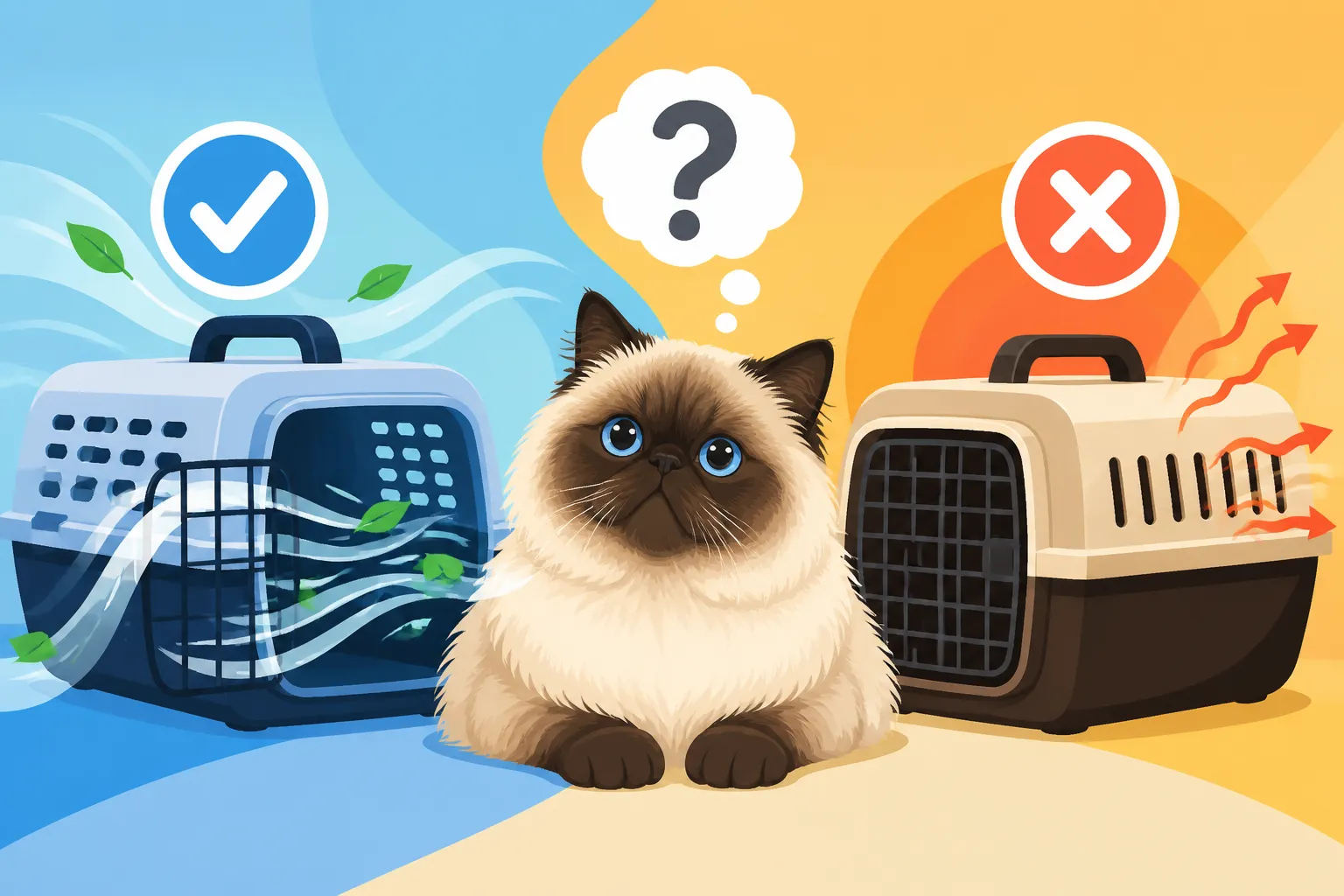
When you're looking for a carrier for your Himalayan, ventilation should be your absolute top priority, even above fancy features or aesthetics. We're talking about maximizing air exchange to keep them cool and comfortable. Beyond just mesh windows, think about the material, the design, and even the size. A good carrier acts almost like a portable, well-ventilated mini-room, rather than a stuffy box.
Firstly, look for carriers with extensive mesh panels on multiple sides, not just one or two. Ideally, you want mesh on the front, back, and at least one side, if not both. This creates crucial cross-ventilation, allowing air to flow freely through the carrier rather than just stagnating inside. Some carriers even incorporate mesh on the top, which is a fantastic bonus, especially if you need to quickly assess your cat's breathing or offer a reassuring touch. These panels should be made of durable, claw-resistant mesh, because a stressed cat can definitely try to claw its way out! Many reputable brands sold on platforms like Amazon understand this need and offer designs specifically catering to brachycephalic breeds, even if not explicitly labeled as such.
Secondly, consider the overall size and shape of the carrier. While you might think a snug carrier feels more secure for a cat, for a Himalayan, space is ventilation. A carrier that allows them to stand up, turn around comfortably, and stretch out without pressing against all sides helps with air circulation around their body. A larger footprint means more air volume inside, and less chance of them feeling cramped and overheating. Look for carriers that are wide rather than just tall. A good rule of thumb is that your cat should be able to turn around easily and lie down fully stretched in any position. This extra space isn't just for comfort; it directly contributes to their ability to regulate their body temperature. It's important to remember Why a a Himalayan's Cobby Frame Should Weigh when selecting a size.
Finally, the material of the carrier itself makes a difference. Hard-sided carriers, typically made of plastic, often have larger ventilation holes rather than mesh, which can sometimes provide good airflow but might not be as universally distributed as mesh panels. Soft-sided carriers, on the other hand, almost always rely on mesh, making them a popular choice for good ventilation. The key is to check the amount and placement of the mesh. Avoid carriers made with heavy, insulated fabrics that might trap heat, and instead opt for lighter, breathable materials if choosing a soft-sided option. You can often find a wide variety of materials and designs on Amazon, so it's worth taking your time to compare.
Here's a quick comparison of common carrier types and their suitability for Himalayans:
| Feature/Type | Hard-Sided Plastic Carrier | Soft-Sided Fabric Carrier | Backpack/Wheeled Carrier |
|---|---|---|---|
| Pros for Himalayan | Durable, easy to clean, often good side ventilation holes. Can offer more rigid structure. | Excellent mesh ventilation on multiple sides, lighter, more flexible, often collapsible. | Hands-free for owner, some wheeled options have good ventilation. |
| Cons for Himalayan | Ventilation holes might be fewer/smaller, can be heavier, less flexible for awkward spaces. | Less rigid protection, fabric can retain heat if not breathable, less secure for escape artists. | Can be restrictive for space, risk of overheating if worn on back (human body heat), wheeled types can be bumpy. |
| Key Considerations | Look for ample holes on all sides; choose a generous size. | Prioritize extensive, durable mesh on at least 3 sides; look for breathable fabric. Choose top-loading for ease. | Ensure ample internal space and cross-ventilation; avoid carrying on back for extended periods. |
Preparing Your Himalayan and Their Carrier for Stress-Free Travel
Getting your Himalayan ready for travel isn't just about picking the right carrier; it's about making that carrier a positive, familiar space long before you even leave the house. Think of it as pre-emptive strike against anxiety! Our furry friends, especially those with discerning Persian traits, thrive on routine and predictability. A sudden introduction to a strange, enclosed box on the day of a vet visit is almost guaranteed to cause stress, which in turn can lead to panting and overheating for a brachycephalic cat like a Himalayan.
The key here is acclimation. Leave the carrier out in a common area of your home, with the door open, for days or even weeks before any planned trip. Make it inviting by placing a soft, familiar blanket or a favorite bed inside – something that smells like home and comfort. Toss in a few treats or toys, or even feed them their meals near or inside the carrier. The goal is for your Himalayan to associate the carrier with positive experiences, seeing it as another cozy napping spot rather than a dreaded prison. Many of my clients have had great success with a simple catnip spray inside the carrier to encourage exploration. If your Himalayan panics, this kind of desensitization is crucial for Keeping a Himalayan Calm When It Panics.
When it comes to the actual travel day, a few extra steps can make all the difference. Always ensure your cat is calm before attempting to put them in the carrier. Try to do it gently, perhaps luring them in with a treat, or using a top-loading carrier which can be much less stressful than trying to push them through a front door. Once they're in, double-check that their collar isn't too tight or digging into their neck, as even minor pressure can further compromise their breathing, which is already a concern for Why a Collar Presses on a Himalayan's Narrow Airway. Always make sure the carrier is securely latched, but never, ever block any of the ventilation panels with blankets or luggage, no matter how chilly it might seem outside. You can always drape a light towel over part of the carrier if they prefer a bit of darkness, but ensure the airflow remains unobstructed.
Managing Travel Anxiety and Overheating in a Himalayan Carrier
Despite all your best efforts, travel can still be a stressful experience for some Himalayans, and stress often leads to increased body temperature and more labored breathing. Being prepared to manage these situations is just as important as choosing the right carrier. It’s about being vigilant, knowing the signs of distress, and having a plan to act quickly.
First and foremost, monitor your Himalayan closely during travel. This means checking on them frequently, listening to their breathing, and observing their demeanor. Signs of overheating or distress in a Himalayan can include excessive panting (more than just a few short breaths after exertion), drooling, rapid or shallow breathing, restlessness, or a glazed look in their eyes. Their gums might appear darker red. If you notice any of these symptoms, pull over immediately if you're driving, or find a safe, quiet spot if you're in a public place. It's critical to act fast, especially considering How an Old Himalayan's Flat Faced Breathing Worsens.
To cool an overheating Himalayan, you can try a few things. Lightly dampen their paws or the insides of their ears with cool (not icy!) water. A small, battery-operated fan directed at the carrier (but not blowing directly onto their face in a way that causes more stress) can help circulate air. Placing a frozen water bottle wrapped in a towel next to the carrier (outside, not inside where they could chew it) can also help lower the ambient temperature around them. Never use ice packs directly on their skin. Offer them water from a shallow bowl if they're receptive, but don't force it. These methods are similar to what you might use if you're wondering How to Cool a Long Coated Himalayan in Summer. Remember, if the symptoms don't improve quickly, or worsen, a vet visit is absolutely necessary. Sometimes, a vet may recommend mild sedatives for particularly anxious travelers, but this should always be discussed with a professional who understands the unique anesthetic considerations for Himalayans.
Finally, always have a plan for veterinary emergencies, especially if you're traveling a long distance. Know the location of emergency vets along your route or at your destination. Keep your vet's number handy. While a carrier with good airflow is your first line of defense, knowing what to do in a pinch can be a lifesaver. Even routine vet visits, which often involve a car ride in a carrier, can be stressful, so discussing travel anxiety and potential remedies with your vet is a good idea. They can offer advice tailored to your individual cat, and perhaps suggest calming sprays or supplements that might make the journey smoother. Knowing How a Vet Manages a Himalayan Under Anesthetic can also offer peace of mind, as vets are well-versed in the special care these breeds require.
Disclaimer
This article is for general informational purposes only and does not constitute professional advice. Laws, prices and regulations vary by location and change over time. Consult a qualified professional for guidance on your specific situation.